Outdoor Dog Gear Insights for Pet Brands and Buyers
Welcome to the StridePaw blog. We share practical articles for pet brands, retailers, and distributors sourcing outdoor dog gear, with a focus on fit, materials, safety, travel use, and product selection across harnesses, leashes, carriers, car travel gear, and related categories.
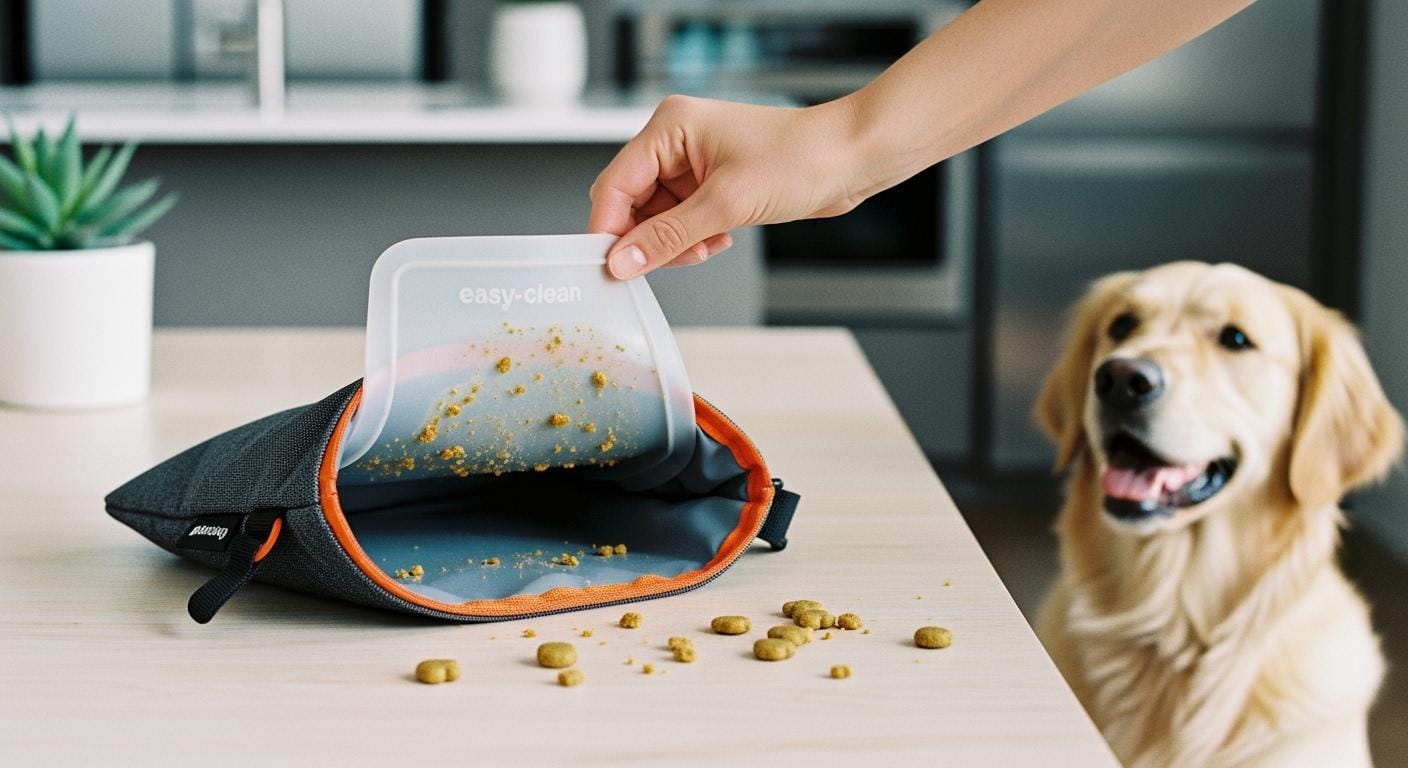
Dog treat pouch liners that trap crumbs and oil fail at the material level. Coated nylon, rounded corners, wide openings, and fewer seams keep residue from sticking.
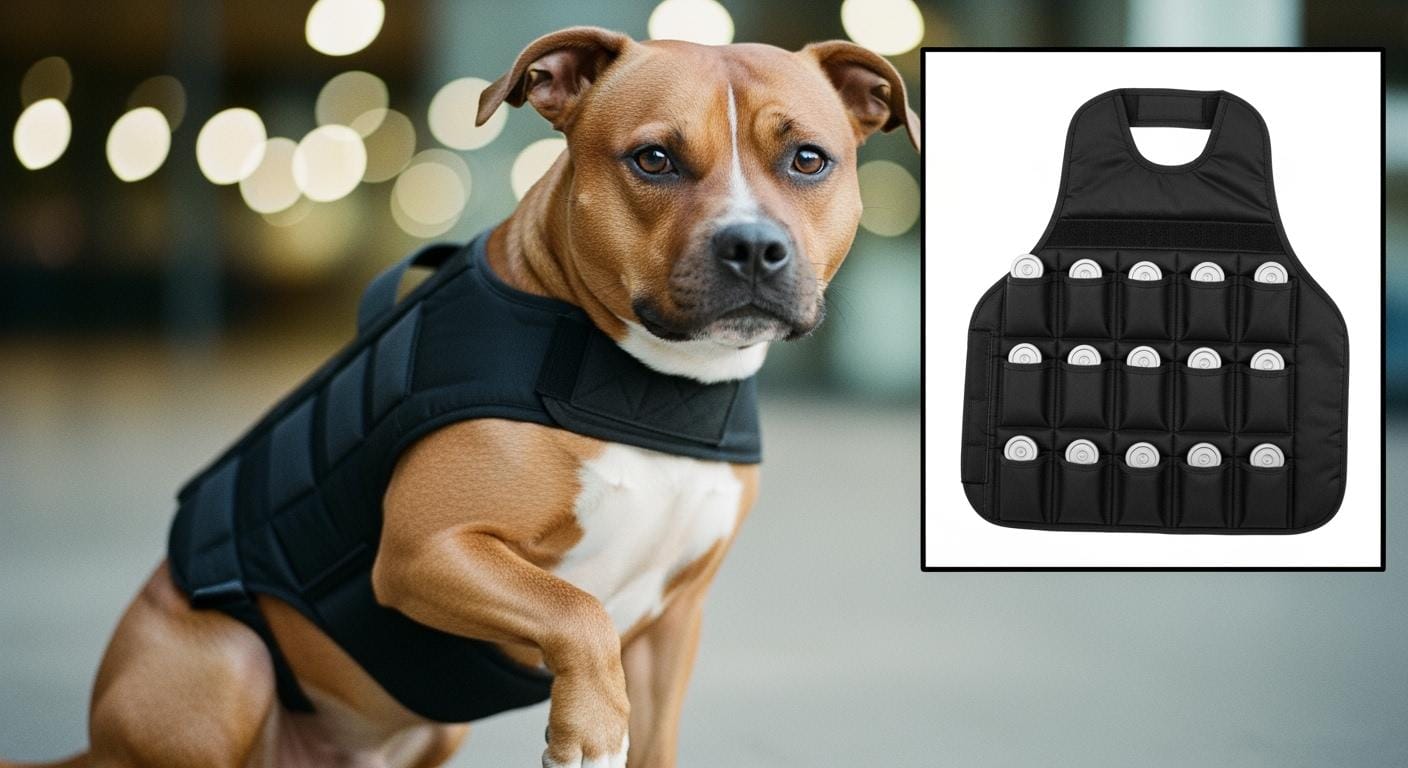
A weighted vest shifts when pocket placement creates leverage that pulls weight off-center. Balanced layout, rigid panels, and strap geometry keep it stable.
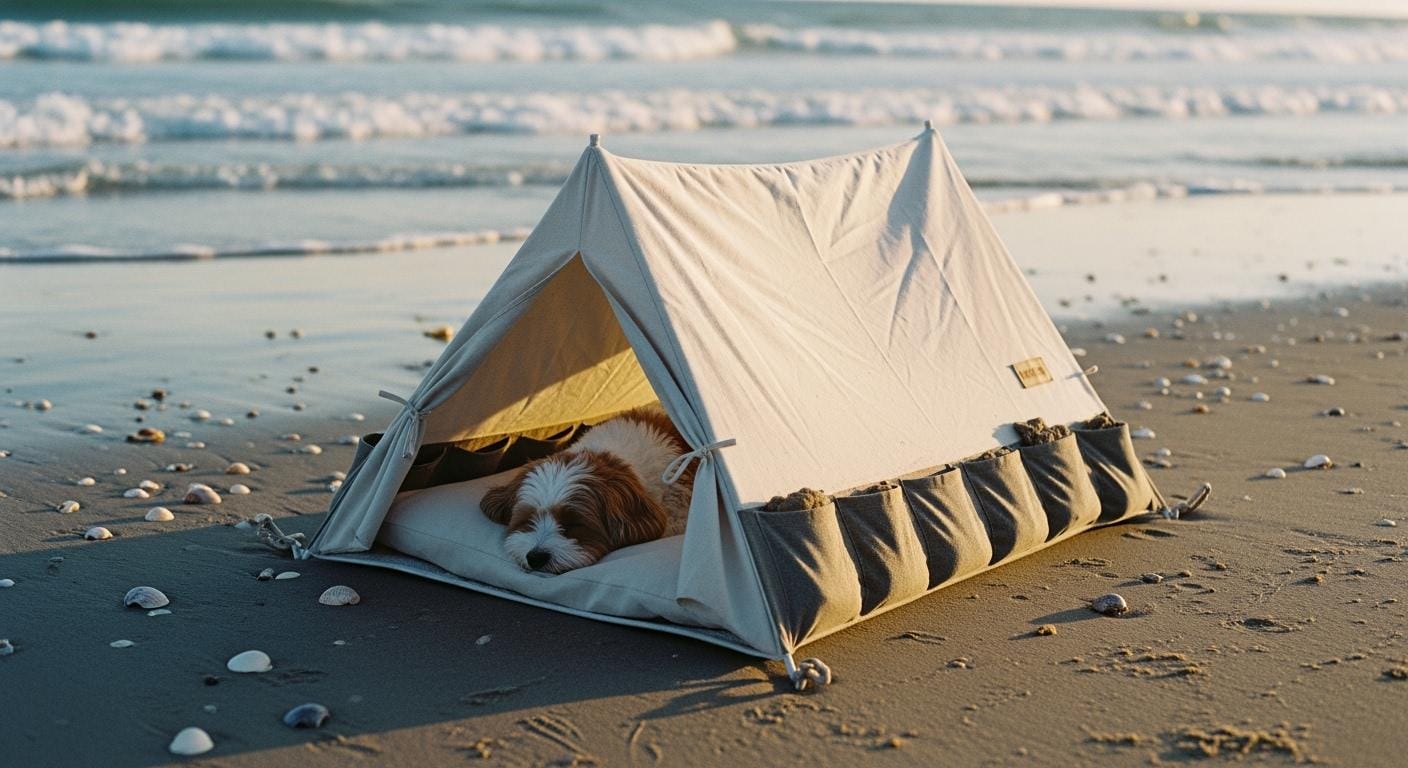
Edge-weighted sand pockets and low anchors keep a pet tent grounded when beach wind hits. Wider ground contact spreads force, corners stay down, and less sand blows inside.
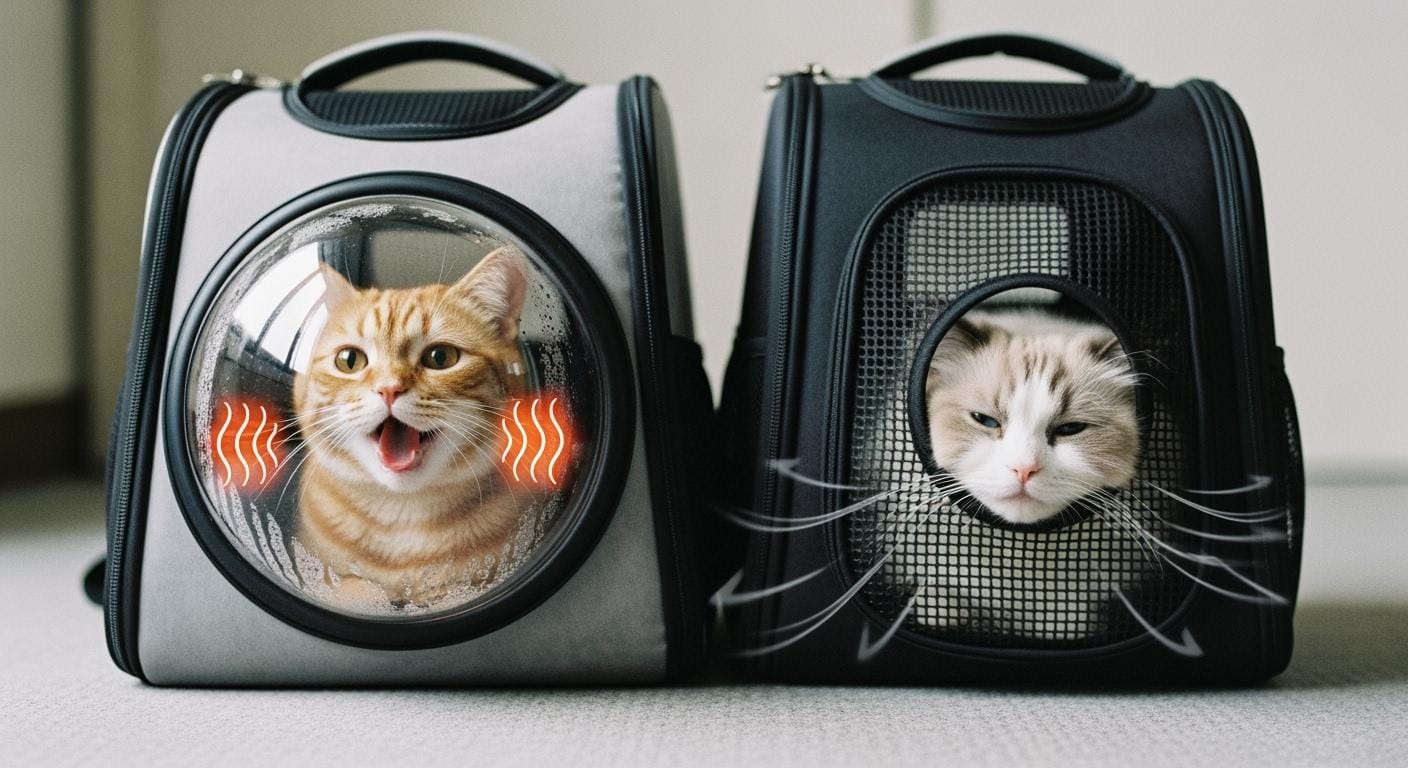
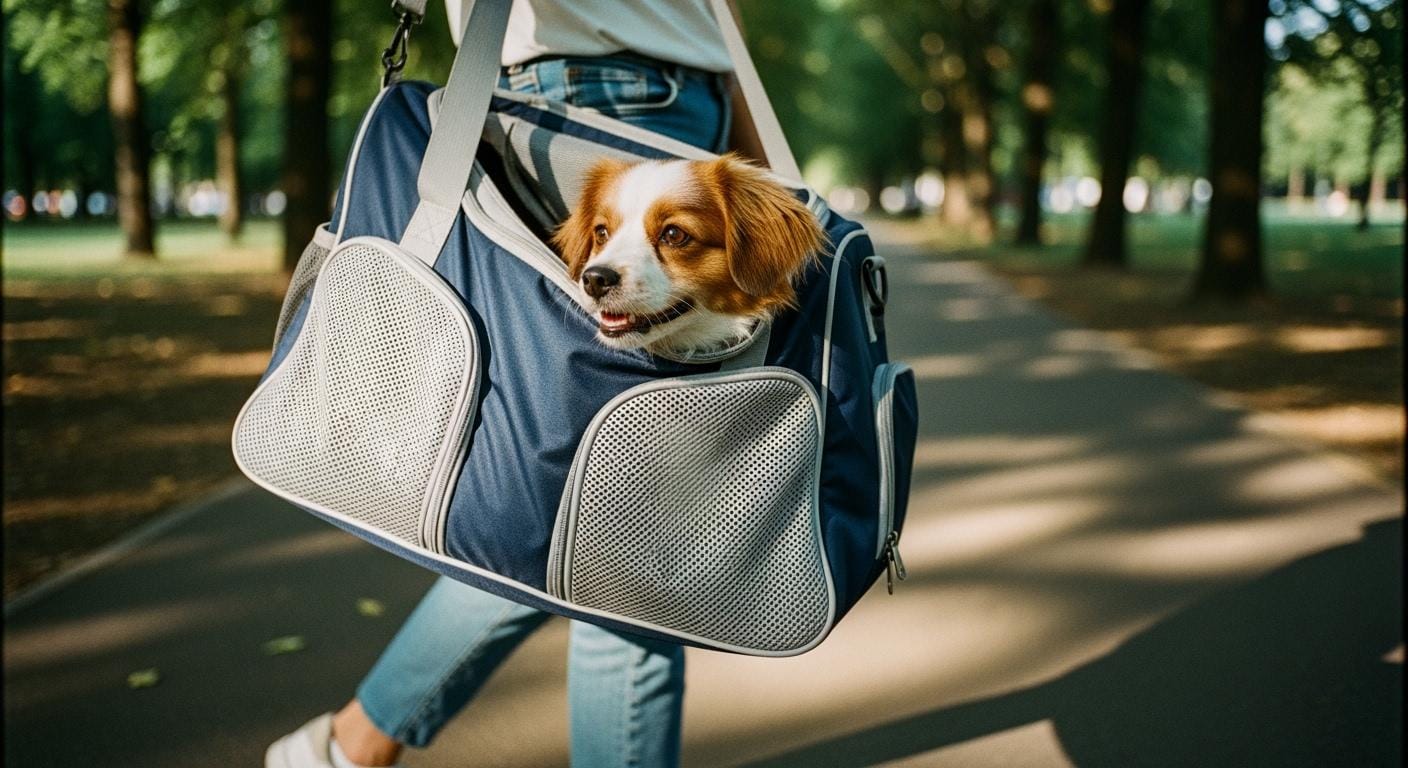
For cats that overheat, mesh air paths matter more than bubble windows. Three features decide cooling: panel coverage, air gap depth, and shell stiffness.
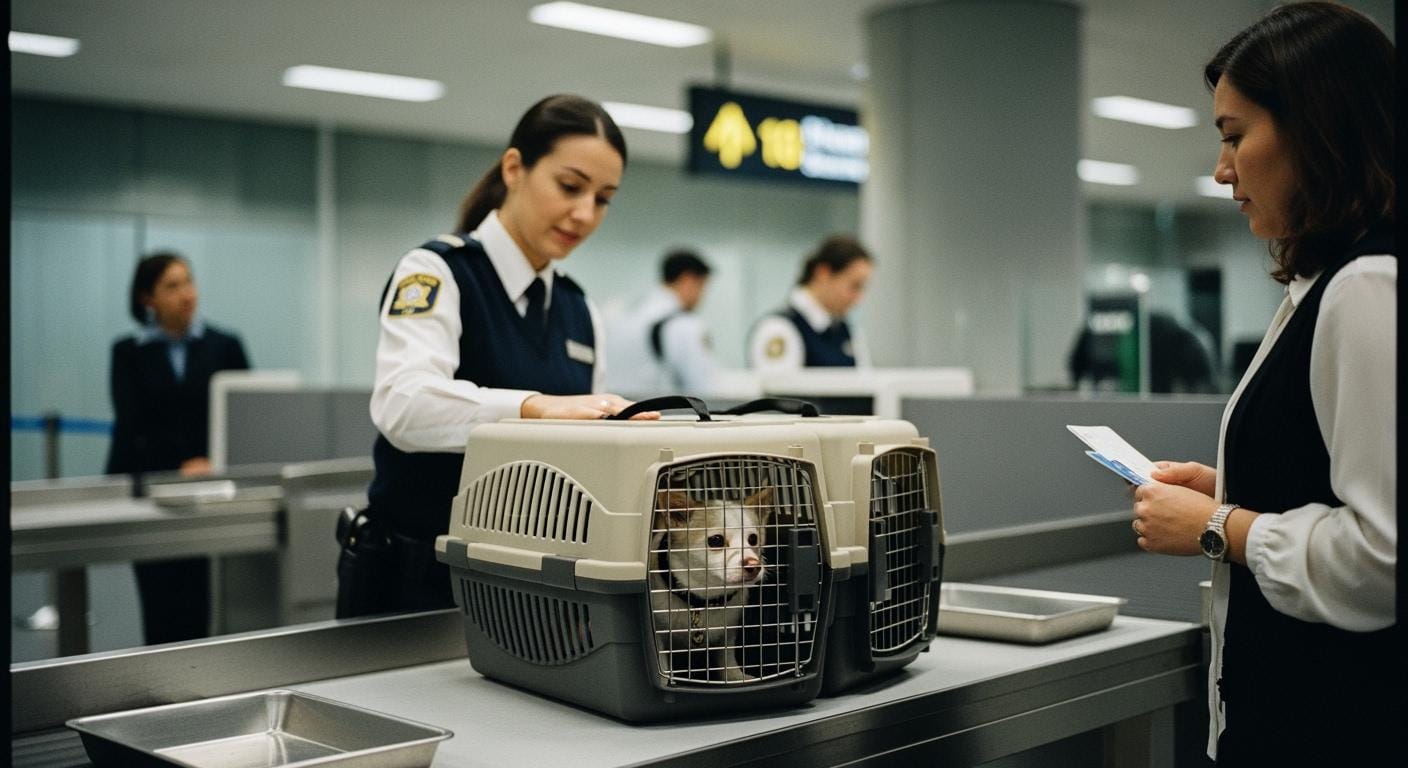
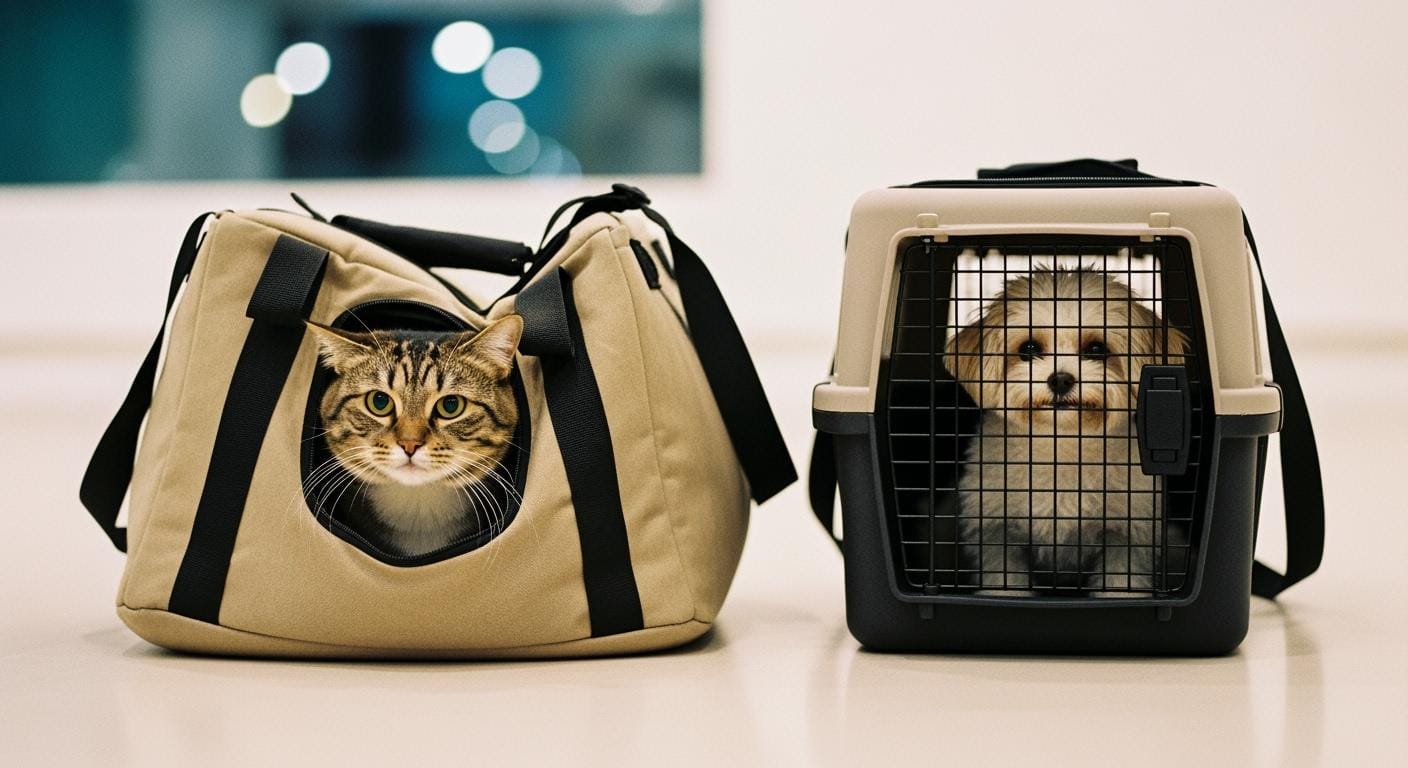
Two entry points change how a pet carrier works at TSA and under seats. A top opening avoids forcing a reluctant pet. A side opening lets a calm pet walk in.
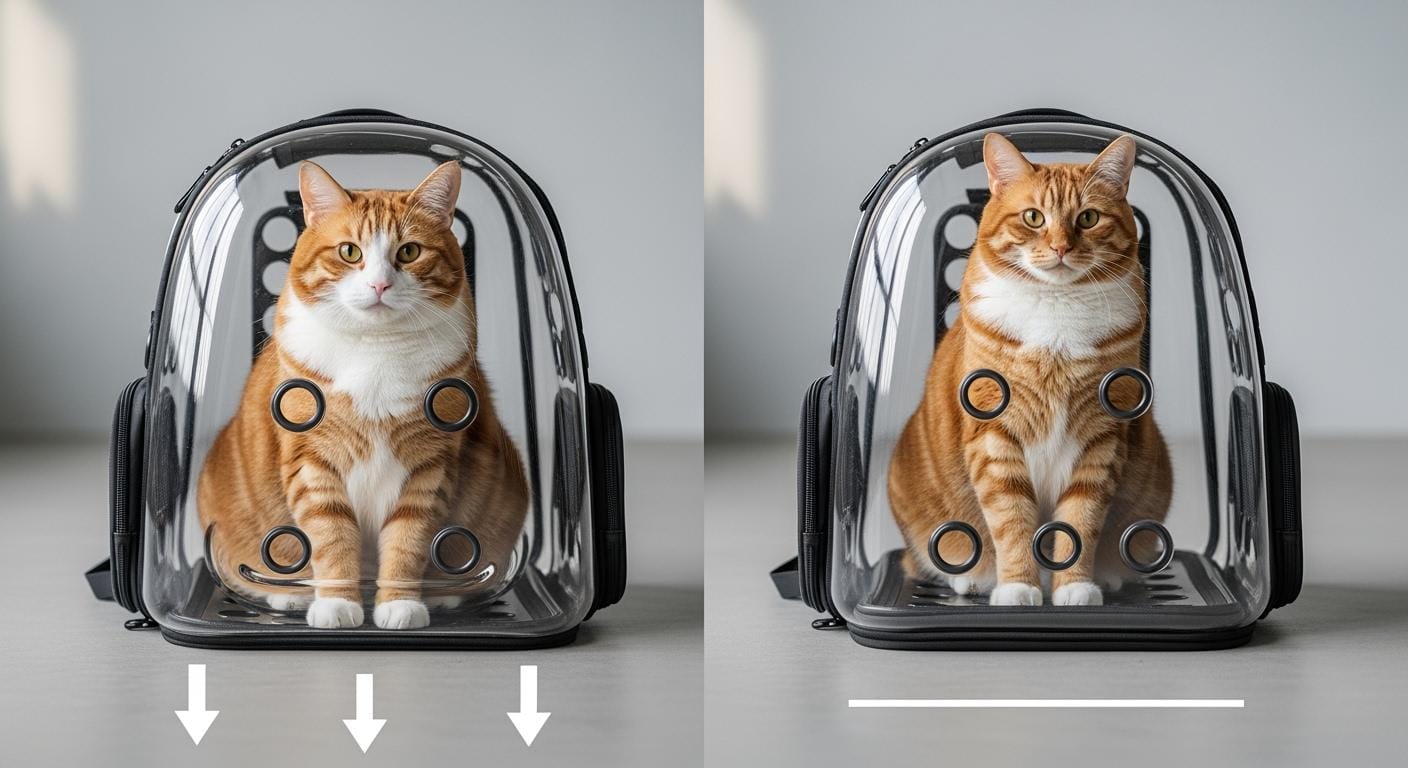
A carrier base bends when the floor panel lacks rigidity. A reinforced flat insert, load-spreading support, and stable sidewalls keep the floor level under a heavy cat.
A folding pet carrier sags when the base flexes under weight and pulls the walls inward. A firm base insert, stiff panels, and strong corners keep it stable.
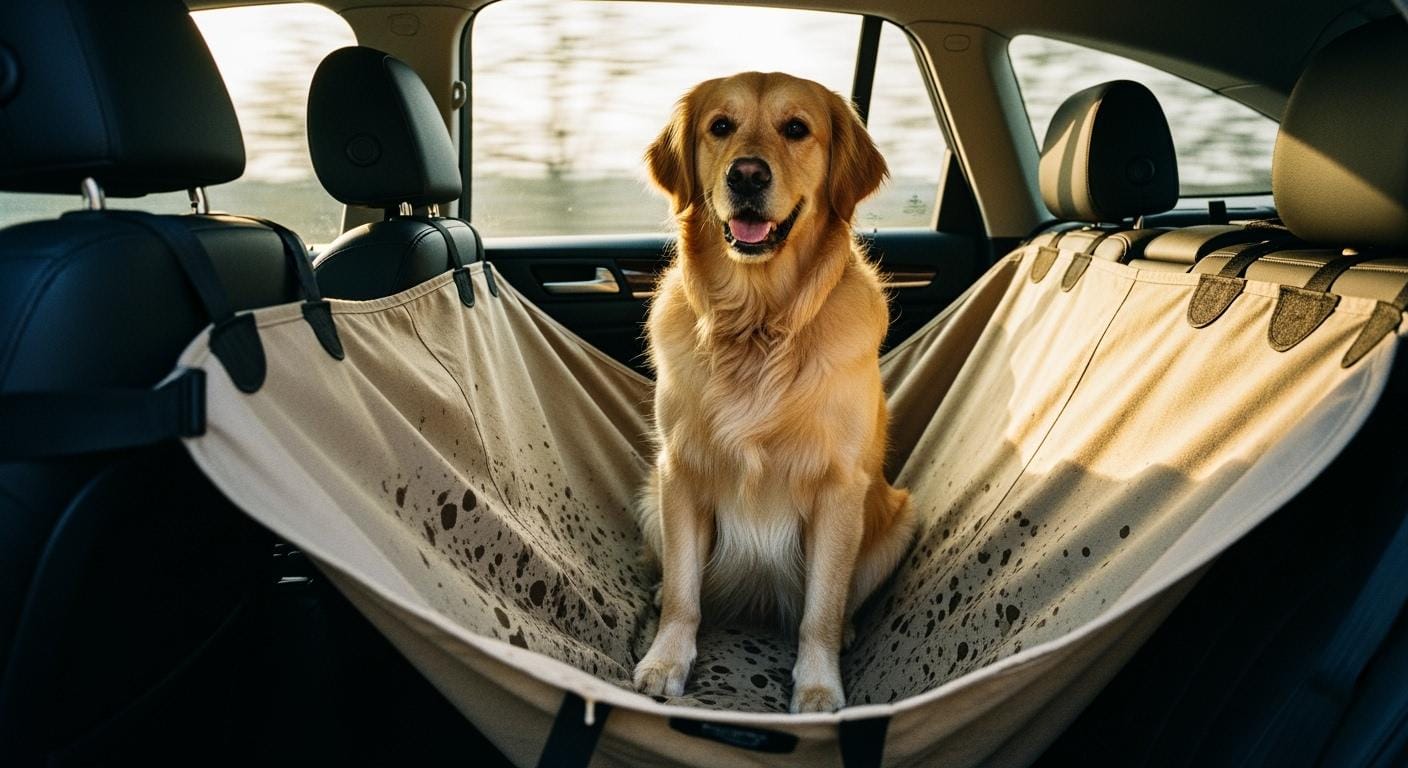
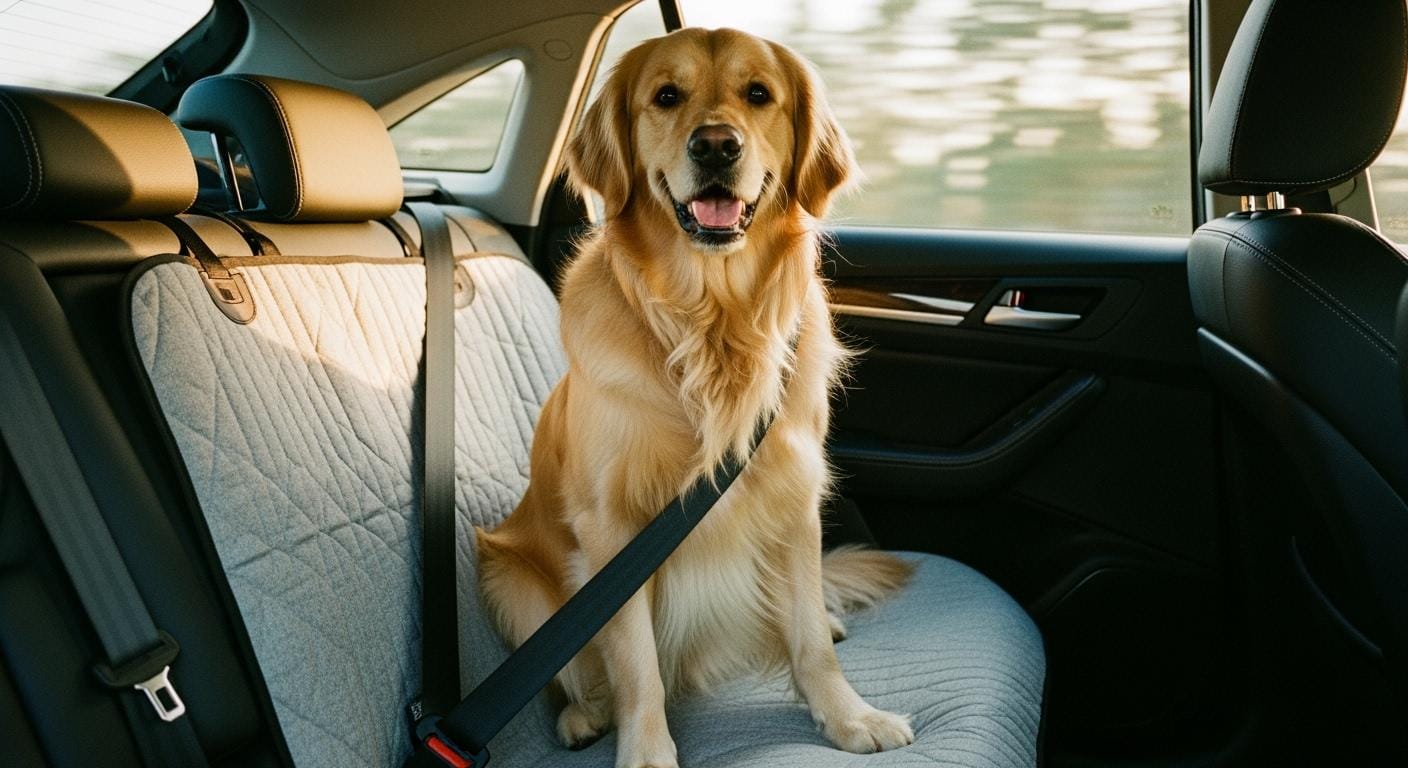
Paws slip on turns: missing surface grip, unstable cover, no side bracing. Textured top, seat anchors, side flaps — each supplies one. None works alone.