Outdoor Dog Gear Insights for Pet Brands and Buyers
Welcome to the StridePaw blog. We share practical articles for pet brands, retailers, and distributors sourcing outdoor dog gear, with a focus on fit, materials, safety, travel use, and product selection across harnesses, leashes, carriers, car travel gear, and related categories.
UV degrades each part of a balcony dog bed at a different rate. The cover can look fine while stitching underneath already failed. Material layering and thread choice determine real lifespan.
Weighted dog vests drift toward the neck as the dog moves. Where pockets sit and how the rear panel anchors determine if the load stays off the shoulders.
A pet carrier side entry zipper that pushes open is usually a puller parking problem. The puller position, door panel stiffness, and track alignment determine whether the entry holds under pressure while a pet shifts inside the carrier.
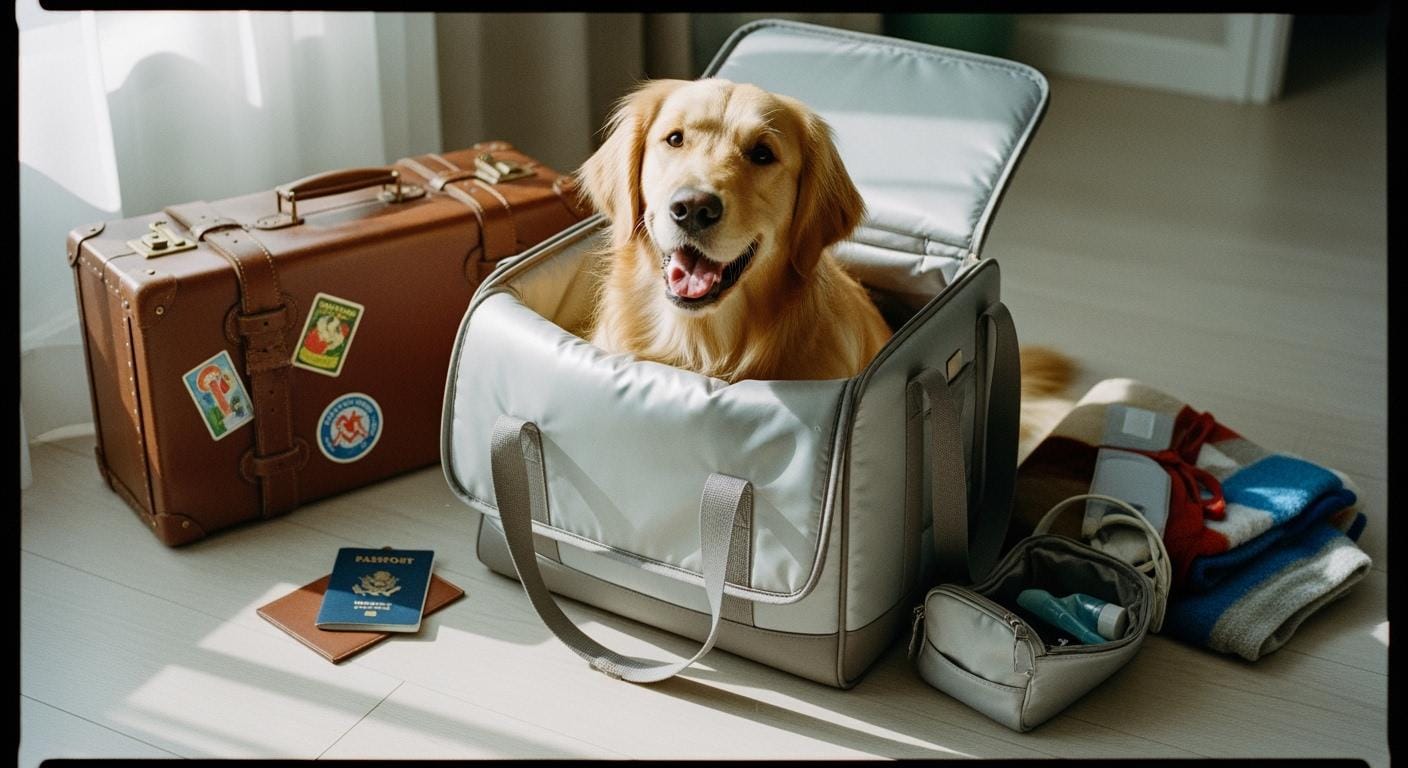
Body length, not weight, decides carrier fit for short-legged dogs. A rigid flat base lets a long-bodied dog rest flat; interior taper forces the spine curled.
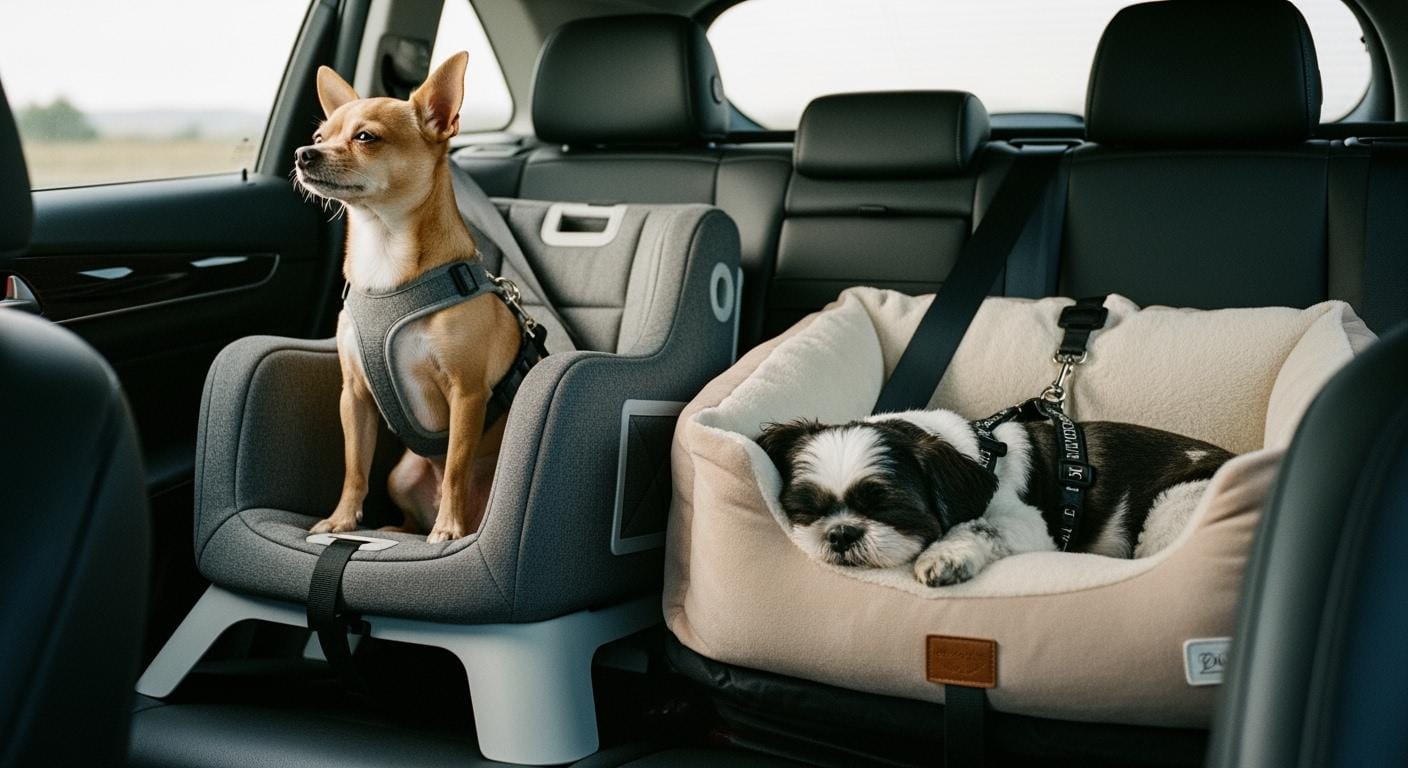
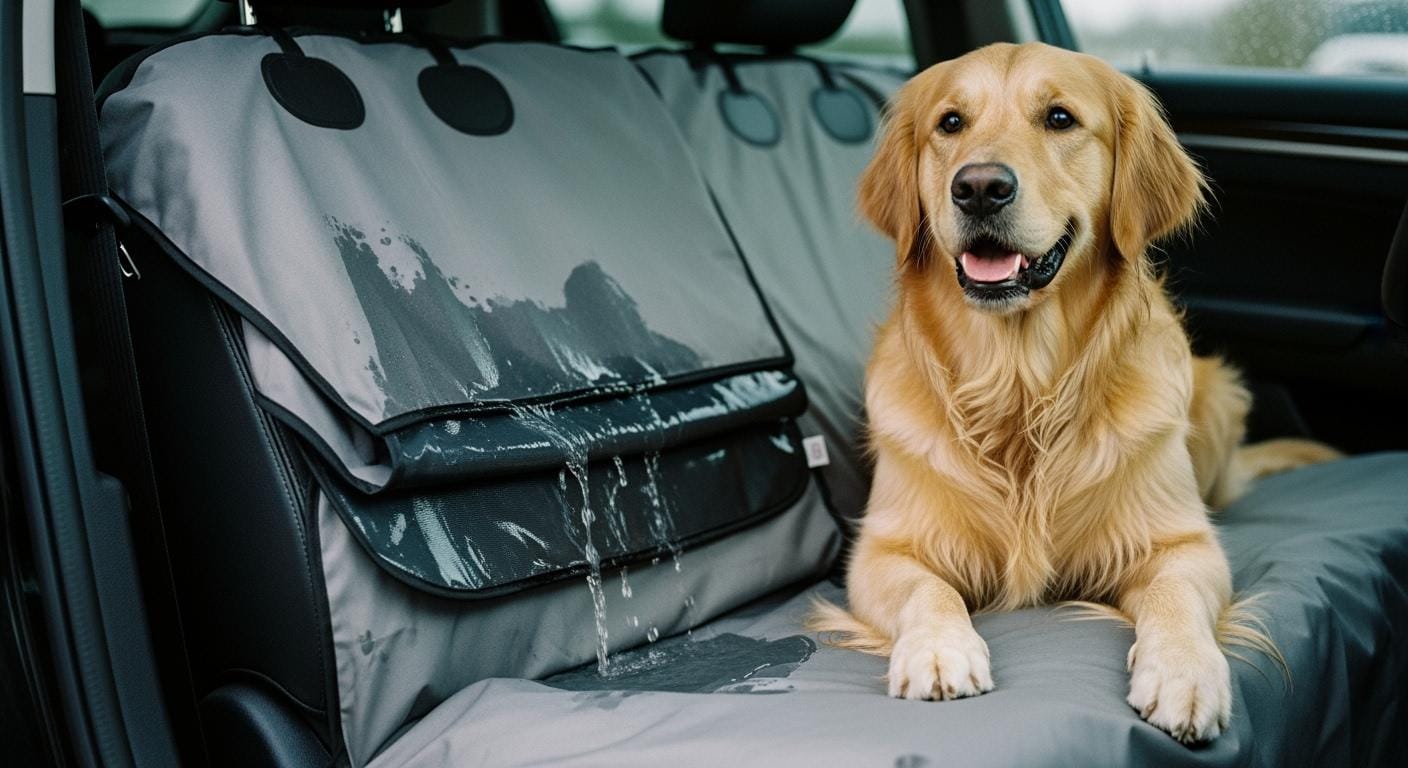
Firmer foam density and a rigid base resist the compression that flattens dog car seat cushions. Soft padding collapses at the center and edges first. Structured panels and reinforced seams determine whether a seat cover holds shape trip after trip.
Stiff armhole edges cause dog life jackets to rub under the front legs. Soft binding, wider cutouts, and wet-stable straps reduce friction at the armpit crease.
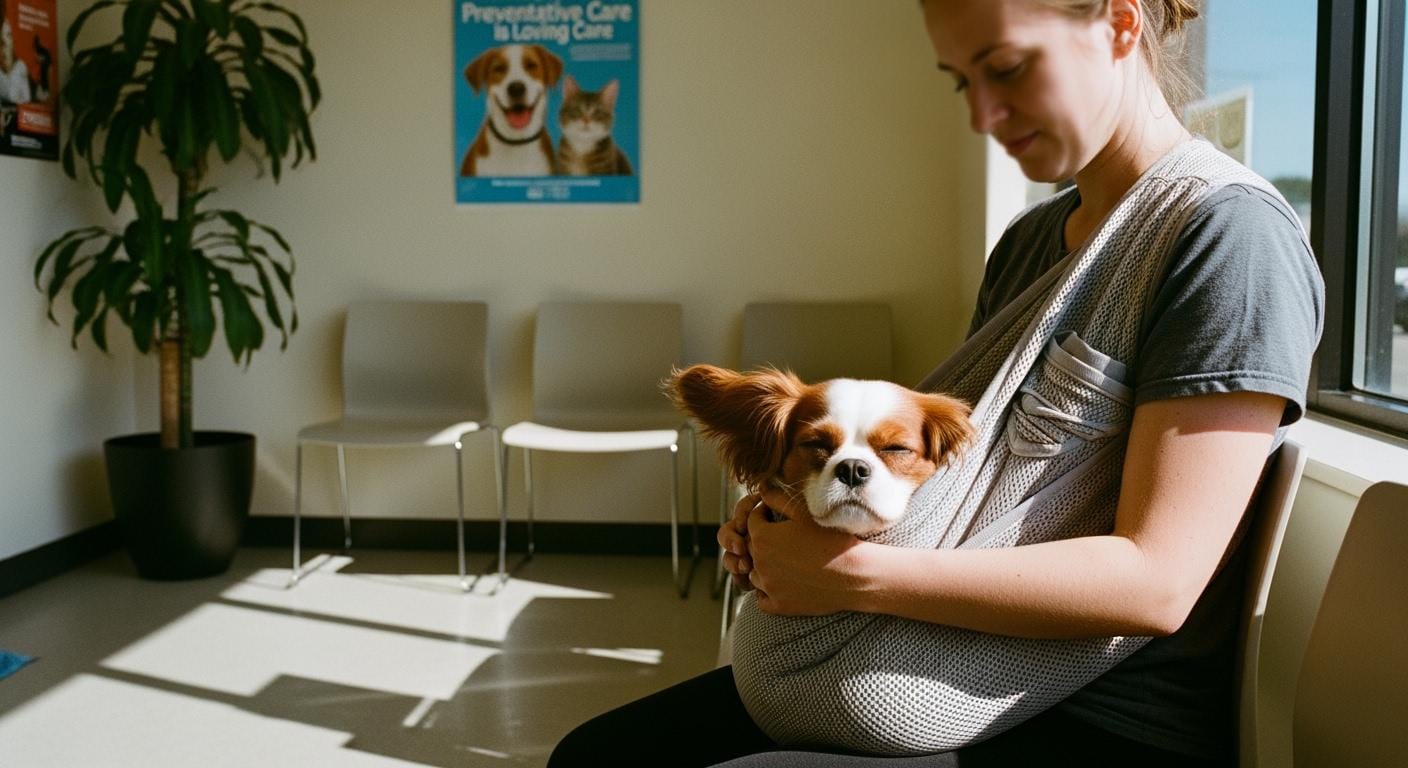
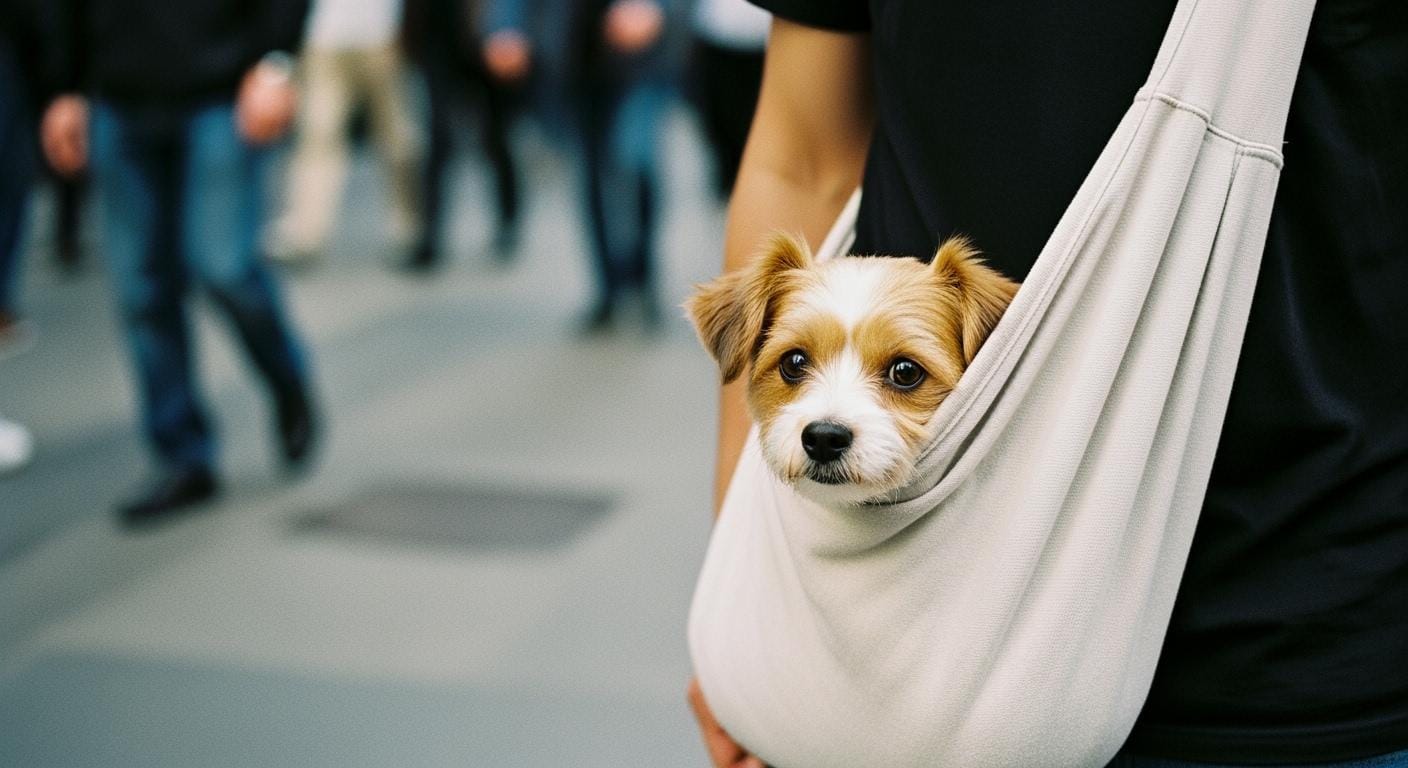
A close-body sling traps heat fast on summer vet trips. Mesh on two sides, a rigid base, and open-top access change how hot a dog gets and how fast you notice.
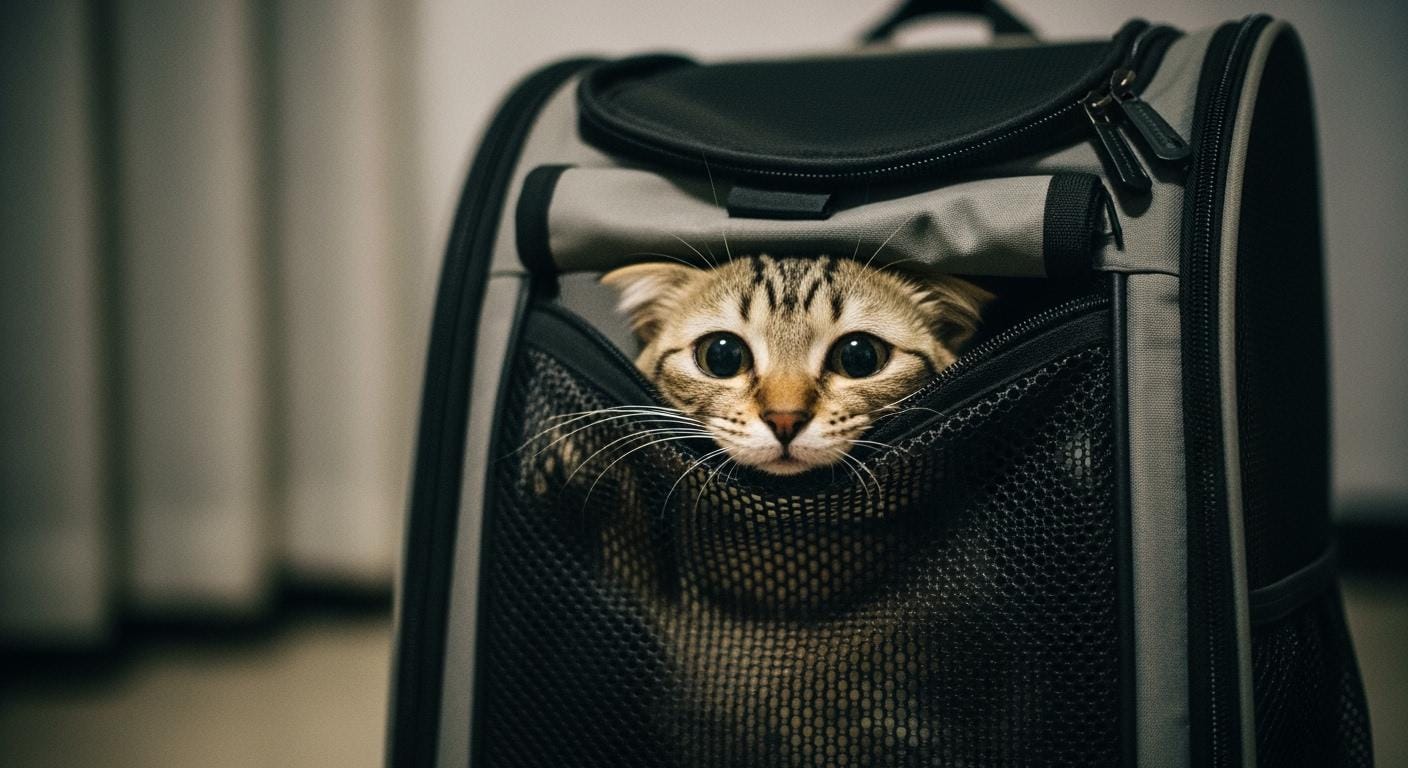
Mesh on a backpack pet carrier only works at pet-height. Low panels trap heat; large side mesh creates cross-ventilation. A rigid shape keeps airflow paths open when a pet lies down, not only when standing.
A raised booster seat with a stable base and defined sides keeps small breeds from sliding during turns. A soft bed cannot match that positional restraint.
When a sling opening sags below a small dog's center of mass, the edge becomes a pivot point. Stable rim construction and adjustable top closures change the carrier's structural behavior under load.
Stiff waterproof layers crack at fold lines after storage; flexible laminated backing resists crease stress. The material and bonding differences that determine whether a cover leaks.