Outdoor Dog Gear Insights for Pet Brands and Buyers
Welcome to the StridePaw blog. We share practical articles for pet brands, retailers, and distributors sourcing outdoor dog gear, with a focus on fit, materials, safety, travel use, and product selection across harnesses, leashes, carriers, car travel gear, and related categories.
Removability gets the cushion clean. Seam placement, padding fill stability, and a non-slip base determine whether it stays effective through repeated wash cycles.
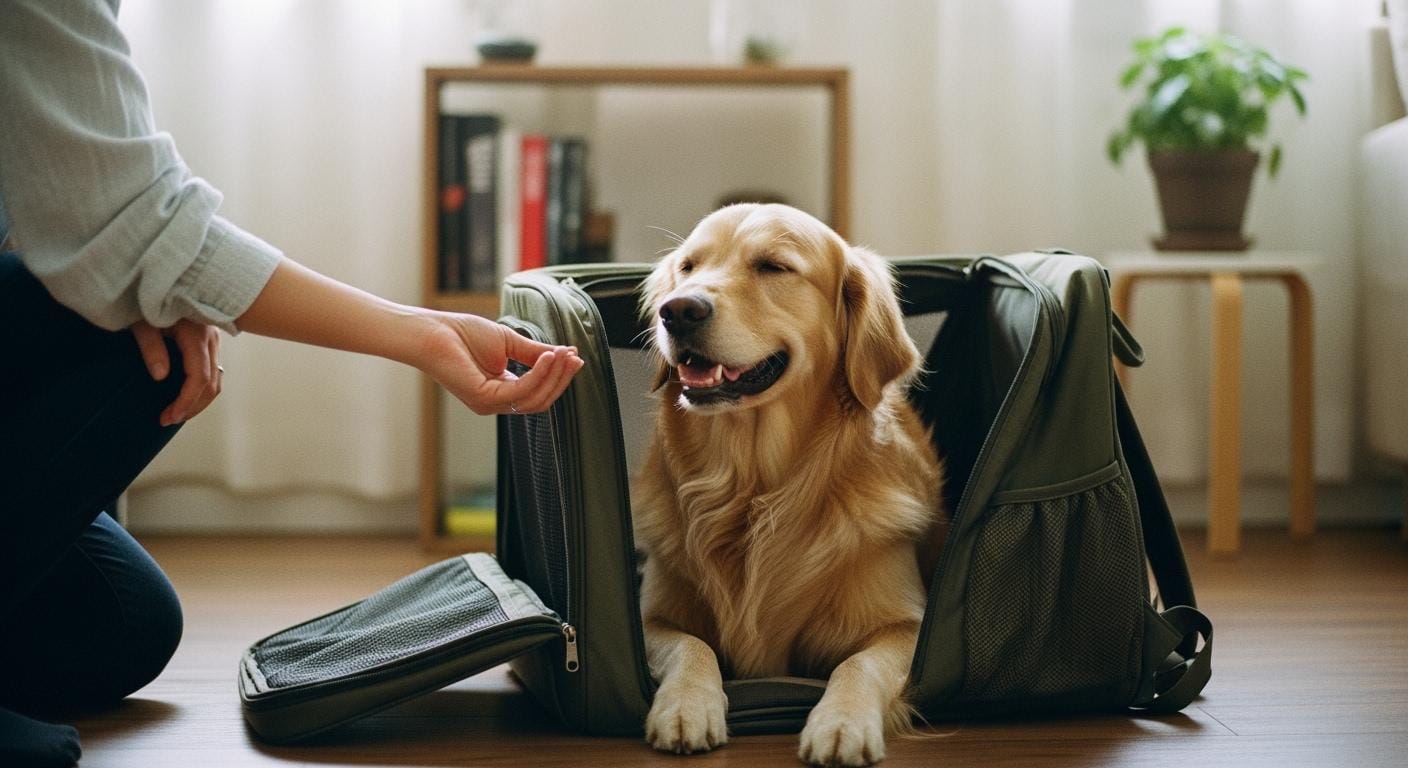
A side-entry carrier lets a dog walk into the space. The design differences that matter are entry angle, panel width, base stability, and closure security.
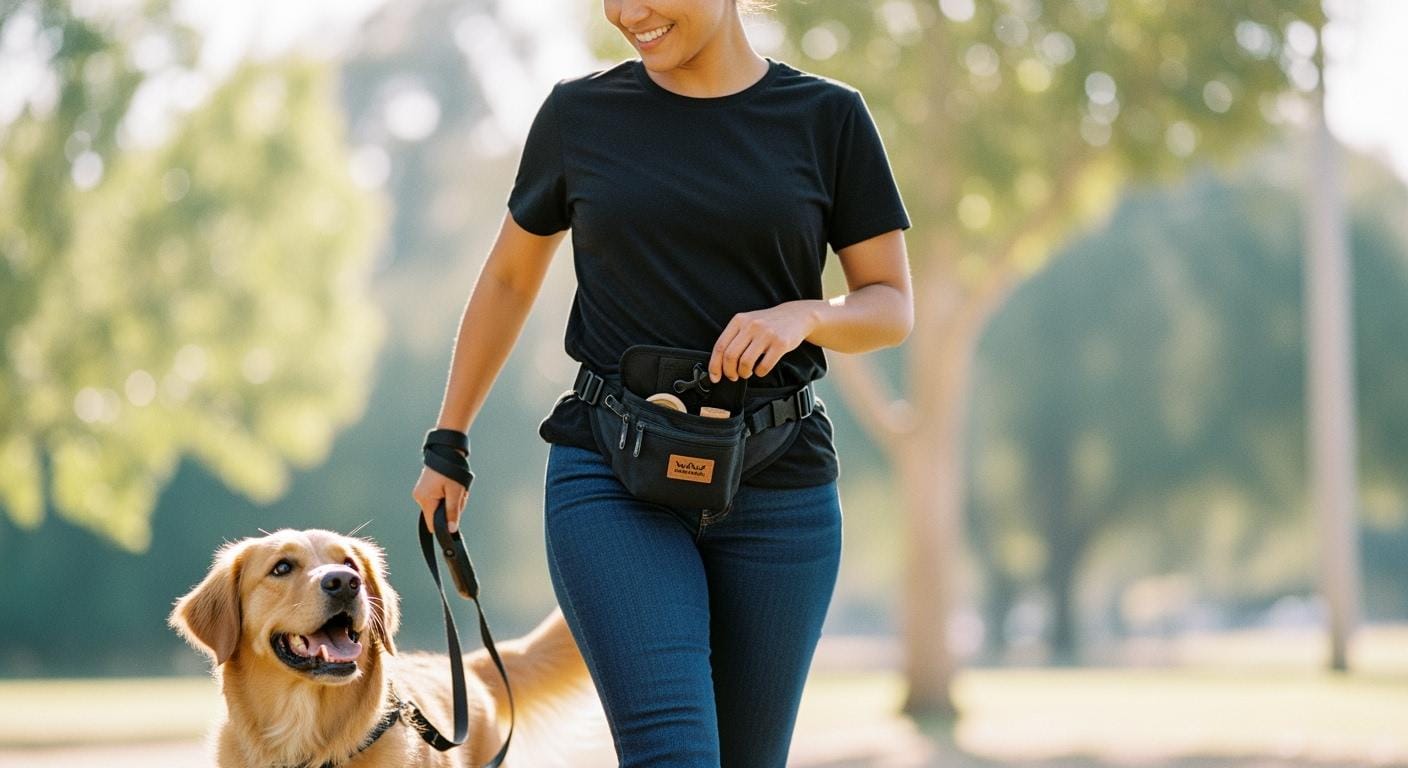
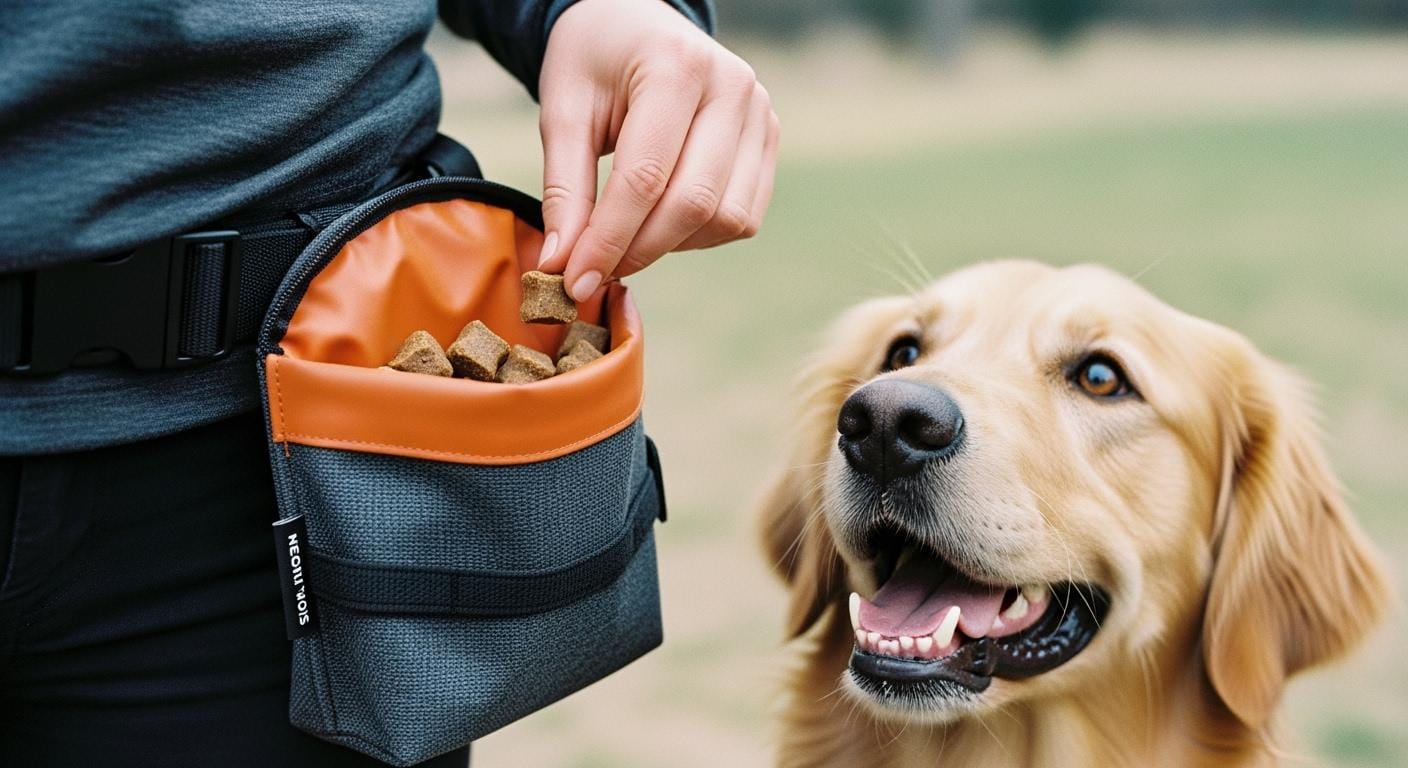
A closure that snaps shut after each reach and a deep structured body that resists collapse are the two design details that keep a dog treat pouch from spilling when you bend, jog, or crouch.
Side-reflective leashes catch light at angles face-only stitching misses. Edge-mounted reflectors widen the cone; stable webbing cuts swing during wide passing.
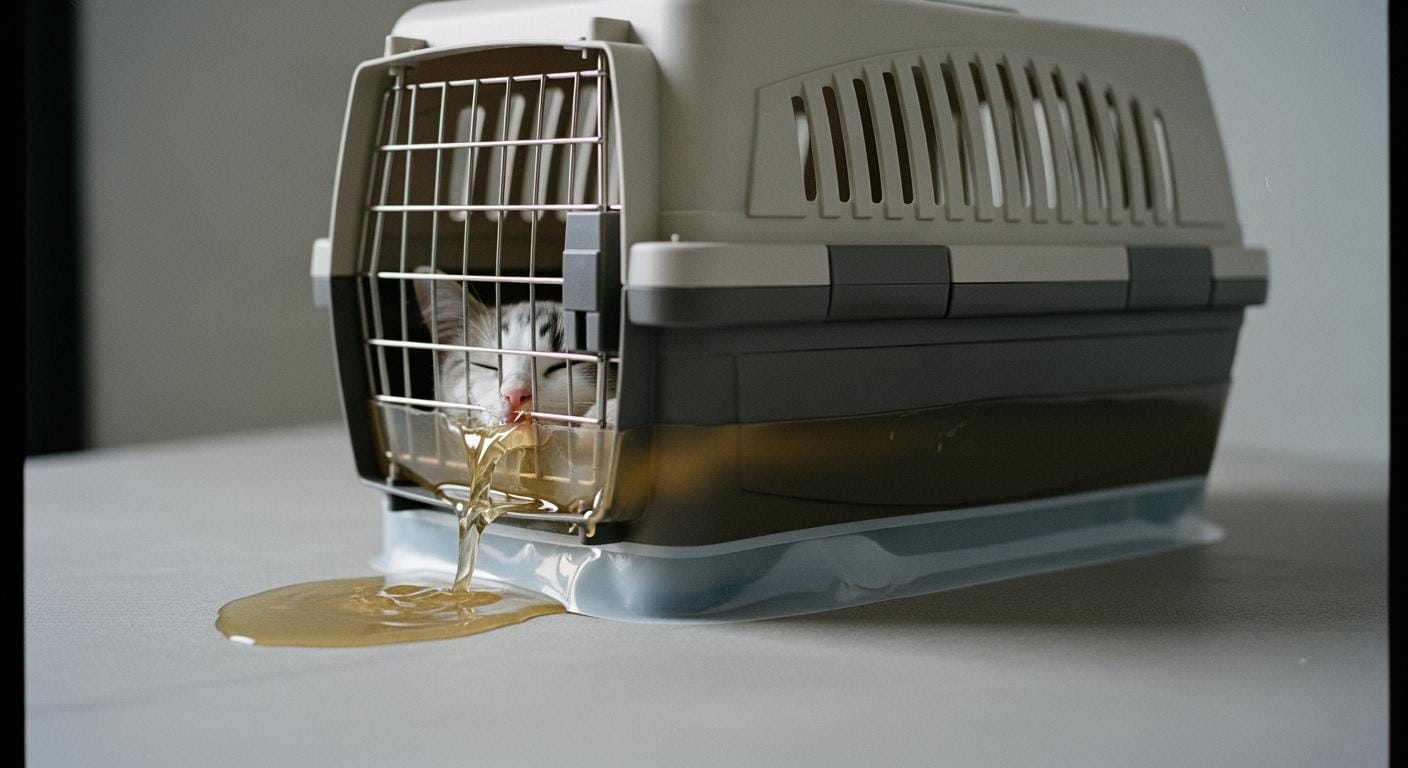
A waterproof base leaks when you tilt the carrier — liquid hits the sidewall seams. Raised edges, sealed stitching, and a snug liner are what stop that.
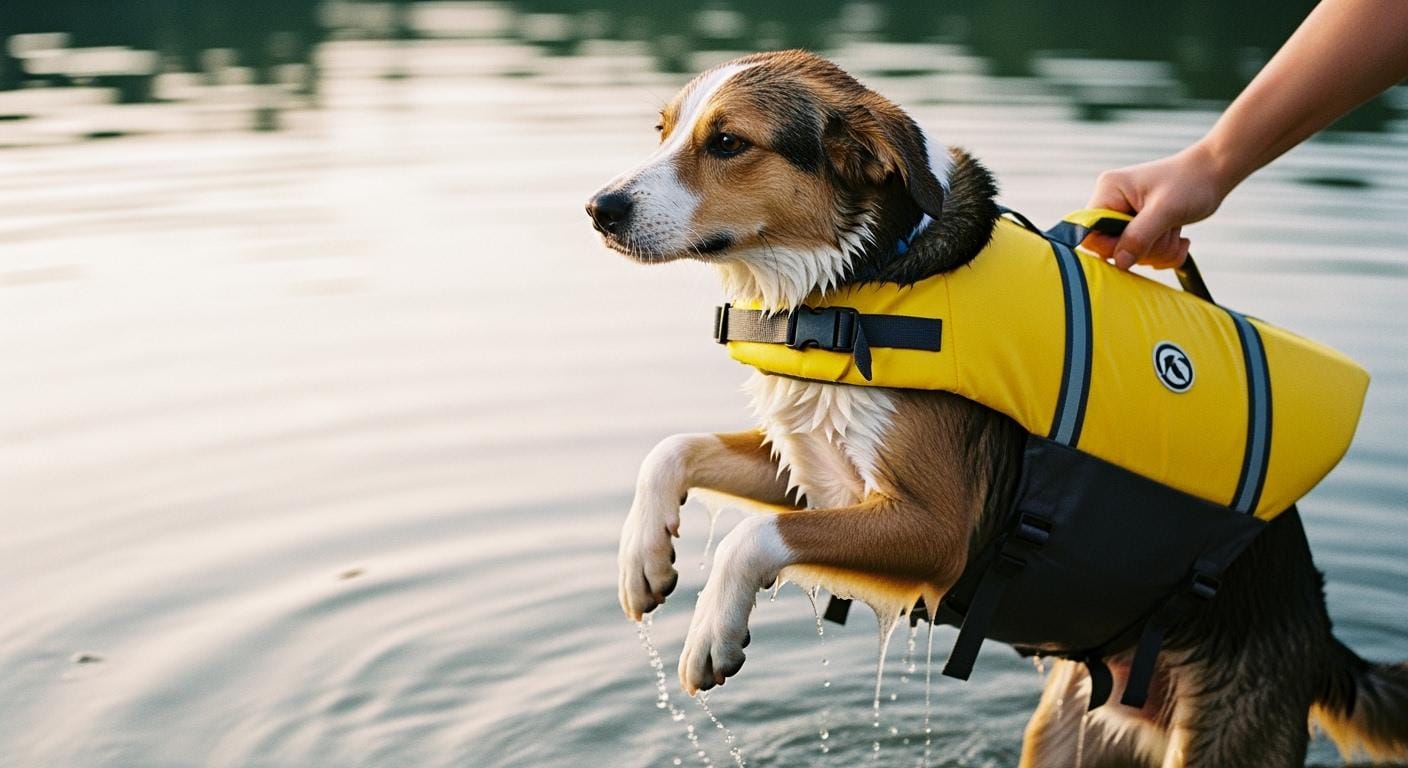
Handle placement on a dog life jacket changes how the vest behaves during a side lift. A centered handle tied into reinforced webbing distributes force across the vest — an off-center or surface-stitched handle rolls the jacket. The difference is in the load path, not the handle shape.
A downhill trail amplifies every pull. The right leash absorbs shock without delaying reaction time, and a traffic handle shortens reach in one motion.
A washable liner that pulls out during fast access slows reward delivery. Secured edges and a rounded interior change how a pouch resets between sessions.
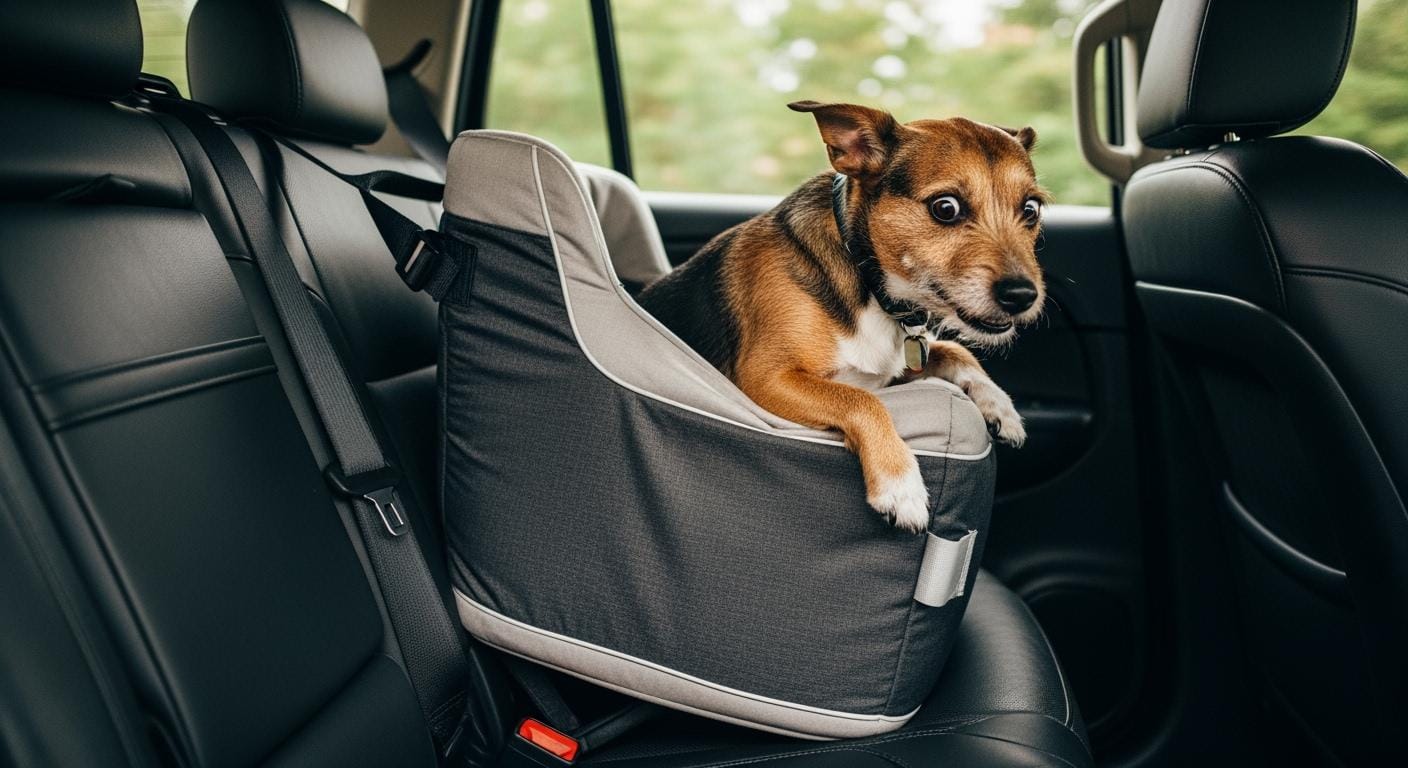
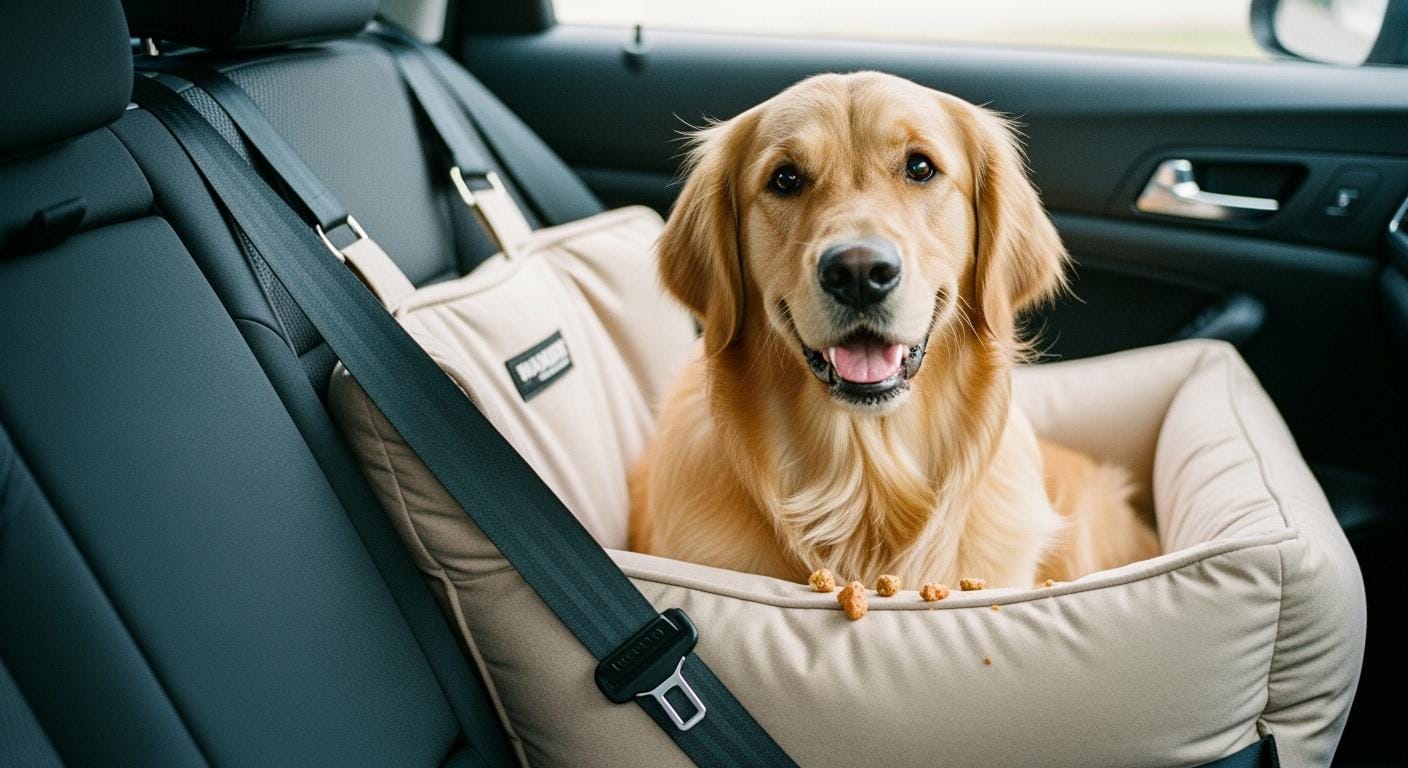
A flat reinforced base and lower firmer lift keep a small-dog booster seat steady on sloped SUV rear seats. Soft bases compress unevenly and make tilting worse.
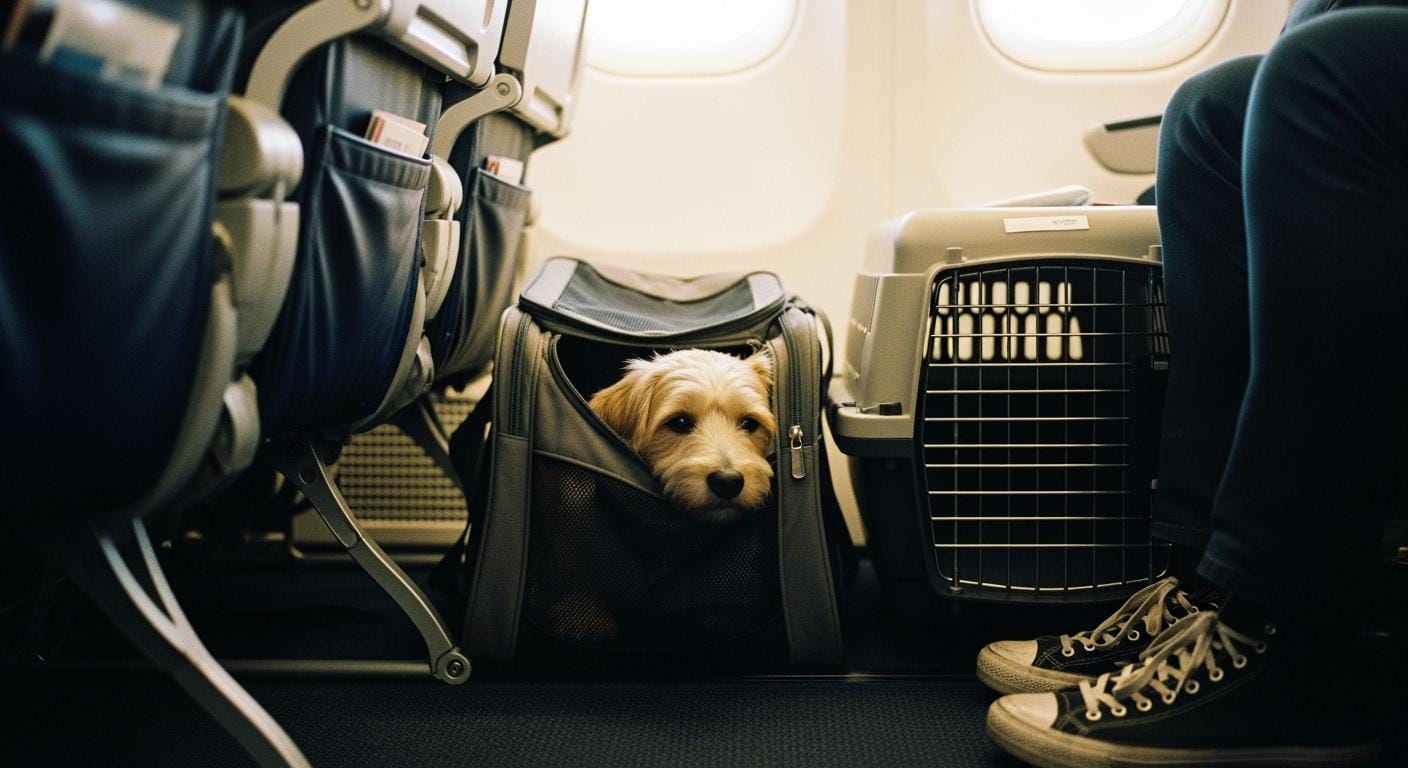
For a soft-sided carrier, under-seat fit is about controlled flexibility, not listed dimensions. Rigid tops block sliding; collapsing bases shrink space.
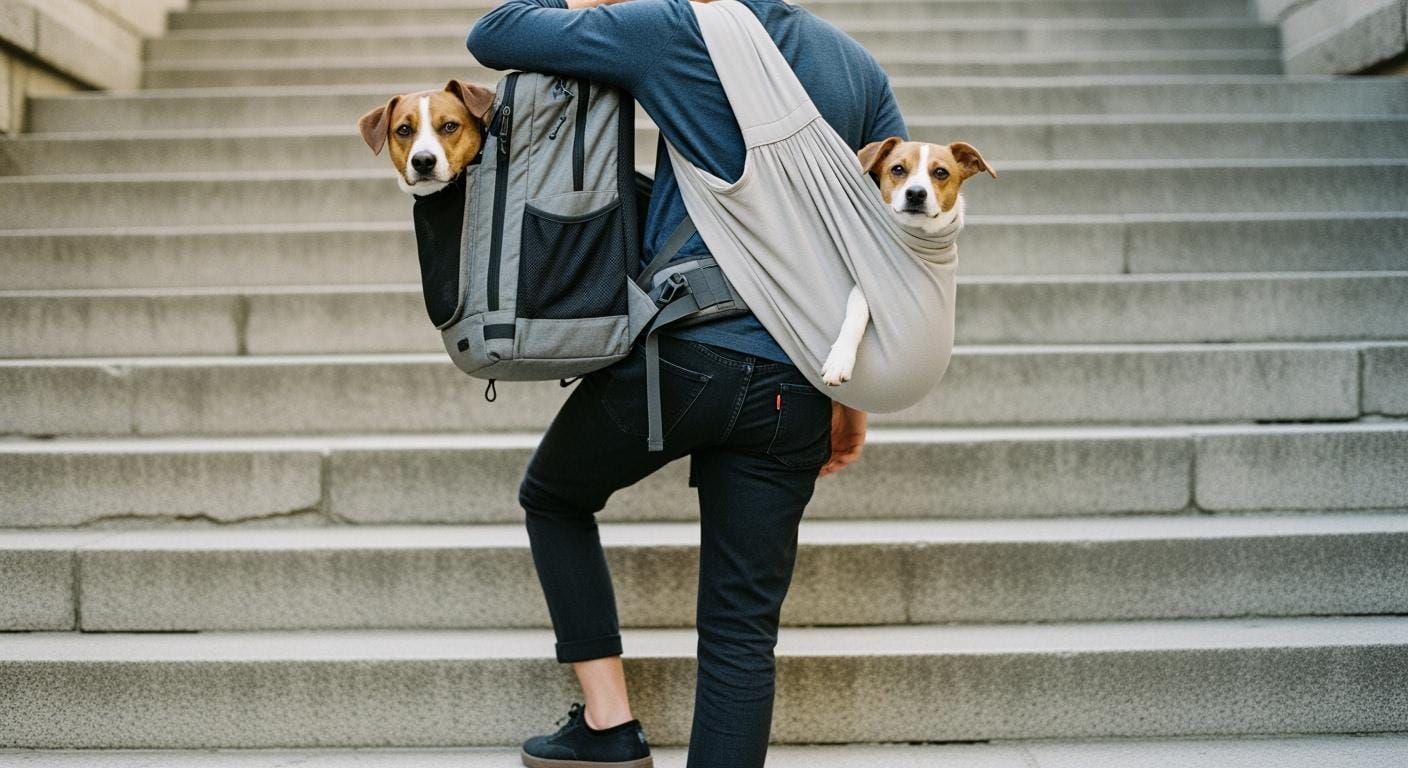
Sling carriers swing under movement; backpack carriers balance weight across both shoulders on a firm base. That load-path difference determines stability on stairs and through crowds.
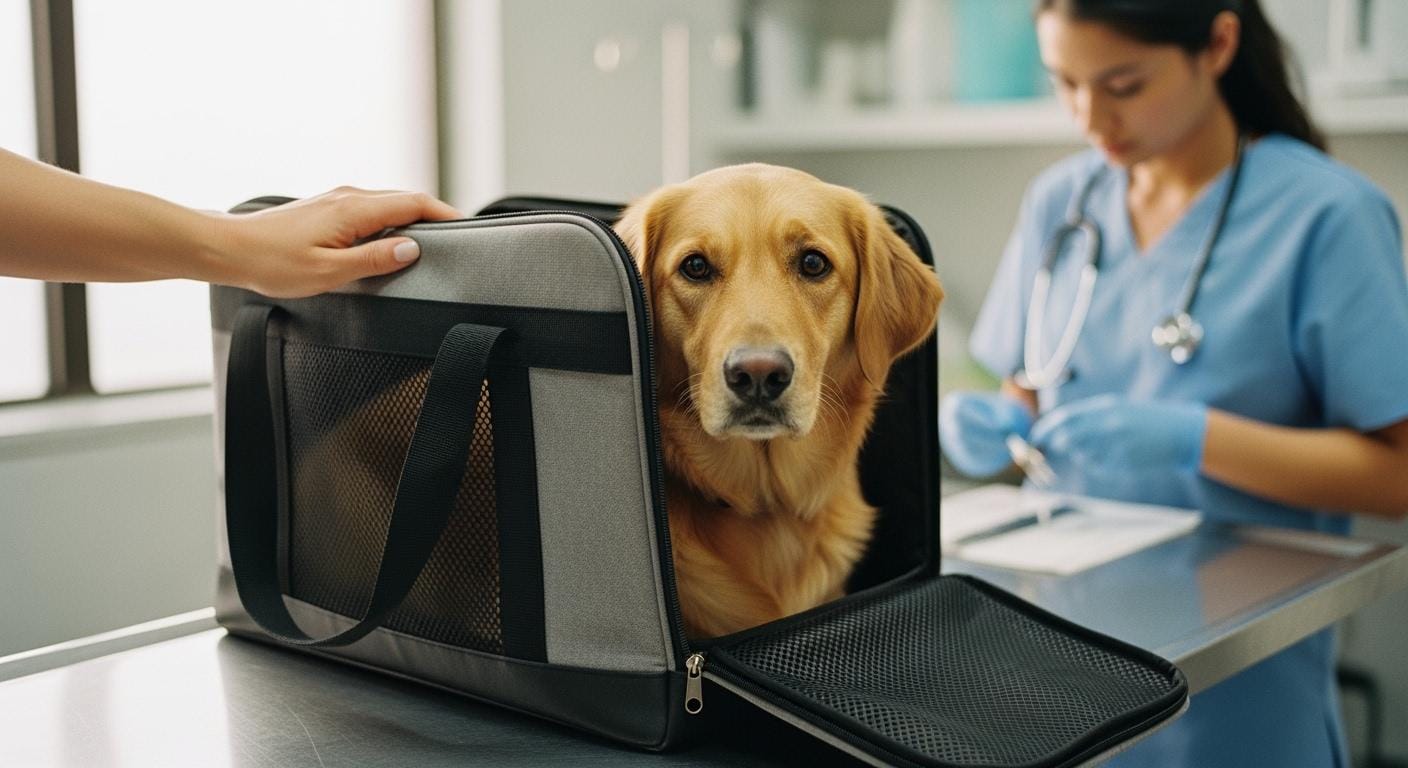
A carrier tote with a firm base and locking zippers changes how dogs handle vet waiting rooms. Soft bases sag under shifting. Wide tops invite escape. Structured walls and a firm base keep a dog contained.