Outdoor Dog Gear Insights for Pet Brands and Buyers
Welcome to the StridePaw blog. We share practical articles for pet brands, retailers, and distributors sourcing outdoor dog gear, with a focus on fit, materials, safety, travel use, and product selection across harnesses, leashes, carriers, car travel gear, and related categories.
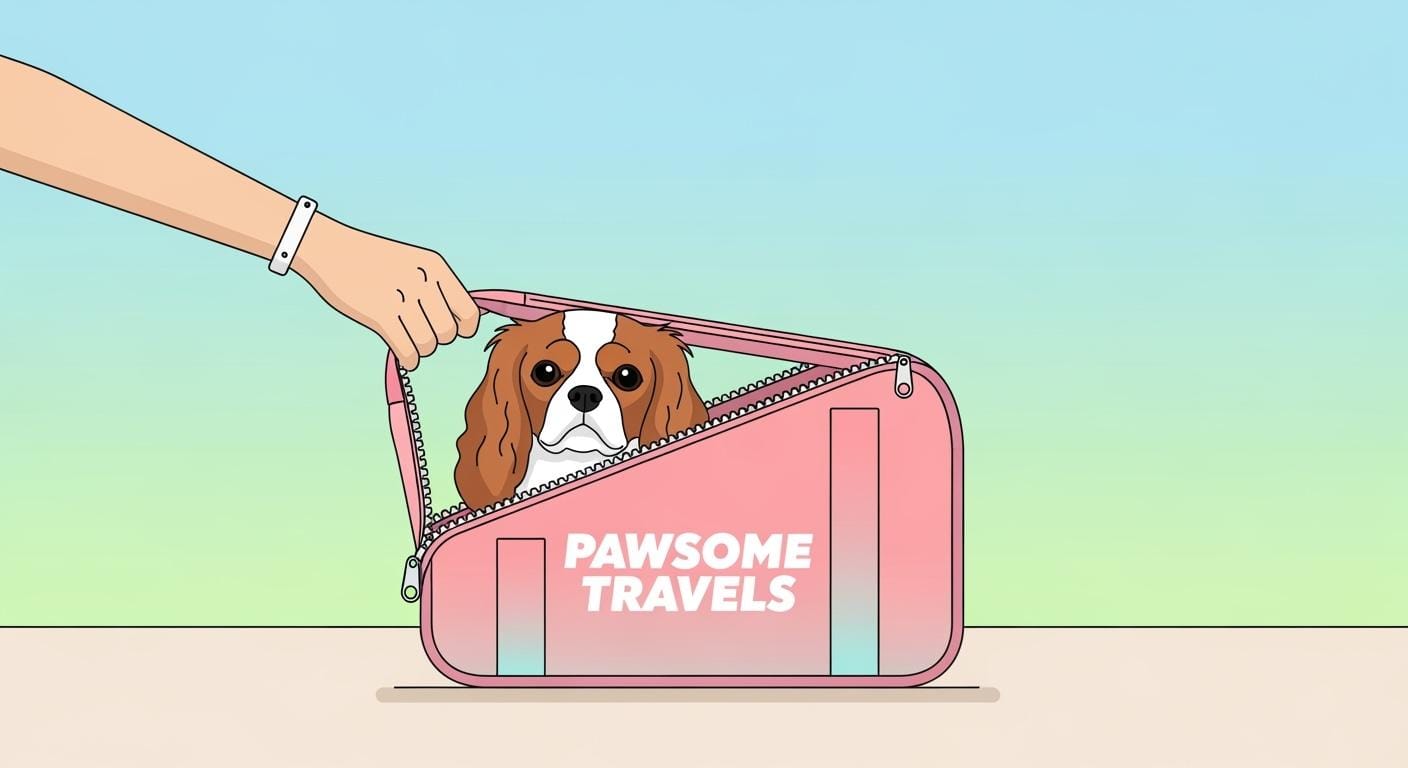
A tote carrier's zipper top changes how a small dog loads and stays put. Smooth closure arc, stable top edges, and wide entry shape each shift real-world handling.
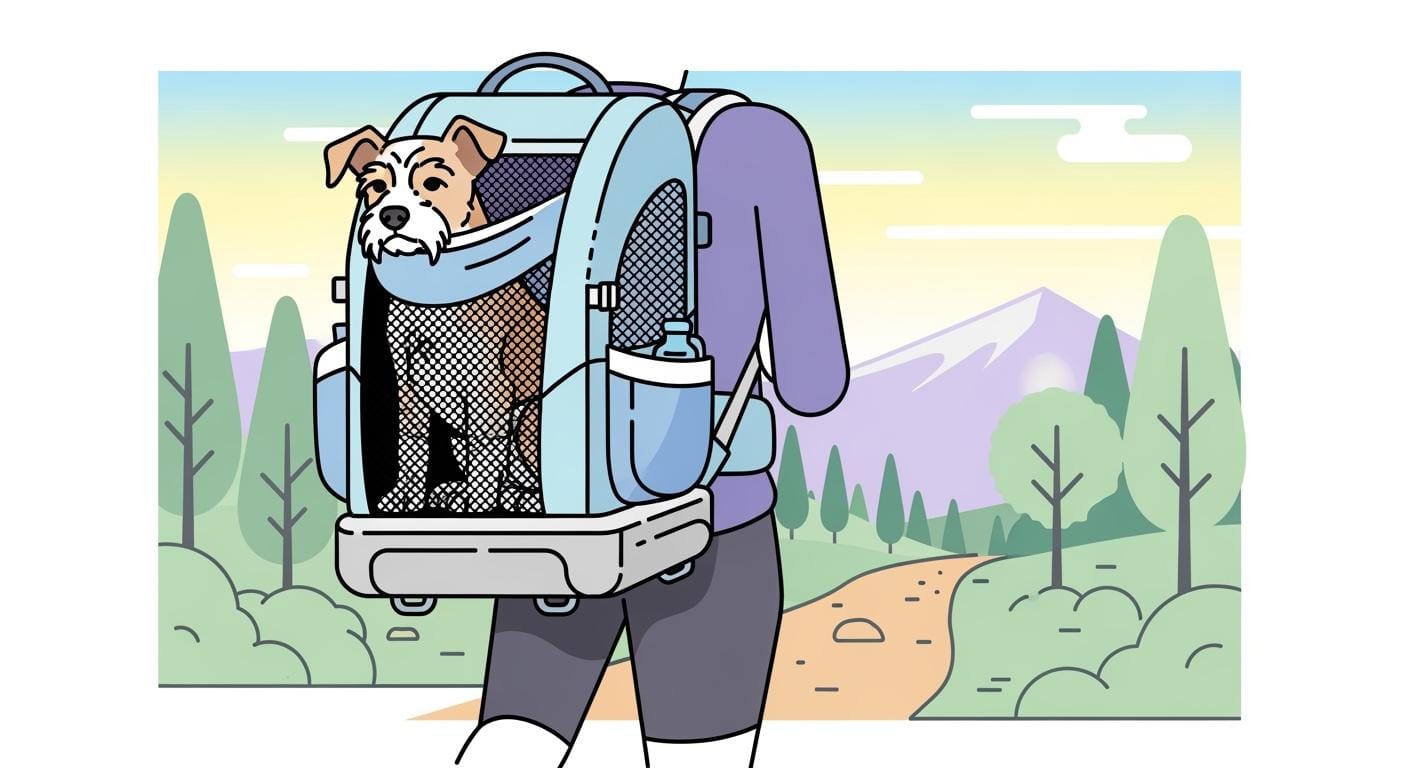
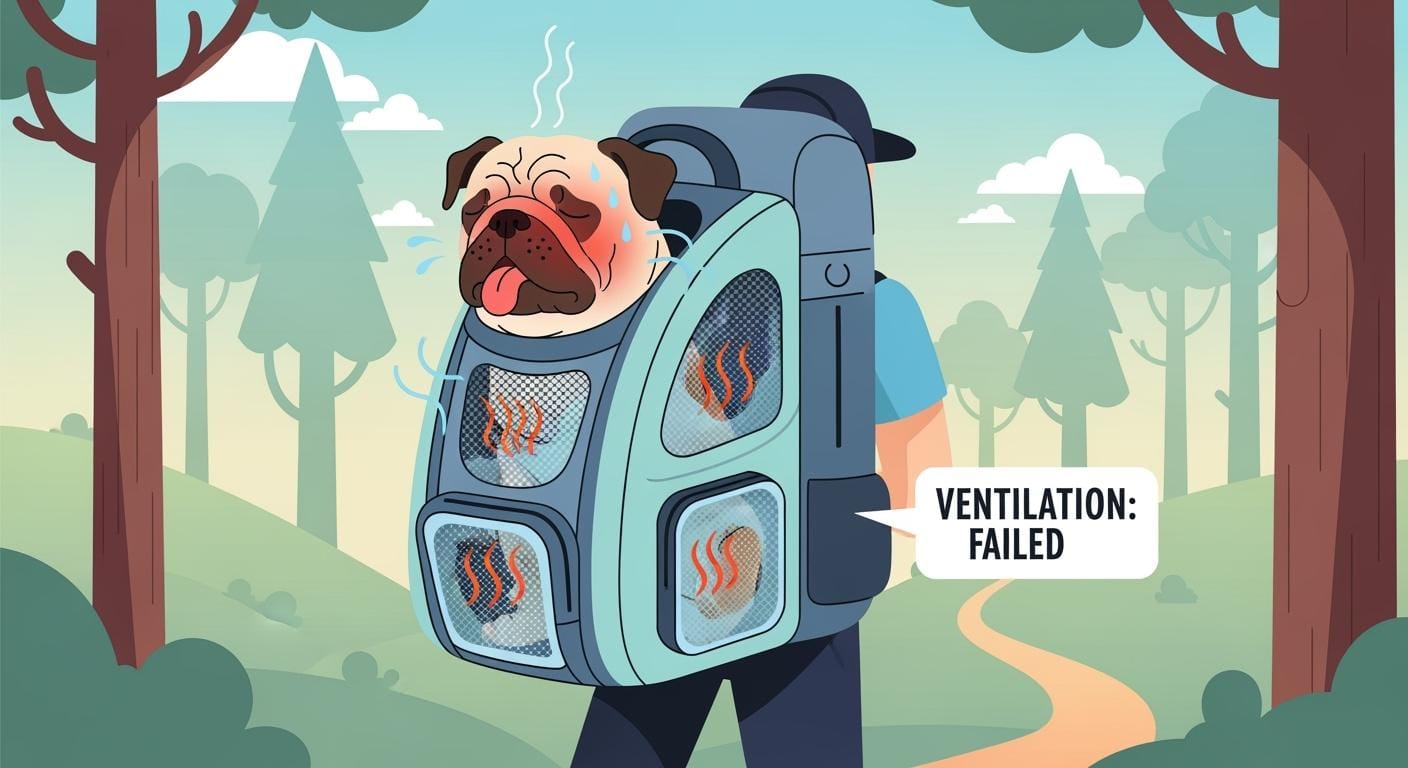
When a hiking carrier's base sags mid-trail, small dogs slump and slide into awkward positions. Multi-side mesh panels vent heat before panting starts. A structured interior stops weight shifts that strain shoulders on uneven ground.
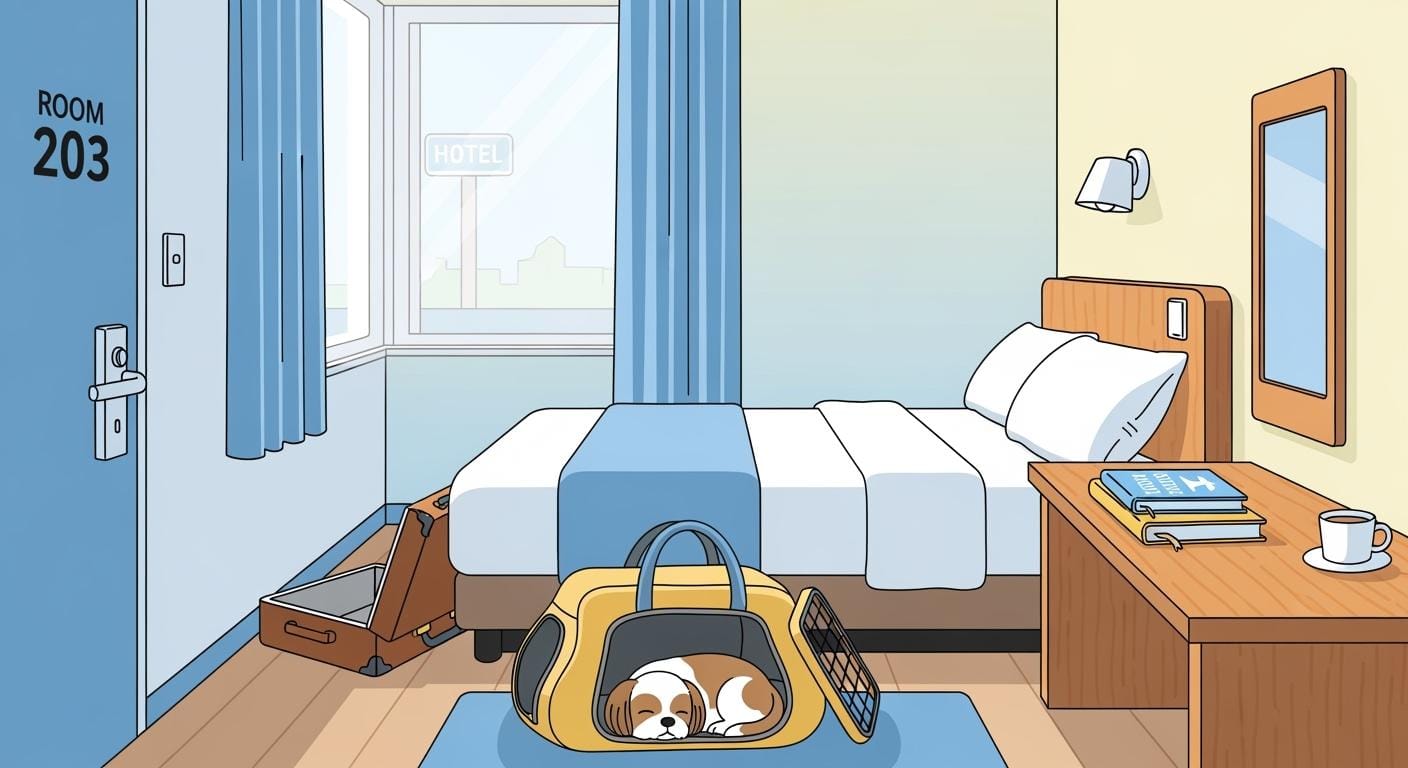
A leak-resistant base stops wet paws from staining hotel carpets. Soft-sided panels stay quiet in hallways at night. A foldable frame slides under the bed. Three design choices that decide whether a carrier helps or hurts a hotel stay.
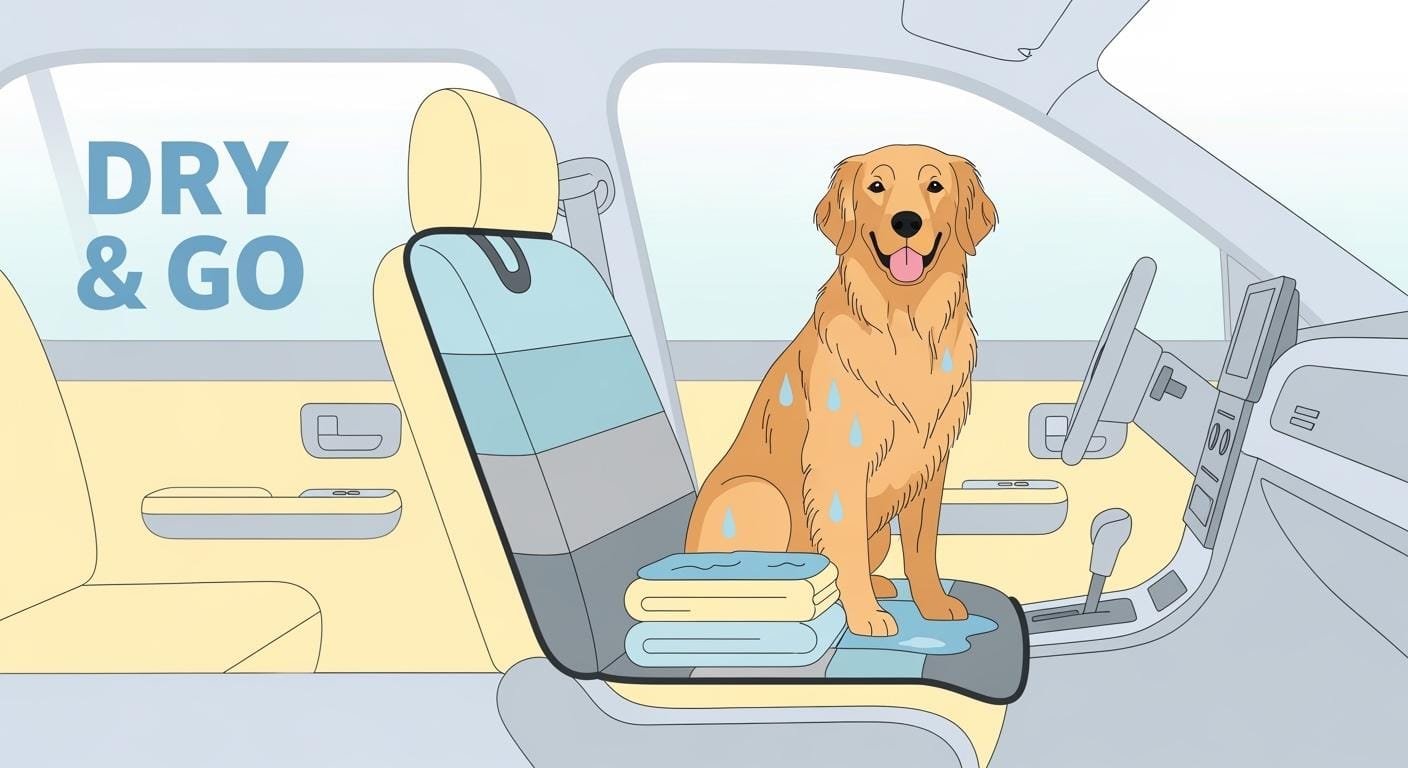
A car seat cover handles wet dogs when the surface repels water, the backing seals, and the padding sheds moisture. Drying speed follows the slowest layer.
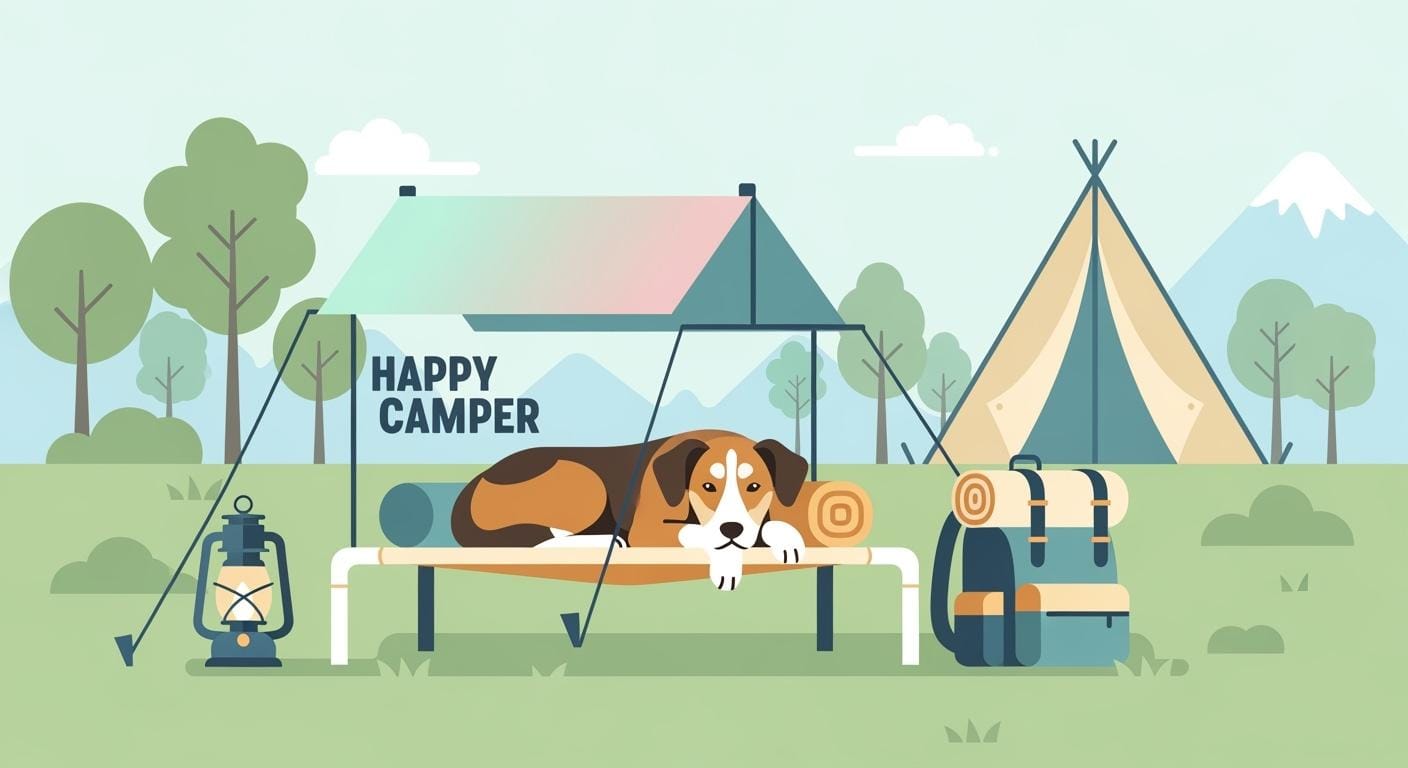
Wide feet stop an elevated dog bed from sinking into sand or loose dirt. Frame rigidity and firm fabric tension hold the surface flat — not thicker tubing.
A tunnel bed pairs a semi-covered shelter with an open mattress so bed-avoiding cats can hide or lounge freely — the two-mode design that regular beds miss.
Mesh quantity is not what keeps a dog cool in a hiking backpack carrier. Cross ventilation through opposing openings, a back panel air gap, and firm walls that resist collapse are what prevent heat trapping on trail.
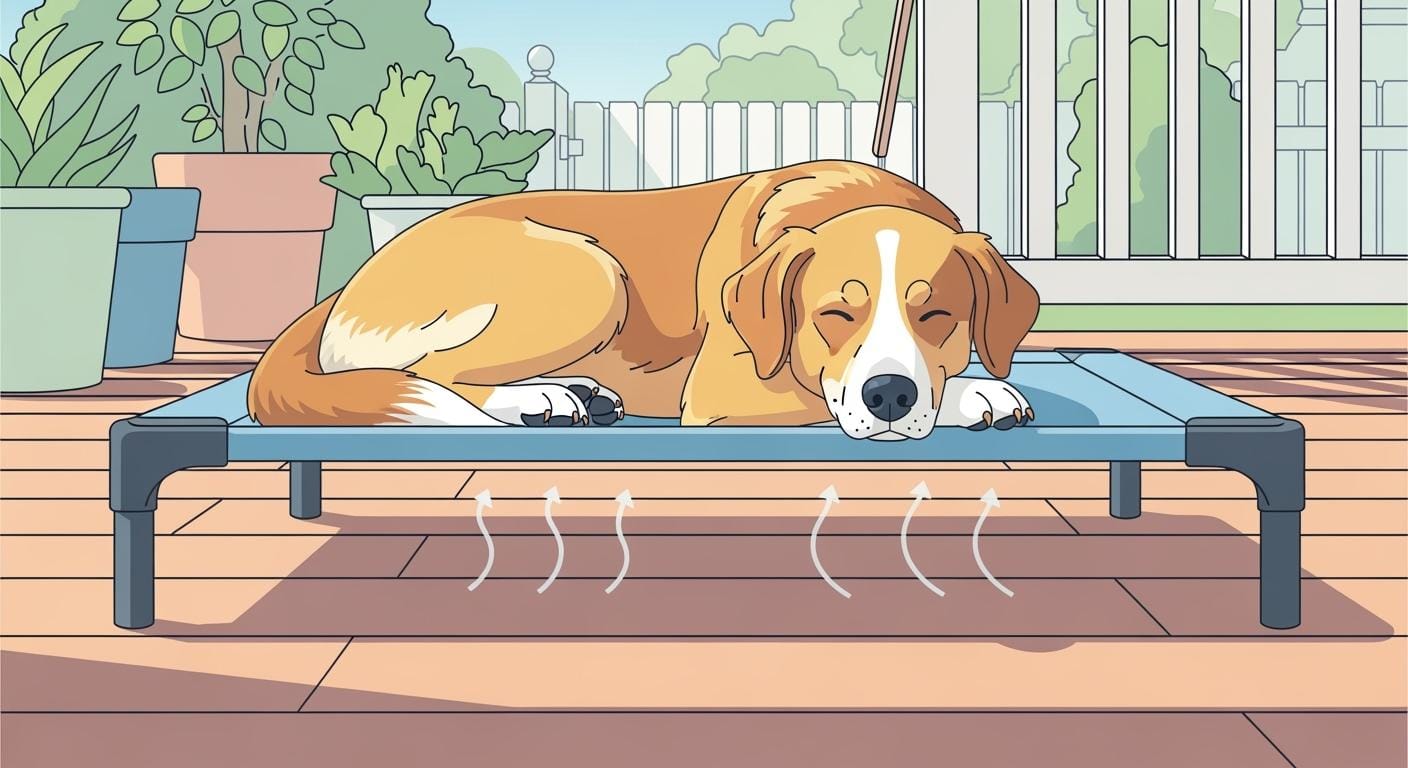
Flat beds on hot decks conduct heat into dogs. Raised frames reverse this: an air gap beneath the bed lets heat escape before it builds up under the dog.
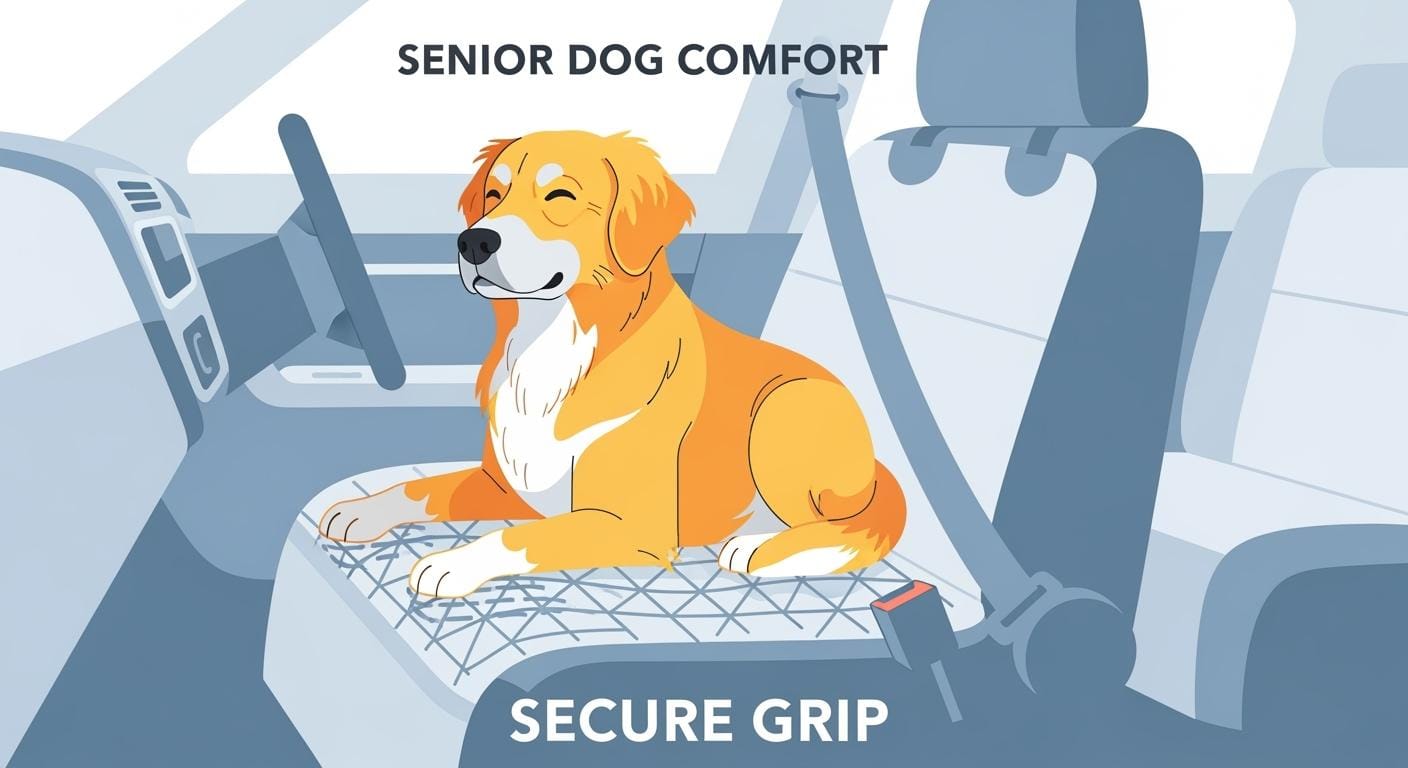
A textured surface and non-slip backing create the traction senior dogs need on car seats. Padding density, a rigid anti-bunch base, and edge-to-edge coverage each shift how safely an aging dog steps in and settles.
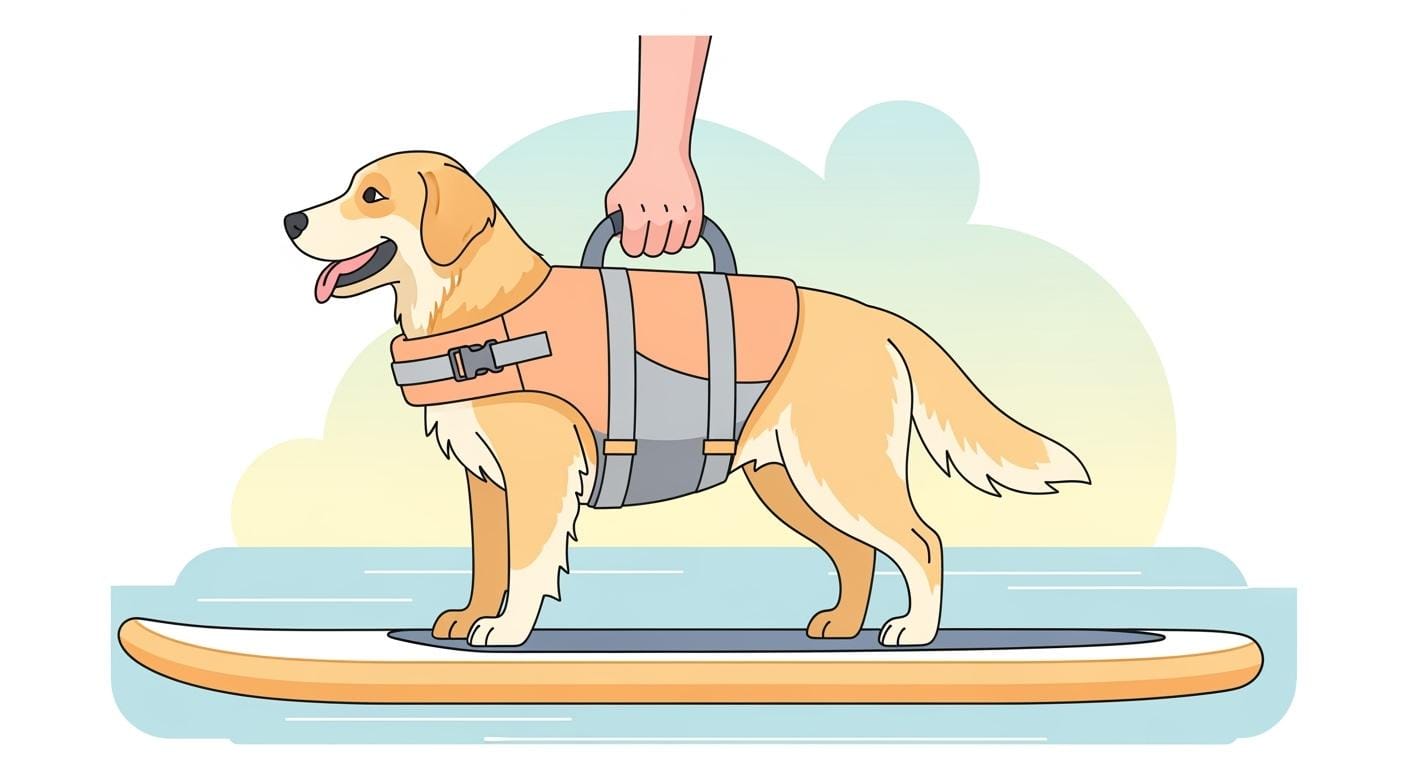
Handle anchoring decides one-motion lifting vs. a fight. Balanced flotation keeps dogs upright at the board. Low-bulk panels clear the edge. Three design differences that matter.