Outdoor Dog Gear Insights for Pet Brands and Buyers
Welcome to the StridePaw blog. We share practical articles for pet brands, retailers, and distributors sourcing outdoor dog gear, with a focus on fit, materials, safety, travel use, and product selection across harnesses, leashes, carriers, car travel gear, and related categories.
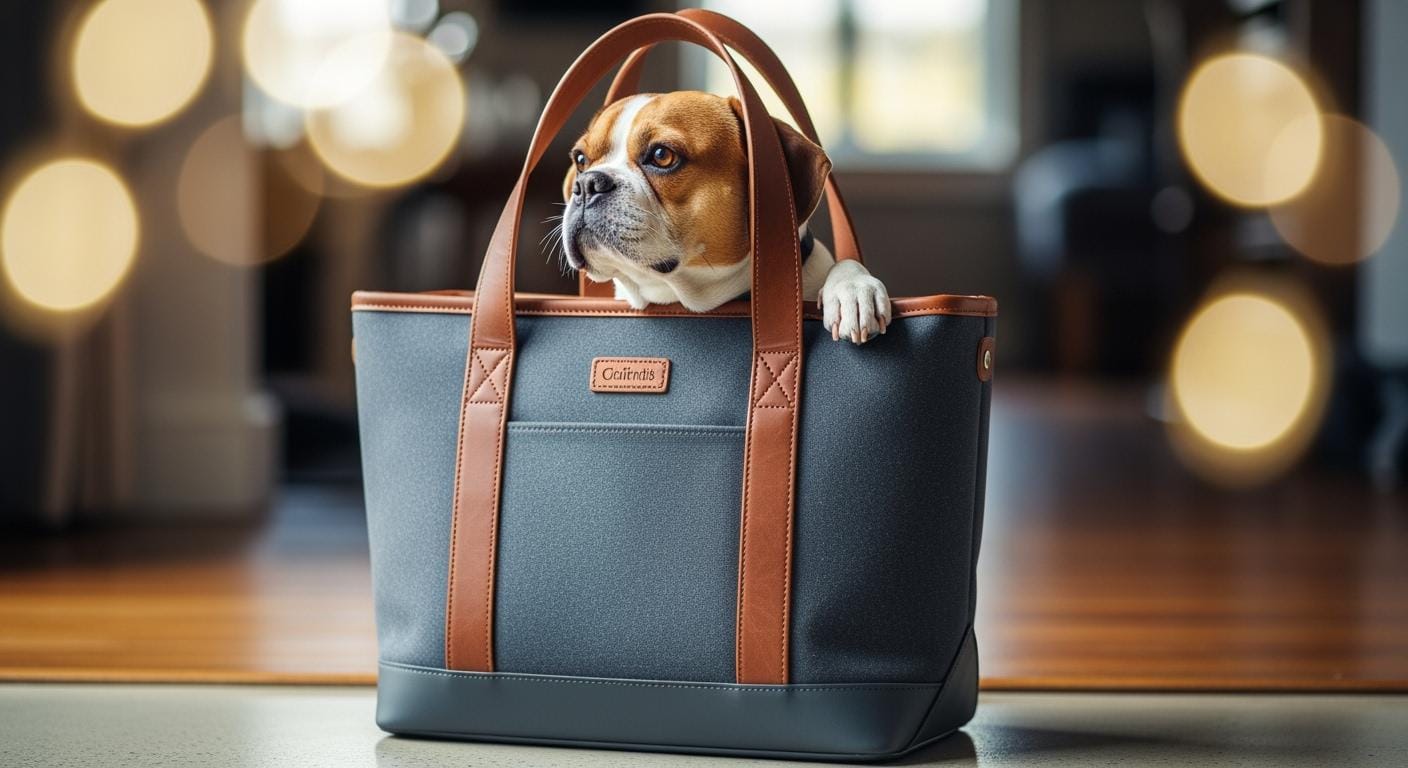
A soft-bottom tote carrier lets small dogs sink and slide. A rigid base with firm edge support keeps the floor flat. The fix is structural, not padding.
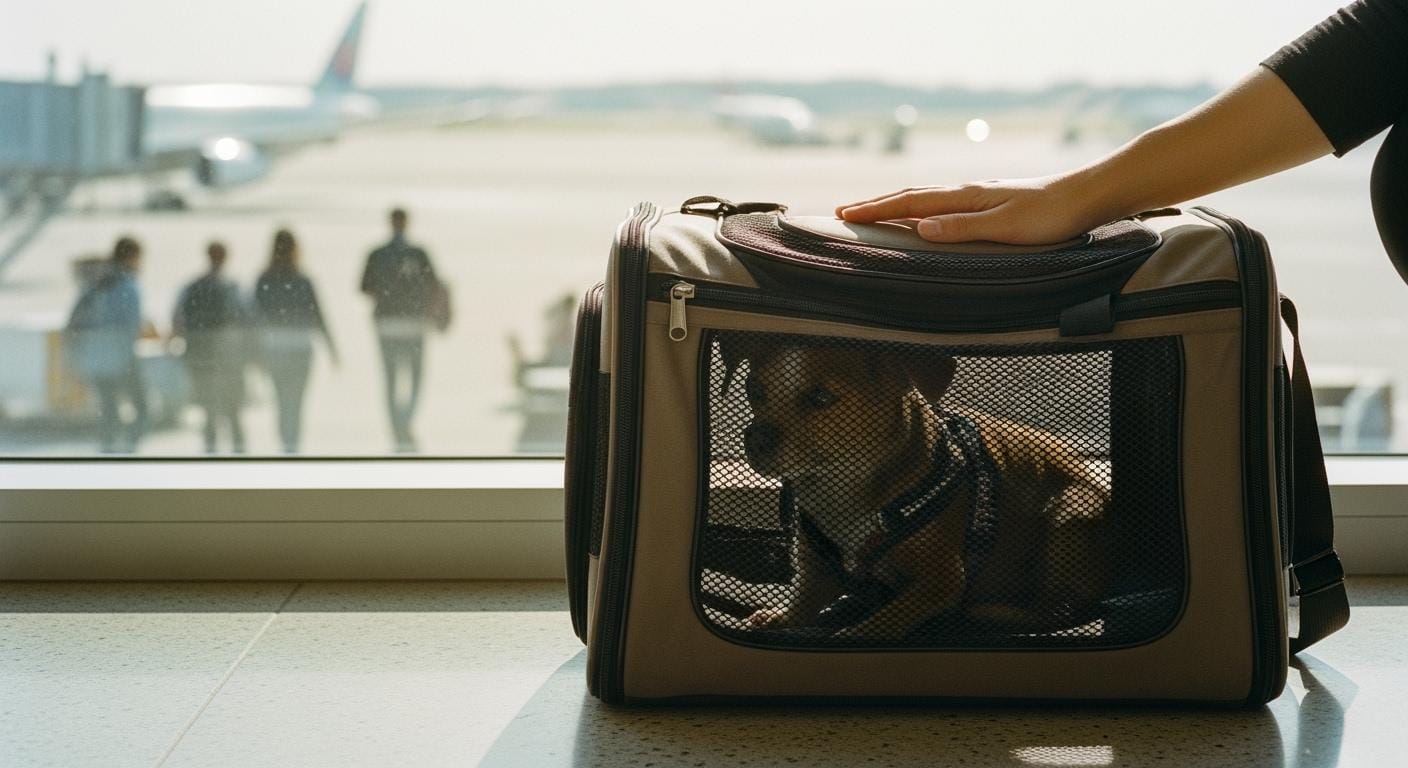
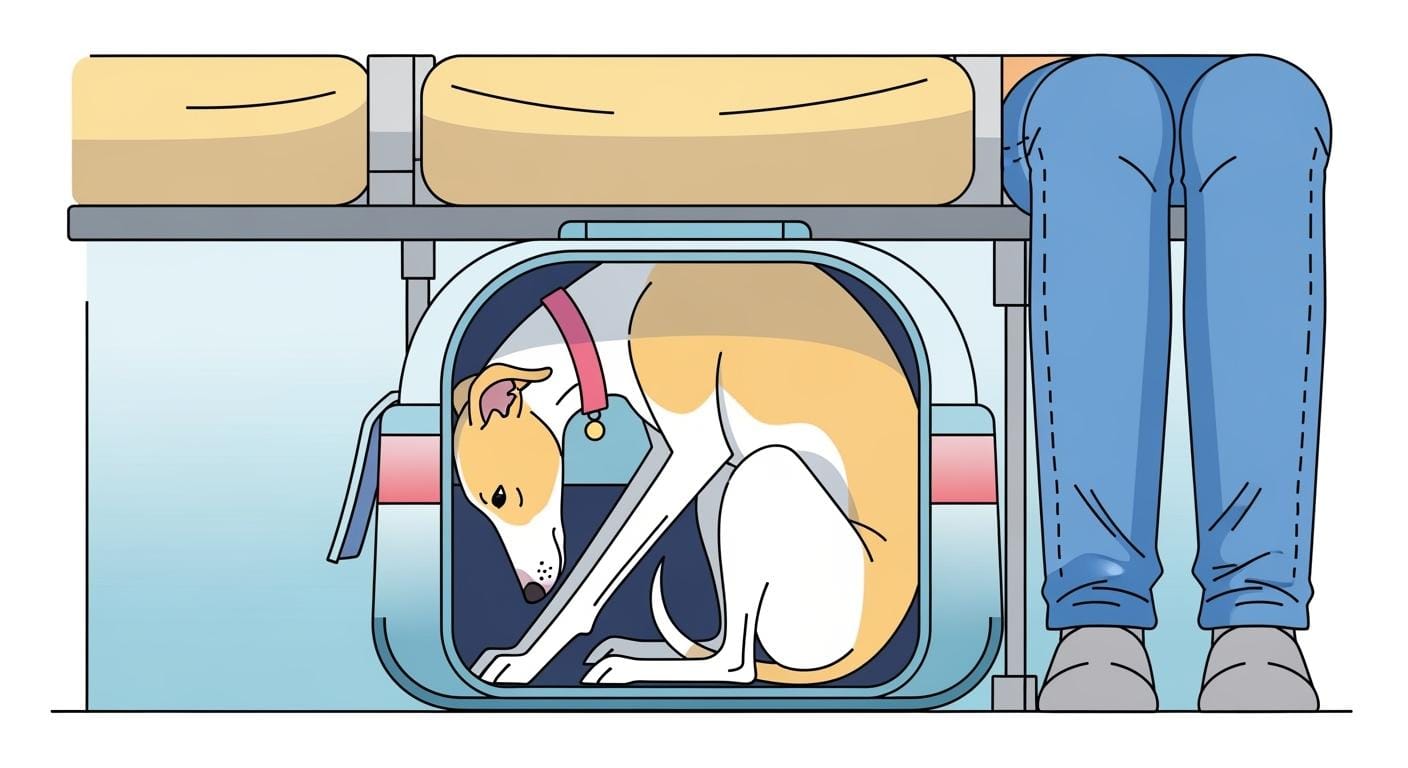
Nervous dogs push zippers and mesh at airports. Locking closures, reinforced edges, supported mesh, and a stable base keep openings shut under seat compression.
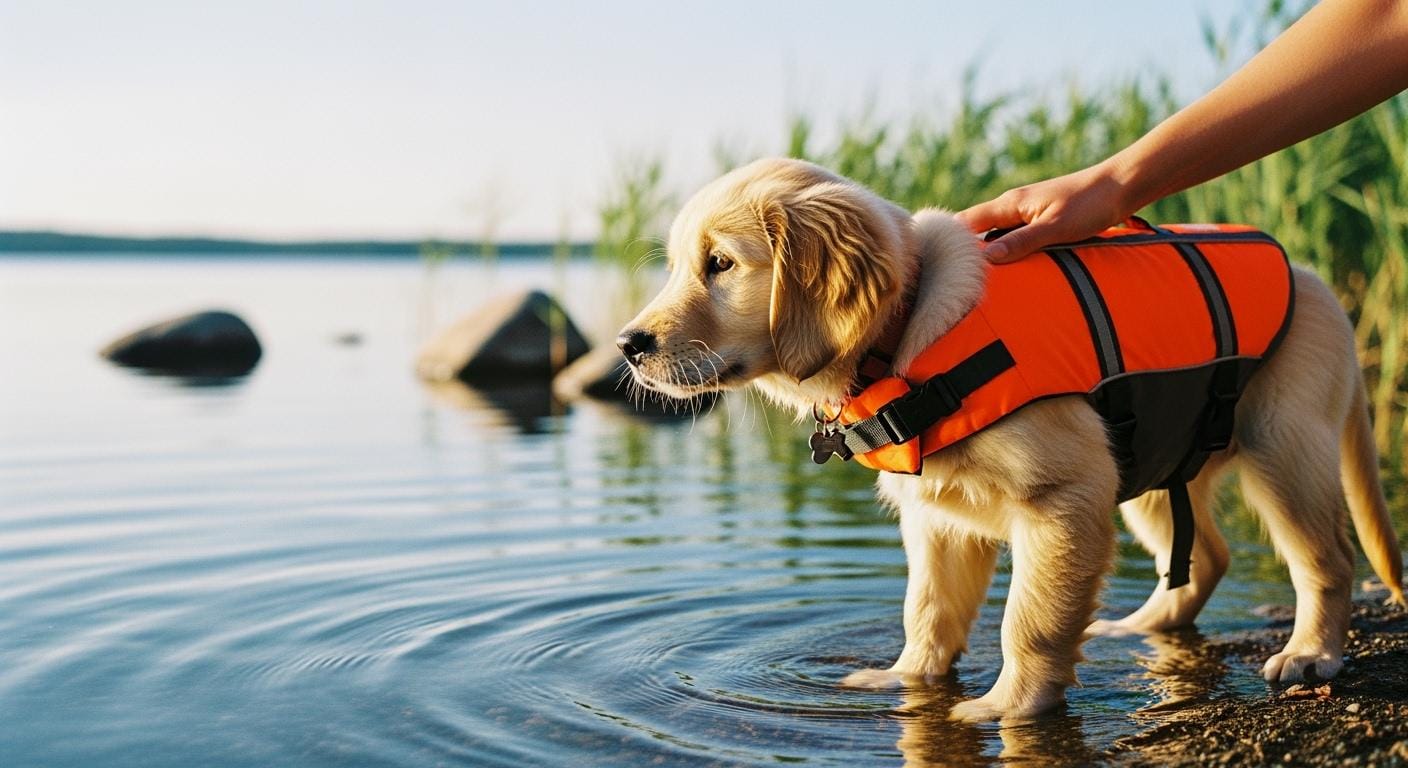
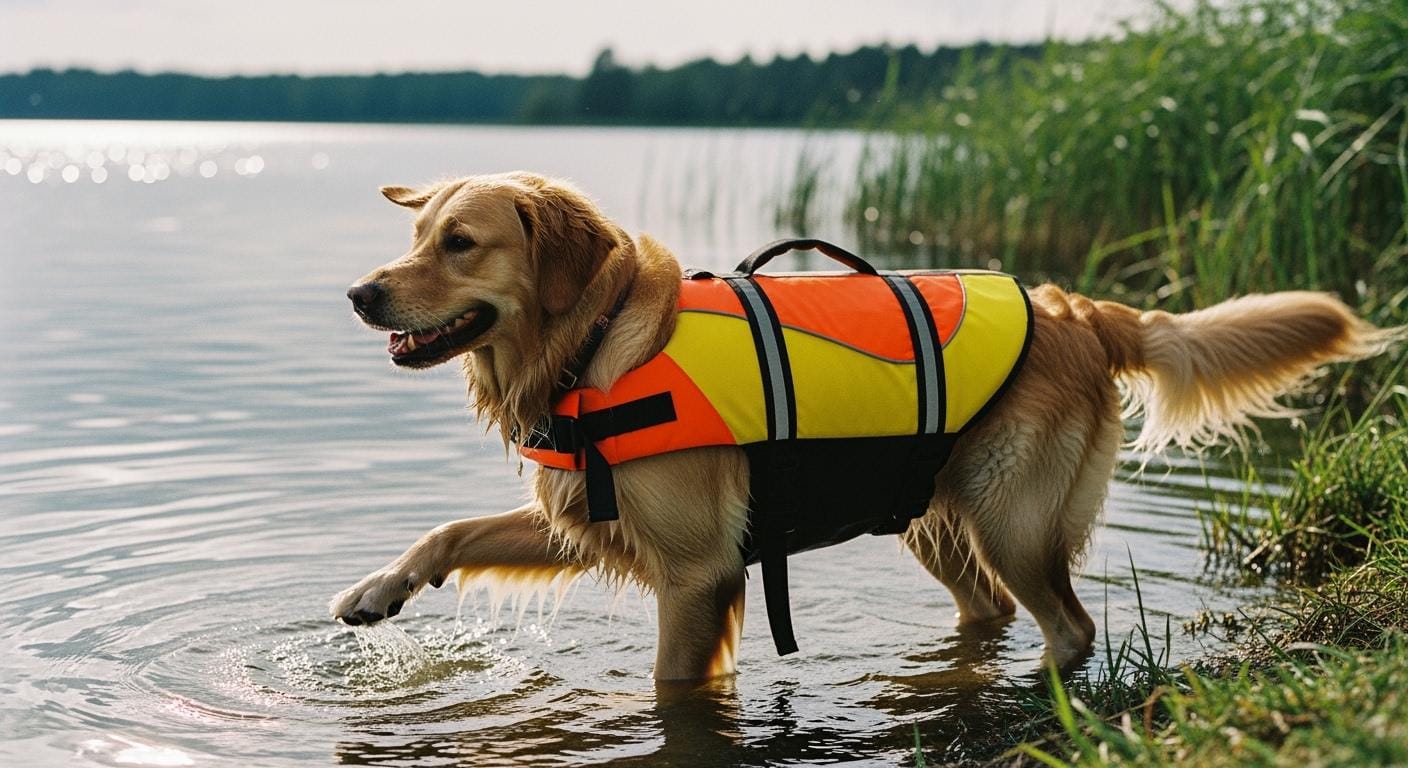
Buoyancy distribution, not just flotation, keeps first-time swimmers level. Unbalanced foam lets the rear sink, triggering panic. A secure fit and grab handle keep the vest from shifting mid-paddle.
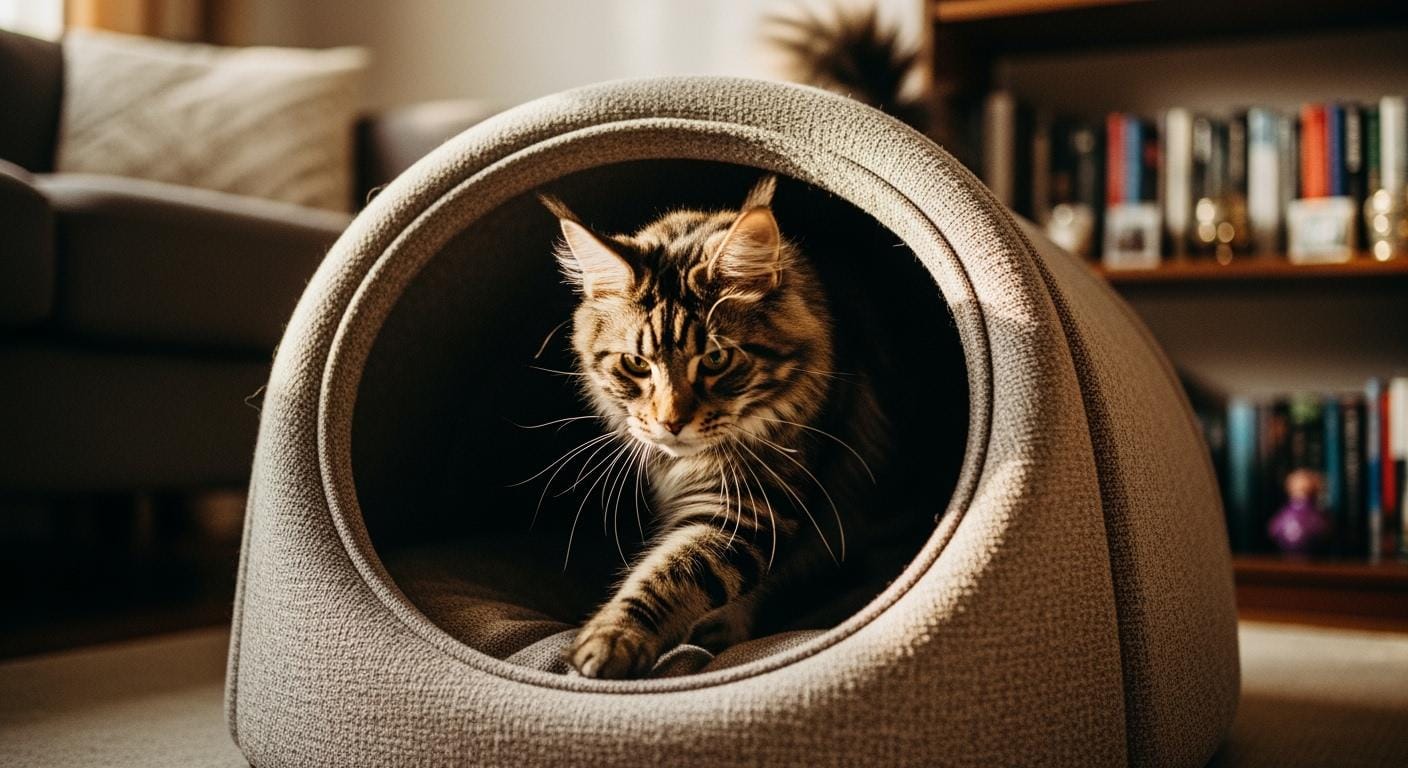
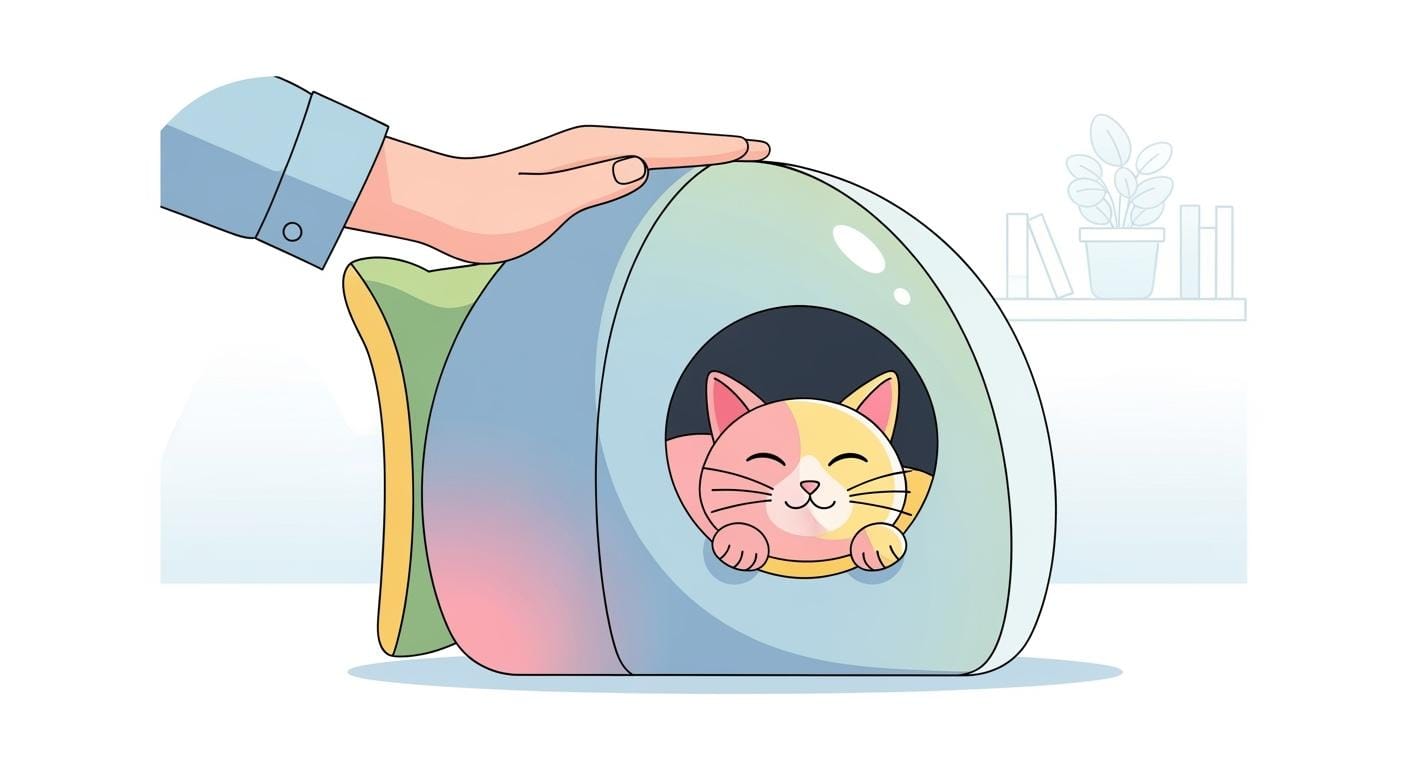
A wide entrance alone is not enough — rim support and shape retention determine whether a large cat uses the cave bed. Covers entrance stability, interior volume, and when the design falls short.
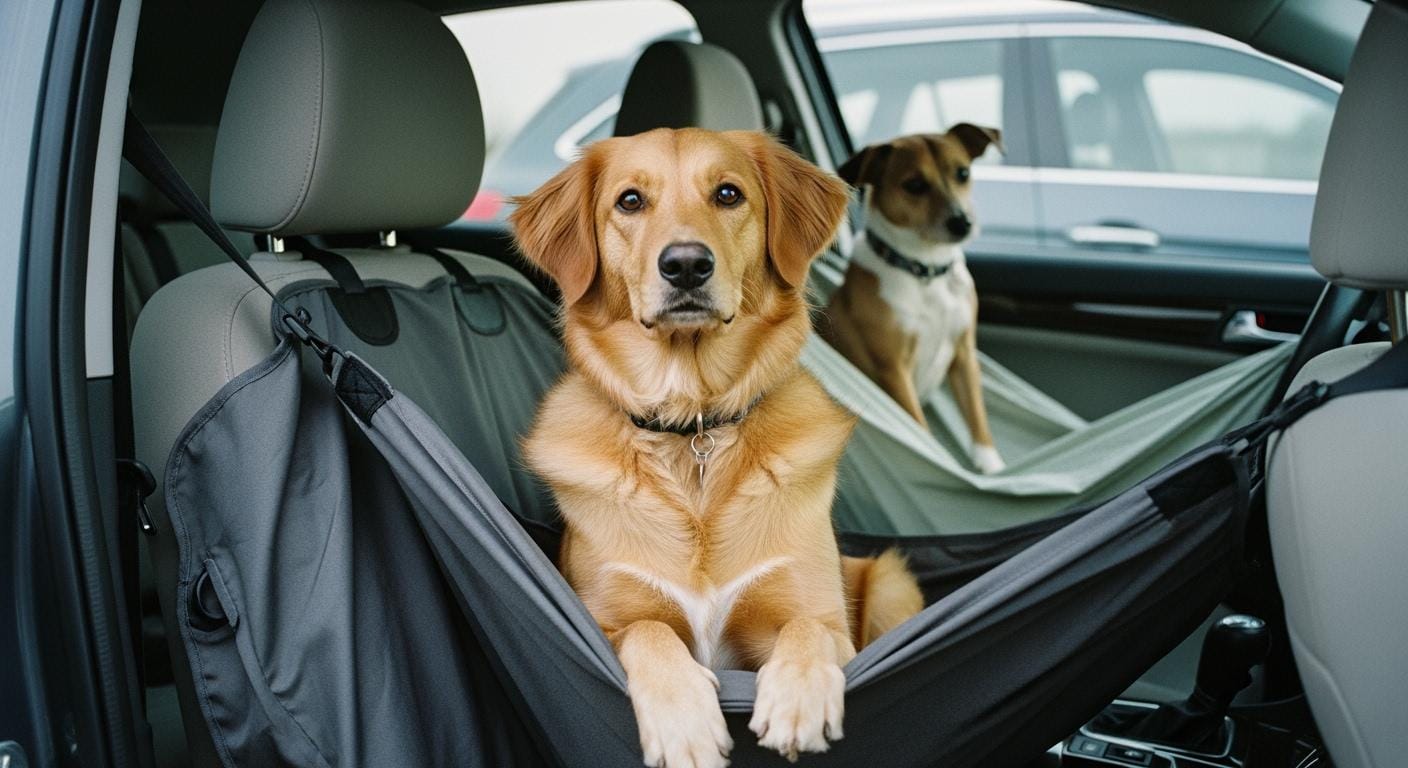
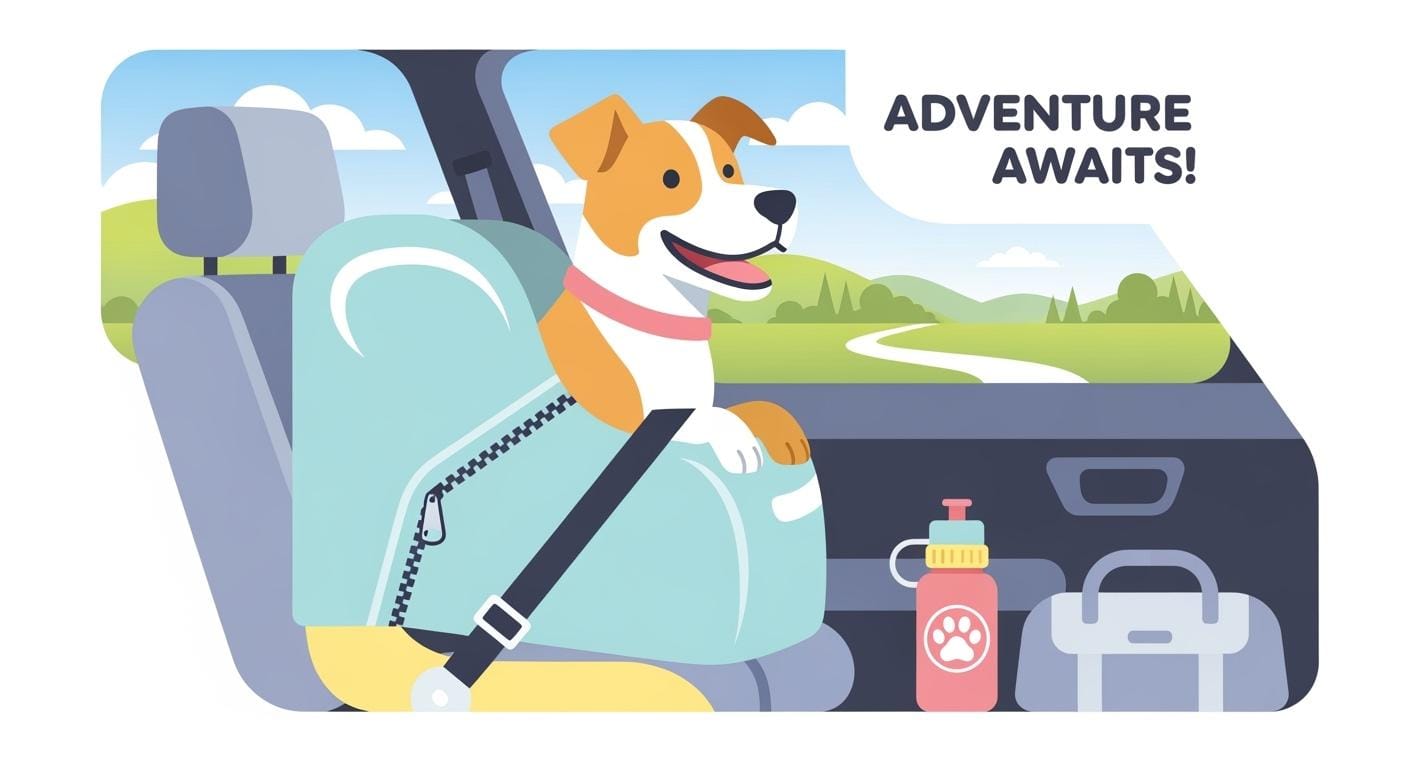
A dog car seat cover sags in hammock mode when the base cannot bridge the seat gap and straps lose tension. What stops it: a firm platform, reinforced adjustable straps, and deep anchors with anti-slip backing.
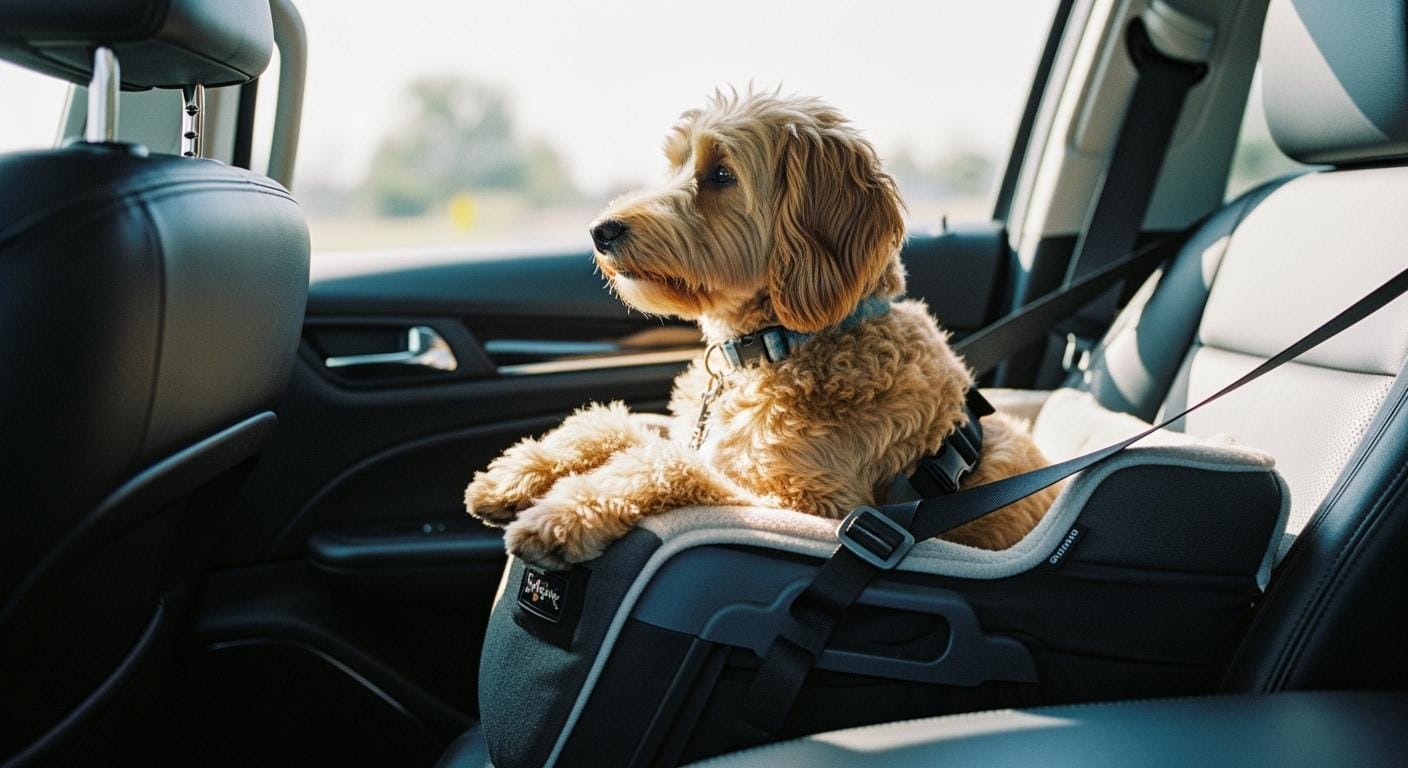
A soft pillow base compresses under a dog's weight, tilting the sitting surface and collapsing side walls. A rigid platform prevents this chain at its first link — here is how the base material changes everything downstream.
Bright color visibility in dog life jackets is not about being loud on land. It is about how fluorescent panels, high-contrast trim, and reflective details perform against water glare, shadows, and distance.
A tote loads one shoulder; a backpack splits weight across both shoulders and a firm base. The gap widens on stairs, warm days, and walks longer than a few blocks.
A tall small dog fits an under-seat carrier by interior height, not weight rating. Structured walls and expandable panels keep vertical space usable—soft collapsing sides take it away.
A cat cave collapses after washing when filling compresses and rim lacks support. Resilient fill, reinforced edges, and thicker walls let the bed rebound to its original shape after each wash.
Mesh coverage is not what keeps a dog backpack carrier cool on hot hikes. Vent placement, cross-ventilation, and structured side panels are what determine whether air actually moves through the carrier.
Medium-dog car seats look roomy online but cramp on long drives. Wider seat space, supportive cushioning, and stable tether placement change how a dog settles.