Outdoor Dog Gear Insights for Pet Brands and Buyers
Welcome to the StridePaw blog. We share practical articles for pet brands, retailers, and distributors sourcing outdoor dog gear, with a focus on fit, materials, safety, travel use, and product selection across harnesses, leashes, carriers, car travel gear, and related categories.
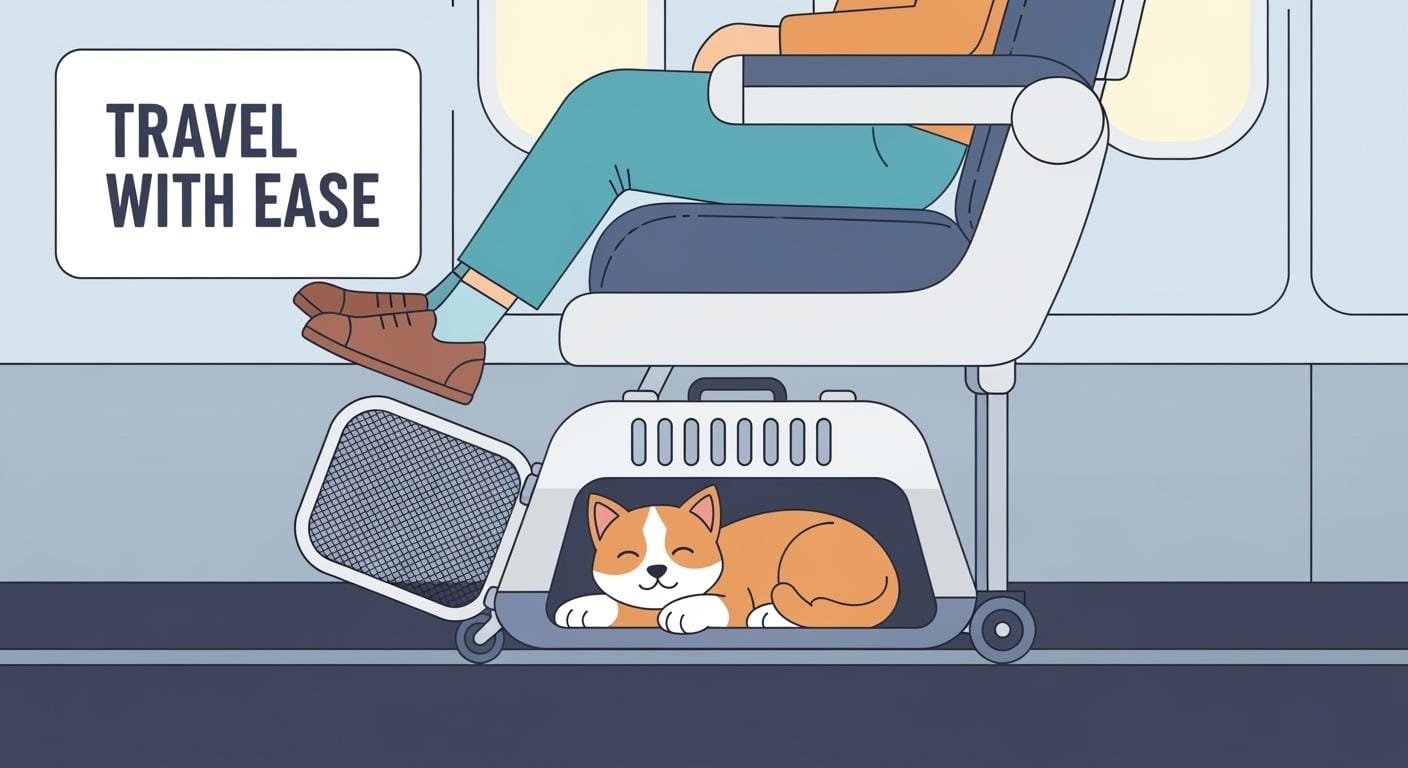
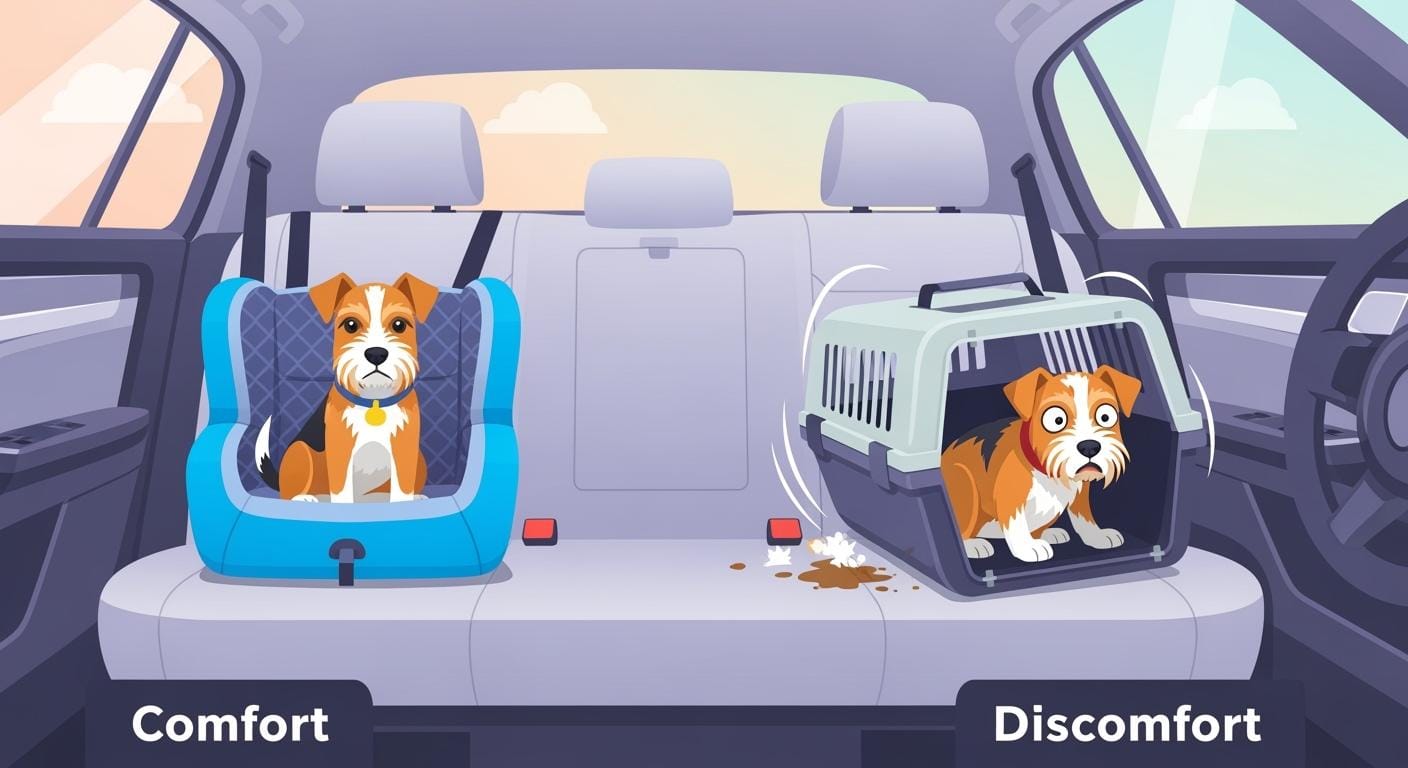
When a dog paws at the mesh wall, weak edge binding stretches and panels lose tension. Reinforced edges, anti-scratch fabric, and a firm frame keep the booster seat open for steady airflow and support.
Claw force concentrates on tiny contact patches. Thread density, seam construction, and zipper placement determine whether a seat frays in weeks or lasts years.
Four-side openings eliminate the trapped-boxed-in feeling that makes cats reject single-exit beds. A tunnel-plus-mat split keeps hiding and resting distinct.
A chest strap locks a dog carrier backpack's shoulder straps into a closed loop. Without one, straps slide outward. A hip belt shifts weight off the shoulders.
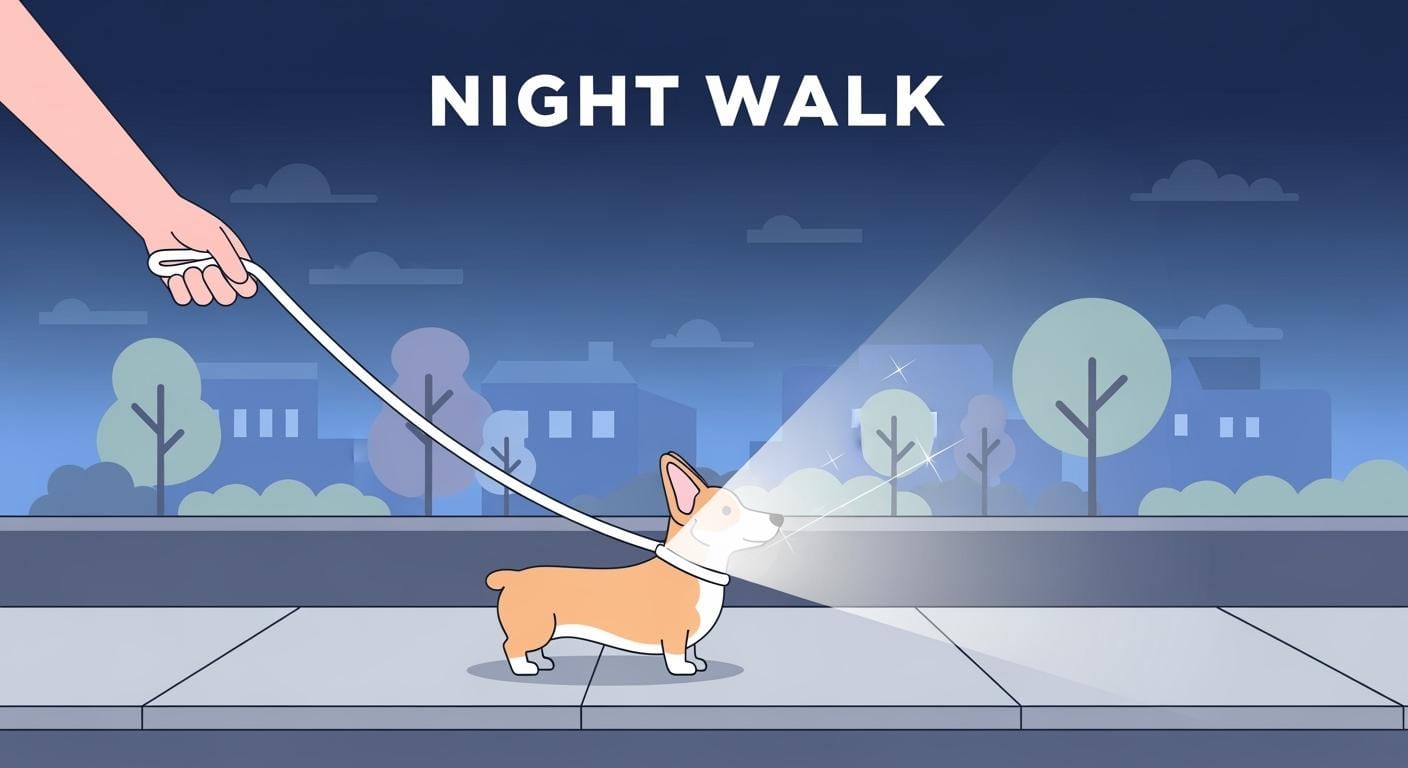
Patch-based reflective trim vanishes when a leash sags or rolls. Full-length double-sided webbing stays visible from every angle, even when the leash twists.
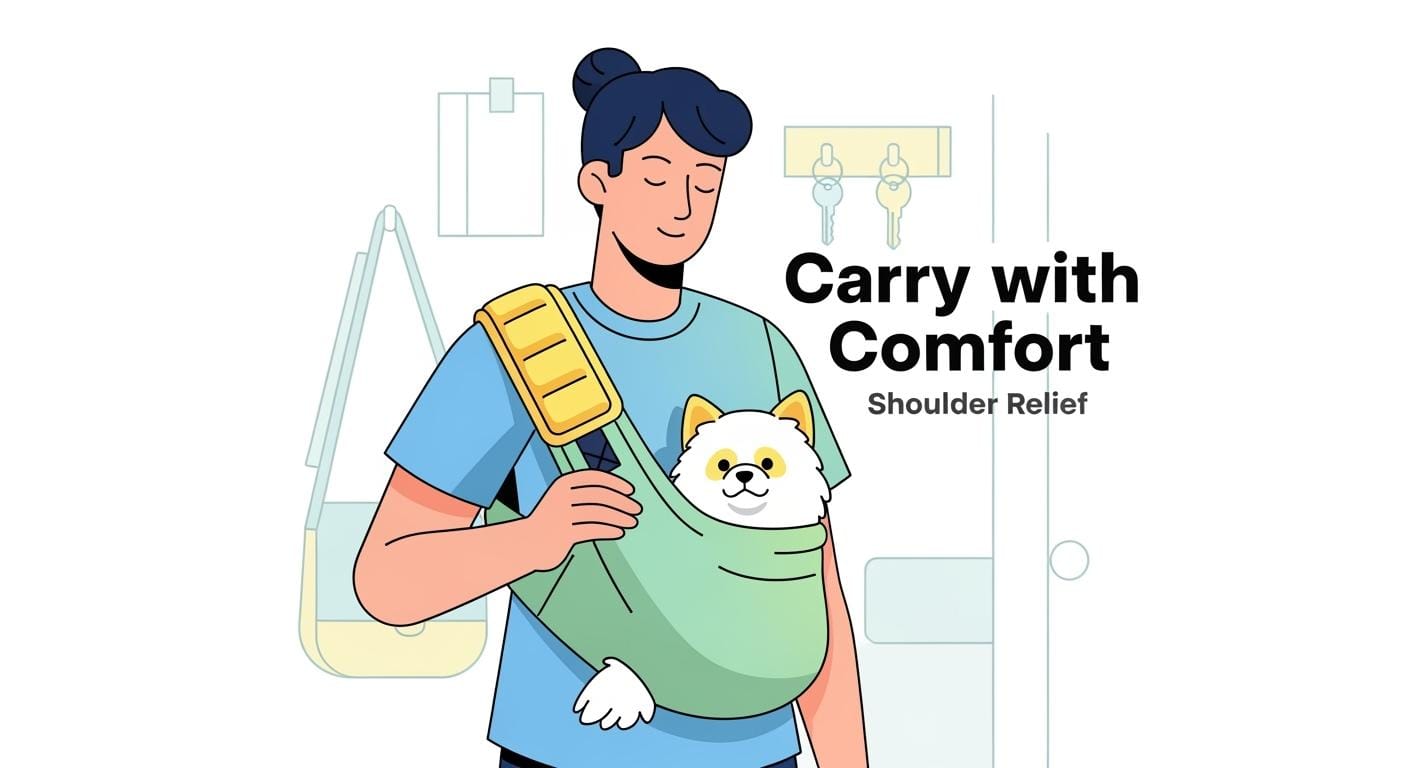
Shallow pouches and soft bottoms cause most sling failures with larger dogs. Deeper side coverage, a rigid base panel, and reinforced edges redistribute weight so the dog stays centered instead of sliding out.
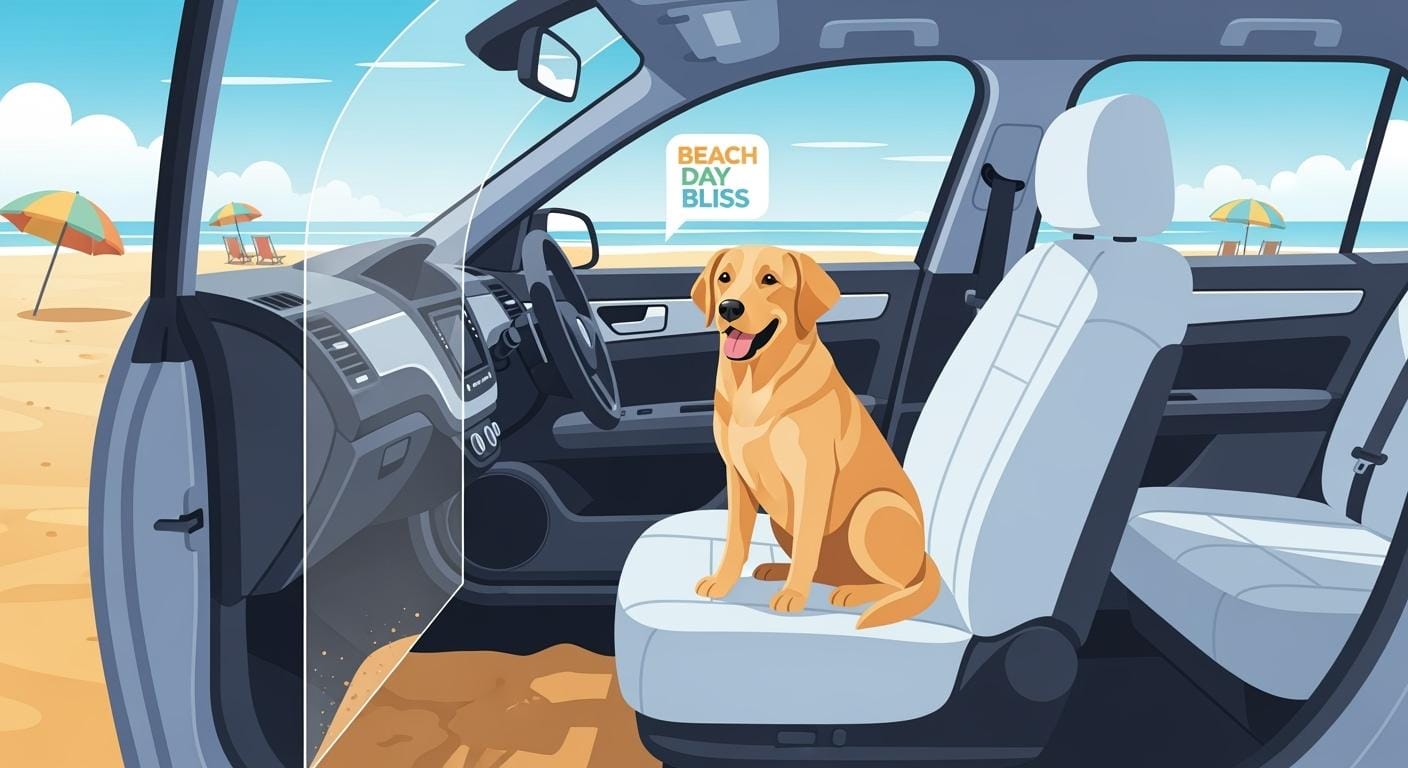
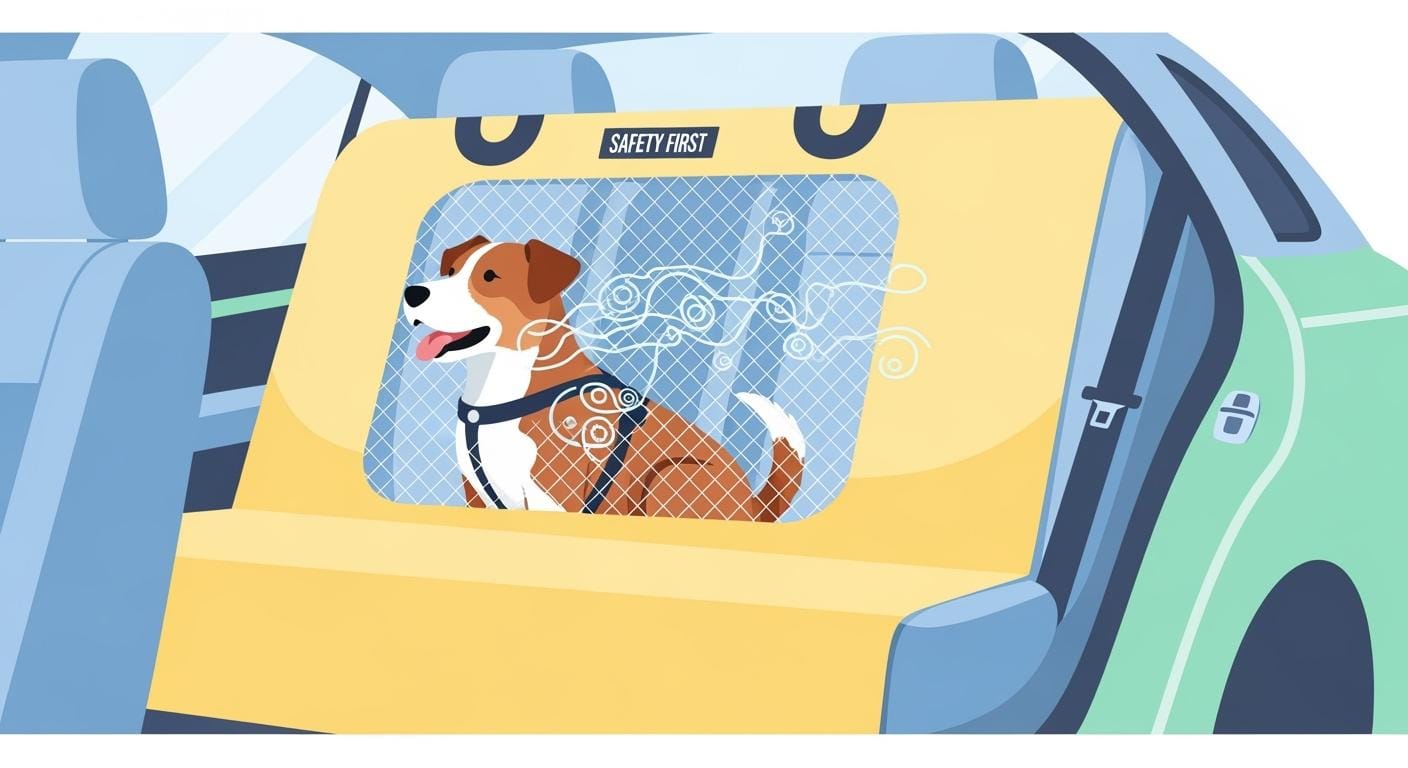
A car seat protector blocks dog hair when the fit seals edges, the surface releases fur, and the anchors stay put. Without all three, hair finds a way through.
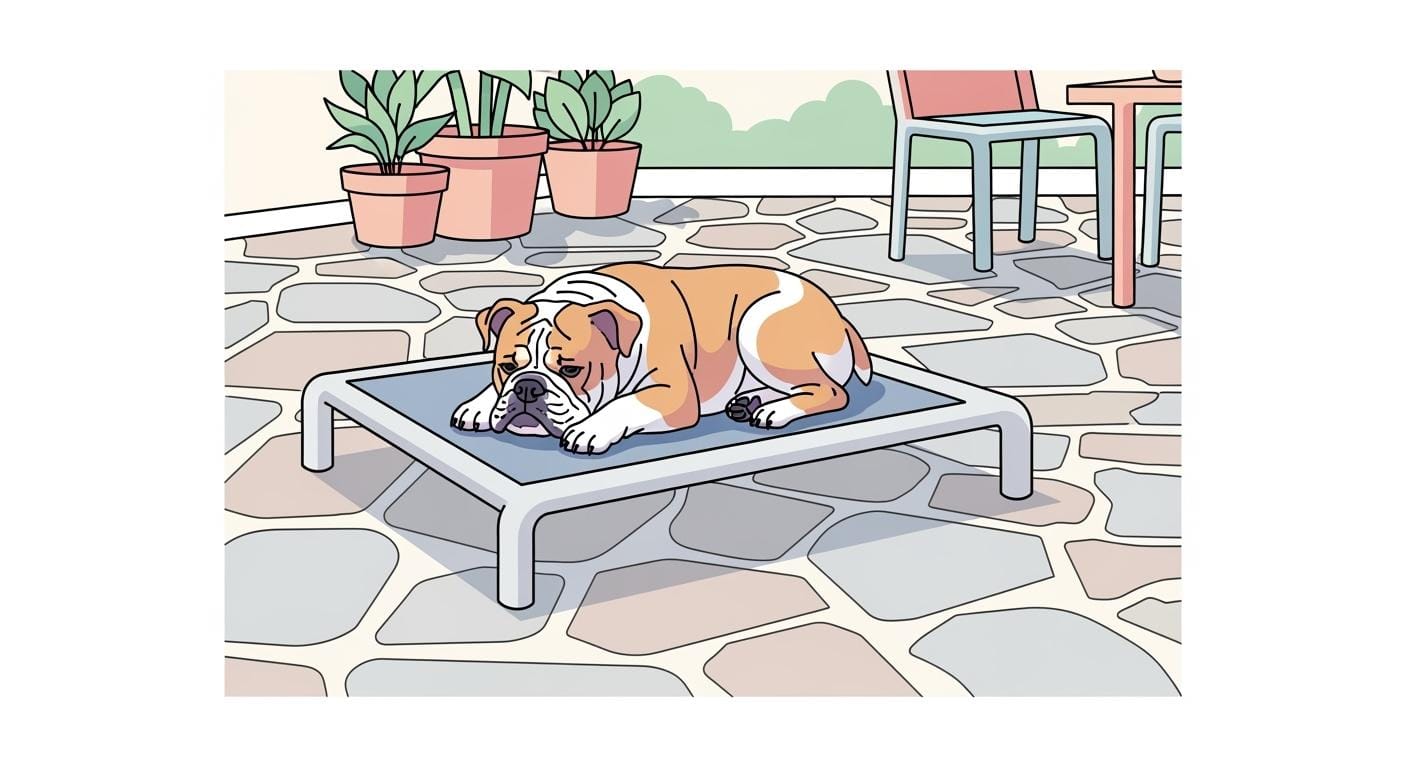
Large dogs load the bed edge first. When that edge folds, no cushion fixes it. A steel frame stops the collapse at the structural level, not with more padding.
A front facing dog carrier that hangs too low blocks your stride. Strap geometry, base panel rigidity, and waist support determine carry height with large dogs.
Large dogs push against car seat bed edges during turns. Soft bolsters fold under lateral load; rigid side panels resist it. A non-slip base prevents tipping under braking.
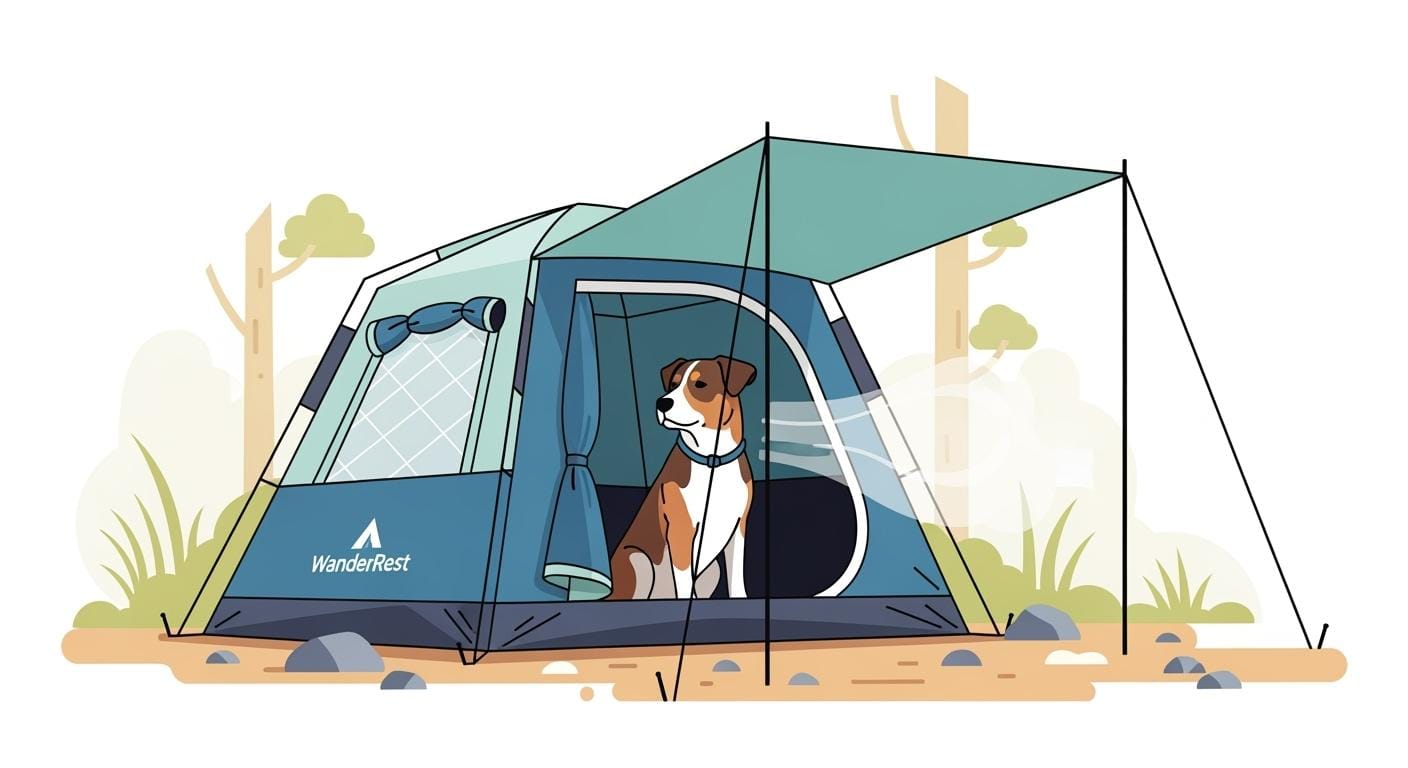
Hidden edges and tight panel tension remove grip points a dog needs to start chewing. Reinforced corner joints protect where material choice falls short.
Waterproofing stops moisture, but smooth coatings create a film that defeats paw grip. Surface texture and anchor tension determine whether the dog stays steady.