Outdoor Dog Gear Insights for Pet Brands and Buyers
Welcome to the StridePaw blog. We share practical articles for pet brands, retailers, and distributors sourcing outdoor dog gear, with a focus on fit, materials, safety, travel use, and product selection across harnesses, leashes, carriers, car travel gear, and related categories.
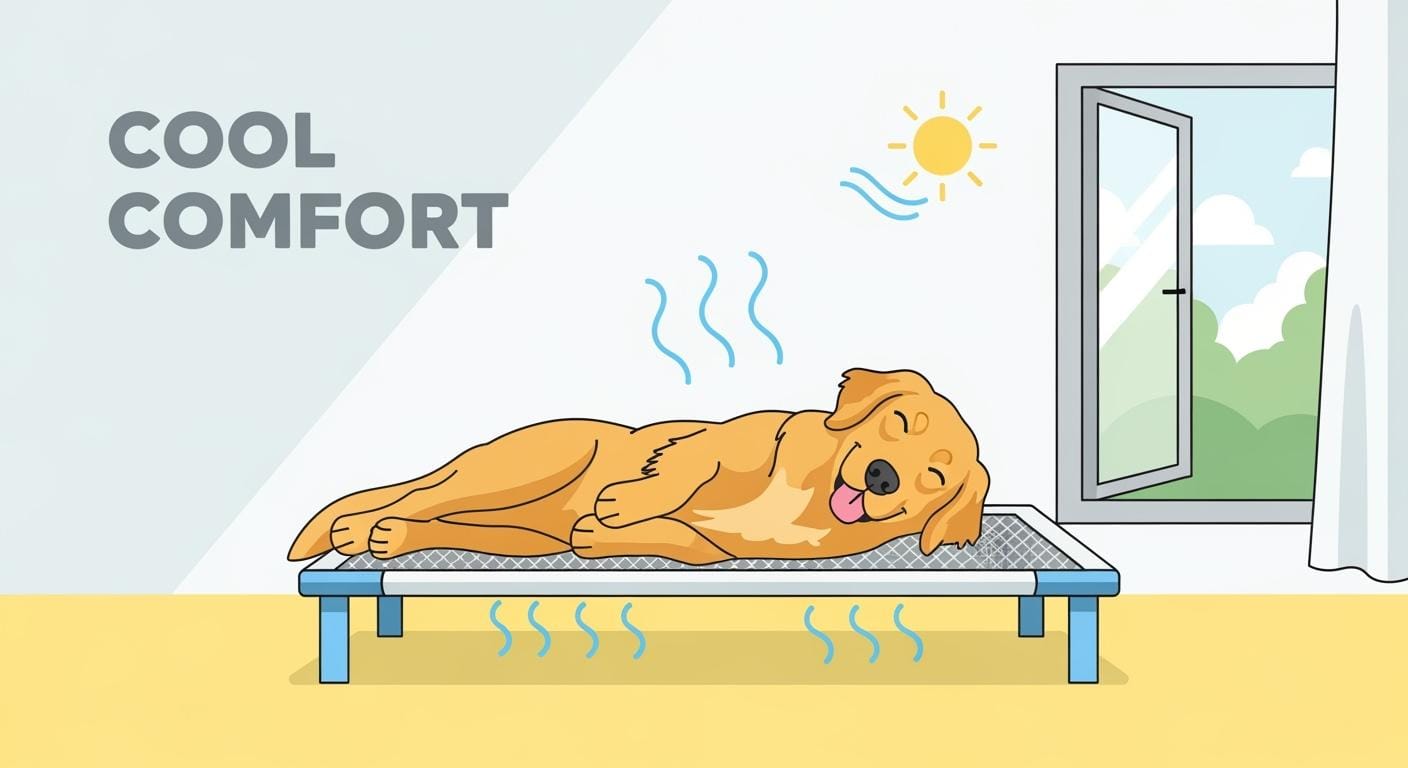
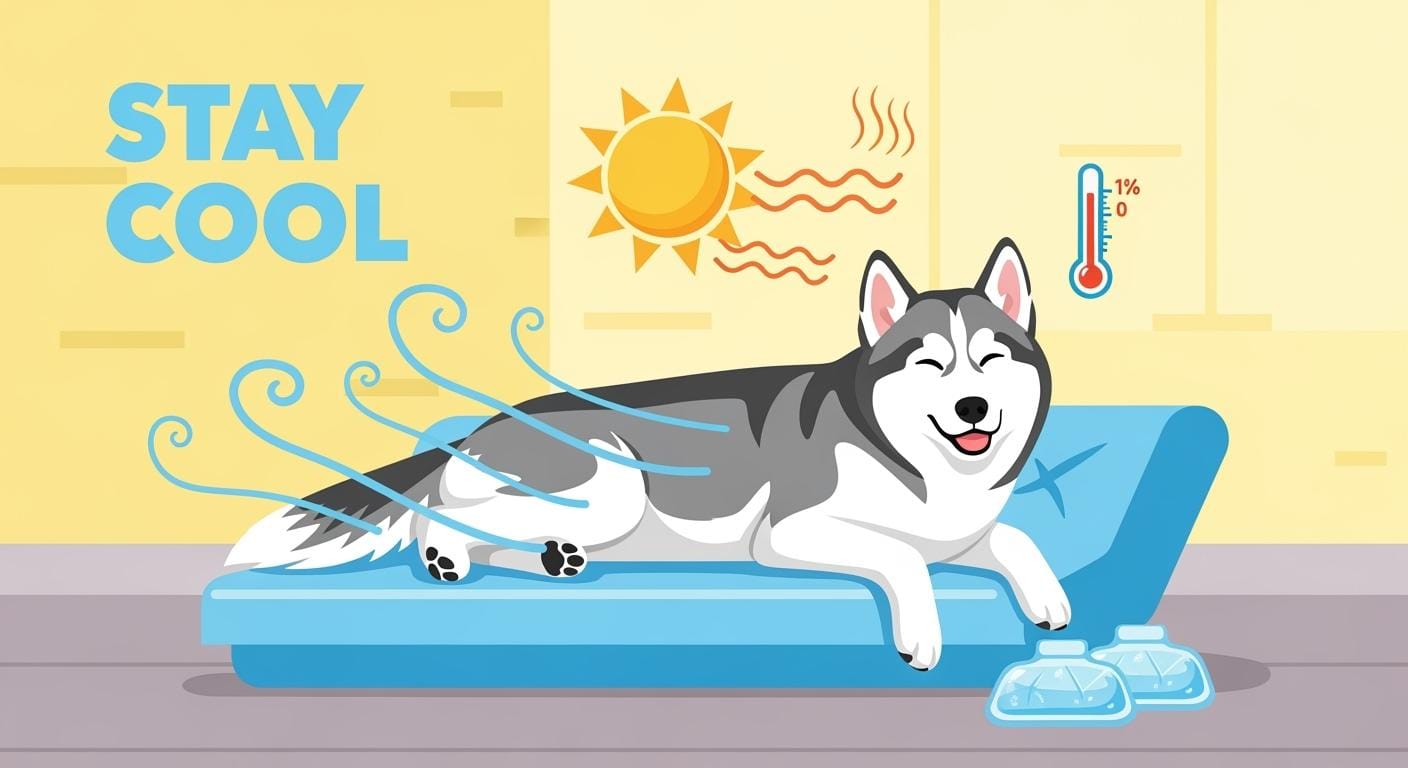
Mesh tension and frame rigidity—not elevation alone—determine whether a raised bed stays cool. Sagging fabric collapses the air gap. Dense materials trap heat. Sun exposure overrides every design feature.
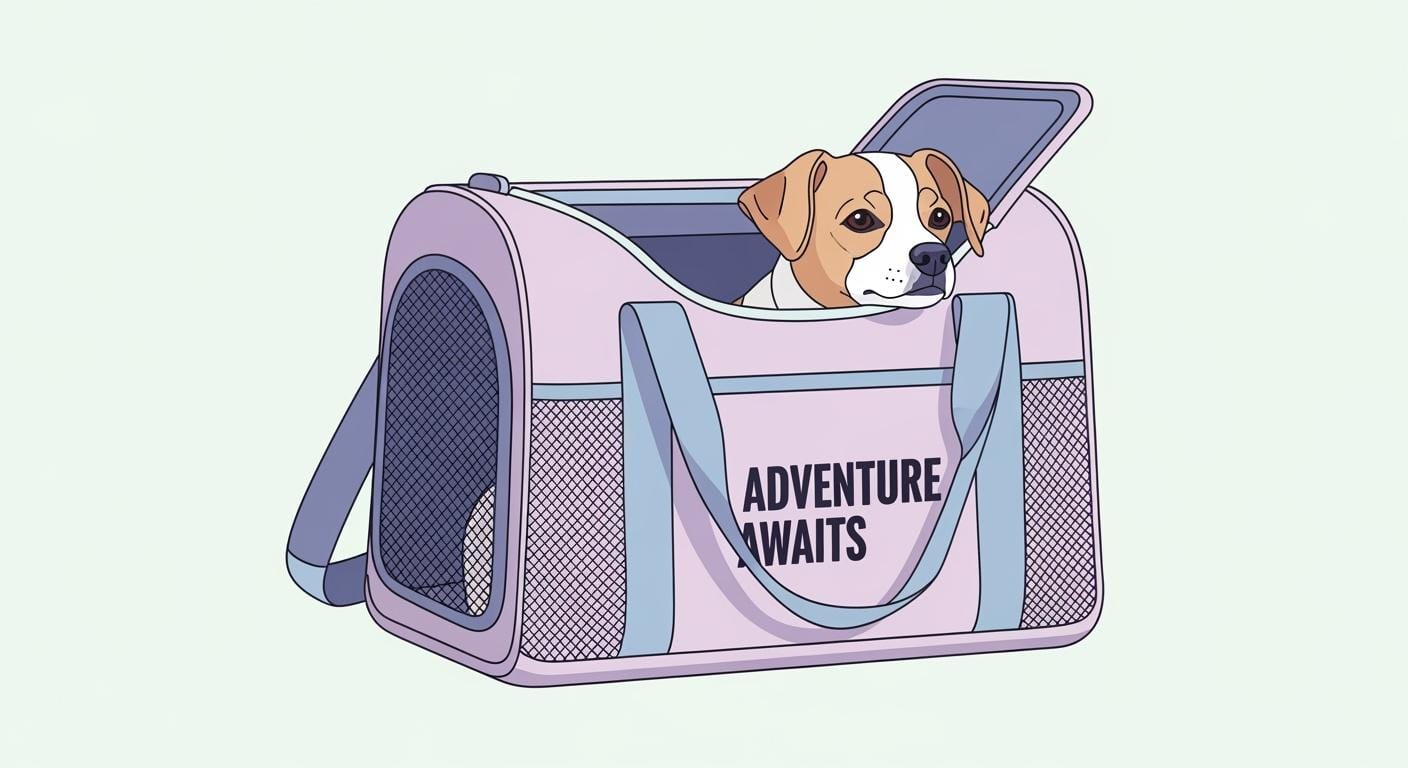
Mesh ventilation only works when the carrier holds its shape. Semi-rigid panels, reinforced edges, and a stable base keep airflow open where it matters.
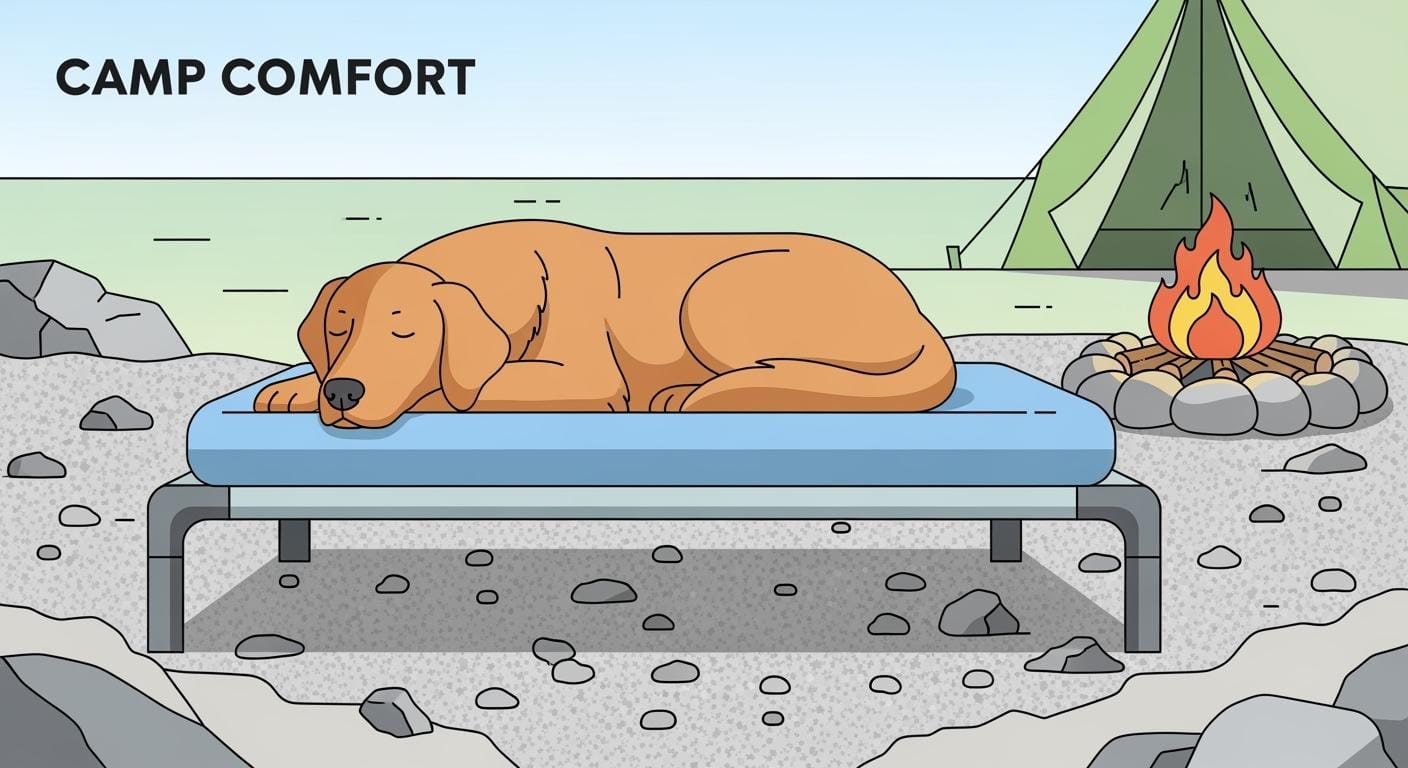
A raised frame lifts the sleeping surface off abrasive gravel, stopping the friction that destroys flat bed fabric. Tensioned fabric spreads weight evenly across rough ground.
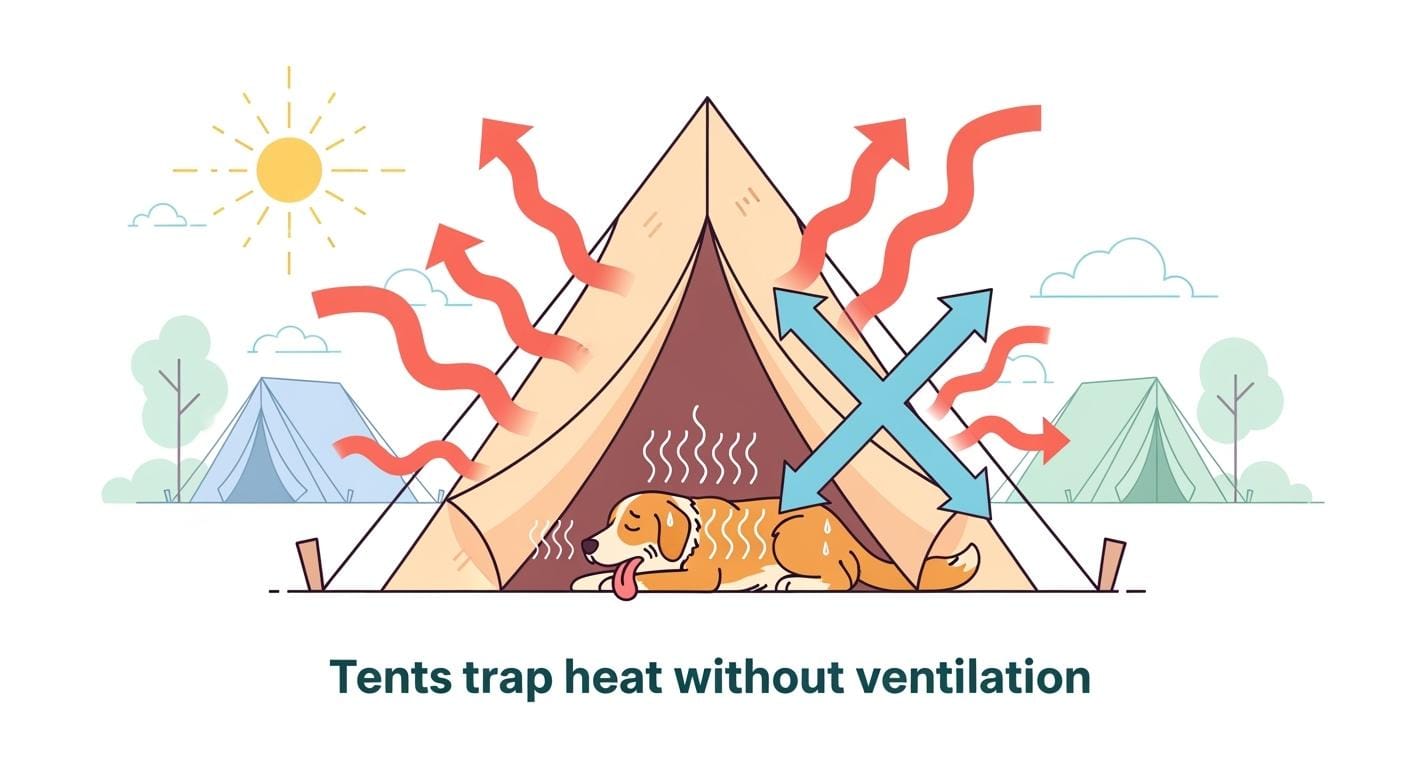
One mesh panel does not ventilate a dog tent. Cross-ventilation, driven by opposite-side openings, moves heat out. Without that airflow path, dogs overheat.
Long walks expose treat pouch flaws: low internal capacity, crumb spread from shared compartments, slow one-hand access. Separated storage, a wide mouth, and a stable belt attachment change how a pouch performs after hour one.
A bungee leash absorbs shock on runs but too much stretch delays control. Moderate elastic length and low-stretch webbing keep reaction time short near traffic.
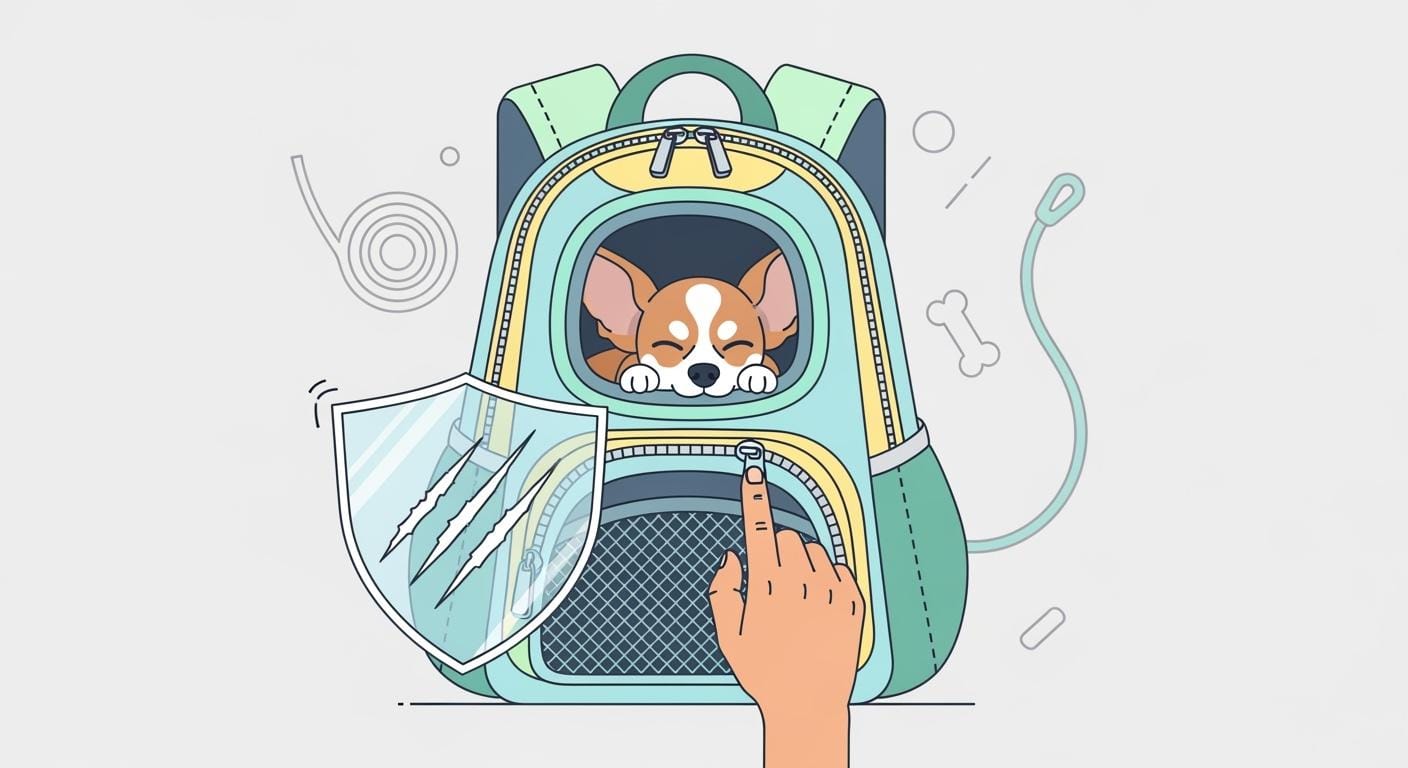
A closed zipper on a dog carrier backpack is not the same as a secure one. Four failure points — track, puller, mesh, seam — demand four different fixes.
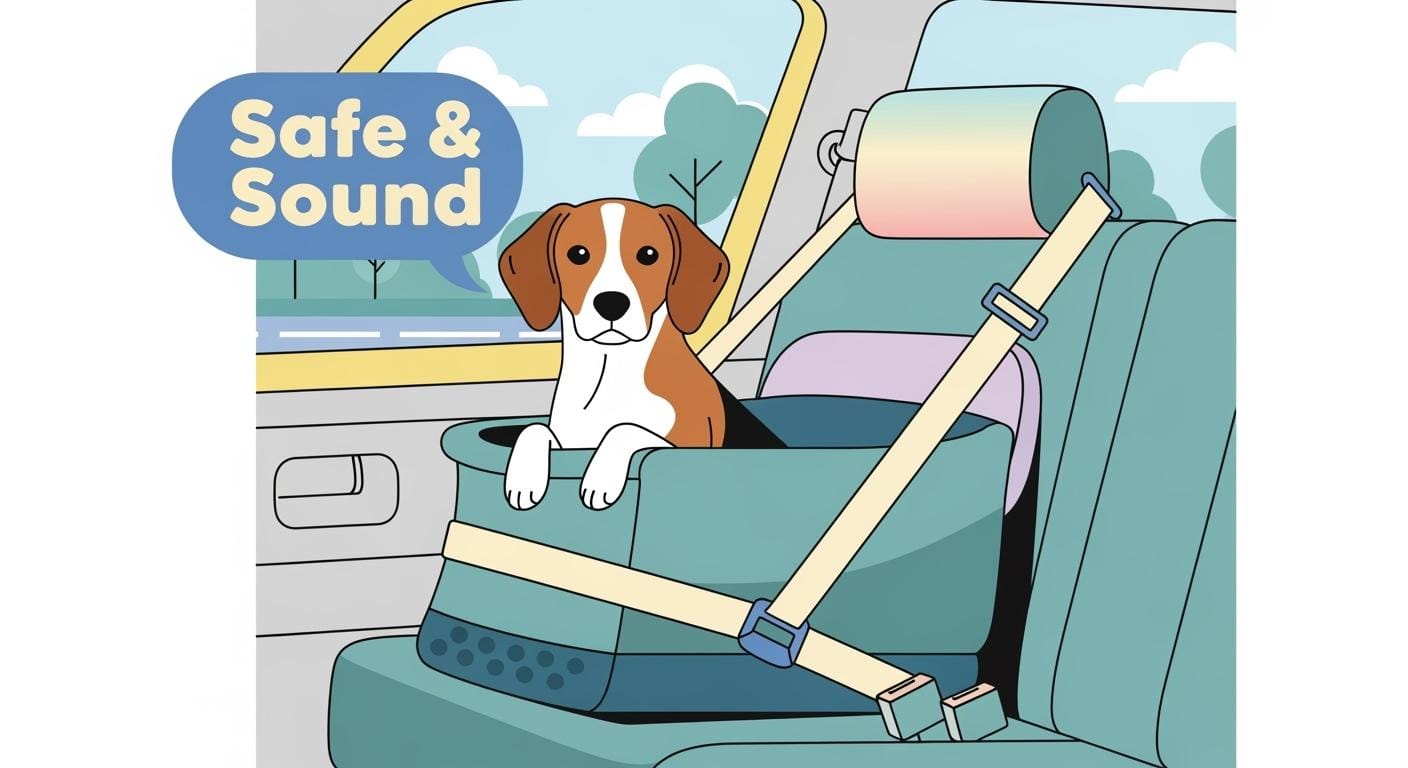
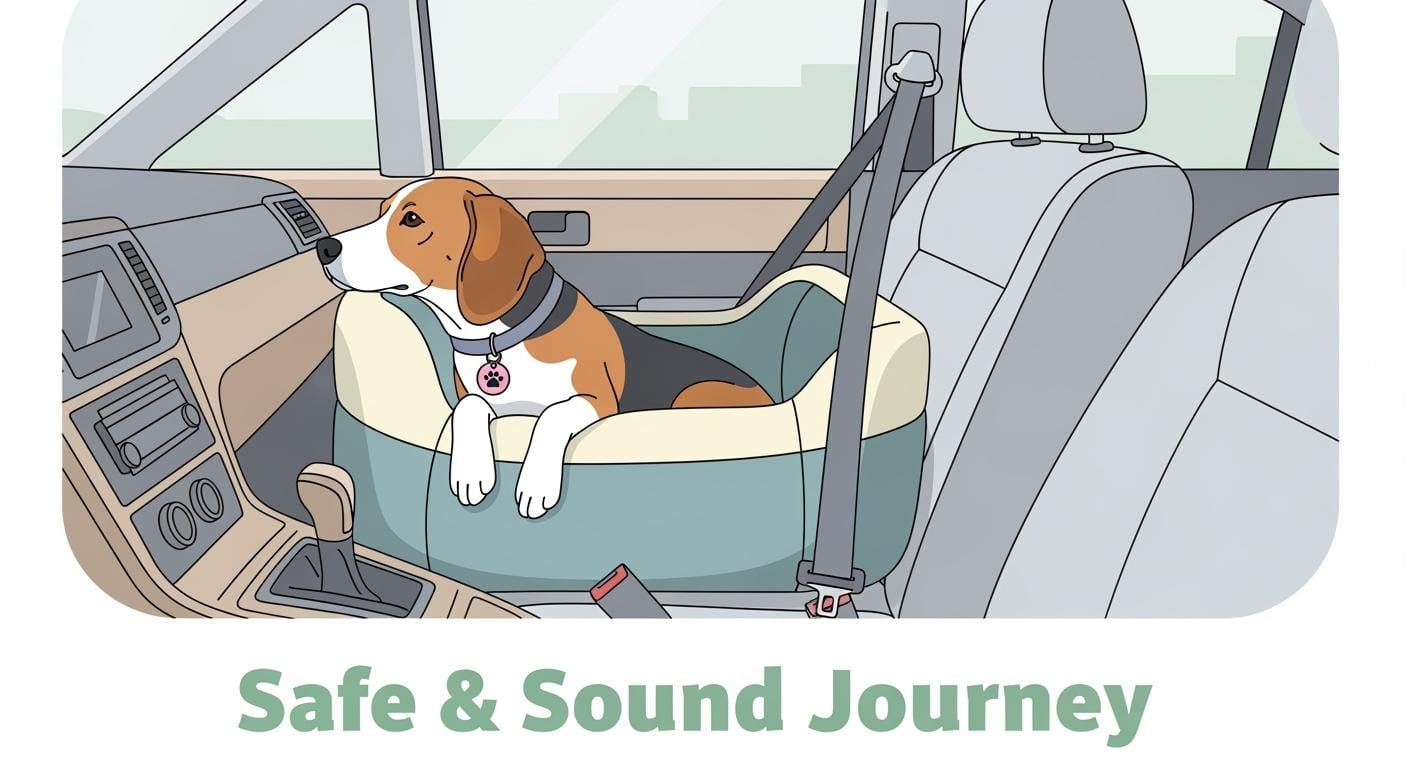
Base width, internal rigidity, and strap angle — not grip alone — determine whether a dog car seat with a non-slip bottom stays stable during stops and turns.
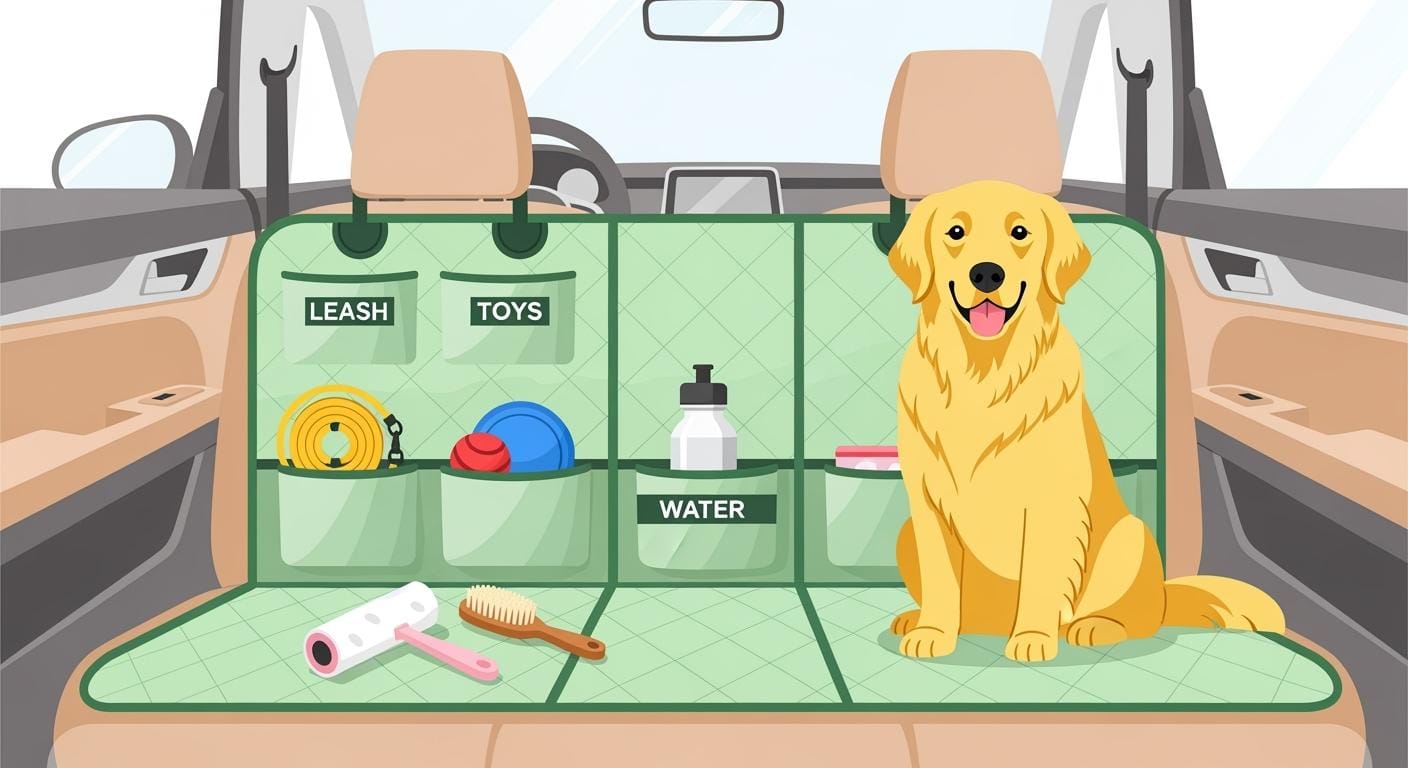
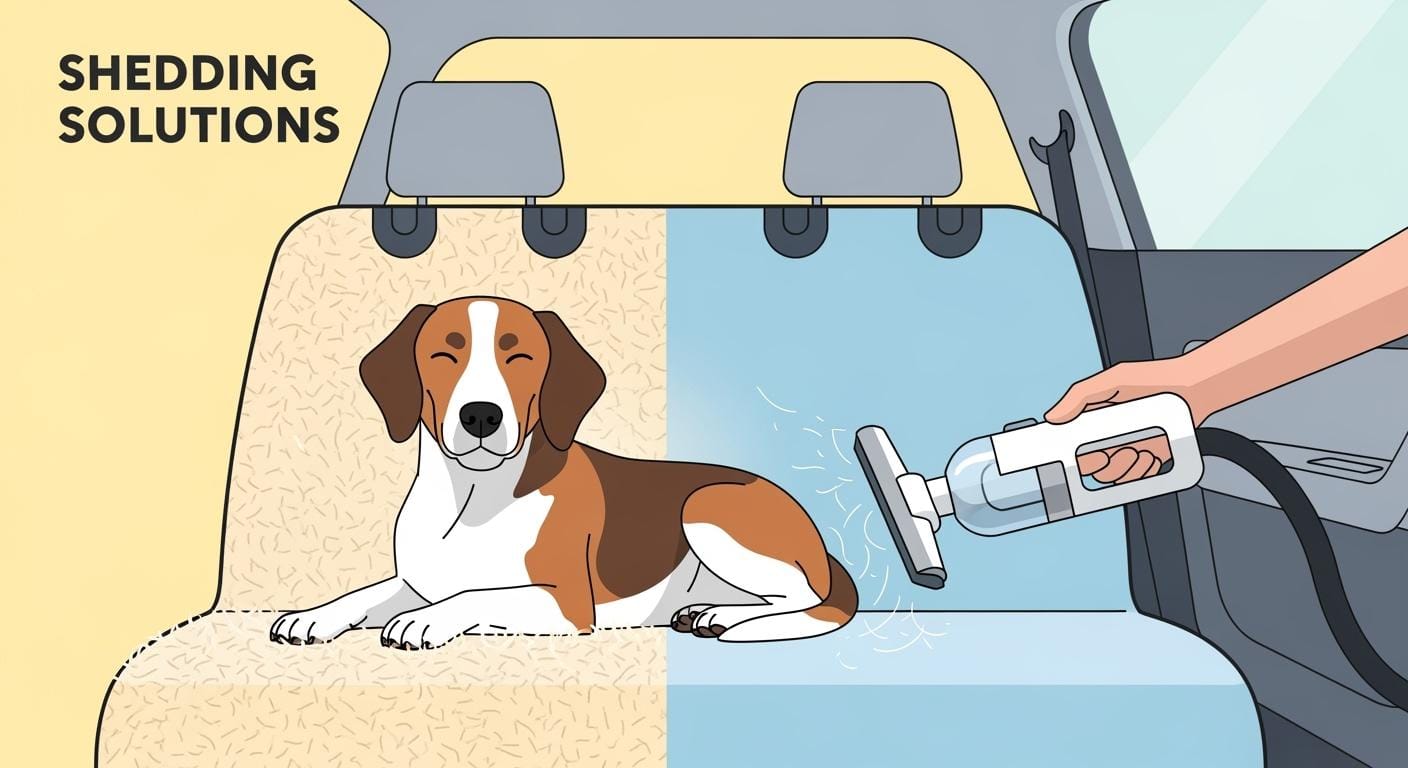
Slick coated surfaces, fewer seams, and full edge coverage keep shedding dog hair from embedding into a car seat cover. Wiping or vacuuming takes seconds instead of a deep clean.
A husky's double coat turns flat cooling mats into heat traps. Raised mesh beds solve this with open airflow under the body. Covers frame stability, drying speed, and when a cot is not the answer.
A stable base prevents the micro-movements that keep an anxious dog on alert. Raised padded sides create boundaries that signal safety rather than exposure.