
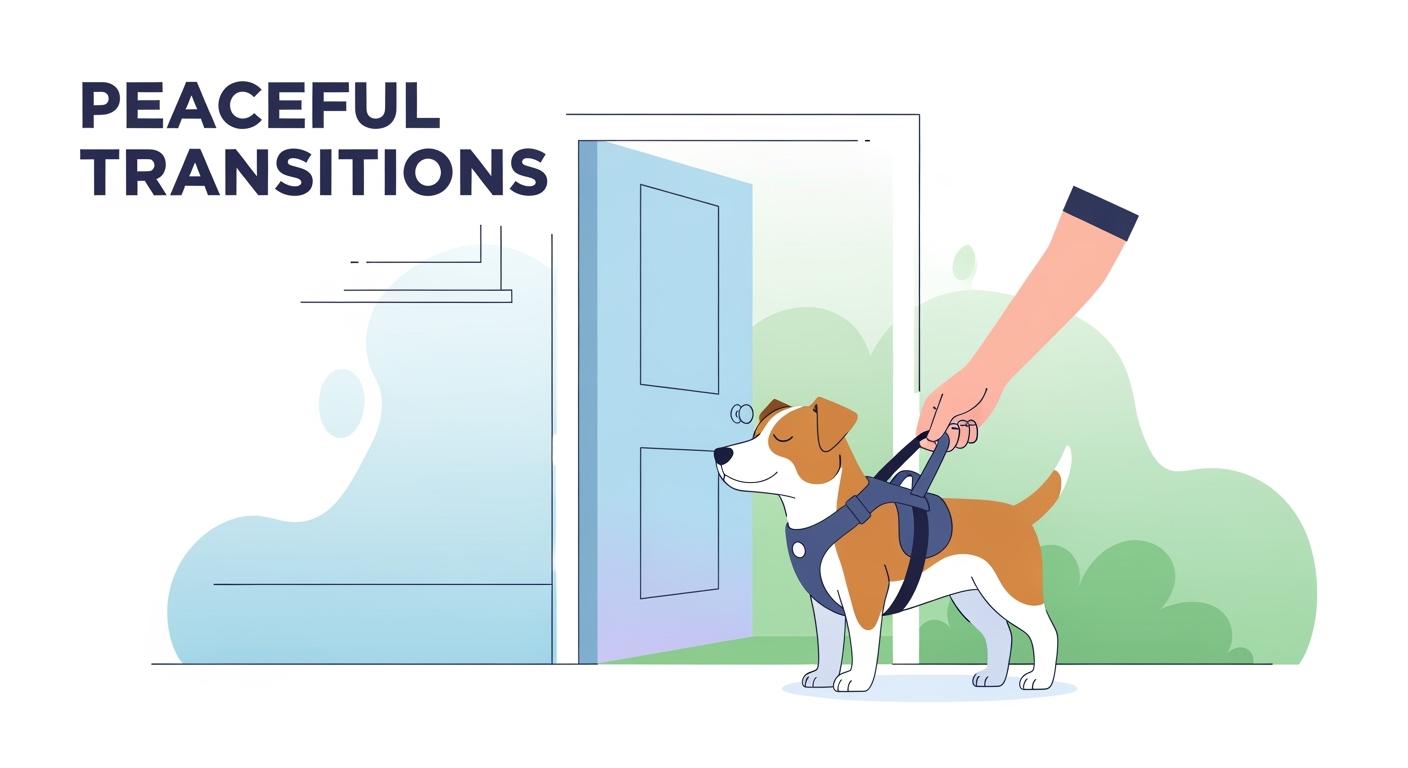
An escape proof small dog harness is really an escape-resistant setup, not a guarantee. Small dogs can back out fast when a door opens, a car door swings wide, or a noise makes them reverse suddenly. The safer approach is to combine a secure harness fit with a calm entry and exit routine. Before you open a door, check for neck gaps, chest lift, side shift, loose leg openings, and whether the leash angle could help the dog slip backward.
Key Takeaways
- Ensure your dog’s harness fits snugly to prevent escapes. A well-fitted harness keeps your dog safe during busy exits.
- Always check the harness before opening doors or car doors. The most important signs are neck gap, chest lift, side shift, and loose space when your dog backs up.
- Stay calm and focused when entering or exiting. A rushed handler, a loose leash angle, or a distracted dog can make even a good harness less secure.
Why Small Dogs Back Out at Entry and Exit
Common doorway and car scenarios
Small dogs often back out at the exact moments when people feel most rushed: apartment doors, shop entrances, car doors, parking lots, vet clinic doors, and busy sidewalks. The dog may stop, reverse, twist sideways, or try to follow a smell or person in the opposite direction. If the harness has even a small gap, that backward motion can create an escape path.
This is why calm entry and exit matters. The harness lowers risk only when it stays in position while the dog moves. The routine around the door decides whether you catch the problem before it becomes an escape.
Anxiety, distraction, and supervision
Some dogs back out because they are excited. Others do it because they are worried, startled, or trying to avoid pressure. Doorways and car exits can stack several triggers at once: new smells, people passing, traffic noise, leash tension, and the handler reaching for keys or bags.
Instead of treating every escape attempt as stubborn behavior, watch the body language. A small dog that freezes, leans back, lowers the body, turns the head away, or starts scrambling backward is giving you a warning before the harness fails.
- Backing away from the doorway
- Turning sideways when the leash tightens
- Pawing at the harness
- Freezing or refusing to step forward
- Trying to reverse out when the door opens
- Panting, trembling, or frantic scanning
You can lower risk by staying close, keeping the leash angle steady, and watching the dog before the door opens rather than after the dog has already pulled back.
Harness fit and escape risks
If the harness is too loose, too high at the neck, or unstable under backward pressure, your dog can still slip out. A good small-dog harness should stay centered, lie flat, and resist the specific motion that causes most escapes: the dog backing away while the leash pulls forward.
| Fit Point | Why It Matters |
|---|---|
| Proper Fit | The harness should sit close without pinching, leaving no obvious escape gap when the dog reverses. |
| Supervision | Watch dogs wearing harnesses during doors, cars, and other high-risk transition moments. |
| Removal | Take off the harness when your dog is not supervised if the design or situation creates tangling risk. |
You can keep your dog safer by checking the harness, watching for stress, and treating every doorway or car exit as a short safety routine.
Escape-Proof Small Dog Harness: Features and Calm Handling
Key features for preventing pet escapes
You want an escape proof small dog harness that lowers the risk of your dog slipping out at busy exits. The best choice is not simply the tightest harness. It is the harness that stays secure when the dog backs up, turns, or startles.
- Multi-strap security: An added belly or rear strap can reduce back-out risk when it sits correctly behind the ribcage.
- Adjustable fit: Multiple adjustment points help close gaps without over-tightening one area.
- Stable chest layout: A chest panel or strap path should stay flat instead of lifting when the leash tightens.
- Step-in or low-stress entry: A simple entry path helps dogs that dislike gear going over the head.
- Soft edges: Smooth contact areas help reduce rubbing that may make a dog panic or resist.
- Secure hardware: Buckles, rings, stitching, and adjustment sliders should stay firm under light leash tension.
A secure harness for small dogs should prevent obvious gaps when the dog backs up. If the front rises, the neck opens, or a leg can slip through, the harness is not doing its job in the moment that matters most.
Table: Key Features of Escape-Resistant Small Dog Harnesses
| Feature | Description |
|---|---|
| Multi-Strap Security | Helps reduce backward slipping when the strap placement matches the dog’s body shape |
| Adjustable Fit | Lets you remove gaps while keeping normal movement |
| Vest-Style Coverage | Adds body contact and can feel steadier for some small dogs |
| Step-In Design | Can reduce handling stress for dogs that resist overhead gear |
| Padded Plates | Help reduce rubbing where the harness contacts the chest or body |
| Secure Hardware | Stable buckles, rings, and stitching reduce failure risk during sudden movement |
Calm entry and exit techniques
You can lower escape risk by using the same calm routine every time you enter or exit. Clip the leash before the door opens. Keep the dog close enough that the leash does not pull upward or forward into an escape angle. Pause if the dog stiffens, backs up, or turns away.
Train a simple pause near doors, but do not rely on obedience alone. A startled dog can forget training quickly. Gear check, leash angle, door control, and handler focus all need to work together.
Tip: Calm handling helps your dog stay focused, but it also helps you notice small fit failures before the dog is already reversing out.
Secure dog walking and leash handling
Hold the leash at a steady, low angle close to your body. Keep your dog beside you rather than several steps ahead at the doorway. Do not let the leash pull upward on the harness, because that can lift the chest panel and open space around the neck or front legs.
A well-designed harness supports leash manners by spreading pressure across the body, but it still needs correct handling. If the dog reverses, step closer and reduce tension instead of pulling harder from the front.
Quick recheck steps for lower back-out risk
Before you open a door or car, do a fast harness check. This lowers the risk of your dog escaping. Use this checklist:
| Fit & Security Check | Pass | Fail |
|---|---|---|
| You can fit one finger under each strap without obvious gaps | Pass | Gap opens or strap pinches |
| Straps and panels sit flat instead of bunching or twisting | Pass | Twist, bunching, or uneven pressure |
| The harness stays centered when you apply light leash tension | Pass | Harness rotates or shifts to one side |
| Shoulders and front legs move without rubbing or shortened stride | Pass | Rubbing, short stride, or pawing at the harness |
| Buckles, rings, and stitching look secure and undamaged | Pass | Loose stitching, weak buckle, or bent ring |
| No loose area appears when your dog backs up or turns sharply | Pass | Neck gap, chest lift, or open leg space |
| Your dog still walks normally once outside distractions begin | Pass | Freezing, panic backing, or frantic pulling |
If you see any fail signs, adjust the harness before you go out. If the same fail sign returns after adjustment, the style may not match your dog’s body shape or exit behavior.
Comparison Table: Standard vs Escape-Resistant vs Vest-Style Harness
| Harness Type | Main Features | Escape Risk | Comfort Level | Ease of Use |
|---|---|---|---|---|
| Standard | Two straps, basic fit, clip on back | Higher if the dog backs up or twists | Moderate | Easy |
| Escape-Resistant | Extra strap control, multiple adjustment points | Lower when fitted correctly | High if movement stays free | Moderate |
| Vest-Style | More body coverage, padded contact, step-in options | Lower for some dogs, but still fit-dependent | High when it does not overheat or rub | Easy to moderate |
Pass/Fail Checklist Table
| Step | Pass | Fail |
|---|---|---|
| Harness fits snugly behind elbows | Stays close without rubbing | Gaps, pinching, or strap drift |
| Belly strap sits behind the ribcage | Helps reduce back-out room | Sits too far forward or rubs |
| Dog cannot slip a leg out of the harness | Leg openings stay stable | Leg opening widens when dog reverses |
| Harness does not twist or shift | Stays centered during light tension | Rolls, twists, or lifts |
| Dog walks calmly at the door or car | Can pause and reorient | Panics, freezes, or backs out hard |
Troubleshooting Table
| Problem | What to Do |
|---|---|
| Harness too loose | Adjust evenly and check whether gaps still open during a back-up test |
| Dog tries to back out | Move closer, reduce forward leash pressure, and recheck the harness layout |
| Harness rubs or chafes | Stop using that fit until the contact point changes |
| Dog resists harness | Introduce the harness slowly in a calm place before using it at busy exits |
| Harness shifts to one side | Re-center, adjust both sides evenly, and test under light leash tension |
Common Mistakes and Real Consequences
You may see these mistakes during real-life use:
- Forgetting to check the harness fit before opening the door. This can let a small gap turn into a full escape path.
- Assuming a tight harness is always safer. Over-tightening can cause rubbing, panic, or movement restriction.
- Not watching your dog during entry or exit. Distraction increases escape risk.
- Letting the leash pull up on the harness. This can lift the chest plate and create gaps.
- Ignoring signs of discomfort. Rubbing or chafing can make your dog resist handling and try to escape.
Note: If your dog shows fear, panic, or discomfort, pause and check the harness. This blog does not give medical advice. If you see breathing problems or mobility issues, talk to your veterinarian.
A well-designed harness and calm handling routine make a big difference in preventing pet escapes. Always check your harness and focus on your dog at every doorway or car stop.
Failure Signs and Fast Fixes for Preventing Pet Escapes
Identifying escape risks at the door
You need to spot escape risks before your dog slips out. Small dogs often try to back out of a harness at doors, gates, cars, or busy exits. You may see these signs:
- Neck gap appears when your dog pulls back.
- Chest plate lifts away from the body.
- Harness shifts to one side.
- Leg opening stretches wider than usual.
- Your dog pulls back in panic.
These signs show an escape hazard. Even a harness that looks secure can fail if your dog moves quickly, gets scared, or reverses against a poor leash angle.
Early warning signs: neck gap, chest lift, side shift
Watch for early warning signs every time you approach a door:
- Neck gap: The harness leaves space around the neck when your dog pulls back.
- Chest lift: The chest plate rises off the body, making it easier for your dog to slip out.
- Side shift: The harness slides to one side, exposing more of your dog’s body.
Tip: Calm supervision helps you spot these signs before your dog escapes.
Immediate fixes for secure dog walking
You can fix escape risks fast with these steps:
- Step closer to your dog before adding more leash pressure.
- Re-center the harness if it shifts to one side.
- Adjust straps so the harness sits flat without creating obvious gaps.
- Check the belly or rear strap placement if your dog backs out often.
- Move your dog away from the door and reset if panic starts.
- Use a shorter, calmer exit routine instead of opening the door while the dog is already pulling.
Check your harness before every entry or exit. Calm rechecks and close supervision lower the risk of escapes.
You can help your small dog stay safer by doing these things:
- Make sure the harness fits close without pinching and does not open gaps when the dog backs up.
- Look at the harness before you open a door, gate, or car door.
- Stay calm, shorten the exit routine, and watch your dog during every transition.
| Benefit | Explanation |
|---|---|
| Escape-Resistant | Makes it harder for your dog to slip out at doors or cars when the fit is correct |
| Better Control | Helps you guide your dog calmly through high-risk transition points |
Checking the harness often and using calm steps lets you feel more confident on walks, but no harness removes the need for supervision at doors and cars.
FAQ
How often should you check your dog’s harness fit?
You should check the harness fit before every walk, doorway exit, or car ride. Quick checks help you spot loose straps, shifting panels, and back-out gaps before they matter.
What should you do if your dog panics at the door?
Stay calm. Pause, move your dog away from the door, reduce leash tension, and check the harness again. Calm handling lowers escape risk.
Can you use a harness and collar together for extra safety?
Yes, but only when the setup is fitted correctly and does not create tangling or extra pressure. Some owners use both during high-risk exits, but the main goal is still a secure harness fit, calm handling, and close supervision.






