
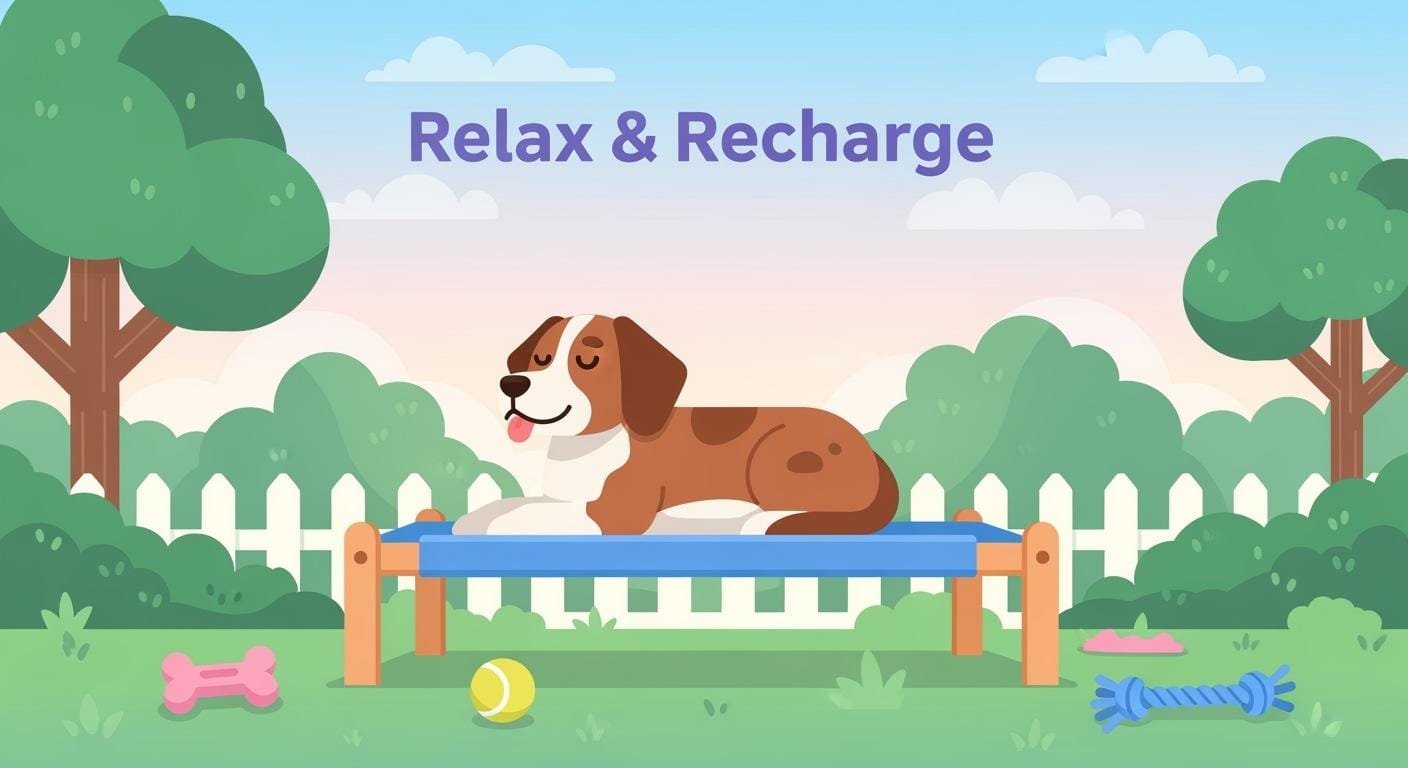
When a raised dog bed is used outdoors, being off the ground is only one part of comfort. The bed can still fail if the surface sags, the frame wobbles, the entry height is awkward, the fabric holds heat or dirt, or the setup sits in direct sun without supervision. This guide explains what to check in a raised or elevated outdoor dog bed, including airflow, support, paw-safe edges, cleaning ease, shade and real-use stability on hot, wet or messy ground.
Raised dog bed outdoor setups help your dog stay comfortable and safe.
Key Takeaways
Raised dog beds help your dog feel comfortable. Air can move under the bed, so your dog stays cool. Your dog does not have to lie on hot or wet ground.
Pick the best height and material for your dog. This helps your dog get on and off the bed easily. It also gives your dog good support.
Clean the bed often and check it for safety. Make sure the bed is steady and has no damage.
Raised Dog Bed Outdoor: Fit & Space Checks
Height, Entry, and Settling
You want your dog to get on the bed easily. Beds that are lower work better for small dogs or dogs who cannot move well. Bigger dogs can use taller beds, but orthopedic beds are usually low. This makes it easy for dogs to get on and off. Always check the bed’s height before you buy it. Put the bed where you want it to stay. Watch your dog walk up to the bed. Your dog should be able to step on, turn around, and lie down without jumping or slipping. If your dog looks unsure or has trouble, try a lower bed or use a ramp.
Tip: Beds with orthopedic foam are good for older dogs. Orthopedic foam spreads out your dog’s weight and takes pressure off their hips, elbows, and back. It gives support for a long time and helps dogs with joint pain feel better.
Surface Support and Tension
Check the top of the raised dog bed. The material should hold your dog up but not sag or feel too tight. Mesh or orthopedic foam lets air move under the bed and keeps your dog cool. Do not pick beds that get flat fast or trap heat. Your dog should have support for their whole body. The top should stay firm but not hard. If your dog sinks in or slides off, you might need a new material or to tighten the surface.
Here is a quick guide to common materials for raised beds:
Material Type | Key Features | Suitability for Outdoor Use |
|---|---|---|
Aluminum | Corrosion-resistant, encloses corners, protects fabric edges | Excellent for year-round use |
Powder-coated Steel | Durable, budget-friendly, rounded corners, bolted joints | Good, ensure finish resists chipping |
PVC Resin | Lightweight, economical, lower weight ratings than metal | Best for indoor use, may not support heavy dogs |
HDPE Knitted Mesh | Breathable, dries fast, resists mildew | Ideal for outdoor cots |
PVC-coated Fabrics | Rugged, less airflow than mesh | Suitable, but prioritize breathability |
Bed Footprint for Patios, Yards, Campsites
Measure the spot where you want to put the raised dog bed. The bed should fit without blocking paths or making things unsafe. Make sure the ground is flat. The bed needs to sit steady and not wobble. If you use the bed outside, check that it does not slide or tip. Your dog should have space to turn and stretch out. Do not put the bed near sharp things or stuff that could hurt your dog.
Note: Always look for water or trash on the ground before you set up the bed. Clean and dry spots help keep your dog safe and happy.
Pass/Fail Checklist Table
Use this checklist to make sure your raised dog bed is safe and comfy:
Check Item | Pass Signal | Fail Signal | Solution |
|---|---|---|---|
Airflow under bed | Dog stays cool, no dampness | Dog overheats or gets wet | Choose mesh or breathable fabric |
Body support | Dog rests evenly, no sagging | Dog sinks or slides | Adjust tension or change material |
Easy entry/exit | Dog steps on/off without effort | Dog jumps, hesitates, or slips | Lower bed height or add ramp |
Stable footprint | Bed sits flat, no wobble | Bed rocks or slides | Level ground, add non-slip pads |
Room to turn/stretch | Dog moves freely, no obstruction | Dog cramped or blocked | Choose larger bed or clear space |
Check each thing before and after you set up the bed. If you see a problem, fix it right away. Safety is most important. Do not think height alone will keep your dog safe or comfy. You need airflow, support, and easy ways for your dog to get on and off for the best results.
Elevated Dog Bed Materials & Frame Details
Breathable vs. Heat-Holding Surfaces
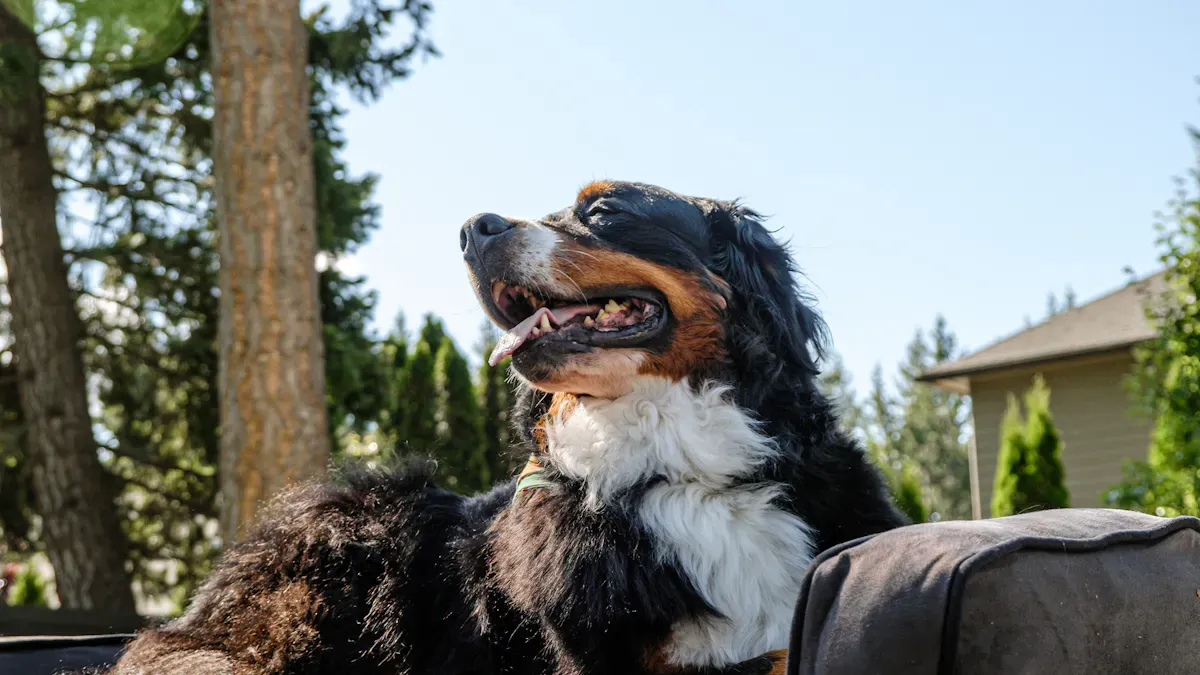
You want your elevated dog bed to keep your dog cool and comfortable. Breathable mesh surfaces allow air to flow under and around your dog. This airflow helps prevent overheating and keeps your dog dry after rain or cleaning. Mesh dries quickly and resists mildew. Padded or foam surfaces can feel soft, but some trap heat and moisture. If you use the bed outdoors, always check if the surface dries fast and does not hold heat. Dogs with thick coats or those who spend time outside in warm weather need a surface that lets air move freely.
Tip: Place your elevated dog bed in a shaded area. Even the best mesh cannot protect your dog from direct sun or extreme heat.
Frame Stability and Paw-Safe Edges
A strong frame keeps your elevated dog bed steady. You want a bed that does not tip or wobble when your dog climbs on or off. Look for frames made from aluminum or powder-coated steel. These materials resist rust and stay stable on patios, grass, or dirt. Non-slip feet help prevent sliding, especially on smooth surfaces. Raised frames lift your dog off the ground, keeping them away from wet or hot spots. This design supports your dog’s joints and helps them rest better.
Paw-safe edges matter for every dog. Rounded corners and smooth joints protect paws from scrapes or pinches. Avoid beds with sharp edges or exposed bolts. Dogs move and shift while resting. Safe edges lower the risk of injury and make the bed more inviting.
Key points for frame safety:
Choose a frame that feels solid and does not flex.
Check for non-slip feet or pads.
Inspect all edges and corners for smoothness.
Easy-Clean Fabrics and Outdoor Claims
Outdoor use means dirt, mud, and water. You need an elevated dog bed with easy-clean fabrics. Mesh and coated fabrics wipe clean and dry fast. Some beds use water-repellent coatings that help block splashes and spills. Look for features like IPX5 splash defense and UV protection (SPF50+) to keep the fabric from fading or breaking down in sunlight. These features help the bed last longer and keep its original feel.
Always read the care label before cleaning. Most beds need weekly cleaning, but you should clean more often if the bed looks dirty or smells bad. Let the bed dry fully before your dog uses it again. Never assume a bed is waterproof, UV-proof, or rust-proof unless the label or product details confirm it. Outdoor claims can vary. Some beds resist water and sun better than others. Check for reinforced seams and abrasion-resistant fabrics for better durability.
Feature | Description |
|---|---|
Water Repellency | Strong splash defense (IPX5) |
UV Protection | SPF50+ to prevent fading |
Fabric Maintenance | Keeps softness and breathability |
Application | Easy spray-on protection |
Longevity | Lasts through many outdoor uses |
Note: Outdoor claims should match real-world use. Always check for proof of water resistance, UV protection, and frame rust resistance.
Comparison Table
Choosing the right elevated dog bed depends on your dog’s needs and your outdoor setup. Use this table to compare common options:
Feature / Use Case | Mesh Surface Bed | Padded Surface Bed | Portable Frame | Fixed Frame | Raised Bed | Floor Mat | Washable Fabric | Wipe-Clean Fabric |
|---|---|---|---|---|---|---|---|---|
Airflow | Excellent | Moderate | Good | Excellent | Excellent | Poor | Good | Good |
Heat Retention | Low | High | Low | Low | Low | High | Moderate | Low |
Stability | High (with strong frame) | High (if thick foam) | Moderate | High | High | High | High | High |
Paw Safety | Good (smooth mesh) | Good (soft edges) | Good | Excellent | Excellent | Good | Good | Good |
Outdoor Suitability | Best for warm, dry days | Best for cool, dry days | Great for travel | Best for patios/yards | Best for all outdoor use | Not recommended | Best if machine washable | Best for quick cleanups |
Cleaning Ease | Easy (hose off) | Moderate (may absorb) | Easy | Easy | Easy | Hard | Machine washable | Wipe clean |
Durability | High (reinforced mesh) | Moderate (foam compresses) | Moderate | High (metal frame) | High (metal frame) | Low | High (quality fabric) | High (coated fabric) |
You can see that mesh surface beds and raised frames work best for airflow and outdoor comfort. Padded beds feel soft but may trap heat and moisture. Portable frames help with travel, while fixed frames offer more stability. Raised beds keep your dog off the ground and support their joints. Floor mats do not provide airflow or elevation, so they work better indoors.
Checklist: Before you buy, ask yourself:
Does the bed allow air to flow under my dog?
Is the frame stable and safe for paws?
Can I clean the fabric easily?
Are outdoor claims supported by real features?
You want your elevated dog bed to last. Look for reinforced seams, abrasion-resistant fabrics, and washable covers. Support matters for every dog. The bed should keep its shape and give your dog a steady place to rest. High-density foam helps the bed stay firm and not go flat. Raised beds or cots give extra support and keep your dog off hot or wet ground.
Always match the bed to your dog’s size, age, and habits. Senior dogs may need orthopedic foam for joint relief. Large breeds need beds with high-density fill and strong frames. Heavy chewers do best with ripstop or heavy-duty beds. Outdoor use calls for water-resistant, easy-clean beds designed for patios, travel, or garages.
Safety first: No elevated dog bed replaces shade, water, or supervision. Always check the bed for damage before each use.
Outdoor Use: When an Elevated Bed Works Best
Warm Weather, Mud, and Travel
You want your dog to feel good outside. Raised dog beds help most in warm weather, muddy places, and when you travel. These beds keep your dog off wet ground, hot pavement, and rough campsites. Mesh tops let air move, so your dog stays cool. You help your dog avoid bugs like ticks, fleas, and ants. Dogs rest on a steady bed, even if the ground is not flat. You make a clear spot for your dog, so commands like ‘place’ are easier.
Dogs get the most from raised beds in these times:
Hot days with lots of sun
Muddy or wet ground
Campsites or patios with rough spots
Busy outdoor events
Common Mistakes Outdoors
You try not to make these mistakes:
Trusting ‘outdoor’ labels without checking frame strength or safe edges
Picking beds that hold heat or moisture
Thinking all raised beds work for older dogs or dogs who move slow
Using beds as shelters instead of for comfort
Forgetting about non-slip feet, which can make beds slide
Note: Always check if the frame is strong, feet do not slip, and edges are safe before you use the bed.
When to Choose Other Bed Types
Some dogs need a different kind of bed. Older dogs or dogs with sore joints often need orthopedic beds with thick foam. Big dogs do best with beds that have strong filling. Dogs who cannot move well may have trouble with tight tops or tall beds.
Dog Type / Use Case | Recommended Bed Type | Reason / Benefit |
|---|---|---|
Senior dogs | Orthopedic beds | Help joints, support older bodies |
Large breeds | High-density fill beds | Keep shape, give strong support |
Dogs with joint issues | Orthopedic beds | Foam fits body, spreads weight, eases pain |
Outdoor use | Water-resistant/elevated beds | Lasts longer, easy to clean, good for patios or trips |
Troubleshooting Table
Fault | Possible Cause | Quick Check | Solution |
|---|---|---|---|
Dog overheats | Hot surface | Touch bed after sun | Move to shade, use mesh |
Bed wobbles or slides | Not steady | Push bed gently | Make ground flat, add pads |
Dog avoids bed | Bed too tight or tall | Watch entry/exit | Lower bed, add ramp |
Bed traps moisture | Bad airflow fabric | Feel under bed | Use mesh top |
Dog slips off | Slick top or edges | Watch how dog moves | Add pads, check edges |
Safety first: You always watch your dog outside and give shade and water.
You want your dog to enjoy comfort and security outdoors. Raised beds help your dog stay cool by allowing airflow underneath. You check support, stability, and paw-safe edges for your dog’s safety. Use the tables and checklists to guide your decisions. Clean and inspect your dog’s bed weekly. Remember, a raised bed gives your dog comfort but does not replace shelter or supervision. Your dog needs shade, water, and regular attention.
FAQ
How do you know if your dog needs a raised bed outdoors?
You check if your dog avoids hot, wet, or rough ground. If your dog prefers cool, dry spots, a raised bed helps improve comfort and support.
Can you leave a raised bed outside all year?
You should bring the bed inside during harsh weather. Outdoor claims do not guarantee full weatherproofing. Always inspect for damage before each use.
What is the best way to prevent slips on a raised bed?
You place the bed on flat ground. Add non-slip pads if needed. Check that the feet grip well. This keeps your dog safe during use.






