
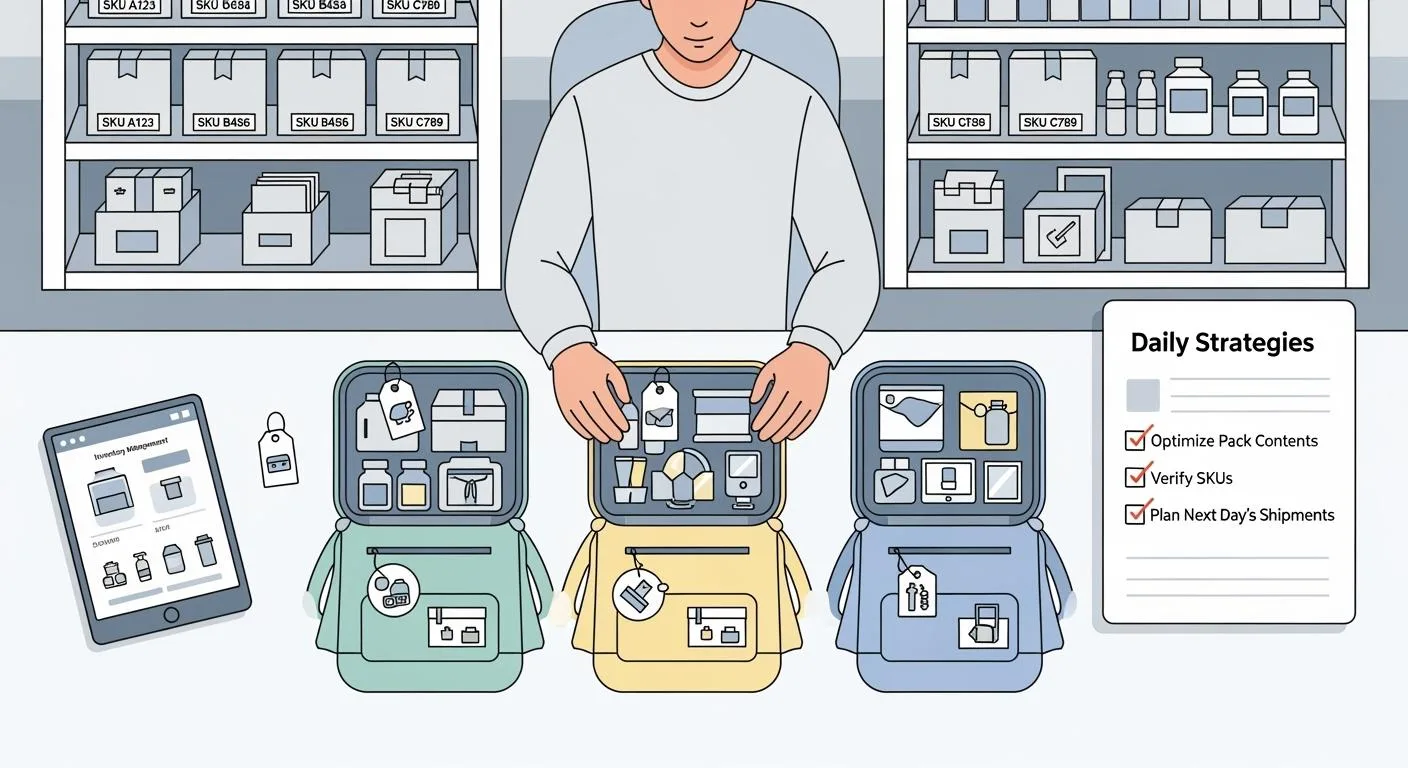
Daily daypack planning gets messy when too many bags try to solve too many jobs at once. One style is described as commute-friendly, weekend-ready, laptop-safe, weather-resistant, and dog-owner practical, but in real use it may still miss the details that matter most: pocket access, bottle carry, wipe-clean lining, leash or waste-bag organization, balanced weight, and a shape that feels manageable during short daily trips.
This article keeps the title focused on the real problem. Smarter SKU planning is not about broad internal processes or generic sales language. It is about building a cleaner daily daypack assortment around actual commute profiles, clearer feature priorities, and fewer overlapping options so buyers can make better decisions without filling the range with look-alike SKUs.
Key Takeaways
- Daily daypack SKU planning works best when you start with real commute tasks, not vague user labels.
- One useful range usually separates lightweight daily carry, car-based utility, micromobility use, and hybrid weekday-to-weekend needs.
- Feature priority matters more than long feature lists. Quick access, organization, comfort, and cleanability usually decide whether a daypack earns repeat use.
- A good assortment should make the differences between SKUs obvious. If two bags solve the same job in almost the same way, one of them may not need to stay.
- Before expanding the range, keep up with new trends and what buyers want, but do not let trend language replace practical use-case thinking.
Why Daily Daypack SKU Planning Often Goes Wrong
Too Many Bags Are Trying to Cover the Same Use Case
A common planning mistake is building several daypacks that look slightly different but behave almost the same. The volume is close, the pocket layout is similar, and the real daily job is unchanged. On paper this looks like variety. In practice it creates overlap, decision fatigue, and a range that is harder to explain.
When that happens, the problem is usually not lack of options. It is lack of separation. The lineup has not been divided clearly enough by commute type, carry load, and feature priority.
The Wrong Features Get Attention First
Daily daypack decisions often drift toward trend features before the basic carry problem is solved. A bag may include extra add-ons, premium finishes, or flexible marketing claims, but still fall short on the small details that shape everyday use: does the opening work quickly, can owners reach waste bags without unpacking, is there a stable bottle position, and does the bag stay comfortable during repeated short trips?
A buyer may look at several daily daypacks and assume that more features automatically mean a better SKU. Usually the better question is simpler: which bag solves the most common commute problem with the least friction?
3 Daily Daypack Strategies for Smarter SKU Planning
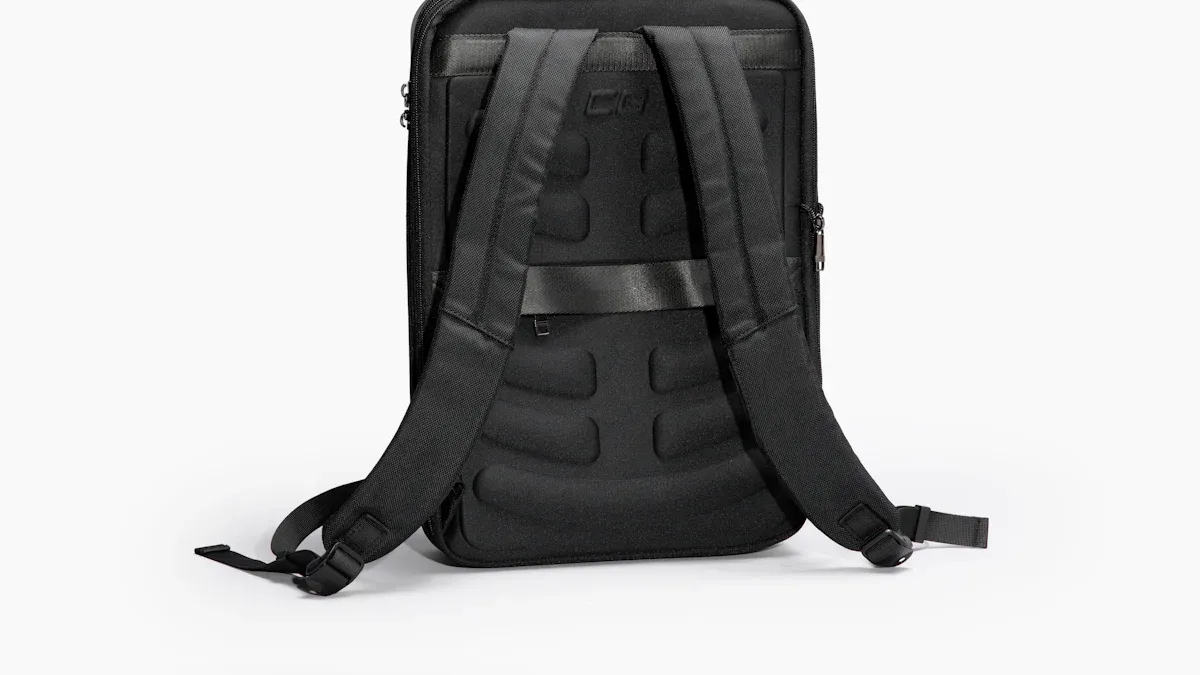
1. Build the Range Around Real Commute Jobs
Start by separating daily carry patterns instead of broad shopper labels. A daypack for a short walk-plus-transit routine does not need the same balance of structure, organization, and capacity as a bag used mainly for car errands or a hybrid workday that ends with an outdoor stop.
| Commute Pattern | Main Need | What Usually Matters Most |
|---|---|---|
| On foot or transit | Fast access and low carry burden | Compact profile, quick pockets, easy organization, lighter build |
| Car-based errands | Utility and clean handling | Stable shape, wipe-clean zones, bottle storage, tidy separation of daily supplies |
| Bike or micromobility | Control and movement-friendly carry | Lower sway, narrow depth, reflective details, secure closures |
| Hybrid weekday to weekend use | More flexibility without clutter | Expandable volume, better internal organization, weather resistance, balanced comfort |
This first split solves a major planning problem. It stops every SKU from trying to serve every owner. Once the jobs are clear, the range becomes easier to shape and easier to trim.
Tip: If a bag does not have a clear “best fit” commute pattern, it may be too generic to earn a strong place in the assortment.
2. Define the Must-Have Features Before You Define the Price Ladder
Price tiers can help later, but they should not be the first planning tool. A smarter starting point is feature logic. Ask what the bag must do well in daily use before deciding whether it belongs in an entry, mid, or upper tier.
- Quick-access pockets for items owners reach for repeatedly
- Stable bottle or food storage that does not tip easily
- Useful separation between clean and dirty or wet and dry items
- Comfort details that matter over repeated short trips, not just one try-on
- Closures and organizers that feel simple under everyday time pressure
When feature priorities are defined first, SKU planning becomes clearer. You can see which bag is the lightweight essential option, which one is the cleaner car-utility option, and which one is the more capable hybrid option. That is more helpful than writing long feature lists that blur together.
3. Cut Overlap So Every SKU Has a Clear Reason to Exist
The strongest daily daypack assortments are usually not the widest ones. They are the ones where each SKU has a clear job. If two bags share similar volume, similar layout, similar comfort level, and similar use case, the range may be carrying extra complexity without adding real value.
Use these questions to reduce overlap:
- Does this bag solve a daily carry problem that another SKU does not solve as well?
- Is the difference visible in structure, access, comfort, or organization, not just color or trim?
- Would a buyer understand the reason for choosing this SKU within a few seconds?
- If one SKU was removed, would the lineup actually lose a useful function?
If the answers are weak, the SKU may not need to stay. This is where smarter planning often improves fastest. It is not always about adding another option. Sometimes it is about making the current lineup easier to understand and easier to use.
How to Compare Daily Daypack SKUs More Practically
Start With Carry Friction, Not Feature Count
A practical comparison starts with what creates friction in daily use. A bag can look versatile and still annoy the owner because the bottle pocket is awkward, the opening is slow, the inner layout wastes space, or the straps feel heavy during short repeat trips. Those small problems usually matter more than a long list of edge-case features.
Check Comfort, Access, and Cleanability Together
These three points often decide whether a SKU works in real life:
- Comfort: does the bag stay balanced and manageable for repeated carrying?
- Access: can owners reach the items they use most without unpacking the whole bag?
- Cleanability: can the bag handle wet, messy, or fast-changing daily use without becoming annoying to maintain?
When a daypack feels good in all three areas, it usually has a stronger reason to stay in the range than a bag that wins mainly on trend language.
A Simple SKU Structure That Avoids Clutter
Entry, Core, and Flexible Utility
One clean way to structure the lineup is to separate it into three functional roles:
| Role | What It Solves | What to Avoid |
|---|---|---|
| Entry daily carry | Simple, lightweight, low-friction daily use | Too many add-ons that make the bag feel busy |
| Core commute utility | Better organization and easier day-to-day practicality | Feature duplication with only small cosmetic differences |
| Flexible utility or hybrid use | More adaptable carry for mixed weekday and weekend routines | Turning flexibility into bulk or unnecessary complexity |
This kind of structure helps teams choose the right bags for real daily use without slipping back into a broad, crowded assortment that is hard to manage and hard to explain.
About This Guide
This guide is written around the real planning problem behind the title: how to make daily daypack SKU planning clearer, cleaner, and more practical. The focus is on commute jobs, feature priorities, and overlap reduction rather than generic training language or broad operational talk.
The goal is simple. If each daily daypack has a clearer role, the range becomes easier to build, easier to compare, and easier to improve over time.
FAQ
What is the first step in smarter daily daypack SKU planning?
Start by separating real commute patterns. A lineup becomes easier to plan once you know which bags are for transit use, car-based utility, micromobility, or hybrid weekday-to-weekend carry.
Should price tiers come before feature planning?
No. It is usually better to define the must-have features first. Once the job of each bag is clear, the price ladder becomes easier to build without forcing different SKUs to solve the same problem.
How do I know when two daypacks overlap too much?
If the volume, organization, comfort level, and use case are all very similar, the range may be carrying duplication instead of useful choice. Each SKU should have a clear reason to exist.
What matters most in daily use?
Comfort, access, and cleanability usually matter most. A bag that opens easily, carries comfortably, and handles everyday mess without frustration will usually outperform a bag that only sounds feature-rich.
What makes a daily daypack range easier to understand?
A clear split between lightweight daily carry, core commute utility, and flexible hybrid use makes the range easier to compare. It also helps buyers trim overlap and keep the assortment focused.






