
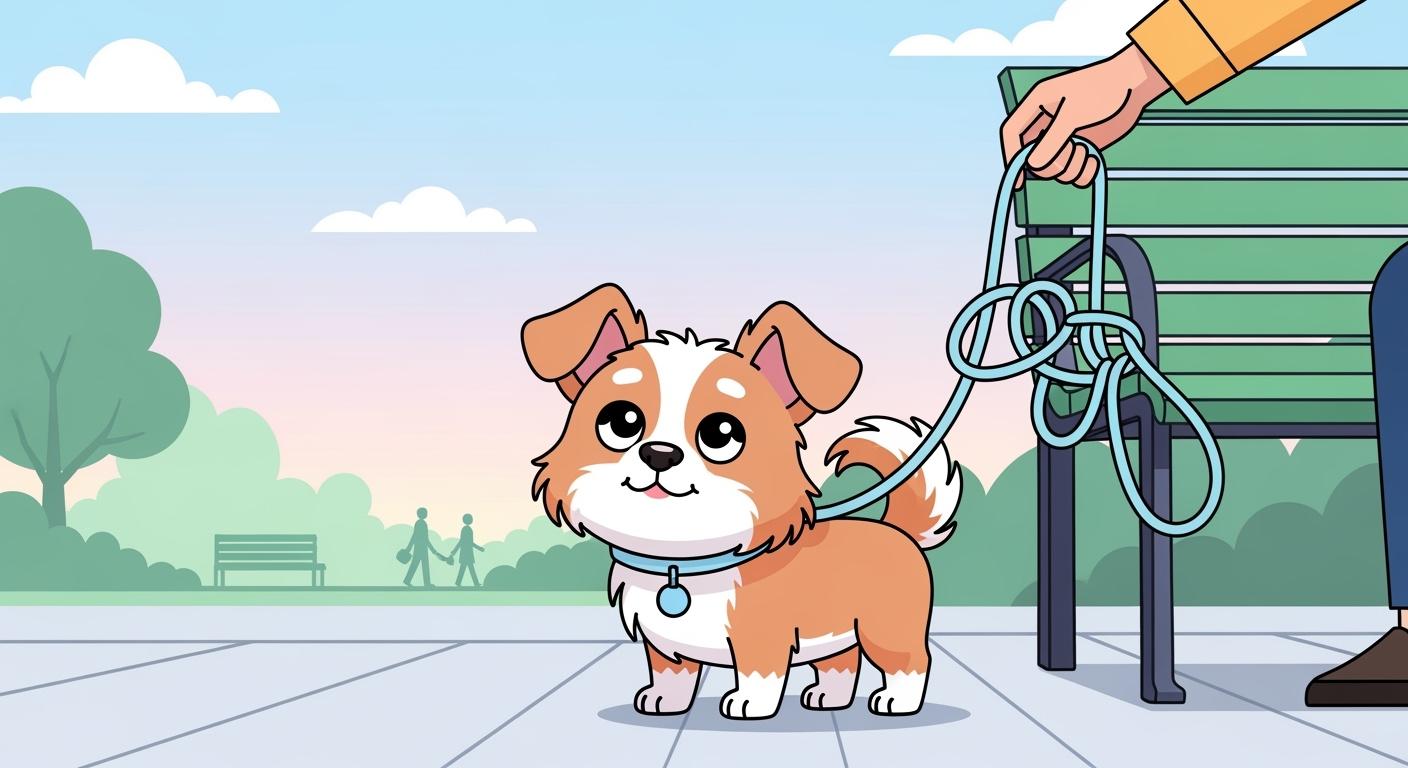
A cute dog on leash should still feel easy to handle once the walk starts. The problem usually is not the color, the pattern, or the photo-ready look. It is the way the leash, clip, collar, or harness behaves when your dog turns, pulls, stops, or gets excited. A setup that looks light and tidy can work very well on calm routes, but it can also become awkward fast if the hardware is bulky, the leash is too thin, or the whole front end starts twisting.
The best-looking setup is usually the one that stays centered, feels comfortable in your hand, and lets your dog move naturally. If you are still sorting out the basics, these harness and leash setup checks make it easier to match the walk to the gear instead of choosing by appearance alone.
Key Takeaways
- Choose a leash that matches your dog’s size, walking habits, and environment, not just the look you want.
- Check clip weight, leash length, and neck or harness crowding before every walk.
- Keep lighter or hands-free setups for situations where your dog stays reasonably close and predictable.
- Switch to a more control-focused setup when the route includes traffic, tight spaces, or frequent distractions.
When a light leash setup works and when it does not
Why a lighter setup can feel better
Small dogs and calm walkers often do better with gear that does not hang heavily from the neck or pull the front of the harness off center. A proportionate clip, flexible leash material, and simple layout can make the whole walk feel cleaner. You usually notice it in the first few minutes: the leash hangs straight, the dog turns without the front shifting, and you do not feel like you are fighting the hardware.
That same simplicity can become a weakness when the dog surges forward, spins, or reacts to another dog. Thin cords can feel harsh in the hand, very long leashes can slow your reaction time, and decorative hardware can add bulk without improving control. If the leash is doing too much correcting for a poor harness fit, start with proper harness measurements before changing the leash again.
Quiet routes vs busy routes
A lighter setup usually makes the most sense on quiet sidewalks, calm neighborhood loops, or short park walks where your dog stays connected to you. It becomes a weaker choice near traffic, narrow crossings, crowded paths, or any route where you need to shorten distance quickly. In those situations, a setup with steadier webbing and easier close control often feels less cute on the rack and much better in real use.
Tip: Look at your dog from the front and side before you leave. If the clip looks oversized, the leash hangs crooked, or the neck area already looks crowded, the walk will usually feel worse once motion starts.
What to expect from different setups
| Setup | Best Use | What Usually Feels Good | What to Watch |
|---|---|---|---|
| Lighter leash setup | Calm walks, small dogs, low-distraction routes | Less bulk, cleaner look, easier natural movement | Can feel too light or too long when quick control matters |
| Matching leash set | Everyday neighborhood walking | Balanced look and consistent materials | Still needs a real fit check, not just a coordinated appearance |
| Control-focused setup | Busy sidewalks, strong pullers, training phases | Steadier handling and quicker close control | May feel heavier than a simple casual setup |
If you want the leash and harness to work as one system instead of two separate purchases, a dog harness and leash set fit article is useful for checking leash length, clip balance, and comfort together.
How light-up collars and hands-free options change the walk

Clip size and strap width matter more than the glow
Light-up collars and hands-free leashes can look great, especially in low light, but the practical question is still balance. If the clip is too heavy for a small dog, the front end can sag or twist. If the strap is too thin for the dog’s strength, the setup may feel unstable. If the neck area is already carrying tags, a light-up collar, and a leash connection, the whole front can start to look crowded.
For dogs that need more control in tight spaces, a dog harness with handle gives you a cleaner way to add close handling without piling more gear onto the collar area.
Hands-free looks best when the dog is already steady
Hands-free walking can feel smooth on predictable routes because your arms stay relaxed and your pace stays even. It is less forgiving when your dog lunges, doubles back, or startles easily. The problem is not the concept itself. It is the delay between the dog’s movement and your correction. If you use rewards to keep attention on you during those walks, a pet training treat pack can keep treats accessible without adding clutter to the leash connection.
Low-light walks need visibility and control
A light-up collar helps your dog stand out in dim conditions, but it does not replace leash handling or route awareness. Visibility features work best when the leash, collar, or harness still sits flat and stays visible while your dog moves. For evening routes near roads or crossings, this reflective dog leash overview covers the practical difference between being easier to notice and being fully in control.
| Check Item | Pass Signal | Fail Signal | Fix |
|---|---|---|---|
| Clip size | Looks proportionate to the dog’s frame | Looks oversized, pulls the front down | Use lighter or smaller hardware |
| Strap width | Feels steady without looking bulky | Cuts in, folds, or looks oversized | Match strap width to dog size and strength |
| Neck area | Collar, tags, and leash connection sit cleanly | Front looks crowded or rubs | Remove extra accessories or shift to a harness connection |
| Visibility | Light or reflective parts stay visible in motion | Glow is blocked by fur, gear, or bad positioning | Reposition or simplify the setup |
| Hands-free stability | Leash stays predictable during normal walking | Belt shifts or the dog reaches the end too suddenly | Shorten length or return to handheld control |
Failure signs that are easy to miss on a cute walk setup
Dragging hardware, leash twist, and front-end crowding
The clearest warning signs are visual. Hardware drags lower after a few minutes. The leash starts twisting off center. The front clip rotates. The neck area looks busy instead of neat. A setup can still photograph well and walk badly. Once that happens, the dog often tells you first by slowing down, pulling against the pressure, scratching at the gear, or moving with a shorter stride.
Another common mistake is using more leash than the route allows. Busy sidewalks reward short reaction time, while open space gives you more room to manage slack. The easiest way to sort that out is to compare route type with leash length before you head out, not after the leash has already tangled.
Common mistakes that create real handling problems
- Choosing leash hardware for style without checking how heavy it feels on the dog.
- Using retractable or overly long setups where you need quick close control.
- Letting the collar area carry too many accessories at once.
- Ignoring twist, rubbing, or off-center movement because the gear still looks cute at rest.
- Trying to fix a poor harness fit by changing leash style only.
| Symptom | Likely Cause | Fast Check | Fix |
|---|---|---|---|
| Leash twists after a few turns | Bulky hardware or unstable front fit | Watch the setup from the front during a short walk | Reduce hardware weight or refit the harness |
| Dog slows down or shortens stride | Front is crowded or pressure sits in the wrong place | Check neck, chest, and underarm clearance | Simplify the setup and retest |
| Hardware drags low | Clip is too heavy for the dog or connection point | Look at where the leash hangs at rest | Use a lighter clip or different attachment point |
| Hands-free belt shifts suddenly | Leash length or dog speed does not match the route | Test on a short calm stretch first | Shorten the setup or switch to handheld |
| Dog still pulls despite a nicer leash | Control issue is coming from fit, route, or training stage | Compare behavior on a simpler setup | Move to a more control-focused walking setup |
Note: If you notice coughing, rubbing, obvious throat pressure, or restricted movement, stop the walk and refit the gear before trying the same setup again.
A cute dog on leash should look good because the setup works, not because you are tolerating little problems to keep the style. When the clip size is right, the leash matches the route, and the front stays clean instead of crowded, walks usually feel calmer for both of you. If the setup twists, drags, or makes your dog move differently, simplify it and choose the version that still feels easy after a real walk.
FAQ
How do you know if a leash setup is too heavy for your dog?
If the front starts sagging, the leash twists off center, or your dog moves stiffly, the hardware is probably too much for that setup.
Can a cute leash setup still be safe for daily walks?
Yes, as long as the leash, clip, and collar or harness stay balanced, comfortable, and easy to control on your usual route.
Are hands-free leashes a good choice for every dog?
No, they work best when your dog already walks steadily and the route does not demand constant close control.
What is the quickest pre-walk check to do?
Look at the setup from the front and side, then walk a few steps to see whether anything twists, drags, or crowds the neck area.






