
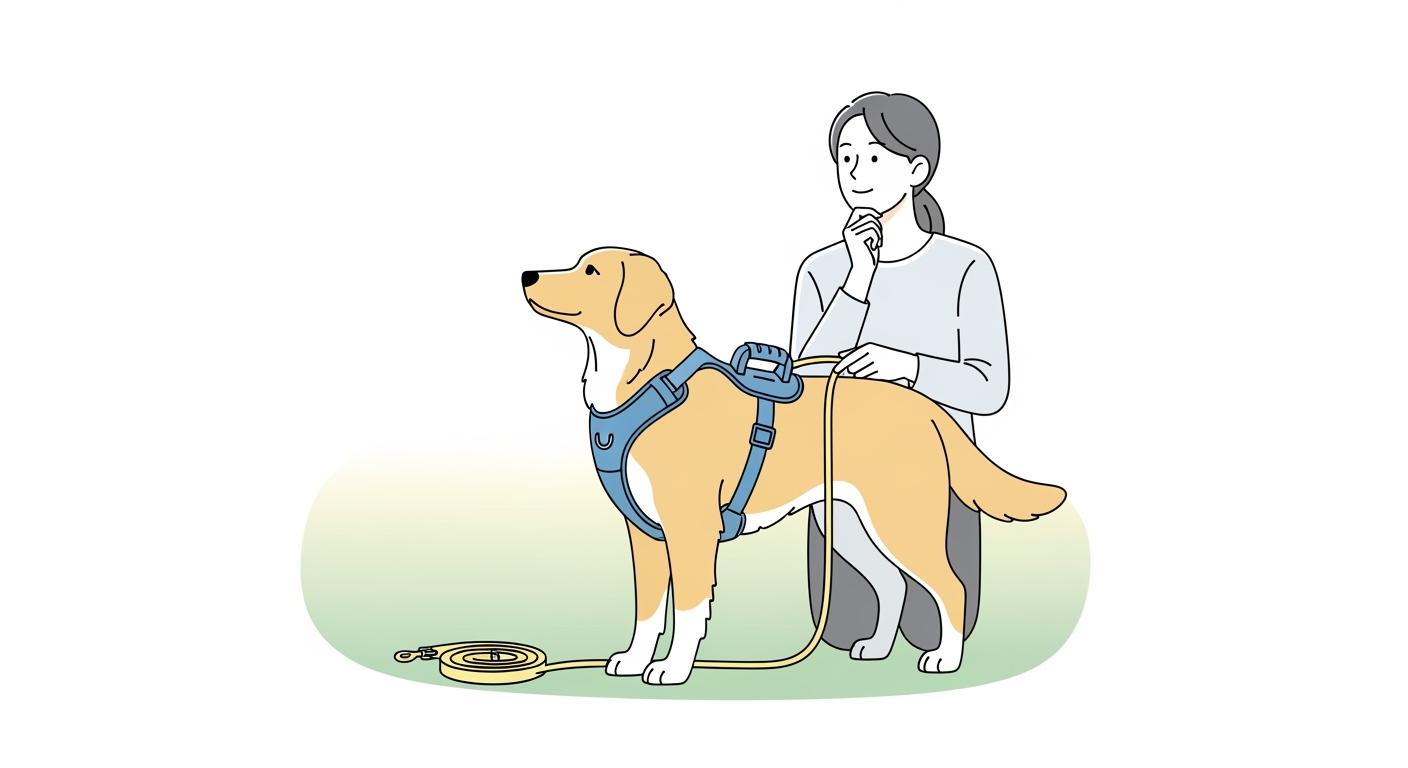
A no pull dog harness with handle can make walks easier when your dog lunges, gets overstimulated, or needs close control in crowded places. The extra handle is most useful when you need a quick, steady grip at a curb, near traffic, or while moving past other dogs. For calm walkers, though, a lighter no-pull harness may feel less bulky and more comfortable on longer walks.
Key Takeaways
- A handle adds control when you need to guide your dog quickly or keep them close in busy areas.
- Front-clip and dual-clip designs usually offer better steering than back-clip-only harnesses.
- Fit matters as much as design. A harness that shifts, rubs, or crowds the shoulders can make walking worse instead of better.
- Small dogs and easygoing walkers often do better in a lighter harness with less body coverage.
When a No Pull Dog Harness with Handle Helps and When a Simpler No-Pull Harness Works Better
Handle Advantages: Safety, Training, and Close Control
The handle matters most when your dog is strong, reactive, young, or still learning leash manners. It gives you a fast way to steady your dog without grabbing the collar or reaching under the chest. That can help when you need to pause at a curb, move through a tight doorway, help your dog in and out of the car, or keep them close while another dog passes.
A no-pull harness can also reduce neck pressure compared with a collar when a dog pulls. If the harness fits well, pressure is spread across a broader part of the body, which is often more comfortable for everyday walking and early leash training.
- A front clip usually gives the best steering for dogs that pull hard.
- A dual-clip harness gives you more flexibility for training and regular walks.
- A sturdy handle is most useful when quick control matters more than light weight.
Tip: Check whether the harness has a front clip, a back clip, or both before you buy it. The handle helps in close moments, but the clip position affects how much steering you actually get.
When Bulk Gets in the Way
Not every dog needs a handle. On small dogs, low-energy dogs, or dogs that already walk well on leash, the extra material can feel like more harness than necessary. Thick padding, wide chest panels, and oversized handles can add heat, shift during movement, or crowd the shoulder area. That may not be a problem on a short walk, but it can become noticeable on longer outings.
If your dog moves with a shorter stride, drifts to one side, or seems reluctant once the harness is on, the design may be too heavy or restrictive. In those cases, a lighter no-pull harness can be the better everyday choice.
Which Style Fits Your Walks Best
| Harness Type | Control Features | Comfort Features |
|---|---|---|
| Front-clip harness with handle | Strong steering, quick grab point, useful in crowded or unpredictable situations | Can feel bulkier and may take longer to fit correctly |
| Lighter no-pull harness | Helps redirect pulling with less material and less weight | Usually cooler, simpler, and easier for long daily walks |
| Dual-clip harness | Front and back leash options for training, walking, and changing control needs | Often the best balance of versatility and comfort |
For a strong or unpredictable dog, the handle can be worth the extra structure. For a calm dog that rarely needs close management, a simpler harness may give you enough control without extra bulk.
Quick Fit Check Before You Commit
| Check Item | Pass Signal | Fail Signal | Fix |
|---|---|---|---|
| Materials and construction | Smooth edges, sturdy stitching, secure buckles | Rough seams, loose threads, flimsy hardware | Choose a better-built harness and inspect it before regular use |
| Fit and sizing | Chest panel stays centered and snug | Harness twists, rides up, or pinches | Adjust the straps and recheck the size chart |
| Handle access | Easy to grab while your dog is moving | Handle flops down or is hard to reach | Test it on a real walk, not just indoors |
| Freedom of movement | Natural stride and full shoulder motion | Shorter steps or obvious stiffness | Try a lighter or less restrictive shape |
What Changes in Real Use: Clip Position, Handle Access, and Body Coverage
Front Clip vs. Back Clip
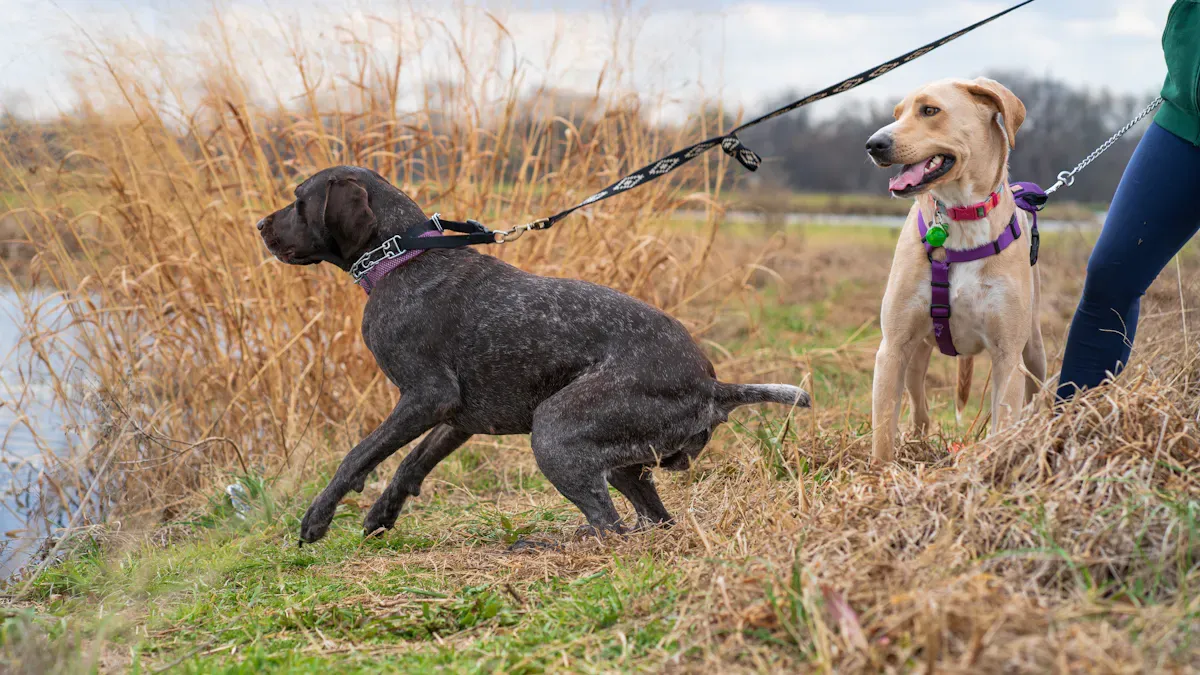
The leash attachment point changes how the harness feels on a walk. A front clip helps turn your dog back toward you when they surge forward, so it is usually the better option for pullers. A back clip is simpler and often fine for dogs that already walk calmly, but it gives you less leverage if your dog suddenly lunges.
| Clip Type | Best For | Steering Power | Effect on Pulling |
|---|---|---|---|
| Front clip | Dogs that pull, lunge, or need more guidance | Higher | Usually helps interrupt forward pulling |
| Back clip | Calm walkers, easy daily outings, jogging with trained dogs | Lower | May feel more natural, but offers less redirection |
Handle Access Should Feel Natural
A handle only helps if you can reach it fast. Test it while your dog is moving, turning, and stopping. If you have to search for it, if it collapses flat, or if it gets tangled under the leash, it may not do much in the moment you actually need it.
Good handle placement is simple: you should be able to steady your dog quickly without changing your grip too much or leaning over awkwardly.
Body Coverage Affects Comfort and Heat
More coverage is not always better. A wide chest panel or heavy padding may feel secure, but it can also trap heat and crowd the front of the body. That matters more in warm weather, on long walks, or on dogs with dense coats. Look for enough padding to prevent rubbing without covering more of the dog than necessary.
Watch how your dog moves after the harness is on. A good fit should let the shoulders move freely and should stay centered during a normal walk.
Note: If you notice rubbing, throat pressure, overheating, or limited mobility, stop using the harness until you recheck the fit. For ongoing pain or skin irritation, contact your vet.
Movement Tells You More Than Packaging
Real fit shows up in motion, not in marketing claims. If the harness slips off center, pulls unevenly, or blocks shoulder movement, your dog may shorten their stride or walk with a stiffer gait. In practice, harnesses that leave clearer space around the shoulder area tend to allow more natural movement than bulky designs that sit too close to the joint.
| Key Factor | What to Watch For |
|---|---|
| Shoulder movement | Steps should look even and relaxed, not short or choppy |
| Spine alignment | The harness should stay centered instead of pulling to one side |
| Load distribution | Pressure should feel balanced, not concentrated at the neck or underarms |
Failure Signs That Matter
A harness is not doing its job if it adds stress, heat, or awkward movement. The most common signs show up quickly once you start walking.
- The harness shifts off center or rides up toward the neck.
- You see rubbing under the front legs, at the chest, or around the neck.
- Your dog takes shorter steps or looks stiff through the shoulders.
- The handle is hard to grab when you actually need it.
- The harness feels heavy, but control does not improve much.
When the Handle Is Not Actually Helping
Some handles look useful but do little in practice. If the handle is too small, too floppy, or buried under other straps, it becomes one more thing on the harness instead of a real control point. That usually means the design is solving the wrong problem for your dog. A lighter, simpler harness can be the better answer when the handle adds weight without giving you a cleaner way to manage the walk.
Common Problems and Quick Fixes
| Symptom | Likely Cause | Fast Check | Fix |
|---|---|---|---|
| Harness shifts off center | Loose straps or the wrong size | Check fit while walking, not just when standing | Tighten the straps and confirm the size is correct |
| Chafing or rubbing | Rough edges, poor padding, or bad placement | Look for red spots after a short walk | Use a softer, better-shaped harness |
| Restricted movement | Shoulder area is too crowded | Watch for shorter steps or stiffness | Switch to a lighter or more open design |
| Handle hard to grab | Bad handle placement or too much slack | Practice grabbing it while your dog is moving | Choose a harness with a firmer, easier-to-reach handle |
| Overheating | Too much padding or coverage | Feel the harness and your dog’s body after the walk | Move to a more breathable option |
The best choice is usually straightforward: if your dog needs close control, a no pull dog harness with handle can be worth it. If your dog walks calmly and the extra structure causes heat or awkward movement, a lighter no-pull harness is often the better everyday setup.
FAQ
How do you know if a no pull harness fits your dog?
You should be able to fit two fingers under the straps, and the harness should stay centered without pinching or shifting when your dog walks.
Can you use a harness with a handle for small dogs?
Yes, but it usually works best when the harness is lightweight, sized correctly, and does not crowd the shoulders.
What is the best way to clean a no pull dog harness?
Brush off dirt, wash it with mild soap and water, and let it air dry completely before the next walk.






