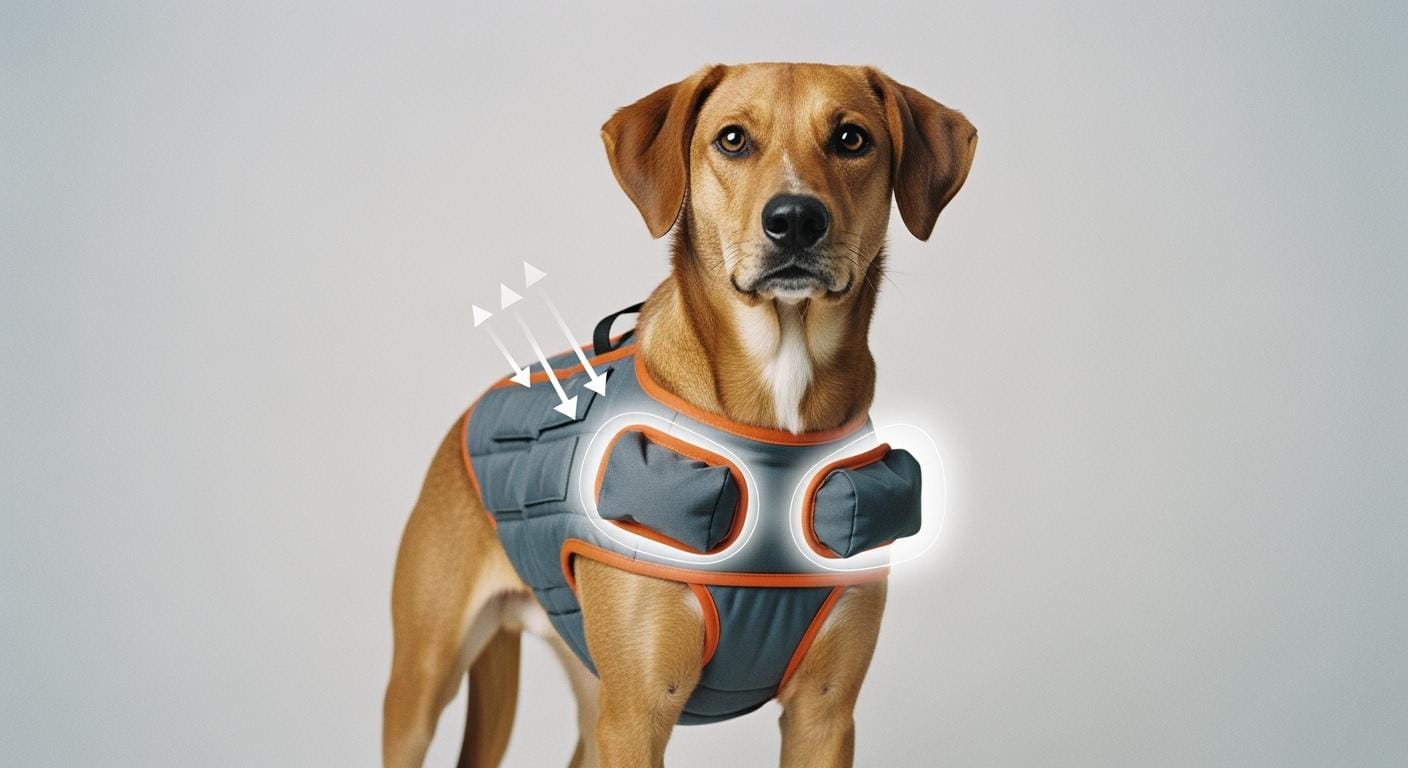
A dog harness label cannot tell you everything, but it can warn you about poor fit, vague claims, and missing basics before you spend money or clip it on for the first walk. The safest way to use packaging is to treat it as a first filter: check size guidance, material details, care notes, and plain-language use instructions first, then confirm fit on your dog. If you are still comparing styles, start with the main dog harness category so you can narrow the shape and clip style before you judge a single package.
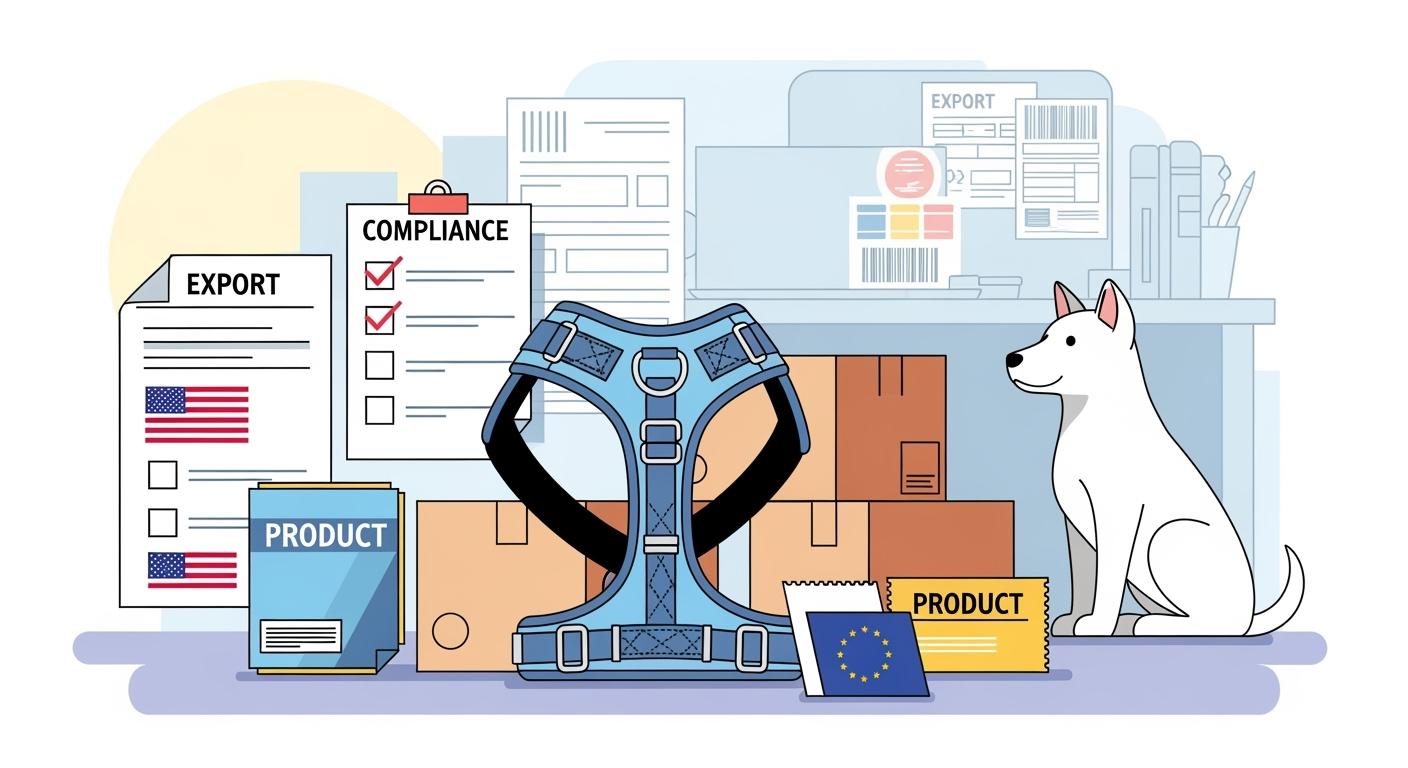
What labels and packaging should tell you before you buy
Good packaging should answer the questions that matter in real life: what size range the harness is built for, what materials touch your dog, how to put it on, and what kind of walking it is meant to handle. If the package only gives a product name and a vague claim like “heavy duty” or “escape proof,” you still do not know enough.
The most useful front-of-pack details are size range, harness type, and intended use. A clear size chart should tell you where to measure, usually chest girth first and neck second. If the label leads with weight only, treat that as incomplete. Dogs of the same weight can have very different chest depth, shoulder width, and coat thickness.
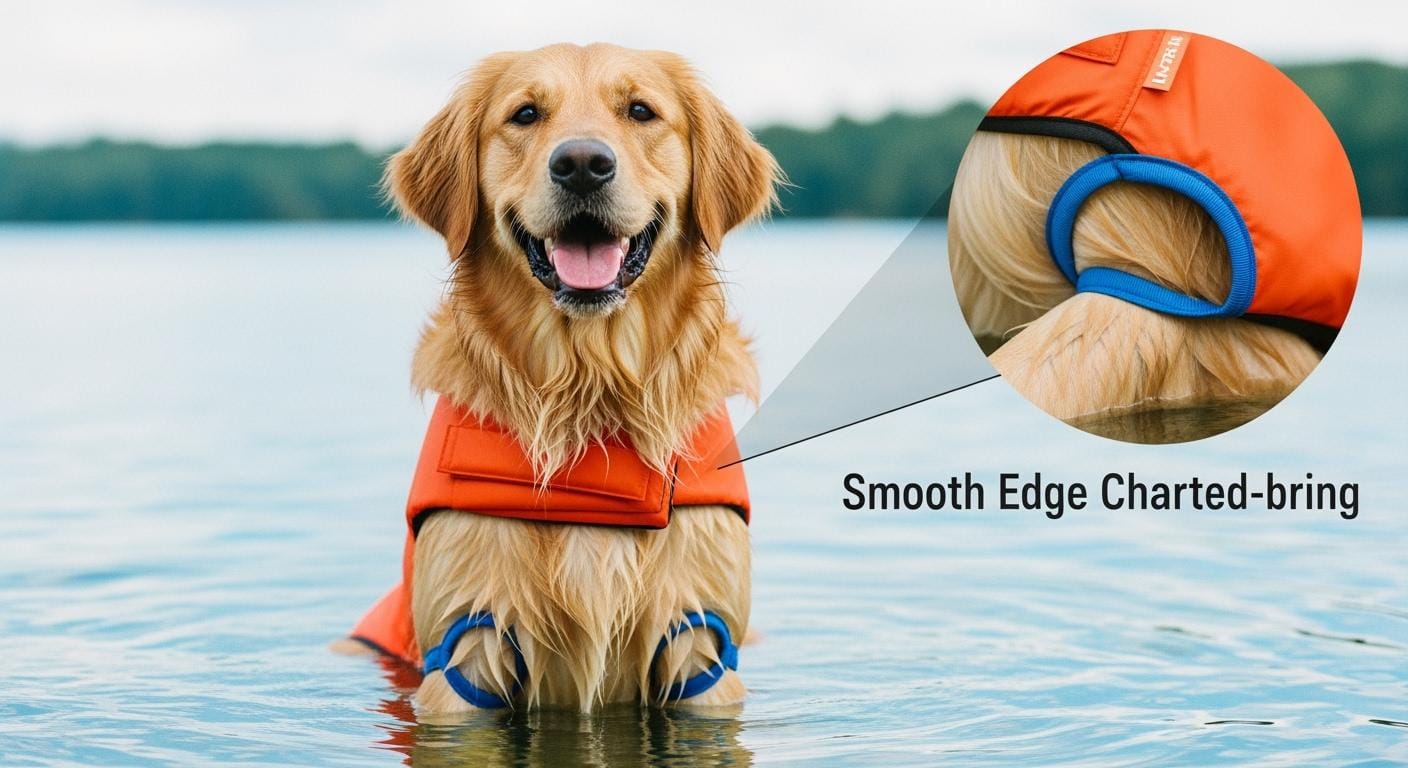
Material notes matter too. Soft lining, breathable mesh, and smooth webbing edges usually point to better day-to-day comfort. Rough edge binding, very stiff webbing, or thick bulky hardware are not always wrong, but they deserve a closer look if your dog is small, short-coated, or sensitive to rubbing.
A simple rule: packaging should help you measure, fit, use, and care for the harness. If it only sells the idea of the harness, it is not doing enough.
How to read size, material, and performance claims without guessing
Many harness packages mix useful information with marketing language. The useful part is measurable: chest range, neck range, strap width, care method, and whether the harness has a front clip, back clip, or both. The weak part is often broad language such as “no pull,” “all-day comfort,” or “strong enough for every dog.” These claims are not automatically false, but they need context.
For sizing, chest girth should matter more than a general breed list. “Small dog” and “medium dog” labels are only rough shortcuts. What matters is whether the harness sits low on the chest, clears the shoulder, and stays away from the throat when your dog leans forward. If you want a broader comparison of shapes, clip placement, and body types before buying, use this best dog harness guide.
For materials, look for specifics instead of vague comfort language. A package that names mesh, neoprene, nylon webbing, or reflective trim gives you more to work with than one that simply says “premium fabric.” Named materials do not guarantee comfort, but they make it easier to judge breathability, structure, drying speed, and likely wear points.
For performance claims, slow down whenever the words sound absolute. “Escape proof” depends on fit and body shape. “No pull” depends on clip position, leash handling, and the dog’s behavior. “Heavy duty” should still be checked against stitching, hardware size, and how stable the harness stays when your dog changes direction suddenly.
Fit checks to do right after unboxing
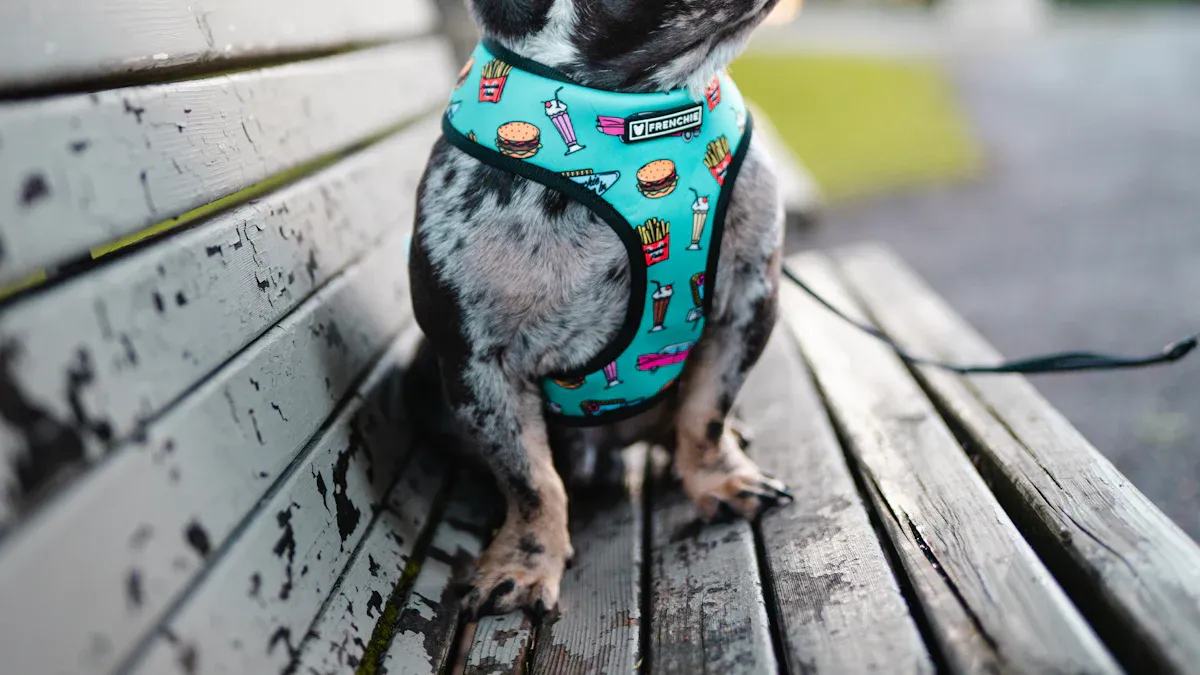
Packaging should help you choose, but the real decision happens after you put the harness on. Start with a calm indoor fit check before the first walk. Tighten each adjustment point evenly so the harness sits centered instead of twisting to one side.
- Slide two fingers under each main strap. You want gentle contact, not pinching and not loose gaps.
- Check the chest panel or front strap position. It should sit on the chest, not ride into the throat.
- Watch shoulder motion for a few steps. The harness should not block the front legs or drag into the armpit area.
- Look at the back attachment point under light tension. It should stay centered instead of rolling.
- Clip the leash on and test turning, stopping, and a few short forward steps before a full walk.
If you are pairing the harness with a new lead at the same time, use this dog harness and leash set guide to check leash length, clip weight, and everyday setup before you go outside.
The fastest signs that the packaging did not match the real fit are rubbing behind the elbows, a chest strap that creeps upward, a back panel that shifts off-center, or a dog that freezes because the harness feels restrictive. Those are fit problems first, not training problems.
Packaging red flags that often lead to returns
Some packaging problems show up before the harness ever touches your dog. Missing or weak information usually creates the same outcome later: confusion, bad fit, and a return.
- No clear measurement method, only a vague size name.
- No material information for the straps, lining, or hardware.
- Claims that sound absolute but no explanation of how the harness should fit or be used.
- No care guidance, even though mud, sweat, and rain are part of normal use.
- No plain safety note about checking wear, damaged buckles, or rubbing after adjustment.
Be extra careful with very small dogs and very strong dogs. Small dogs are more affected by bulky buckles and stiff edges. Strong dogs expose weak stitching, poor adjuster grip, and unstable harness geometry quickly. In both cases, vague packaging makes it harder to judge whether the structure really matches the dog.

When to keep, adjust, return, or stop using the harness
Keep the harness if the label matched the real product, the fit centers easily, and your dog can walk with relaxed shoulder movement. Make minor adjustments if the harness is close but needs even strap balancing after the first few minutes of wear.
Return it if the size chart clearly does not match the real fit, the hardware feels too heavy for your dog, the chest piece cannot stay in place, or the materials feel rough in the main contact points. A harness that almost fits usually becomes a frustrating daily compromise.
Stop using it right away if you notice broken stitching, slipping adjusters, a buckle that does not lock cleanly, bent hardware, or repeated throat ride-up when your dog pulls lightly. Those are not details to monitor later. They are reasons to switch gear now.
The best result is simple: the package helps you predict fit, the first fitting confirms it, and the harness stays comfortable under normal walking movement. When all three line up, you have a harness worth keeping.
FAQ
Can I choose a dog harness from the package without trying it on?
No. The package can help you narrow the right option, but you still need a real fit check on your dog. Body shape, coat thickness, and movement often matter more than a size label alone.
Is weight enough to pick the right harness size?
No. Weight can help you rule out obviously wrong sizes, but chest girth and neck shape are usually more useful. Two dogs at the same weight can need very different harness shapes.
What is the most helpful thing to look for on the label?
A clear measurement method. If the package shows where to measure and gives an actual size range, you have a much better chance of getting the fit right on the first try.
Are “no pull” and “escape proof” labels trustworthy?
They are only useful when the harness also fits well and matches your dog’s behavior. Treat those words as starting points, not guarantees.
When should I stop using a harness even if the label looked good?
Stop when you see rubbing, throat pressure, slipping adjustments, broken stitching, cracked buckles, or obvious twisting under light walking tension. Real-world fit always matters more than packaging.