

You have a big chance in the pet travel market. Recent reports from the American Pet Products Association (APPA) show that total U.S. pet industry spending reached about $152 billion in 2024, and travel accessories are one of the categories benefiting from owners treating pets as family and taking them on more trips. Dog seat belts are still a small slice of this larger market, but they are an important part of safety-focused assortments. You can sell more and gain trust by giving the right dog seat belt for each car and customer. Safety is very important when picking products. Dog owners want seat belts that fit their cars and keep pets safe. Pick adjustable and new products that meet real needs.
This guide combines findings from road-safety groups, veterinary and animal-welfare organizations, and independent crash-testing programs such as the Center for Pet Safety (CPS), so you are not relying only on manufacturer claims when you plan your dog seat belt range.
Key Takeaways
Dog seat belts help keep pets safe in the car. They stop injuries to dogs and people if there is a crash.
Pick harnesses that can be adjusted and are crash-tested. These features help dogs of any size stay safe and comfortable.
Learn about local laws for pet travel safety. Following rules helps customers trust you and shows you care about their pets.
Sell many kinds of dog seat belts for different needs. Think about dog size, car type, and how often people travel with pets.
Use good ways to show dog seat belts in your store. Put them near other pet items so people may buy more things.
Why Dog Seat Belt Safety Matters
Road Risks for Unrestrained Dogs
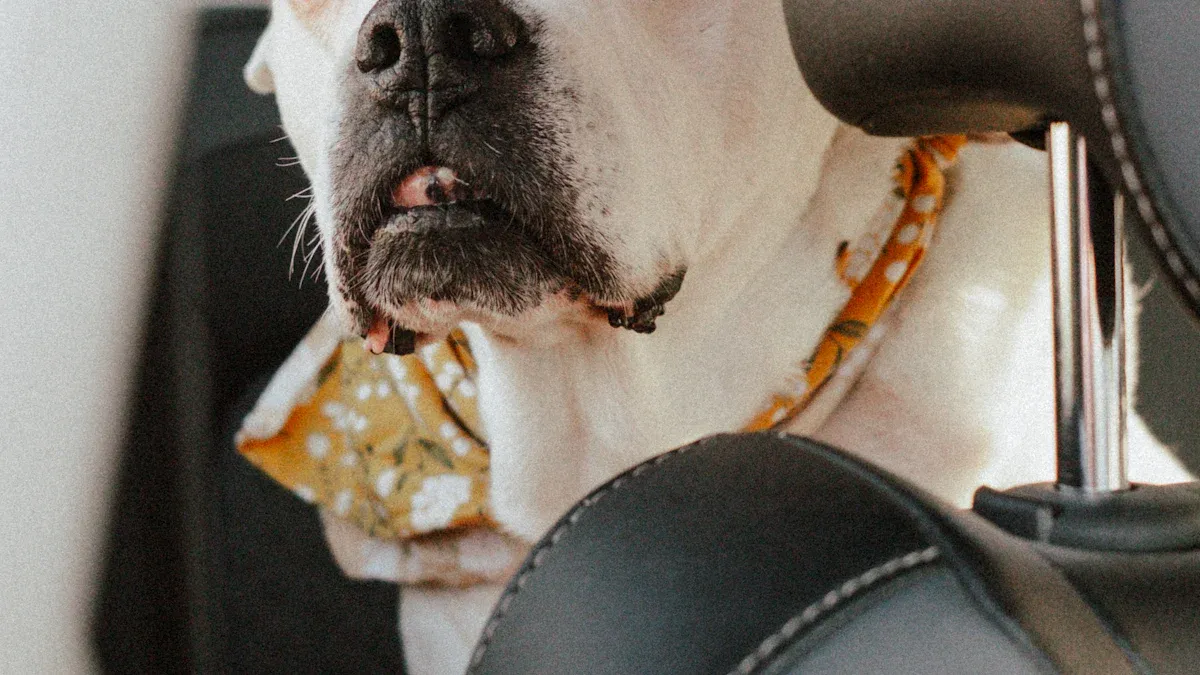
Driving with a dog that is not buckled up is risky. Dogs can become projectiles in a sudden stop or crash. American Humane, citing an analysis from AAA, notes that an unrestrained 10-pound dog in a 50-mph crash can exert about 500 pounds of force on whatever it hits – enough to seriously injure people in the car as well as the dog itself. Larger dogs create even more force.
Emergency veterinarians report that unrestrained dogs in crashes can suffer injuries such as the following:
Type of Injury | Description |
|---|---|
Lung Contusions | Lungs get hurt from the crash |
Limb and Pelvic Fractures | Legs or pelvis bones break |
Sacroiliac Luxation | Joint in the back gets dislocated |
Benefits of Dog Car Restraint Systems
Dog seatbelt systems help keep your dog in one place, which can reduce distraction. In an AAA/Kurgo survey of dog owners, about one-third of drivers said their dog had distracted them while driving, and roughly two-thirds admitted they engaged in at least one potentially distracting activity – such as petting the dog, letting it sit on their lap, giving food or water, or playing with it – while behind the wheel. A restraint that keeps the dog in one spot and away from the driver’s lap can therefore help drivers focus on the road, even though it cannot remove all risk.
Crash-tested harnesses work like child car seats. They protect dogs during crashes. Adjustable dog seatbelt designs fit many dogs and cars. Some systems, like zip lines, let dogs move safely but not reach the front seat. Adjustable dog seat belts make it easy to buckle your pet in any car.
Legal and Brand Considerations
You need to know the laws about dog travel safety where you live. As of 2024, only a handful of U.S. states have specific laws that require pets to be restrained in vehicles or address dogs in the driver’s lap – for example, New Jersey requires pets to ride in a carrier or wear a seat belt, and Hawaii prohibits drivers from holding an animal in their lap. The UK Highway Code says animals must be suitably restrained so they do not distract drivers, and rules in Australia differ by state and territory. Always check current local regulations or legal advice, because requirements can change over time.
Region | Legal Requirement |
|---|---|
US | Only six states have special rules; Hawaii says no dogs on the driver’s lap. |
UK | Dogs must be restrained so they do not distract drivers. |
Australia | Rules are different in each state and territory. |
If you follow safety rules and get certifications, people trust your brand more. Brands that care about safety and follow laws stand out. You show you care about pets and people when you offer safe, adjustable dog seatbelt choices.
Checklist for Sales Teams:
Tell how a dog seat belt stops injuries.
Show how dog seatbelt use helps drivers pay attention.
Point out adjustable features for all dog sizes and cars.
Share local laws about dog travel safety.
Stress your brand’s promise to safety and following rules.
Dog Seat Belt Systems and Features
Essential Components of Dog Seatbelt
A modern dog seatbelt system has a few main parts. You need a harness, a tether, a buckle, and anti-tangle parts. Each part helps keep your dog safe and comfy when you travel. The table below shows how these parts work together for safety and comfort:
Feature | Contribution to Safety and Comfort |
|---|---|
Crash-tested safety features | Keeps your dog held in place and lowers injury risk in a crash. |
Comfort and adjustability | A good fit keeps your dog calm and stops distractions. |
Compatibility with car models | Lets you use the dog seatbelt in many types of cars. |
Proper installation guidelines | Helps you use the system right for the best safety. |
You should always pick crash-tested harnesses with adjustable straps and clear steps.
Harness vs. Collar for Safety
When you choose a restraint, harnesses are safer than collars. Here is why:
Harnesses give you more control and lower injury risk in cars.
Crash-tested harnesses help keep dogs safe in crashes.
ISOFIX and seatbelt harnesses work best for dog travel safety.
Collars can work sometimes, but harnesses are safer.
A harness fits your dog well and gives better protection.
Crash Testing and Safety Ratings
Crash-tested harnesses should be validated with dynamic tests, not just pull tests on webbing. The non-profit Center for Pet Safety (CPS) has developed its own harness crash-test protocol based on child car-seat methods and has published test results showing that many products marketed as “crash tested” actually failed. A smaller group of harnesses – such as the Sleepypod Clickit Sport – achieved a 5-Star CPS safety rating in their program. When you see CPS certificates or independent lab reports, check that they refer to the exact harness model and size you plan to stock.
Trends – Smart Tech and Eco Materials
Dog seatbelt trends now use smart tech and eco-friendly stuff. Many brands use recycled fabrics, biodegradable fabrics, neoprene, and mesh. These materials give comfort, airflow, and absorb shocks. You will also see more recycled nylon and plant-based plastics. As more people care about the earth, brands use green ways and clear supply chains. Picking an adjustable, eco-friendly dog seat belt helps you meet what customers want and helps the planet.
Safety and Fit Requirements
Sizing Tips for Dog Seat Belt
Picking the right dog seatbelt size keeps your dog safe. You need to match the harness to your dog’s weight and shape. The harness should fit snug but not hurt your dog. It should not pinch or rub. Use this table to help you pick the best dog seatbelt for your dog:
Dog Size Category | Weight Range | Recommendations |
|---|---|---|
Small Dogs | Under 25 pounds | Look for harnesses made for small breeds. |
Medium Dogs | 25-60 pounds | A standard harness with adjustable straps works well. |
Large Dogs | Over 60 pounds | Pick a strong harness for big, strong dogs. |
Always check the sizing chart from the maker. An adjustable harness lets you change the fit as your dog grows or gains weight.
Installation and Car Compatibility
Your dog seatbelt should work with your car. Car compatibility is important for safety and easy use. Many dog seatbelt systems have strong openings in car seat covers. These covers can be hammock or bench style. They let you use seat belts without trouble. Good anchors and non-slip backs keep the cover in place, even if you stop fast.
Tip: Try the dog seatbelt in your car before you travel. Make sure the buckle fits your car’s seatbelt slot. Check that the tether is the right length for your dog.
Simple In-Car Fit Test You Can Repeat
Before you roll out a new dog seat belt range, run a quick in-car fit test with sample harnesses and vehicles:
- Step 1 – Basic fit: Adjust the harness on the dog so you can fit two fingers under each strap. Clip the tether to the car’s seat belt buckle or LATCH point as the instructions describe.
- Step 2 – Position checks: Ask the dog to sit, lie down, and turn around. Make sure the tether length does not let the dog reach the front seat or get twisted in the belt.
- Step 3 – Low-speed brake test: In an empty parking lot, make a few firm but controlled stops at low speed to see how much the dog’s body moves and whether the harness stays in place.
- Step 4 – Record issues: Note any tangles, rubbing points, or clips that are hard to use, and feed these findings back into your product selection or design brief.
Running the same checklist on every new model turns “it feels okay” into repeatable data for your buying and safety teams.
Look for adjustable straps to help the seatbelt fit many car models. This gives your dog the best protection and keeps them safe when you drive.
Material and Durability Standards
Good materials make your dog seatbelt last longer and stay safe. Look for strong Oxford cloth for tough use. Waterproof layers help protect from spills. Strong stitching and metal parts make the harness stronger. A hard base helps big or older dogs stay steady. Use this table to compare material choices:
Material Type | Durability | Waterproof | Best For |
|---|---|---|---|
600D Oxford | High | High | Large dogs, daily use |
900D Oxford | Very high | High | Heavy chewers, extreme use |
Nylon | Medium | Medium | Small dogs, light use |
Quilted cotton blend | Medium | Low | Comfort |
PVC/TPU bonding | Very high | Very high | Mess-prone dogs |
Structured hard bottom | Extreme | High | Large + senior dogs |
Pick materials that fit your dog’s needs and how you travel. This helps your dog seatbelt stay strong and safe for every trip.
Practical Bench Tests for Buyers and QC Teams
You can also add simple bench tests to your quality checks without building a full crash lab:
- Static load pull: Attach the harness to a fixed point and apply a steady pull equivalent to at least twice the rated dog weight for 15–30 seconds. Check for slipping buckles, torn stitching, or bent hardware.
- Cycle test on buckles: Open and close the main buckles 200–300 times to see whether they jam, stick, or loosen. This simulates months of real use.
- Soil and clean test: Rub in fine dirt or pet hair, then clean the harness following the care label. Note how easily the materials wash and how fast they dry.
Documenting these results in a simple table gives you a stronger, evidence-based reason to approve or reject specific materials and constructions.
Vehicle Types and Car Compatibility
Dog Seat Belt for Sedans
Sedans have standard seat layouts, so you can use most dog seatbelt systems with ease. Look for adjustable straps that allow a snug fit for your dog. Most seatbelt tethers attach to the car’s seatbelt buckle or the LATCH system. This setup gives you a secure attachment and helps keep your dog safe during sudden stops. You should check that the dog seatbelt does not tangle or let your dog move too much. Adjustable dog restraint options work well in sedans and are suitable for all dog breeds.
Dog Seatbelt for SUVs and Crossovers
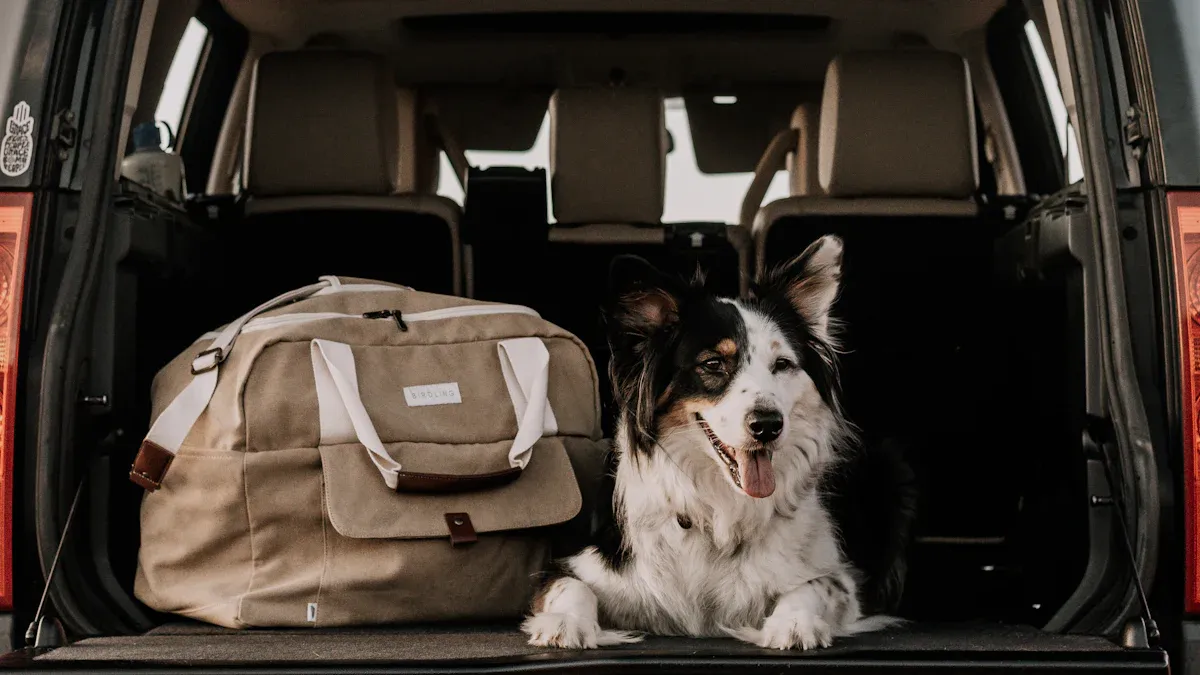
SUVs and crossovers give you more space, but you must still focus on safety. Many owners use the back seat or cargo area for their dogs. In these vehicles, adjustable dog seatbelt systems help you fit the harness to your dog and the car. Some SUVs have higher seatbacks or larger gaps, so you need to check that the restraint fits tightly. Reliable restraint systems with anti-tangle features work best. Always test the fit before a long trip to make sure your dog stays safe.
Dog Car Restraint Systems for Trucks
Trucks present unique challenges for dog car restraint systems. Many truck drivers travel long distances with their pets. Volvo Trucks North America has announced a collaboration with the Center for Pet Safety to promote safer, more comfortable travel for professional drivers and their pets and to inform performance-based guidance on harnesses used in trucks. These standards help you keep your dog comfortable and safe on the road. In trucks, you may need a dog seatbelt that fits both the front and back seats. Adjustable harnesses and vehicle restraints designed for trucks give you flexibility and safety for every journey.
Restraints for Vans and Commercial Vehicles
Vans and commercial vehicles often need stronger solutions than passenger cars. Here are some key differences:
Direct seat belt tethers work well in passenger cars by attaching to the harness and the car’s LATCH system.
These tethers keep dogs secure and reduce distractions during quick stops.
Vans, especially those with load beds, may need crash-tested crates or cages fixed in the back for better safety.
Dog seatbelts for passenger cars keep your dog secure in the seat.
For vans, crash-tested crates or cages offer the best dog travel safety in the back area.
You should always match the restraint to your vehicle and your dog’s size. Adjustable and strong vehicle restraints help you meet safety needs for every trip.
Customer Segments and Needs
Small Dog Owners – Sizing and Comfort
You want your small dog to travel safely and comfortably. The right dog seatbelt must fit your canine’s girth and weight. High-quality materials help the harness last longer and keep your dog comfortable. Harnesses work better than collars for safety. For very small dogs, you may prefer a carrier for extra comfort and protection.
Need/Consideration | Description |
|---|---|
Sizing | The seatbelt must fit your dog’s girth and weight. |
Material Quality | Durable materials keep your dog safe and comfortable. |
Comfort | A soft harness helps your dog relax during travel. |
Safety | Harnesses protect better than collars. |
Alternative Options | Carriers work well for very small dogs. |
Large Dog Owners – Strength and Safety
Large dogs need strong and safe restraints. You should look for a dog seatbelt with a padded chest plate. This helps spread out force in a crash and lowers injury risk. Two leash attachment points give you more control and comfort. Make sure the product passes tests at trusted safety labs. Adjustable straps help you get the right fit for your canine.
Padded chest plates spread out force and protect your dog.
Two leash points add comfort and control.
Tested harnesses meet top safety standards.
Frequent Travelers – Convenience and Portability
If you travel often, you need a dog seatbelt that is easy to use and move. Quick installation saves you time. Adjustable harnesses fit many dog sizes and breeds. Your canine can move a little but stays safe.
Feature | Description |
|---|---|
Quick and Easy Installation | You can attach and remove the harness fast. |
Adaptability | Adjustable styles fit many dogs. |
Freedom to Move Safely | Your dog can shift but stays secure with the seatbelt. |
Many veterinary and animal-welfare groups recommend using some form of restraint – such as a crash-tested harness, secured crate, or barrier – to help keep dogs safe and reduce driver distraction during car travel.
Families and Multi-Pet Households
Families with more than one dog need special solutions. You must think about the size and weight of all your dogs. Segmented seat covers help keep active dogs apart. Compact cars work for small breeds, but SUVs give more space for large dogs.
Factor | Description |
|---|---|
Size of the Dogs | Small dogs need less space; large dogs need more room. |
Combined Weight | The seat cover must hold all your dogs’ weight. |
Space Requirements | Segmented covers help keep dogs safe and comfortable. |
Type of Car | Choose a car that fits your dogs’ size and needs. |
Tech-Savvy and Eco-Conscious Consumers
You may want smart features and green materials. Some dog seatbelt brands use recycled fabrics or plant-based plastics. Others offer smart tech, like tracking or adjustable fit with sensors. Customizable designs let you pick the best option for your canine. These trends help you support canine car safety and protect the planet.
Assortment Planning Guide
Matching Dog Seat Belt Features to Needs
You want every customer to get the right dog seatbelt. Match the seatbelt features to what people need. Small dogs need soft harnesses that adjust and fit tight. Large dogs need strong harnesses with padding and tough stitching. Families with more than one dog need seatbelts for several pets and different cars. Tech-savvy shoppers want smart features like tracking or sensors. Eco-conscious buyers look for green materials. Always make sure the seatbelt fits the car’s seatbelt system and works with the car’s layout. Adjustable straps help you fit more dog sizes and car types. This way, you give the best choices for every situation.
Tip: Ask customers about their car, dog size, and travel habits. This helps you suggest the best dog seatbelt for them.
Building a Tiered Product Assortment
You can reach more people by offering different levels of seatbelts. Give value, mid-tier, and premium choices. Value seatbelts offer basic safety and comfort for daily use. Mid-tier seatbelts have extra padding or anti-tangle designs. Premium seatbelts have crash-tested harnesses, smart tech, and eco-friendly materials. Mix private label and national brands for more trust and variety. This plan helps you meet different prices and needs, so every dog owner finds the right seatbelt for their car.
Value: Basic safety, simple adjustable harness, fits most cars.
Mid-tier: More comfort, better materials, anti-tangle features, fits more vehicle types.
Premium: Crash-tested, smart tech, eco-friendly, top comfort, best for all car and vehicle types.
Supplier Evaluation Criteria
You want the best suppliers for dog seatbelt products. Use clear rules to pick good partners. The table below shows what to check:
Criteria | Description |
|---|---|
Scalability | Can the supplier offer seatbelts for all dog sizes and future needs? |
Compliance | Do the products meet safety standards and have the right certifications? |
Innovation | Does the supplier add new features for safety, easy use, or car integration? |
Long-term ROI | Will the products lower risk, improve safety, and boost your brand? |
Pick suppliers who meet these rules. This helps you offer safe dog seatbelt choices and keep customers happy.
Merchandising Strategies
You can sell more dog seatbelts with smart store ideas. Put dog seatbelt displays near car accessories or pet travel items. Group seatbelts with dog beds, toys, or treats. This makes customers want to buy more for their pets. A good store layout helps people see the best products and find what they need fast.
Put dog seatbelt displays near car and pet travel items.
Group related products, like dog beds and toys, to encourage bigger purchases.
Use signs to show the best features, like adjustable straps or crash-tested safety.
Note: Cross-merchandising helps customers see how dog seatbelt products fit into their daily routines.
Quick Reference Table – Dog Seat Belt by Vehicle and Segment
Use this table to match the best dog seatbelt to each car and customer type:
Vehicle Type | Customer Segment | Best Dog Seatbelt Features |
|---|---|---|
Sedan | Small dog owners | Soft, adjustable harness, easy buckle |
Sedan | Large dog owners | Padded, reinforced, crash-tested |
SUV/Crossover | Families, multi-pet | Multi-dog, anti-tangle, adjustable, strong |
Truck | Frequent travelers | Durable, quick install, fits front/back seats |
Van/Commercial | Eco-conscious, tech-savvy | Eco-friendly, smart tech, crash-tested, modular |
This guide helps you pick the best seatbelt for every car and customer, so you always meet their needs.
You can make a good dog seatbelt selection by thinking about safety, car fit, and what customers want. Pick products that work for all dogs and cars. Find new features and check that each dog seatbelt follows the latest rules. Look at your dog seatbelt choices often. Keep up with local laws. Help your customers keep their dog safe on every trip.
About Data, Laws, and Updates
The guidance in this article is based on public information from organizations such as the American Pet Products Association (APPA), AAA and its pet travel safety surveys, American Humane, and the Center for Pet Safety, along with more recent news about pet restraint laws and truck-safety collaborations. Figures and legal examples reflect sources available between 2010 and 2025 and may change over time. This guide is for general product and assortment planning only and is not legal or engineering advice. Always confirm the latest regulations in your markets and review current crash-test reports from independent labs before making safety claims.
FAQ
How do you know if a dog seat belt fits your car?
Check the seat belt buckle and tether length. Most brands list compatible car models. Try the seat belt in your car before buying. Ask the seller if you are unsure.
Can you use a regular harness as a dog seat belt?
No, you should not use a regular harness. Only crash-tested harnesses protect your dog in a car. Look for products labeled for car safety.
What is the safest place for your dog in the car?
The back seat is safest for your dog. Avoid the front seat because airbags can hurt pets. Use a harness or crate for extra protection.
How often should you check your dog seat belt for wear?
You should check your dog seat belt every month. Look for frayed straps, broken buckles, or loose stitching. Replace the seat belt if you see damage.






