
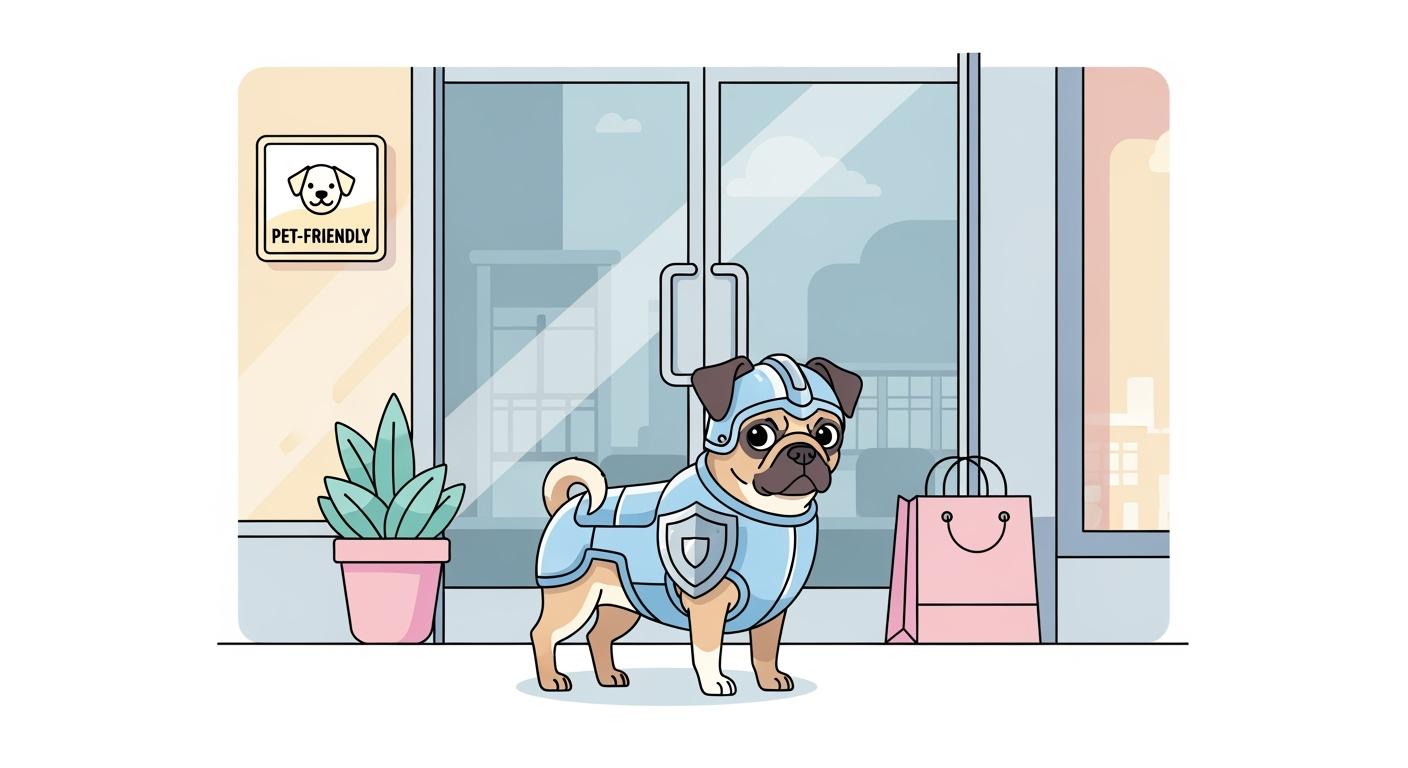
You know that small dogs in the country face real dangers outside. Predators like coyotes or big birds, and rough ground, can put small pets at risk. Dog armor lets you protect your pet in a way that matters to every dog owner. Retailers who sell good dog armor make their store more popular and bring in more pet owners. You can see this in the rising need for gear that helps keep small dogs safe.
Benefit | Description |
|---|---|
Stocking Pet Armor | Raises store profile by selling trusted, high-quality pet care solutions |
Growing Demand | Useful gear meets pet owners’ need for protective equipment |
Key Takeaways
Small dogs can get hurt outside. There are predators and bad weather. Always watch your pet. Use protective gear to keep them safe.
Dog armor helps protect small dogs. Find vests that cover the neck, back, and sides. This lowers the chance of injury.
Retailers can grow their business with dog armor. Selling many types of vests meets pet safety needs.
Pick vests made from tough materials. Reflective features help others see your dog. This is important in low light.
Check your dog’s vest often. Make sure it fits well and is in good shape. A good vest keeps your pet safe and comfortable.
Why small dogs need protection outdoors
Rural exposure and pet risks
Small dogs outside in the country face many dangers. These dangers can hurt your pet fast. You should learn about these risks to keep your dog safe. Some common outdoor dangers are:
Very hot or cold weather can make dogs sick
Wild animals can spread diseases to pets
Some plants can poison your dog
Wild animals might bite or scratch your pet
Dogs can get worms from being outside
Lawn chemicals can be harmful to dogs
Watch out for these dangers every time your dog goes outside.
Common predators and attack scenarios
Predators look for small dogs because they are easy to catch. The most common predators are:
Coyotes hunt small dogs when they cannot find other food
Hawks can pick up dogs from yards
Foxes may attack if they are hungry or scared
Bears rarely attack but might if food is hard to find
Coyotes attack in different ways. They watch pets and learn their habits. Coyotes sneak up instead of running after dogs. Sometimes, two coyotes work together to trap a dog. During baby season, coyotes attack more often because they protect their young. Small dogs and cats look like food to coyotes, so they are at greater risk.
Tip: Always keep your dog on a leash and watch them outside to help stop coyote attacks.
High-risk dog profiles
Some dogs have a bigger chance of being attacked by coyotes or other animals. Pay close attention if your dog matches these traits:
Small dogs are easier for predators to grab
Dogs with set routines go outside at the same time every day
Dogs left alone in open yards or near woods are at more risk
Dogs living near fields, forests, or water where wild animals live
You can help keep your dog safe by changing routines, using special vests, and always watching your pet outside.
Dog armor and protective anti-coyote vests
What is dog armor for small dogs
Dog armor helps keep small pets safer outside. It is not the same as a regular harness or jacket. Dog armor uses strong materials and special designs. These features help protect pets from bites, scratches, and rough ground. Some dog armor has tough fabric and extra padding. Other types, like stridepaw’s anti-hawk/anti-coyote spiked dog vest, have spikes and hard panels. These make predators think twice before attacking.
Here is a table that lists common materials used in pet body armor and protection vests:
Material | Properties |
|---|---|
Nylon fabric | Affordable, tear-resistant, water-resistant |
EVA foam sheets | Light cushioning, impact resistant |
Neoprene | Flexible padding, often used in wetsuits |
Velcro or buckle straps | Adjustable and replaceable |
Reflective patches | Enhance visibility and flair |
Dog armor does more than a harness. It covers more of your pet’s body. It uses layers that are hard to bite through. The spikes on some vests, like those from stridepaw, make it harder for a coyote or hawk to grab your dog.
How coyote vests for dogs work
Coyote vests for dogs have many features to help protect pets. These vests cover the back, sides, and belly. Some also cover the neck, which is a common spot for attacks. The main goal is to make it hard for a coyote or other animal to bite or carry your pet away.
Anti-coyote vests use strong, puncture-resistant materials like Kevlar.
Spikes or hard pieces stick out from the vest to scare off predators.
Bright colors and reflective patches help you see your dog and warn animals.
Adjustable straps and soft padding keep your pet comfortable.
The design helps block bites and scratches so your dog can escape.
Stridepaw’s anti-hawk/anti-coyote spiked dog vest uses these features to help keep small dogs safe. The spikes and tough fabric make it hard for a coyote to get a grip. The bright colors and reflective patches help you see your pet in low light and warn predators that your dog is not easy to catch.
Limits of protection
Dog armor and protective anti-coyote vests give good safety, but they have limits. No vest can keep your pet safe all the time. You still need to watch your pet when outside, especially where coyotes or other predators live.
Note: Always watch your dog outside, even with a protection vest. Vests help lower risk but do not make your pet invincible.
A protection vest can block bites and slow down an attack, but it cannot stop every danger. Some predators may still try to grab your dog. You should use dog armor as part of a safety plan. This plan should include leashes, fences, and watching your pet closely. Pet body armor works best when you use it with smart outdoor habits.
Coyote vests for dogs help you worry less and lower the chance of injury. The puncture-resistant anti-coyote vest from stridepaw adds a strong layer of defense, but you must stay alert. Remember, dog armor is an extra safety tool, not a replacement for good supervision.
Dog armor design features for retailers
Coverage and protection zones
Retailers want customers to keep pets safe outside. The best vest covers the dog’s neck, back, and sides. These spots are most at risk in a coyote attack. Some vests add belly and chest panels for more coverage. Spikes on the collar and spine help stop bites and grabs. Vests with layered spikes protect even if one row fails. This keeps the dog safer.
Tip: Show a picture of a dog in a spiked vest outside. This helps customers see how coverage zones work.
Materials and spikes
Good vests use strong material to block teeth and claws. Kevlar and thick nylon work well for this. These materials use layers and tough fibers to spread bite force. Cross-plied nylon and 1000D cores give about 93% bite resistance. Some vests use hex cells to trap impact and lower tissue damage by 80%. Kevlar resists bites much better than leather. Spikes made of plastic or metal add more defense. Spikes should be long enough to scare coyotes but not hurt pets or people. Spikes go on the neck, back, and sides for full protection.
Spikes on the collar protect the neck from bites.
Spikes on the back and sides stop predators from grabbing.
Flexible plastic spikes bend so they do not break or hurt the dog.
Rows of spikes give layered protection.
Use a guide that compares spike layouts and materials. This shows how each design blocks coyote attacks.
Fit and mobility
A vest must fit well to protect the dog. Adjustable straps and buckles help the vest stay snug but not too tight. A good fit keeps the vest in place when the dog runs or plays. If the vest moves, it leaves gaps in protection. Lightweight vests with sweat-wicking liners keep dogs cool. Mesh panels and flexible fabrics let dogs move easily. Weight balance matters. A balanced vest stops fatigue and keeps the dog steady. Quick-release buckles help owners put the vest on fast.
Design Feature | Importance for Protection and Mobility |
|---|---|
Stab-resistant layers | Block bites but let the dog move freely |
Carrier Fabrics | Durable and comfortable for long wear |
Moisture Management | Prevents overheating and keeps the dog dry |
Weight Distribution | Reduces fatigue and helps with balance |
Flexibility in Design | Allows natural movement without losing protection |
Quick-Don Features | Makes it easy to put on or remove the vest quickly |
Show a video or photos of a retailer fitting a vest on a small dog. This helps show how to adjust the vest and check movement.
Visibility and safety
Pets need to be easy to see, even in low light. Reflective materials bounce light back to drivers and people. This makes dogs easy to spot from far away. Bright colors like orange or yellow stand out in fields and near roads. Reflective patches help drivers see pets from all sides. Most pet accidents with cars happen near home and at dawn or dusk. Reflective gear can warn drivers from far away and lower accident risk. Look for vests with at least three reflective spots: one on the collar, one on the back, and one on each side.
Evidence Type | Description |
|---|---|
Reflective Materials | Retroreflective materials bounce light back, making pets easier to see from far away. |
High-Visibility Colors | Bright colors like orange and yellow stand out in many places. |
Visibility from Multiple Angles | Reflective vests help pets be seen from the front, side, and back, which is important in low light. |
A photo gallery of vests with stripes and bright colors outdoors helps retailers explain safety features to customers.
Remind customers that no vest can keep pets safe all the time. Vests with spikes and strong fabric help lower risk from coyotes and other dangers. The best design uses good coverage, tough materials, a good fit, and reflective features. These choices help protect pets and give owners peace of mind.
Matching coyote vests to rural customers
Backyard and suburban dogs
Many small dogs live in suburbs with fenced yards. These dogs can still face danger from coyotes near homes. Coyotes come out most at dawn or dusk. Spiked vests with bright colors help keep dogs safer. Pick a vest that covers the neck, back, and sides. This gives better protection. Reflective patches help people see dogs when it is dark. Owners let dogs play outside a lot. A light vest with straps you can adjust is best for daily wear.
Tip: Tell customers that vests lower risk but do not make dogs fully safe. Watching your dog is still very important.
Farm and ranch companions
Farm and ranch dogs spend time near fields and barns. These places have more coyotes. Dogs need vests made from tough, bite-resistant fabric. The vest should cover more of the dog’s body. Spikes on the collar and back help scare off wild animals. Waterproof vests work well in rain or mud. Dogs that work or roam need a vest that fits well and is easy to clean. Some vests have extra panels on the belly for more bite and scratch protection.
Pick vests with strong seams for rough ground.
Find vests that protect but let dogs move easily.
Check vests often for damage or worn spots.
Hiking and adventure dogs
Dogs that go hiking need special gear for safety. These dogs need vests that protect from coyotes and help with outdoor fun. Cooling vests help dogs stay cool on hot days. Dog boots keep paws safe from sharp rocks or hot ground. A strong handle lets you help your dog over things. Reflective strips make dogs easier to see in the woods or at dusk.
Feature | Description |
|---|---|
Harness Design | Spreads pressure with a second strap on the belly. |
Fit and Comfort | Testing helps find the best fit for each dog. |
Safety Features | Spreads pressure so the neck does not get hurt. |
Cooling Vests | Help dogs stay cool on hikes. |
Dog Boots | Keep paws safe from burns and cuts. |
Reflective Strips | Make dogs easier to see when it is dark. |
Sturdy Handle | Lets you help your dog over things or hold them quickly. |
Note: Remind customers to check vest fit before long hikes. A vest that fits well keeps dogs safer and more comfortable.
Sizing, fitting, and safety tips
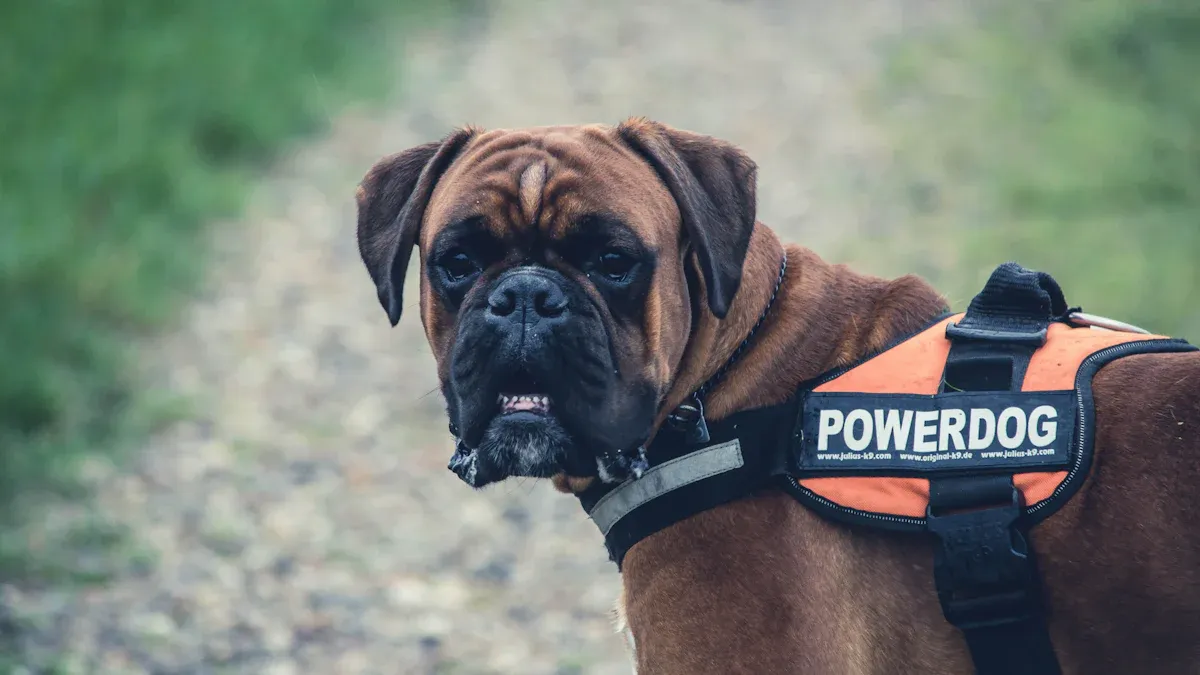
Measuring small dogs
You need to measure dogs carefully before picking a vest. Use a soft tape measure for each step. The “two-finger rule” helps keep the vest comfy and not too tight. Here is a table to help you measure:
Measurement Type | Instructions |
|---|---|
Topline or Back | Measure from the neck’s base to the tail’s base along the spine. |
Chest Girth | Wrap the tape around the widest part of the ribs, just behind the front legs. Use the ‘two-finger rule’. |
Neck Girth | Measure around the neck where the collar goes. Use the ‘two-finger rule’. |
Harness Measurement | Use chest and neck sizes, and remember the ‘two-finger rule’. |
Collar Measurement | Only measure the neck, using the ‘two-finger rule’. |
Sweaters/Jackets | Measure Topline, Chest Girth, and Neck Girth for a good fit. |
Note: Ask a vet before using a vest on puppies, older dogs, or dogs with health problems.
Adjusting and checking fit
Pick a vest that matches your dog’s size after measuring. Adjust the straps so the vest is snug but not tight. You should be able to fit two fingers under each strap. Make sure the vest covers the neck, back, and sides. The vest should not block movement. Watch your dog walk and run to see if the vest stays in place. If the vest rubs or slips, adjust it or try another size. Always look for signs of discomfort or overheating, especially when it is warm.
Checklist for proper fit:
Check that all straps are secure but not too tight.
Make sure the vest does not move around when the dog walks.
Look for full coverage of the neck, back, and sides.
Watch for any rubbing or signs of distress.
Everyday safety practices
Follow these safety steps every time your dog wears a vest outside:
Make sure the vest fits well so your dog stays safe.
Pick soft, breathable materials to keep your dog cool.
Choose vests with reflective stitching or panels for better visibility.
Check the vest often for damage or wear.
Always watch your dog, especially in places with more danger.
Predator-deterrent vests help lower risk, but you should always stay alert and use other safety steps.
Retailer education and merchandising
Predator-protection product assortment
Retailers can earn trust by selling different predator-protection vests. A “good-better-best” selection helps customers pick the right vest. Start with basic vests that cover the dog and have reflective patches. Next, offer vests with more spikes and stronger fabric. The best vests have extra panels and are more comfortable. This way, stores can help shoppers with different needs and budgets.
Assortment Level | Features Included |
|---|---|
Good | Basic coverage, reflective patches |
Better | Added spikes, tougher fabric |
Best | Full-body protection, advanced comfort |
Tip: Put vests close to outdoor gear and safety items. This helps customers find what they need fast.
Bundling safety gear
Stores can give more value by selling vests with other safety gear. Offer sets that include reflective leashes, LED collars, and cooling gear. These bundles help pet owners get ready for outdoor dangers. Bundling also makes customers buy more things at once, which helps the store.
Sell vests with reflective leashes for better visibility.
Add LED collars so owners can see pets at night.
Include cooling gear for dogs that play outside in warm weather.
Staff and customer training
Staff who know about vests help customers feel sure about buying. Train workers to greet shoppers and answer questions about vest features. Teach them how to fit vests and talk about what vests can and cannot do. Use practice and product demos to make service better. Stores can also use cameras and real-time checks to keep things safe and stop theft.
Check your store for places where security is weak.
Add security systems to protect the store.
Train staff to give better help to customers.
Staff who know how to fit vests and explain benefits help customers choose wisely.
Signage and online content
Clear signs and online info teach pet owners about protective vests. Use signs in the store to show safety features and coverage areas. Make online pages that explain how vests protect small dogs from predators. Digital ads can reach pet owners looking for safety gear. Show pictures and videos of vests being used to build trust.
Dog Armour made a landing page to show vest benefits for small dogs. The page explains safety features and uses strong materials like those in K9 gear. Online ads help reach pet owners who want to learn about protective vests.
Use signs and online info to show that vests lower risk but do not make pets fully safe.
You help keep dogs safe by selling protective gear for outside. Dog armor and anti-coyote vests lower danger for small pets in the country. Make sure you give sizing help and fitting advice that is easy to follow. Teach customers about safety all the time. These actions help protect dogs and show you care about your buyers. When you help customers, they trust you more and come back.
Check your products often
Teach staff to answer safety questions
Give fitting tips with every sale
FAQ
How do predator-deterrent vests help protect small pets?
You add a strong layer of defense when you use a predator-deterrent vest. These vests use tough materials and spikes to make attacks harder. They help reduce risk outdoors, but you should always supervise pets for the best safety.
Can a vest guarantee my pet’s safety from coyotes?
No vest can guarantee complete safety. You lower the chance of injury with a vest, but you must still watch your pet. Use fences, leashes, and good habits along with the vest for better protection.
How do I choose the right size vest for my dog?
You measure your dog’s neck, chest, and back before buying a vest. Use a soft tape measure and follow the “two-finger rule” for comfort. A good fit helps the vest stay in place and work well.
Are these vests comfortable for daily wear?
Most vests use lightweight, breathable materials. Adjustable straps help you get a snug fit. Your pet can wear the vest for daily walks or play, but check for signs of discomfort and adjust as needed.
What maintenance does a predator-deterrent vest need?
You should check the vest for damage or wear after each use. Clean it with mild soap and water. Replace the vest if you see broken spikes or torn fabric. Regular care helps keep the vest effective.






