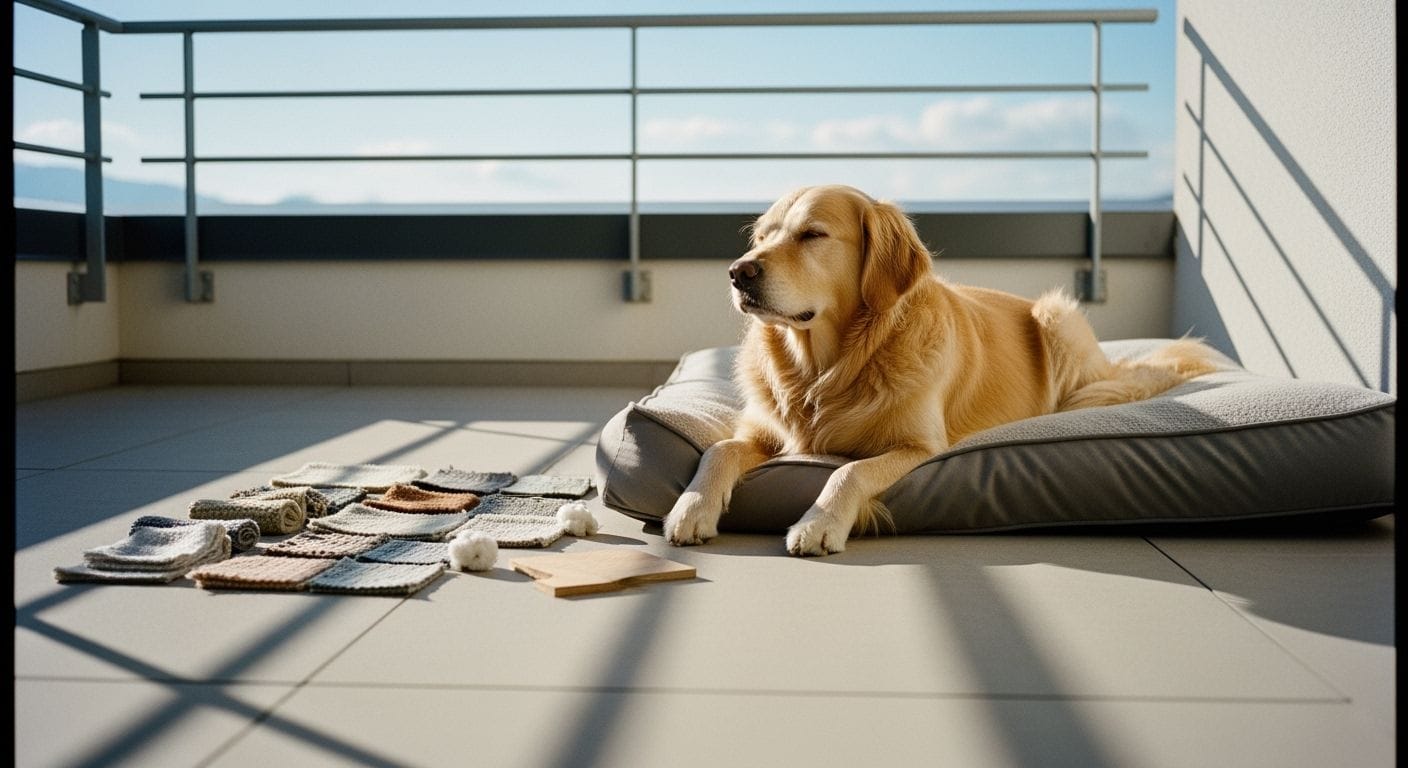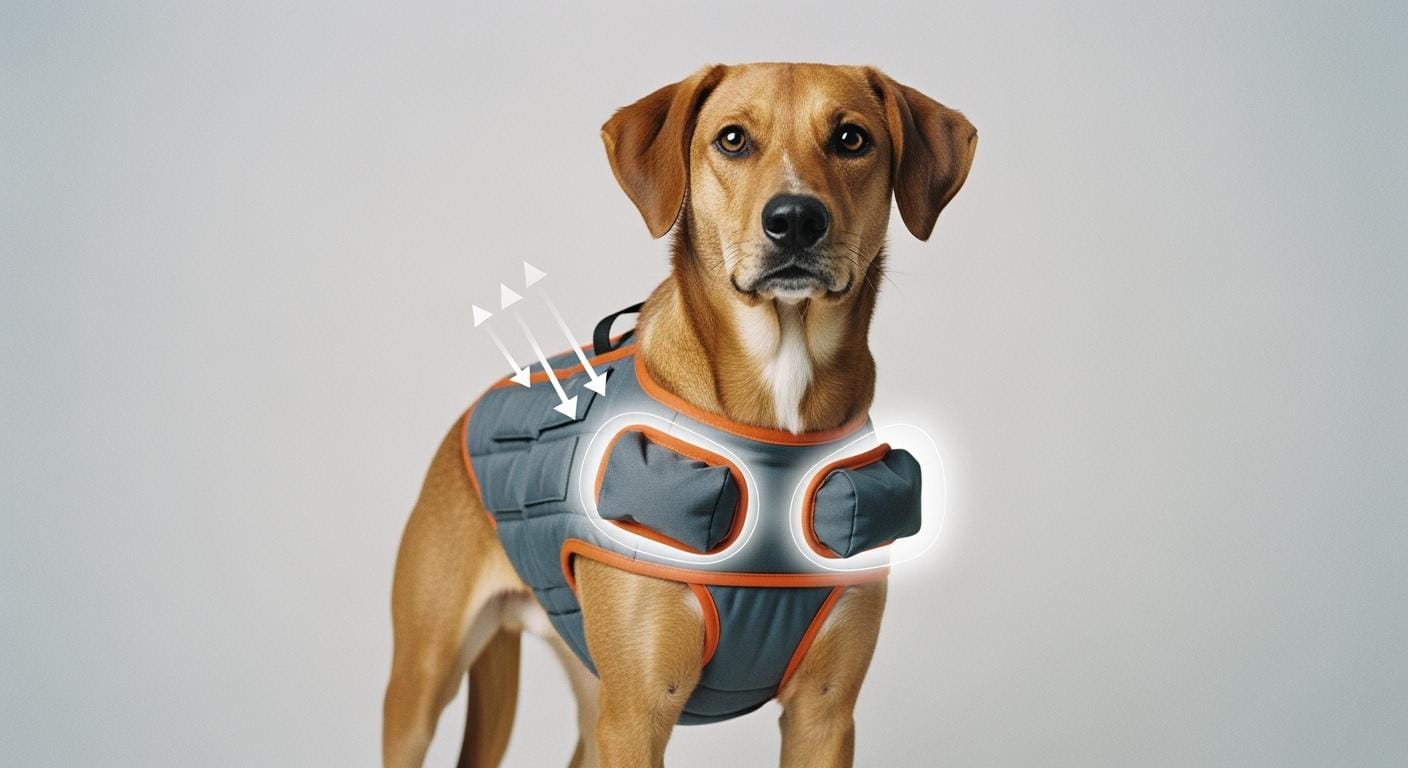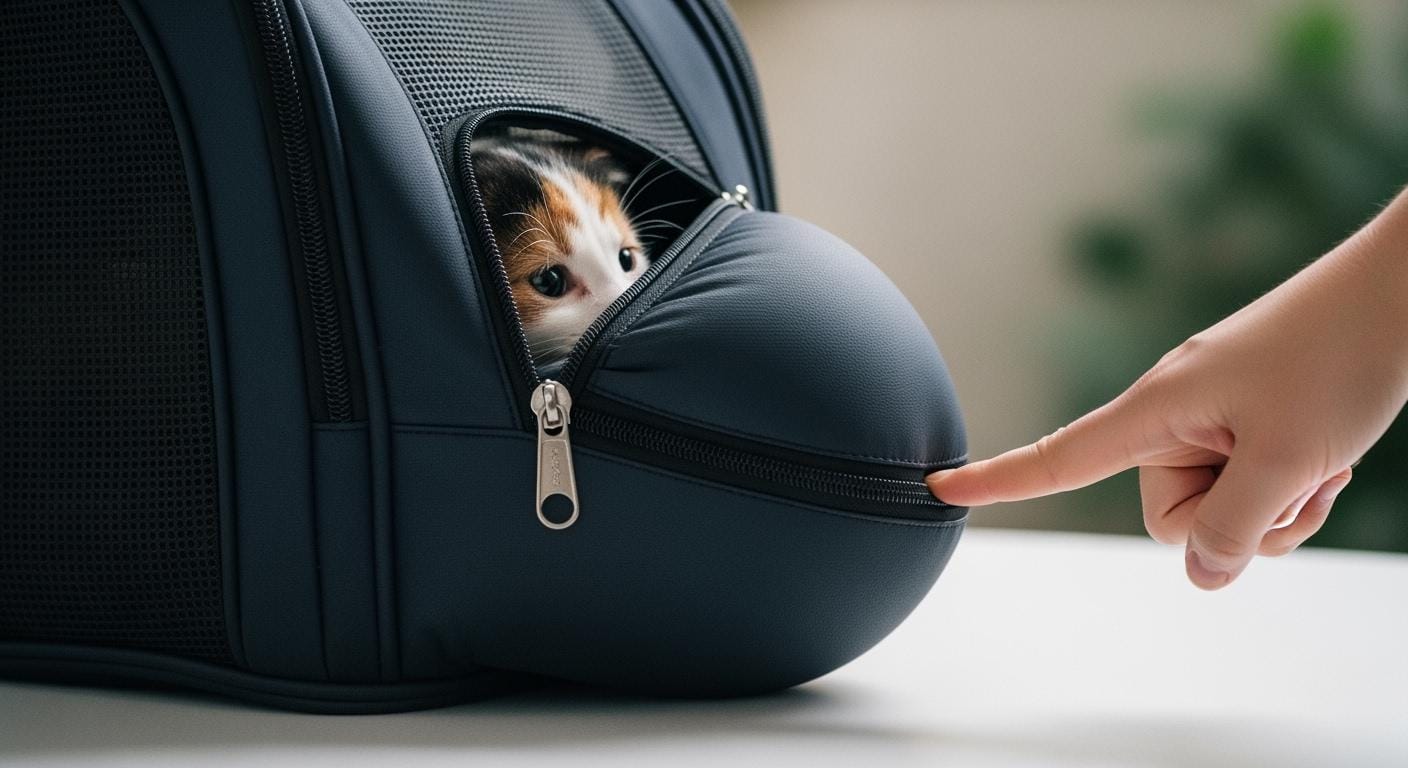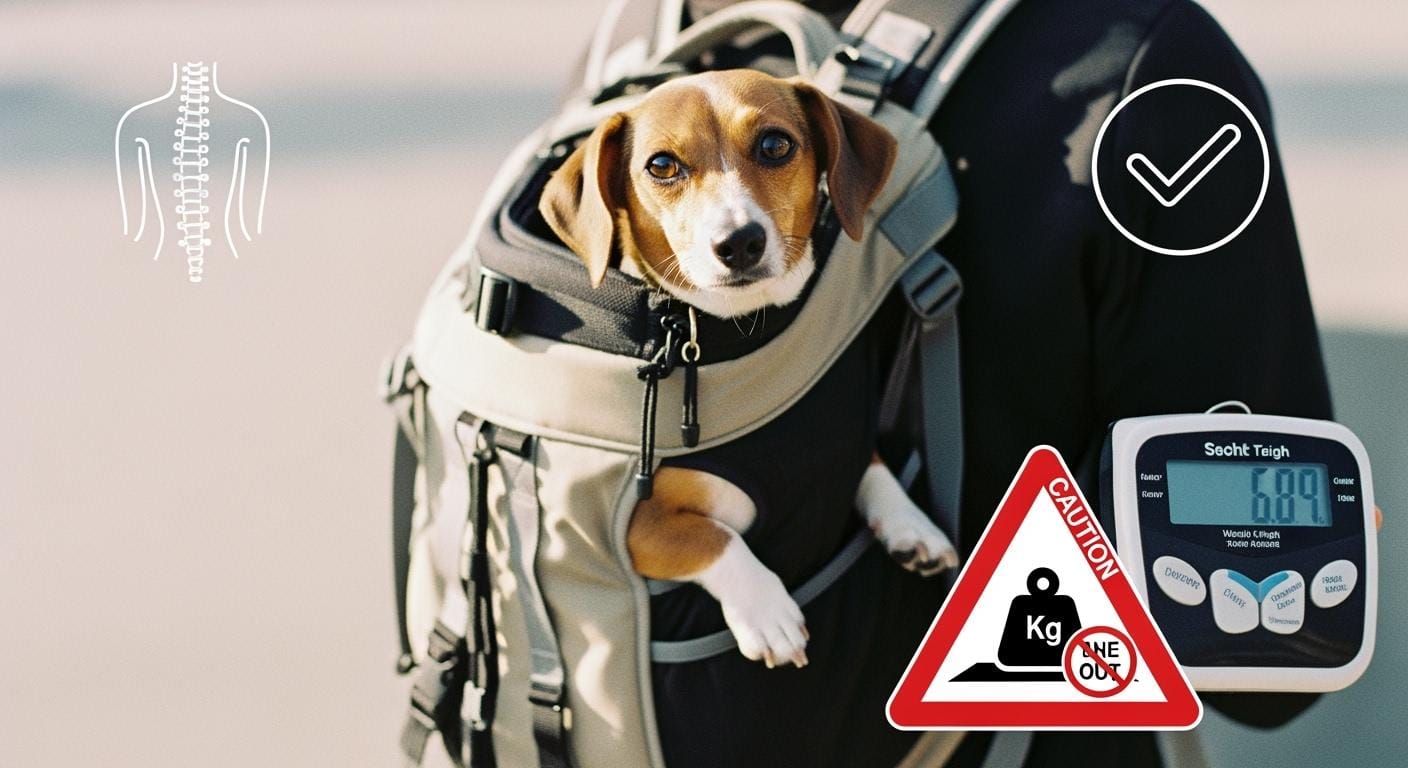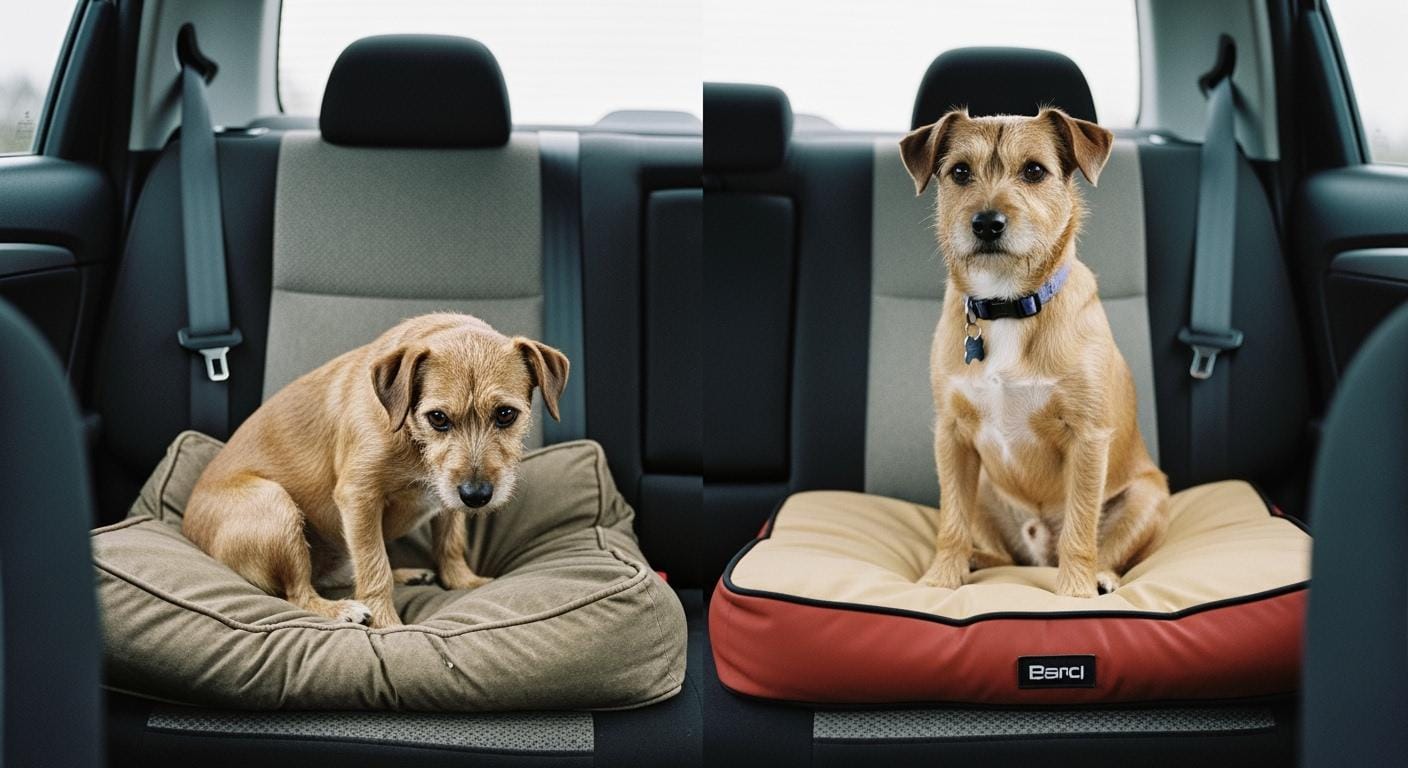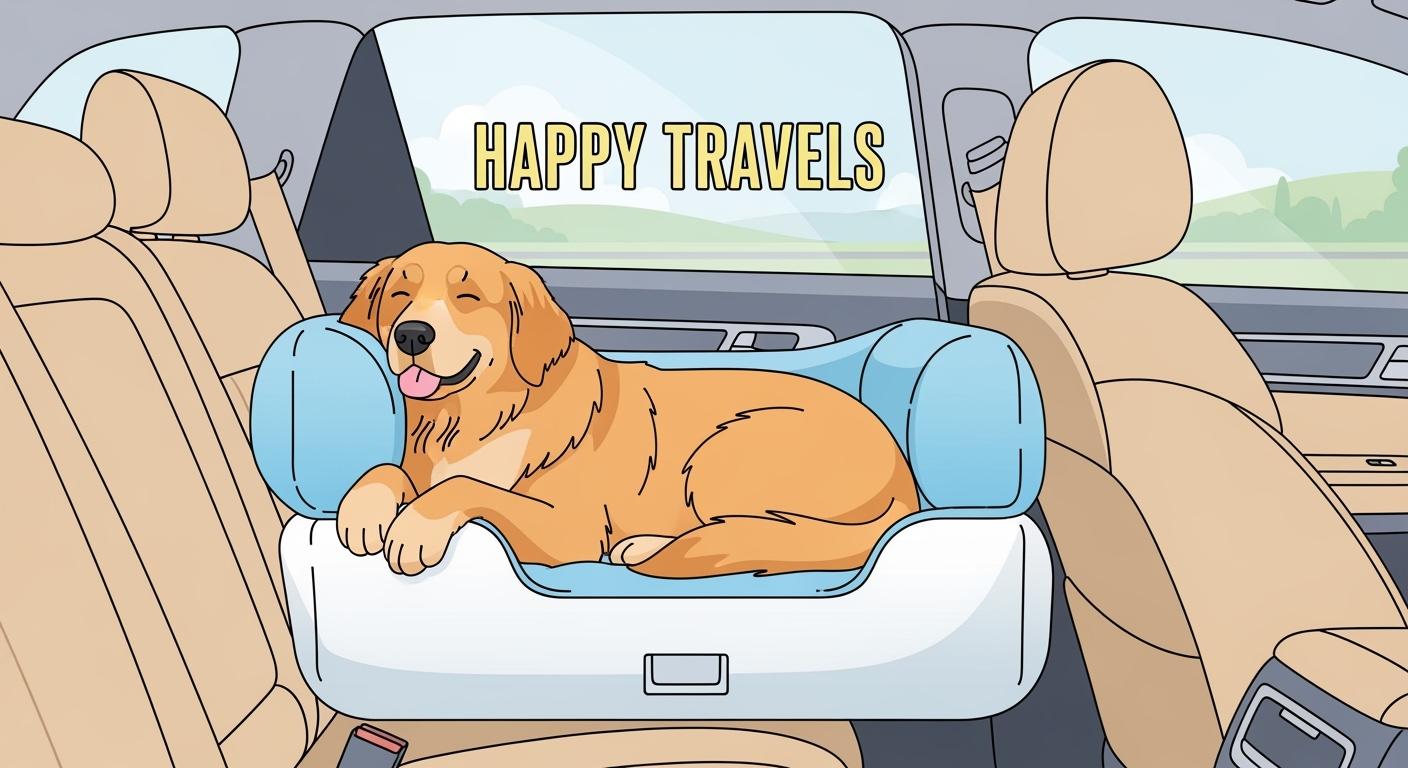
A large dog car seat bed works best when it matches how your dog actually rides. Some dogs need an easy step in because age, stiffness, or size makes a tall front wall annoying from the start. Other dogs settle faster when they can lean into bolsters and feel a little more contained through turns and stops. The right pick is usually the one that gives your dog enough flat space to lie down, enough side support to stay steady, and a restraint path you can use without fighting the bed.
If your dog already rides calmly and you mostly need surface protection, the difference between a rear seat cover versus padded bed may matter more than buying the deepest walls you can find. If your dog shifts, braces, or refuses to settle, a bed with more structure can make longer rides easier.
Start with the way your dog gets in, turns, and settles
Low-side entry helps when step-in effort is the real problem
A lower front edge usually makes more sense for senior dogs, heavy dogs, and dogs that hesitate before climbing in. You want the front wall low enough that the dog can step over it cleanly, but firm enough that it does not collapse under weight. If the dog keeps catching a paw, stalling at the edge, or needing help on every trip, the problem is often the entry height rather than the cushion itself.
Low sides also leave more usable floor area inside the bed. That matters for large breeds that circle before lying down or stretch their front legs forward once the car starts moving. The inside footprint usually tells you more than the outside dimensions. The same sizing logic used in dog car booster seat sizing, fit, and materials applies here: measure the space your dog actually uses while resting, not just the space the product takes up on the seat.
Raised walls help when the dog leans, slides, or curls up
Raised walls are useful when your dog braces through corners, leans into one side, or seems calmer with a more defined edge. In those cases, the bed is doing more than adding padding. It is giving the dog a place to settle against so every lane change does not turn into a balance correction. The tradeoff is simple: more bolster usually means less flat floor space.
That is why the best comparison is not soft versus firm. It is space versus support. The question in large dog car bed turn space and side support is usually the one that decides whether your dog relaxes or keeps readjusting all ride long.
| What you notice | Low-side bed | Raised-wall bed |
|---|---|---|
| Dog hesitates at the edge | Usually the better fit | Can feel harder to enter |
| Dog sprawls and repositions often | Usually gives more room | Can reduce usable floor area |
| Dog leans into corners or doors | May not give enough support | Usually steadier |
| Harness clip is hard to reach | Often easier to manage | Can block the tether path |
| Dog likes a den-like feel | May feel too open | Often feels more secure |
What matters more than extra padding on the label
Padding matters, but stability matters more. A thick bed that slides, rocks, or blocks the restraint path is still a bad travel setup. Before you compare fabrics and bolsters, lock in dog car seat safety and restraint setup so the bed, buckle path, and tether can all work together.
A practical large dog car seat bed should do four things well:
- let the dog enter without stumbling or dragging paws over the front edge
- give enough flat space to turn and lie down without shoulder crowding
- keep the harness attachment clear and easy to clip every time
- stay planted on the seat instead of drifting during turns or braking
A more structured option such as a 3-in-1 pet travel seat and home bed can make sense when your dog wants bolsters plus a padded base, but only if the inside space still fits your dog’s real resting posture.
Note: A bed can improve comfort and side support, but it does not replace an independently tested restraint. If your dog shows pain, breathing strain, or motion sickness during travel, talk with your veterinarian.
Check the restraint path before you trust the layout
Many fit problems show up where the bed and harness meet. A dog may have enough room to lie down, but if the side wall covers the buckle path or twists the tether, daily use becomes frustrating and safety drops fast. That is especially true for large dogs because the harness and connector already take up more space across the chest and shoulder area.
If restraint performance is the first concern, the logic in crash-tested harness and secure restraint checks is worth applying before you assume the bed itself adds protection. Soft walls can help a dog feel steadier, but they do not manage crash forces on their own.
- Clip the restraint before the ride and check that the tether stays flat.
- Watch whether the dog can sit, turn, and lie down without tangling.
- Check that the buckle path stays reachable once the dog is in position.
- Push the bed side to side after installation to see whether it shifts on the seat.
Failure signs that tell you the layout is wrong
You do not need a long test protocol to spot a mismatch. Most bad fits show up in the first normal drive. Look for hesitation at entry, repeated shifting, leaning into one side, or a bed that changes position after ordinary turns. Those are usually layout problems, not behavior problems.
| Sign during the ride | What it usually means | What usually helps |
|---|---|---|
| Dog catches a paw on entry | Front wall is too high or too soft | Choose a lower, firmer front edge |
| Dog crowds the shoulders or twists to lie down | Too much bolster, not enough flat space | Use a wider bed or lower side walls |
| Dog braces on one side through turns | Not enough lateral support | Use higher side support or a more contained shape |
| Harness clip is awkward every trip | Wall placement blocks the restraint path | Pick a layout with clearer harness access |
| Bed slides or rocks after braking | Poor anchoring or slippery base | Reinstall, tighten anchor points, or switch to a more stable base |
When to keep a simple bed and when to move to more structure
Keep the setup simple if your dog gets in easily, lies down without constant readjustment, and stays steady on everyday drives. Move to more structure if your dog keeps leaning, shifting, or using the door side for balance. Calm posture is the real goal. A large dog car seat bed should make the ride easier for the dog and easier for you to use correctly every time.
If you are between two layouts, choose the one that preserves usable floor space first, then add side support only where your dog clearly benefits from it. A bed that fits your dog’s body and your restraint routine will usually outperform a bulkier bed that only looks more secure.