
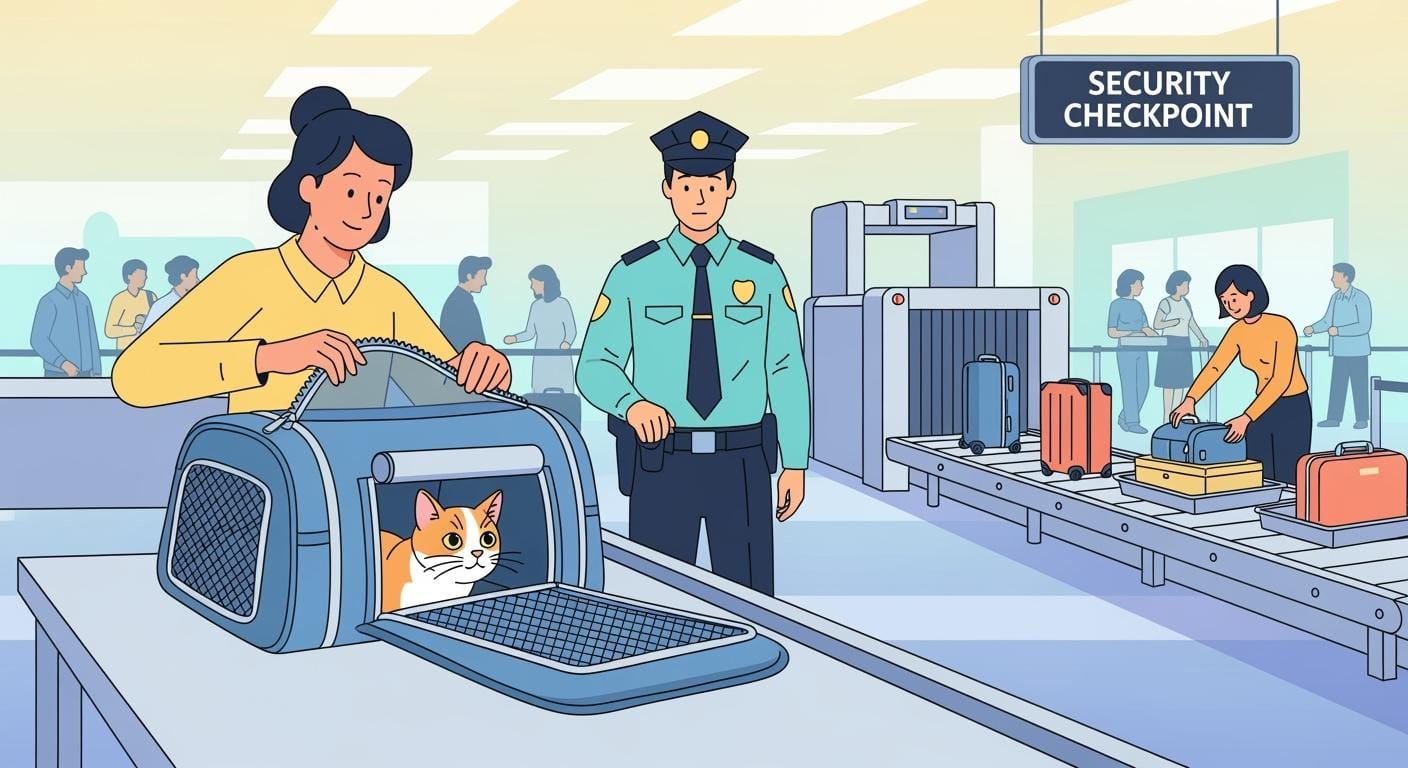
You want to move through airport security with less stress. A top-opening bag pet carrier for plane travel often lets you lift your pet out quickly. This opening style helps you handle your pet safely and keeps lines moving. The right carrier design makes TSA checks easier for you and your pet. Choosing based on airport handling, not just cabin fit, gives you more control and confidence.
Key Takeaways
Pick a pet carrier that opens at the top. This makes it easy to get your pet out during TSA checks. You can lift your pet out fast. It also helps your pet stay calm.
Think about using a carrier with two openings. It has a top and a side opening. This gives you more ways to handle your pet. You can choose the best opening for your pet’s mood.
Try using the carrier at home first. Let your pet get used to the carrier. Practice opening and closing the zippers. This helps your pet feel safe and confident.
Always look at the zippers and base before you travel. Make sure the zipper is strong so your pet cannot escape. Check that the base is sturdy for easy handling at security.
Stay calm and speak softly to your pet at the airport. Being calm helps your pet feel safe and relaxed.
When Top or Side Openings Work Best for Carrier Bags on Planes
Top-Opening Bag Pet Carrier for Plane Travel: Pros and Cons
You want to move your pet through airport security with less friction. A top-opening bag pet carrier for plane travel gives you direct access to your pet. You can lift your pet out quickly when TSA asks you to remove them. This opening style helps you comfort your pet during screening. You avoid awkward bending or squeezing. You keep your pet calm and reduce the risk of escape.
Advantages of top-opening carriers:
You reach your pet easily during security checks.
You lift your pet out without tipping the carrier.
You close the zipper fast after reentry.
You keep your pet secure and reduce stress.
Possible drawbacks:
Some pets may try to jump out when you open the top.
You may need both hands to handle the carrier and your pet.
The top opening may not fit all cabin spaces.
Tip: Practice opening and closing the top zipper at home. You build confidence and speed for airport handling.
Side-Opening Airline Pet Carrier Bags: Pros and Cons
You may prefer a side-opening carrier for certain pets. Side openings let you slide your pet out gently. You avoid lifting your pet straight up, which helps with larger or heavier animals. You can keep the carrier stable on the floor during security checks.
Advantages of side-opening airline pet carrier bags:
You slide your pet out with less lifting.
You keep the carrier upright and steady.
You close the zipper easily after your pet returns.
Possible drawbacks:
You may struggle if your pet resists sliding out.
The side opening may not give you full access to your pet.
You may need extra space at the security checkpoint.
Note: Test the side zipper before travel. You make sure it works smoothly and does not snag.
Dual-Access Travel Carrier for Cats and Small Dogs
You can choose a travel carrier for cats and small dogs with both top and side openings. Dual-access carriers give you flexibility. You use the top opening for quick lift-outs. You use the side opening for gentle slides. You adapt to your pet’s behavior and airport layout.
Benefits of dual-access carriers:
You choose the best opening for each situation.
You reduce handling friction at security.
You keep your pet calm and secure.
Watchouts:
Dual zippers may require extra attention to prevent escapes.
You must check both openings for smooth operation.
You may need to practice handling both access points.
Alert: Always check both zippers before leaving for the airport. You avoid last-minute surprises.
Comparison Table: Top, Side, and Dual-Access Carrier Bags
Use Case | Main Benefit | Main Watchout | Who Should Skip It |
|---|---|---|---|
Top-Opening | Easier lift-out at TSA screening | Pet may try to jump out | Owners of escape-prone pets |
Side-Opening | Steadier base during security check | Harder to reach nervous pets | Owners needing fast access |
Dual-Access | Flexible handling for any pet | More zippers to monitor | Owners who dislike extra steps |
Step-by-step evaluation for airport security handling:
Place the bag pet carrier for plane travel on the security table.
Open the top or side zipper, depending on your carrier type.
Remove your pet gently and keep them secure.
Close the zipper quickly to prevent escapes.
After screening, return your pet using the easiest opening.
Check the carrier’s base for stability before moving on.
You improve your airport experience by choosing the right opening style. You reduce stress for your pet and yourself. You handle carrier bags on planes with more confidence and less friction.
Airport Security Steps for Bag Pet Carrier Designed to Squeeze Under an Airplane Seat
TSA Screening: Lift-Out and Reentry Differences
At the TSA checkpoint, you must take your pet out of the pet carrier bag before screening. TSA rules say:
“You need to remove your pet from their carrier before it goes through the X-ray. Pets should never be screened through a checkpoint X-ray unit. Place the empty travel carrier on the checkpoint conveyor belt so it can be X-rayed.”
Hold your pet in your arms while the empty dog carrier bag goes through the scanner. After you walk through the metal detector, put your pet back in the carrier. A carrier that fits under an airplane seat makes this step easier. You want a dog carrier that lets you lift your pet out fast and put them back in smoothly, especially when flying with your pet in the cabin.
Zipper Handling and Preventing Pet Escapes
Zippers are important for pet travel safety. A strong zipper on your dog carrier bag helps stop escapes at busy security lines. Some pets chew on zippers or push at weak spots. Always check the zippers before you travel.
Help your pet get used to the pet carrier bag before the trip.
Feed your pet inside the carrier so they feel safe.
Wait to take your pet out until right before screening.
Hold your pet tight while you put the empty carrier on the belt.
Put your pet back in the crash-tested carrier quickly after security.
A hard-sided carrier with good zippers makes escapes less likely. You want a crash-tested carrier that fits under the seat and keeps your pet safe.
Base Stability and Carrier Shape at Security
A steady base helps you handle the pet carrier bag with confidence. Hard-sided carriers keep their shape during screening. You do not have to worry about tipping or the carrier folding when you take your pet out. The best dog carrier for airports has a strong base and fits under the seat. If you use a carrier made to squeeze under an airplane seat, you get better control at security.
Pass or Fail Checklist Table for Carrier Bags on Planes
Check Item | Pass Signal | Fail Signal | Fix |
|---|---|---|---|
Zipper Security | Zipper closes smoothly, no gaps | Zipper snags, gaps, or chewed | Replace zipper or use zipper lock |
Base Stability | Carrier stands upright, no wobble | Carrier tips or collapses | Use hard-sided or crash-tested base |
Lift-Out/Reentry Ease | Pet lifts out and returns easily | Struggle to remove or reload pet | Practice at home, adjust opening |
In-Cabin Size Requirements | Carrier fits under seat | Carrier too large or rigid | Choose designed to squeeze under an airplane seat model |
Escape Prevention | Pet stays secure during process | Pet escapes or resists | Acclimate pet, check carrier design |
You make pet travel safer and less stressful by following these steps. When you fly with your dog, always use a dog carrier bag or pet carrier bag that is crash-tested, hard-sided, and fits under the airplane seat. This way, you meet size rules and handle airport security with more confidence.
Common Failures and Fixes for Airline Pet Carrier Bags at Security
Awkward Transfers and Zipper Snags
Sometimes, taking your pet out at security feels tricky. Zippers can get stuck and make things slower. This can make your pet feel more stressed. Try opening and closing the carrier at home first. Make sure the zipper moves easily. If it sticks, clean it or use some zipper oil. Keep your pet’s harness tight and their ID tag easy to see. Talk softly to your pet when moving them. Your pet listens to your voice and feels your mood.
Collapsing Shape and Stressful Reloading
Some carriers fold or lose shape when empty. This makes putting your pet back inside harder after screening. Pick a carrier with a strong base. Test if the carrier stays steady before you travel. If your pet gets nervous, ask TSA for a quiet spot. Hold your pet close and speak gently. Don’t let your pet touch the floor if they seem scared. For cats, use a harness that keeps them safe.
Troubleshooting Table: Symptoms, Causes, and Quick Fixes
Symptom | Likely Cause | Fast Check | Fix |
|---|---|---|---|
Panting, shaking | Anxiety, loud noise | Watch pet’s body language | Move to quieter area, soothe |
Zipper snags | Damaged zipper teeth | Open/close zipper | Clean or lubricate zipper |
Carrier collapses | Weak base, soft sides | Press on carrier sides | Use carrier with sturdy base |
Pet resists reentry | Fear, unfamiliar space | Try gentle reload | Practice at home, use treats |
Scratching, whining | Stress, discomfort | Listen for sounds | Comfort pet, check harness |
Note: If your pet seems very stressed or has trouble breathing, stop and ask airport staff for help. This tip does not replace seeing a vet.
Mistakes to Avoid with Travel Carrier for Cats and Small Dogs
Some people make mistakes at airport security. They leave pets in the carrier during X-ray checks. This is not safe for pets. Always take your pet out before putting the carrier on the belt. Carry your pet through the metal detector. Hold your pet close and talk quietly. If your pet is scared, ask for a calm spot. Close the carrier gently after screening. For cats, use a harness that fits well and stops escapes. Don’t let your pet touch the ground in busy places.
Callout: Someone once sent their cat through an X-ray by accident. TSA called it a “cat-astrophic mistake.” Always follow the right steps to keep your pet safe.
You make airport security easier by practicing these steps with your travel carrier for cats and small dogs. You help your pet feel calm and stay safe during checks.
You get the easiest airport security with a top-opening carrier. Dual-access carriers work well for many pets too. Think about what makes your pet comfortable. Also, consider how you like to handle your pet. Try these steps:
Give your pet treats for going in the carrier.
Practice short times with the door closed.
Take your pet on car rides to practice travel.
Stay calm so your pet feels relaxed.
Check airline rules before each trip. Use this table to help you:
Airline | Carrier Size Guide | Notes |
|---|---|---|
Delta Air Lines | Size changes by plane | Call to check for your flight |
United Airlines | 18″ x 11″ x 11″ | Soft carriers are best |
American Airlines | 18″ x 11″ x 11″ (soft) | Hard carriers must be smaller |
Pick airline pet carrier bags that meet safety rules. The best travel carrier keeps your pet safe and makes your trip easier.
Tip: Practice handling and leash skills before you fly. You help your pet feel safe every step of the way.
FAQ
What makes a pet carrier safe for airplane travel?
You want a carrier that keeps your pet secure during travel. Look for strong zippers, a sturdy base, and good ventilation. Soft-sided carriers often fit under the cabin seat. Always check the size and safety features before you travel with your pet.
How do I choose the right size for my pet’s airplane carrier?
Measure your pet while they stand. Add a few inches for comfort. The carrier should let your pet turn around and lie down. Check airline cabin size rules. Soft-sided carriers can squeeze under the airplane seat, making travel more comfortable for your pet.
Why is good ventilation important in a pet carrier for cabin flights?
Good ventilation helps your pet breathe easily and stay comfortable. You want mesh panels or windows on multiple sides. This keeps air moving inside the carrier during travel. Your pet stays calm and safe in the airplane cabin.
How can I make my pet comfortable during airport security checks?
Practice at home with your pet in the carrier. Use treats and gentle words. Choose a soft-sided carrier with easy access. Make sure the carrier has good ventilation. Keep your pet calm and comfortable during travel and cabin screening.
Can I use the same pet carrier for every airplane trip?
You need to check each airline’s cabin rules before every travel. Size and safety requirements can change. Soft-sided carriers often work best for cabin use. Make sure your pet feels comfortable and secure in the carrier for every airplane journey.






