
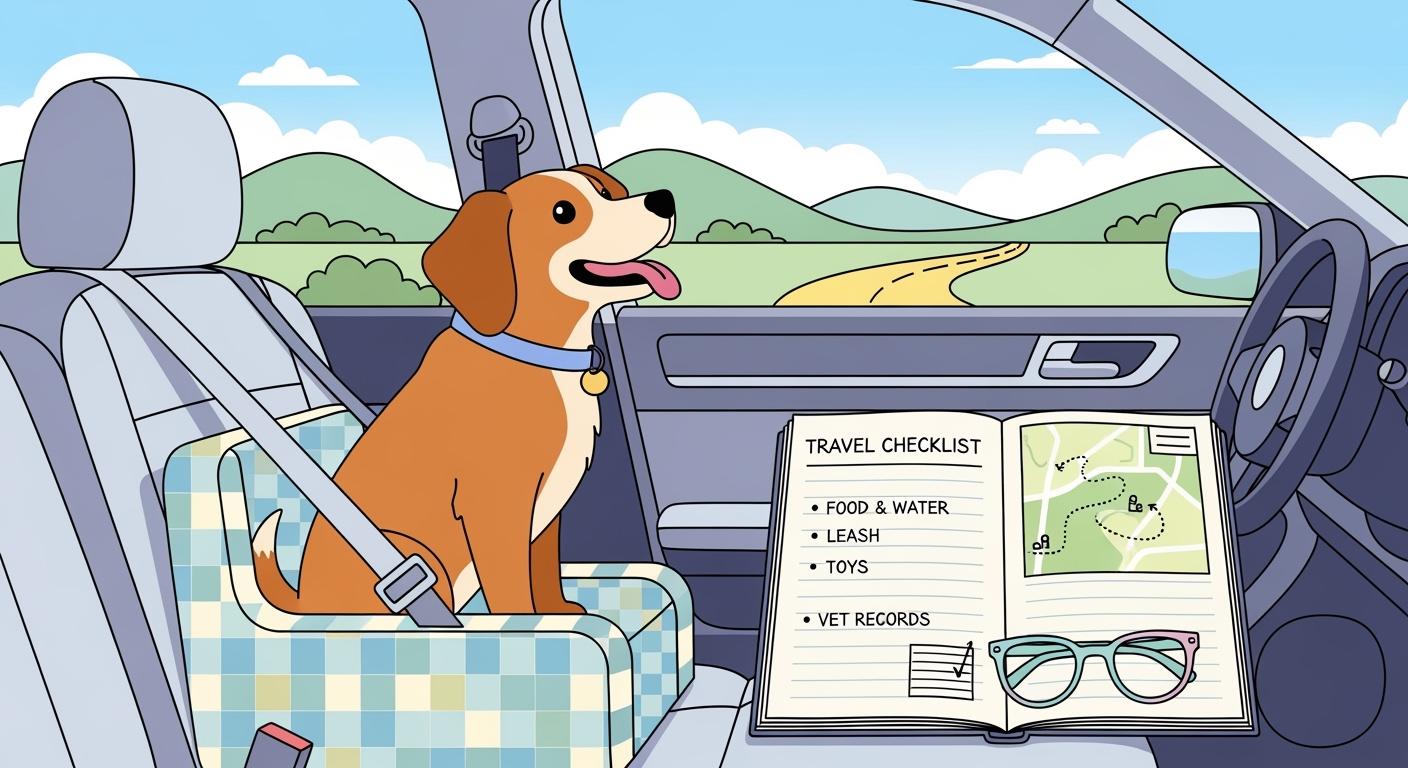
Dog car booster seat reviews are only useful when they tell you how the seat behaves on an actual drive. Star ratings can flag obvious problems like weak stitching or hard-to-clean fabric, but they usually do not tell you whether the base sits flat on your back seat, whether the tether stays clear, or whether your dog can settle without perching on the edge. Before you trust any roundup, compare it against a basic dog car seat safety setup so you know what a good fit should look like.
Key takeaways
- Prioritize a seat that stays flat, keeps the buckle accessible, and lets your dog settle in a natural posture.
- Use reviews to spot repeated complaints, not to replace your own fit check in your own vehicle.
- Attach the tether to a harness, never to a collar.
What dog car booster seat reviews usually catch, and what they miss
Reviews are helpful when many buyers mention the same issue. Repeated complaints about tipping, sagging walls, awkward straps, or rapid wear usually matter. What gets missed is the car-specific part of the decision. A booster that feels secure on one bench seat can wobble on another, and a dog that likes sitting upright may do poorly in a deep, soft bucket that makes turning difficult. That same mismatch appears in many discussions about best small dog car seat tradeoffs, where a higher perch helps some dogs settle and makes others brace against the sidewall.
Dog car booster seat reviews also tend to overvalue soft padding and overlook structure. A plush seat can still be a poor choice if the bottom sags, the tether twists across the opening, or the seat covers the buckle housing so badly that you avoid securing it properly. In practice, the better review is the one that explains how the seat behaved after turns, stops, and a short test drive.
How common seat styles behave
| Seat type | What it usually does well | Where it often falls short | Best match |
|---|---|---|---|
| Soft-wall booster seat | Lightweight, cushioned, easy to store | Can sag or tip if the base is narrow or the dog leans on the side | Calm small dogs that like light side contact |
| Firmer-frame booster seat | Holds shape better, usually gives cleaner tether routing | Can feel tight if the interior is shallow or narrow | Dogs that sit upright and shift around more during rides |
| Lower car bed style | More room to lie down, easier entry for some dogs | Less window height and less containment | Dogs that settle best by lying flat |
If you are unsure which shape fits your dog, the measurement logic behind dog car booster seat sizing and materials is more useful than comparing star scores alone. The seat has to match both your dog’s resting posture and the geometry of your back seat.
How to check fit before a longer drive
The fastest way to judge a seat is to install it while parked, place your dog in it, and look for obvious failure points before the car moves. Press on the front and both sides of the base. If the seat rocks, the problem is already clear. Then clip the tether to a harness, not a collar, and confirm the strap does not cross the dog’s neck, twist around a leg, or pull from an awkward angle. A raised perch can calm one dog and overstimulate another, which is why booster seat height and comfort matters more than product photos.
Pass or fail checks that matter more than star ratings
| Check item | Pass signal | Fail signal | What to do next |
|---|---|---|---|
| Base fit | Sits flat and stays stable when pressed | Rocks, tips, or lifts at one corner | Reposition and retighten; if it still rocks, try another seat style |
| Tether path | Clips cleanly to a harness with no twist | Pulls across the neck, legs, or opening | Reroute the tether or shorten slack |
| Dog posture | Dog can sit or lie down without leaning on the rim | Edge perching, constant bracing, repeated repositioning | Switch to a roomier or lower-profile design |
| Buckle access | You can reach the buckle without lifting the seat | Seat body or wall blocks the buckle housing | Move the seat or compare other footprints |
| Short-drive behavior | Dog settles within a few minutes | Whining, trembling, panting, or nonstop shifting | Check fit again and consider a different structure |
Tip: A booster seat should make restraint easier to use every trip. If buckle access is so awkward that you are tempted to skip it, the setup is wrong even if the fabric and padding look good.
Failure signs that matter on the road
The most useful dog car booster seat reviews describe what happened after motion started. That is when weak fit shows up. Wobble, tipping, tangled tethers, blocked buckles, and restless shifting are not minor annoyances. They are direct signs that the seat may not suit your car, your dog, or both.
Short-drive symptoms and likely causes
| Symptom | Likely cause | Fast check | Practical fix |
|---|---|---|---|
| Seat wobbles in turns | Base does not match the seat cushion well | Press each corner while parked | Retighten and retest, or move to a firmer design |
| Dog keeps climbing the rim | Interior feels cramped or unstable | Watch where the dog’s weight shifts | Try a larger seat or a lower bed style |
| Panting or drooling starts quickly | Stress, motion discomfort, heat, or poor settling position | Check airflow, seat temperature, and posture | Shorten the trip and reassess the setup |
| Tether tangles during movement | Attachment point or routing is awkward | Follow the strap from clip to anchor | Reroute before driving again |
| Buckle is hard to reach every time | Seat footprint is too wide for that seating position | Try buckling with the seat installed but empty | Compare other pet car seat options with a narrower base |
Not every restless dog needs a booster seat. Some settle better in a flatter bed or a secured carrier. A seat that keeps failing the same checks after careful installation is usually the wrong format, not a problem you should keep forcing.
Common setup mistakes that change the review outcome
A surprising number of bad or overly positive reviews come from installation problems rather than the seat alone. Before deciding that a product is great or useless, check for these mistakes:
- The tether is clipped to a collar instead of a harness.
- The seatbelt or attachment strap is snug on one side and loose on the other.
- The seat sits partly on top of the buckle housing instead of flat on the cushion.
- The dog is too large to turn or tuck in comfortably.
- The opening is so high or narrow that the dog braces against it the whole ride.
These issues can make a decent seat look terrible. They can also make a soft, attractive seat seem acceptable during setup but frustrating once the car starts moving. Before blaming the seat body, repeat the basic dog car seat belt and harness fit checks because slack, twisted routing, and blocked access cause many of the complaints people call product flaws.
Note: If your dog shows heavy panting, repeated drooling, trouble breathing, or obvious distress even on short rides, stop and ask your veterinarian whether motion sickness, pain, or heat is part of the problem.
When it makes sense to switch seat types
Switching makes more sense than troubleshooting forever when the same failure keeps returning. If the base never sits flat in your car, if your dog always ends up perched on the edge, or if the buckle path stays blocked no matter how carefully you install the seat, try a different structure. A firmer booster often works better for upright dogs that like to watch the road. A lower bed style often suits dogs that curl up or dislike being lifted high above the seat. For some small dogs, the tradeoffs become clearer when you compare how their posture changes across dog car seat and carrier sizing rather than chasing review scores.
The best dog car booster seat reviews help you narrow the field, but real fit is still local to your dog and your vehicle. The seat that wins online is not automatically the seat that stays stable in your back seat.
FAQ
How do you know if a dog car booster seat fits your car?
Install it on the back seat, press on the base, and confirm it stays flat, keeps the buckle reachable, and does not shift when your dog moves.
What is the safest way to use a booster seat for a dog?
Use the seat in the back seat, secure it according to its strap path, and clip the tether to a properly fitted harness rather than a collar.
When should you stop using a dog car booster seat?
Stop using it if the seat keeps tipping, the tether path cannot stay clear, the buckle remains blocked, or your dog cannot settle even after careful setup.






