
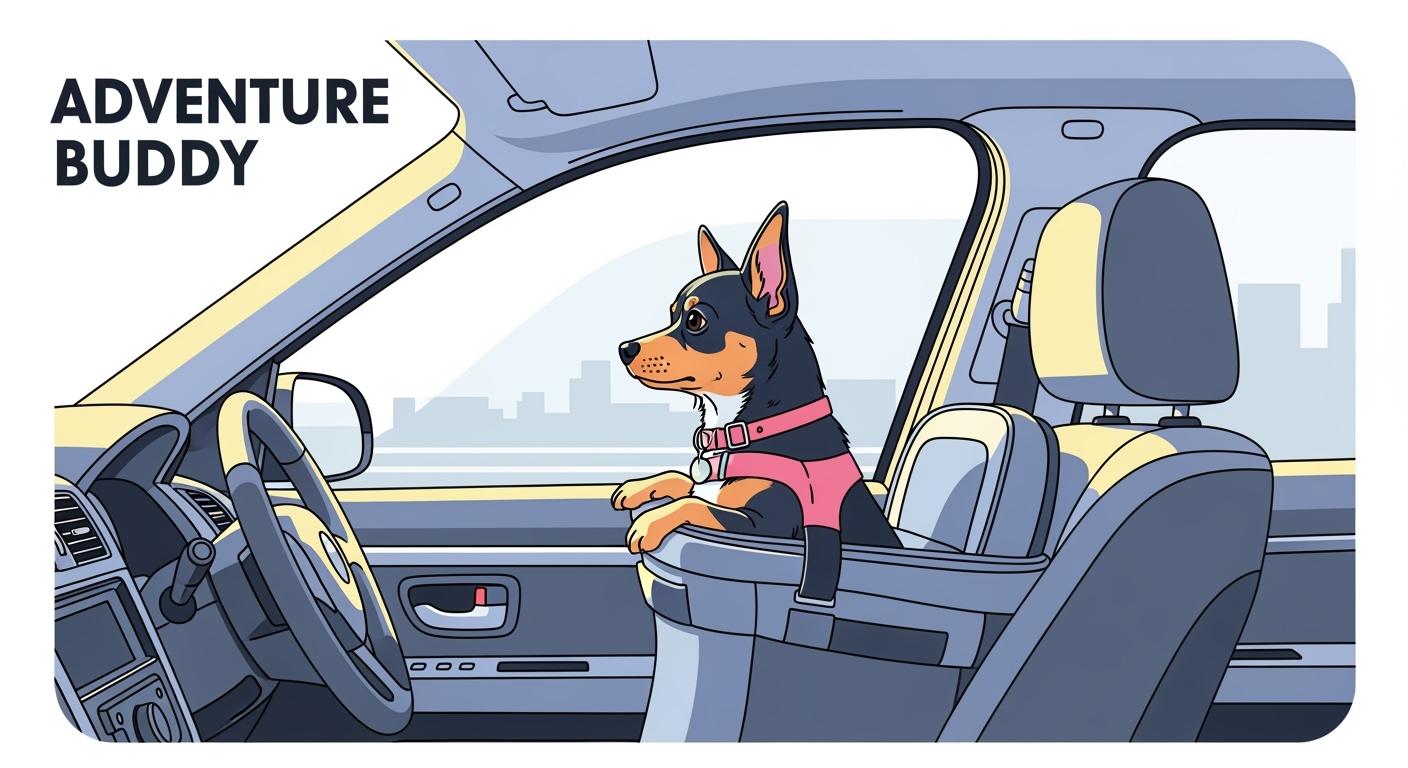
A dog car booster seat small dogs can settle in needs enough room, steady belt routing, and a view that calms rather than crowds on real drives.
Note: A booster seat is a positioning aid, not a crash proof enclosure. It usually works best on the rear seat with a well fitted body harness and a stable seatbelt path.
Key Takeaways
- Start with pet car seat options that leave enough inside room for your dog to sit, tuck, and rest without leaning on the edge.
- A higher view often helps small dogs settle faster, but walls that feel too close can create restless shifting instead of calm watching.
- Third party crash testing, flat seatbelt routing, and a tether clipped to a body harness usually matter more than soft padding alone.
When a Small Booster Seat Helps, and When It Feels Too Tight
How the Setup Works on Real Drives
A small booster seat lifts a light dog above the seat cushion so the dog can see out, stay contained, and ride in one predictable spot. The safest starting point is usually a dog car seat safety setup with the base sitting flat, the seatbelt pulled snug, and the tether clipped to a body harness rather than a collar.
That raised view can reduce startle behavior for some dogs because the ride feels easier to read. It can also backfire when the interior is so narrow that the dog braces against the side wall instead of relaxing into the seat.
Where a Booster Seat Usually Works Best
A booster seat often suits toy breeds and light small dogs that like visual access, settle in a compact nest, and do not need much sprawl space. It can also work well for dogs that ride better when the routine stays the same from trip to trip.
It usually works less well for dogs that perch on edges, dislike close side contact, or need more room to rotate before lying down. Brachycephalic, flat faced, dogs often need extra airflow and should not be packed into deep walls that trap heat.
Booster Seat, Carrier, or Flatter Bed
Use this comparison as a starting point:
| Type | When It Works Best | Why It Helps | What to Watch |
|---|---|---|---|
| Small booster seat | Dogs that like a window view | Raised position, compact footprint, quicker visual access | Can feel cramped, may wobble if poorly secured |
| Enclosed carrier | Dogs that settle in a den like space | More containment, clearer boundary, often steadier in motion | Bulkier, warmer, less outside visibility |
| Flatter car bed | Dogs that need turn space | More stretch room, softer pressure relief, easier posture shifts | Less lift, less containment, can slide if base lacks grip |
If you are still weighing the tradeoffs, the closest match usually comes from comparing the dog’s actual posture needs with the seat shape, not from choosing the smallest model that fits the label. That is why articles on the best small dog car seat usually make more sense when you read them through the lens of settle space rather than size alone.
Tip: Marketing claims can sound similar across products, so third party crash testing and a clean restraint path usually tell you more than plush padding or extra pockets.
What Changes in Real Use
View Height, Side Contact, and Inside Room
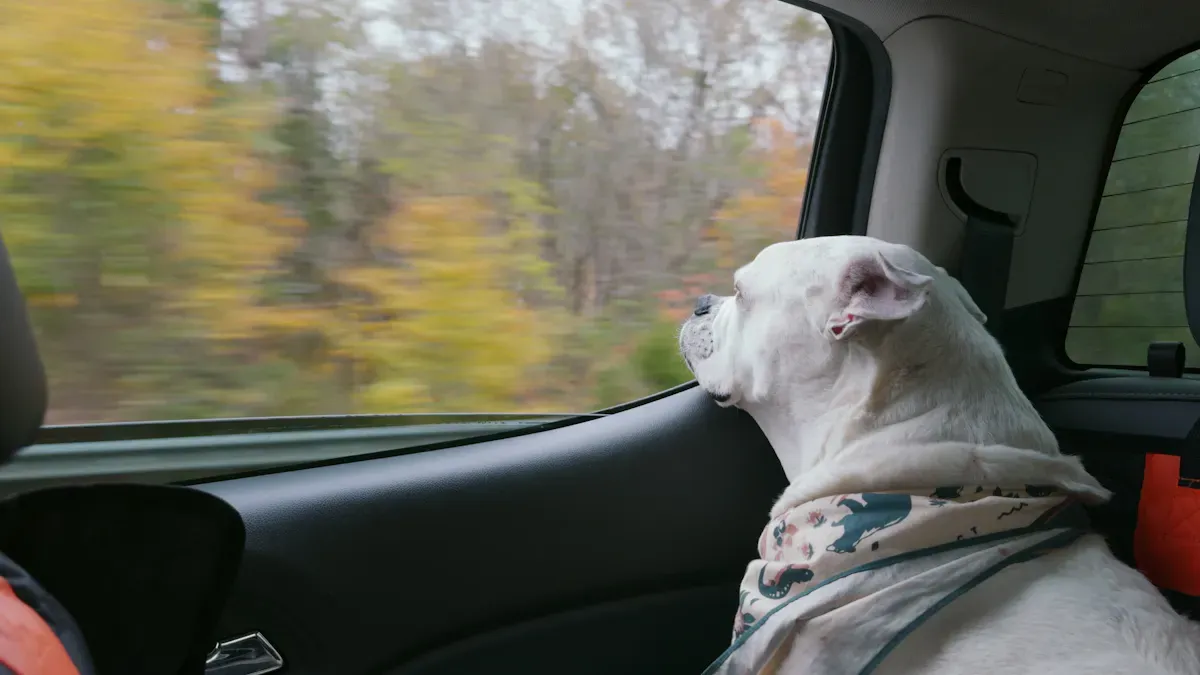
View height usually helps only when the dog can still lower the body, lean into support, and rest without holding a brace posture. A booster that lifts too high for a nervous dog can increase scanning and make every passing truck feel louder and closer.
Side support should feel containing, not compressive. When the inside walls keep the ribcage centered through turns without pushing into the shoulders, most dogs look steadier and breathe more freely.
| Feature | Good Sign | Main Limitation | Usually Better For |
|---|---|---|---|
| Higher window line | Dog watches, then settles | Can increase scanning in nervous dogs | Curious riders that calm with visual access |
| Supportive side walls | Body stays centered on turns | Can feel boxed in when walls sit too close | Dogs that like a nest feel |
| Extra inside room | Dog turns and tucks easily | Too much room can reduce stability | Dogs that curl, reposition, or lie flat |
| Short tether path | Harness stays aligned | Too short can limit natural posture changes | Dogs that try to step onto the edge |
The same pattern shows up in many real use comparisons of booster dog car seat height and comfort: more elevation is only useful when the dog still has enough room to settle low between turns and stops.
Three Step Fit Protocol
Use this simple protocol before deciding that a booster seat works:
- Indoor setup check. Install the seat while parked, press on the base from both sides, and watch whether the belt path stays flat and the shell stays level.
- Loaded parked check. Place your dog in the seat, clip the tether to the harness, and look for edge perching, shoulder pressure, throat riding, or a twisted restraint path.
- Real session check. Run several short drives across three days and note whether your dog settles faster, stays centered in turns, and finishes the ride less tense than before.
If the dog only looks comfortable during the parked check but starts leaning, panting, or bracing once the car moves, the seat is usually not matched well enough yet.
Pass or Fail Signals
Use this table to judge the fit:
| Check | Pass Signal | Fail Signal | Improvement Plan |
|---|---|---|---|
| Base stability | Seat stays level under hand pressure | Rocking, tipping, or sliding | Reposition, tighten belt path, retest parked |
| Tether route | Clips cleanly to body harness | Pulls toward throat or front legs | Shorten or reroute tether, then retest |
| Inside room | Dog can tuck and change posture | Edge perching or cramped turning | Move to a roomier seat or flatter style |
| Settle response | Body softens within the ride | Repeated shifting, whining, or standing up | Lower stimulation, shorten drives, reassess fit |
Record for 3 days before deciding: route length, settle time, edge perching, panting or whining, tether twist. That short log usually makes it easier to compare one setup with another and lines up well with the checks in dog car seat and carrier sizing.
Disclaimer: A booster seat can improve travel management, but it is not a treatment for motion sickness, pain, fear, or breathing stress. If those patterns show up repeatedly, a veterinarian should usually be part of the decision.
Failure Signs That Matter
Signs the Seat Feels Wrong
Some dogs show discomfort in subtle ways before they try to climb out. Watch for these patterns during motion rather than only at loading time:
- Edge perching instead of resting in the center
- Repeated posture changes without settling
- Lip licking, yawning, or whale eye when the car is already moving
- Panting that rises as the cabin warms
- Head turns away from the tether side
- Refusing treats after the first few minutes
- Trying to brace with the front feet against the wall
These signals usually mean the dog is managing the seat rather than relaxing in it. If you also see a twisted harness path or the body drifting to one side, the mismatch is rarely just about temperament.
Common Mistakes Owners Usually Miss
- Choosing by weight label alone. Inside shape often matters more than the listed size band.
- Using a collar attachment. Neck loading can rise quickly during braking or sudden movement.
- Accepting a loose belt path. A soft seat can still fail the ride if the base shifts under cornering.
- Testing only while parked. Many weak fits look acceptable until the first real turn.
Tip: The most common mistake is keeping a seat that looks cute in the car but never lets the dog rest in the middle for a full trip.
When Another Style Usually Makes More Sense
If a small booster never stops producing brace posture, another format is often the better match. Some dogs need more floor area, while others settle better with softer side contact like the fit options discussed in dog sling carriers for short transfers outside the main driving setup.
| Problem Pattern | Likely Cause | Usually Better Direction | What to Watch |
|---|---|---|---|
| Dog keeps standing on the front edge | View is appealing, seat floor is too short | Roomier booster or flatter bed | Too much extra room can reduce stability |
| Dog curls tightly and never loosens | Walls feel close or warm | Lower sided seat or carrier with airflow | Less wall height can reduce containment |
| Tether twists across the chest | Clip point and seat height do not align | Different seat geometry or harness setup | Retest on real turns, not just parked |
| Seat shifts between vehicles | Base shape does not match the bench | Simpler restraint system or different shell | Vehicle seat contour still matters |
Before replacing the seat, it usually helps to review dog car seat belt and harness fit checks once more, because some problems come from the restraint path rather than the seat body itself.
A small booster seat is usually the right call when your dog wants a view, can stay centered, and finishes the drive softer than they started. If the dog keeps bracing, perching, or fighting the tether, a roomier or flatter travel setup often matches the need better.
| Dog Pattern | Usually Better Setup | Main Caution |
|---|---|---|
| Curious small dog that settles with visual access | Booster seat with stable base | Do not sacrifice turn space for height |
| Dog that wants to curl and stay low | Flatter car bed or lower sided seat | Check sliding and side support |
| Dog that relaxes in enclosed spaces | Well ventilated carrier | Watch heat buildup and bulk |
- Match the seat to posture and settle behavior, not to the smallest listed size.
- Check the base, belt path, and harness tether under real motion, not only while parked.
- Keep the setup that your dog can actually rest in, even if another style looks more compact.
FAQ
How do you know if your dog likes the booster seat?
Your dog will usually settle into the middle of the seat, take treats, and stop scanning after the first part of the ride.
Can every small dog use a booster seat?
Many small dogs can, but dogs that need more sprawl room, extra airflow, or den like containment often do better in another travel style.
Where should the booster seat go in the car?
It usually belongs on the rear seat, where the base can sit flat and the restraint path can stay cleaner and steadier.
Disclaimer: This page is about choosing a travel seat format, not diagnosing distress during car rides. When anxiety, pain, nausea, or breathing strain keep showing up, comfort checks alone are usually not enough.






