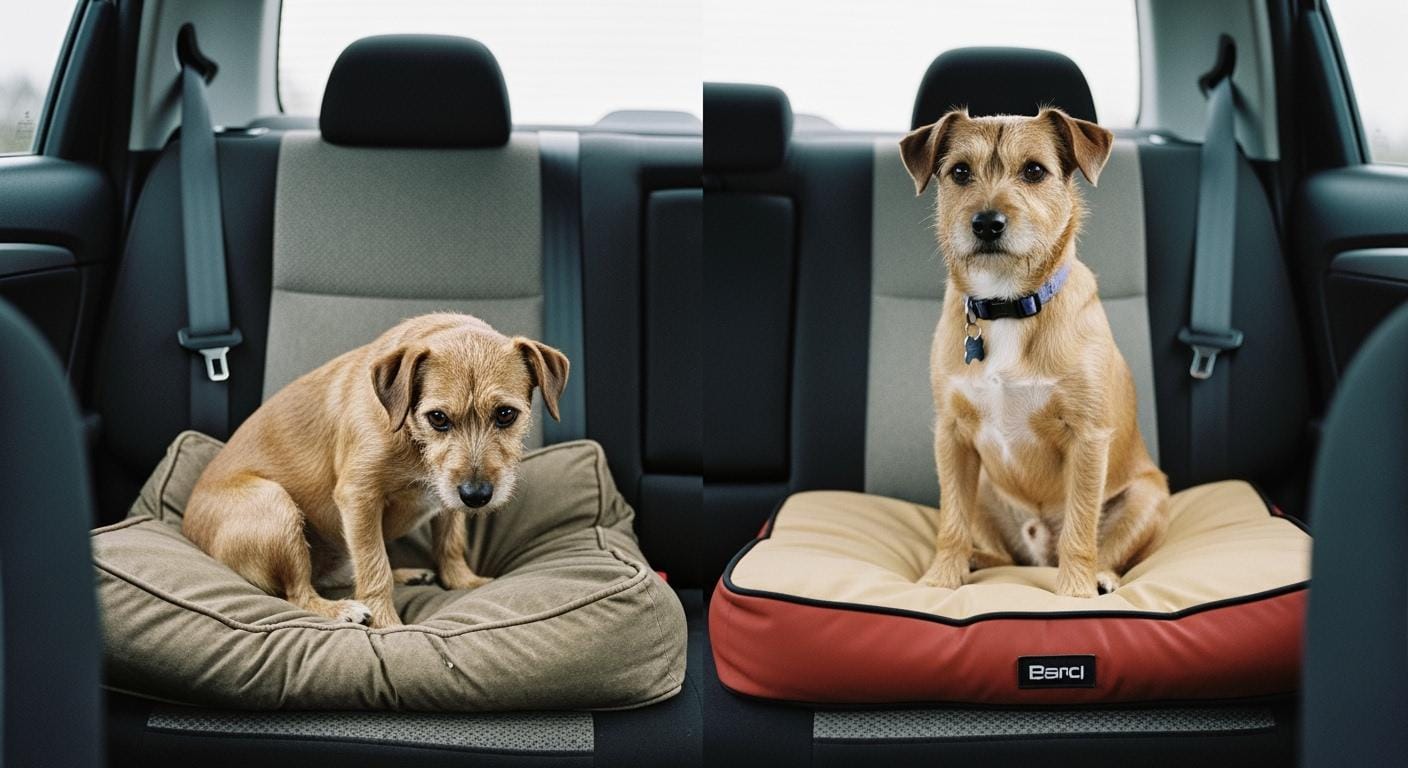
A small dog elevated bed usually works best when your dog can step onto it without hesitation, settle on the surface without shifting around, and use more than just the middle of the bed. If one of those pieces is off, the bed may look fine in your home and still go unused after a few days.
For most small breeds, fit matters more than feature lists. A lower bed with a stable frame and a surface your dog accepts is usually a better choice than a taller or more complicated model that feels awkward underfoot. If you are already thinking about keeping a dog sleep surface clean and supportive long term, the same principle applies here: daily comfort and regular use matter more than extra claims on a product page.
When an elevated bed helps and when another bed may work better
An elevated cot can be a strong match for small dogs that get warm on padded beds, rest in warmer rooms, or do better on a cleaner surface that stays off the floor. The airflow underneath the bed usually helps more than people expect, especially in homes where floor-level beds tend to hold heat.
That does not mean an elevated bed is automatically the best fit. Very young puppies, dogs with limited mobility, and dogs that strongly prefer to burrow or lean into soft sides may settle faster on a low padded bed or a cooling mat. If your dog only uses a raised bed when you place them on it, the issue is usually fit, not stubbornness.
How elevated cots compare with other common bed types
| Feature | Elevated Cot | Low Padded Bed | Cooling Mat | What to Watch |
|---|---|---|---|---|
| Joint pressure | Weight is spread across the suspension surface | Depends on how firm the fill stays | Very little cushioning | A sagging cot loses much of its support advantage |
| Airflow | High, with air moving underneath | Low, because heat stays closer to the floor | Mostly surface cooling only | Mesh condition affects how well the bed stays breathable |
| Floor hygiene | Sleeping surface stays off the floor | Full floor contact | Full floor contact | Frame feet need to stay stable on the floor surface |
| Entry ease | Depends on bed height | Usually easy at floor level | Usually easy at floor level | Height is often the biggest problem for small breeds |
| Cleaning | Frame wipes down and cover may be washable | Usually needs more frequent full washing | Wipes clean easily | Repeated washing can change mesh tension over time |
What usually makes owners get it wrong
The most common mistake is choosing by weight range alone. A bed can support a small dog’s weight and still sit too high for easy daily use. Small and toy breeds often need a lower step up than the product description suggests, especially if they have shorter legs or a cautious way of moving.
Other problems show up when the frame slides on a smooth floor, the surface feels too loose or too stiff, or the bed gets judged after one short try. A dog may need a few days to accept a new sleep surface, but a week of clear avoidance usually means something real is off.
Tip: For many small dogs, lower entry height matters more than extra features. If your dog cannot get onto the bed comfortably without help, the rest of the design matters much less.
The three things that matter most in a small dog elevated bed
If you are trying to figure out whether an elevated bed is a good fit, start with entry height, surface feel, and edge security. Those three signals usually tell you more than product labels, marketing terms, or feature grids.
Entry height should feel easy, not like a jump
Entry height decides whether your dog uses the bed on their own or waits for help. A good height usually looks uneventful. Your dog walks up, steps on, turns, and settles without circling, scrambling, or stopping at the edge.
If you keep seeing hesitation, a running start, or a pause with one paw on the frame, the bed may be too high or the approach may not feel stable enough. Looking at how cot height and sizing affect daily use patterns can make it easier to judge whether the setup matches what a small dog can do comfortably every day.
Surface feel shapes whether your dog settles or keeps leaving
Mesh surfaces usually stay cooler and are easier to keep clean, but some dogs need time to accept the firmer feel underfoot. Fabric and padded tops may feel more familiar right away, though they often hold more heat and ask for more washing.
If your dog steps onto the bed and leaves within a minute or two, the surface may feel unfamiliar rather than wrong in principle. When you are comparing washability and material durability across bed types, this is often the tradeoff that matters most in real use: cooler and easier to clean versus softer and more familiar.
| Surface Type | Airflow | Feel Underfoot | Cleaning | What to Watch |
|---|---|---|---|---|
| Mesh | High | Firm | Usually easy to wipe or rinse | Tension may loosen with long-term use |
| Fabric | Moderate | Softer | Often machine washable | Can hold more heat than mesh |
| Padded top | Low | Plush | Usually needs fuller washing | May feel comfortable fast but stay warmer |
Edge security matters more than many owners expect
Small dogs often like some sense of boundary. If the bed feels too open, they may only use the center and avoid the edges. That pattern usually means the perimeter does not feel secure enough, not that the whole bed is unusable.
Raised sides, a slightly more enclosed shape, or a low bolster can help some dogs relax. If your dog keeps bunching into the middle or avoids the corners for days at a time, that is a useful clue that the open edge design may not suit their resting style.
What good fit usually looks like after a few days
Instead of judging the bed on the first interaction, watch how your dog uses it across several normal rest periods. A good fit usually shows up as calm approach, easy entry, quick settling, and repeat use without prompting. A poor fit tends to look like hesitation, quick exits, slipping paws, or constant center-only use.
If you want a practical way to judge whether the bed is working, the signs below are usually easier to trust than a product description. They also line up closely with the kind of at-home checks discussed in this overview of elevated bed fit and stability.
| Check | Pass Signal | Fail Signal | Adjustment That Usually Helps |
|---|---|---|---|
| Entry height | Dog steps on without scrambling or pausing | Circles, hesitates, or waits to be lifted | Use a lower bed or add a stable step beside it |
| Surface feel | Settles within a few minutes and stays | Shifts around or gets off quickly | Try a thin familiar layer or a softer top |
| Edge security | Uses most of the bed, including the sides | Stays only in the center | Choose a design with more side definition |
| Temperature response | Breathing stays relaxed while resting | Leaves to lie on tile or another cooler surface | Check room heat or switch to a more breathable surface |
| Cleaning ease | Surface stays fresh with routine cleaning | Odor and debris build up quickly | Use a removable cover or easier-clean material |
What your dog’s behavior usually tells you
Your dog’s behavior on the bed often reveals the problem faster than measurements do. If they pause before getting on, leave soon after lying down, slide during entry, or never use the corners, those patterns usually point to a fit issue you can identify and fix.
Common signals and what they usually mean
| Symptom | Likely Cause | What to Check | Fix |
|---|---|---|---|
| Hesitation before mounting | Bed is too high or feels unstable | Watch the first step and paw placement | Lower the setup or add a stable step |
| Leaves within minutes | Surface feels unfamiliar or too warm | Notice whether your dog circles before leaving | Try a softer layer or improve airflow |
| Paws slide on entry | Frame feet move or the surface lacks grip | Watch entry and exit on the actual floor surface | Place a non slip mat under the frame |
| Uses only the center | Perimeter feels too exposed | See whether the dog avoids the edges across several rests | Switch to a bed with more edge definition |
How to help a small dog settle onto a new elevated bed
Placement matters. Put the bed where your dog already likes to rest instead of moving it to a spot that only works better for the room. Familiar location, familiar routine, and low pressure usually lead to faster acceptance than repeated coaxing.
Reward voluntary interest, but avoid lifting your dog onto the bed unless there is a specific reason to do so. You want to learn whether the dog chooses it on their own. Early hesitation often shows up in small ways, including circling, paw pauses at the edge, or quick exits after stepping on, which are the same day-to-day signals discussed in cot height and sizing for daily use.
Tip: A relaxed body, slower breathing, and a full-body sprawl usually tell you more than a few seconds of curiosity. Acceptance looks calm, not just cooperative.
When it makes sense to switch to a different style
If your dog still avoids the bed after several days of normal access and one or two sensible adjustments, the elevated format may simply not be the best match. Some small dogs prefer the enclosed feel of a low bed, while others settle best on a cooler floor-level mat.
That is not a failed setup. It is useful information about your dog’s resting style. The best bed is the one your dog uses willingly and consistently, not the one that looks most impressive on paper.
Disclaimer: If your dog avoids resting surfaces in general, seems painful when lying down, or shows a clear change in normal movement, talk to your veterinarian before assuming the issue is only bed preference.
Final takeaways for choosing a small dog elevated bed
A small dog elevated bed usually works when the height feels easy, the surface feels acceptable, and the edges do not feel too exposed. Those are the three things most likely to decide whether the bed becomes part of your dog’s routine or stays unused in the corner.
For a broader look at how size, support, and weather use affect bed choice, the outdoor dog beds size and features guide extends the same fit logic to more use cases. Entry height, surface style, and overall bed shape also vary across the current outdoor dog bed range, which helps show how those fit differences appear across real bed designs.
- Entry height is usually the first thing to get right for small breeds.
- Surface feel and edge security often decide whether a dog keeps using the bed after the first day.
- If targeted adjustments do not change anything, a lower or more enclosed bed may be the better fit.
FAQ
How often should you clean a small dog elevated bed?
For most small dogs, wiping the frame regularly and washing any removable cover as needed is enough to keep the bed fresh.
Can small dogs use elevated beds with orthopedic inserts?
They can, as long as the setup still stays low enough for easy entry and the added surface does not make the bed feel unstable.
What if your dog will not use the elevated bed?
Start by checking height, surface feel, and floor stability. If avoidance continues after a few practical adjustments, a lower or more enclosed bed may suit your dog better.