
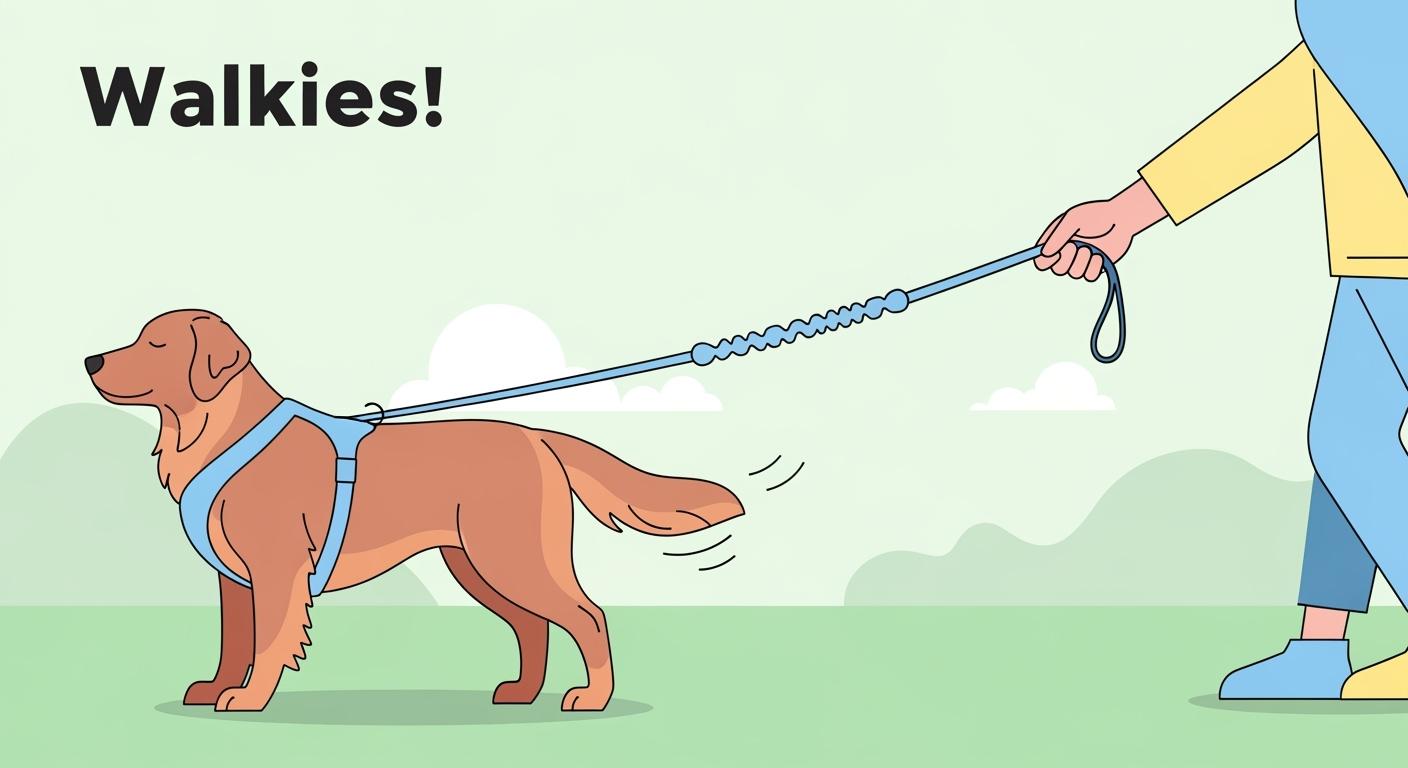
A bungee leash can make walks feel smoother, but extra stretch does not always mean better control. The right choice depends on how hard your dog pulls, how quickly you need to shorten the leash, and where you usually walk. Judge it by rebound, handle comfort, and how predictable it feels in motion.
Key Takeaways
- Choose a bungee leash that softens sharp jolts without giving your dog too much extra distance.
- Test rebound speed, handle grip, and close-control feel before using it in crowded or high-distraction areas.
- Check the elastic section, stitching, and hardware often, and clean the leash according to the care label.
Fit and Handling: Is a Bungee Leash Right for You?
Stretch Response and Handle Comfort
You want a leash that matches your walking needs and your dog’s energy. Start by checking the stretch response. Hold the leash and pull gently to see how much give it has before it works back toward neutral. A useful amount of stretch softens sudden jolts and can feel easier on your arm during everyday walks.
Too much stretch, though, can blur timing when you need a fast stop or a shorter working length. If you walk in traffic, pass bikes, or manage a strong dog in tight spaces, test whether the leash rebounds quickly enough to feel predictable. The handle should stay secure, padded, and easy to grip when your dog loads the leash.
- A bungee section can reduce the shock of sudden pulls.
- Too much give can make close handling feel slower in crowded areas.
- Pick a stretch zone that matches your dog’s strength and your own reaction needs.
Close-Control Feel and Quick Adjustments
Close-control feel matters if you need to guide your dog quickly. A bungee leash should still let you shorten your working distance without fumbling. If the stretch makes the leash feel vague or delayed, it may not suit strong pullers or busy walking routes.
Try connecting the bungee leash for dog to your usual collar or harness. Walk a short distance and practice stopping, turning, and bringing your dog back to your side. Notice whether you can re-grip, shorten, and recover control quickly without fighting the leash.
Signs of Poor Fit or Loss of Control
Watch for signs that the leash does not suit your routine. A slow rebound, a handle that twists in your palm, or a stretch zone that keeps giving when you need control can all make walks harder. If your dog surges forward and you cannot bring the leash back to a shorter, steadier feel quickly, the setup may be wrong for you.
Tip: Always test the leash in a safe, open area before using it in crowded places. This helps you spot any fit or control issues early.
Pass/Fail Checklist Table
| Check Item | Pass Signal | Fail Signal | Solution |
|---|---|---|---|
| Stretch Response | Smooth, controlled give; absorbs jolts | Too loose or too stiff; delayed rebound | Try a different bungee dog leash |
| Handle Comfort Under Load | Padded, secure grip; no hand strain | Handle digs in, slips, or feels rough | Add a grip cover or choose padded handle |
| Close-Control Feel | Quick, precise adjustments possible | Hard to shorten or control quickly | Use a shorter leash or fixed section |
| Connection to Gear | Clips easily to collar/harness | Hardware too heavy or awkward | Try lighter hardware |
| First-Use Testing | Dog responds well; handler feels in control | Loss of control or dog pulls too far | Reassess fit and leash length |
Comparison Table
| Feature | Bungee Leash for Dog | Fixed Leash | Lightweight Hardware | Heavy Hardware | Padded Handle | Basic Handle | Quick-Dry Material | Absorbent Material |
|---|---|---|---|---|---|---|---|---|
| Shock Absorption | Yes | No | Yes | No | Yes | No | Yes | No |
| Control for Strong Pullers | Moderate | High | Yes | No | Yes | No | Yes | No |
| Flexibility | High | Low | Yes | No | Yes | No | Yes | No |
| Handler Comfort | High (if padded) | Varies | Yes | No | Yes | No | Yes | No |
| Extra Leeway | Yes | No | Yes | No | Yes | No | Yes | No |
| Leash Training | Moderate | High | Yes | No | Yes | No | Yes | No |
| Safety | Good (with proper fit) | Good (with proper fit) | Yes | No | Yes | No | Yes | No |
Note: A bungee leash is a specialized option, not an automatic upgrade. It works best when the stretch feels controlled, the handle stays secure, and your dog does not need constant tight-distance handling.
Step-by-Step Guide for Fit and Handling Checks:
- Inspect the bungee leash for dog for stretch response by pulling gently.
- Grip the handle and test for comfort under load.
- Connect the leash to your dog’s collar or harness.
- Walk in a safe area and practice quick stops and turns.
- Check if you can adjust the leash length easily.
- Watch your dog’s response and your own control.
- If you notice any loss of control or discomfort, try a different fit or style.
Disclaimer: This guide does not replace professional training or medical advice. Always supervise your dog and check local safety rules.
Bungee Leash Materials and Build: What Matters Most
Elastic Recovery and Webbing Quality
You should see how the bungee leash for dog stretches and recovers. Pull the elastic section and watch how quickly it comes back. Good recovery feels controlled rather than loose or laggy. Check the webbing too. It should feel dense, smooth, and resistant to fraying at the edges.
Stitching, Clips, and Swivel Hardware
Stitching and hardware do the real holding work. Look for tight, even stitch lines, clips that close cleanly, and a swivel that turns without catching. Hardware that feels bulky, rough, or stiff can make everyday handling less predictable, especially if your dog moves fast.
Comfort-Touch vs. Structural Features
Comfort-touch features include padded handles, softer webbing edges, and grip zones that do not cut into your hand. Structural features include the elastic section, seam strength, clip quality, and swivel performance. A leash can feel soft in your hand and still be poorly built, so check both comfort and structure before deciding it suits your dog.
Safety Tip: Check the leash for fraying, loose stitching, stiff hardware, or slow rebound before every use. Replace it if any part stops feeling reliable.
Troubleshooting Table
| Fault Symptom | Possible Cause | Quick Check | Solution |
|---|---|---|---|
| Slow elastic rebound | Worn elastic | Stretch and release | Replace elastic section |
| Frayed webbing | Abrasion or age | Inspect webbing edges | Replace leash |
| Loose stitching | Poor quality or wear | Check stitch lines | Repair or replace leash |
| Stiff swivel | Dirt or rust | Rotate swivel | Clean or lubricate swivel |
| Clip won’t lock | Bent or worn clip | Test clip closure | Replace clip |
Disclaimer: This guide gives helpful tips. It does not replace advice from a trainer or vet. Always watch your dog and follow safety rules.
Travel and Everyday Use: When a Bungee Leash Excels or Fails
Packability and Quick Handling Access
You want a leash that fits daily walks as well as mixed outings. A bungee leash can fold down easily and clip onto a bag or belt, which makes it convenient for hikes, park visits, or travel days with several stops. That convenience matters, but it does not replace the need for close control if your dog pulls hard in busy places.
| Feature | Bungee Leash | Standard Leash |
|---|---|---|
| Packability | Easy to fold and clip on quickly | Varies, generally less compact |
| Control in Crowds | May not be suitable for busy areas | Offers better control in crowded spaces |
| Convenience for Travel | Convenient for mixed outings | May not be as versatile for travel |
Easy Cleaning and Full Dry-Out
You need a leash that cleans up quickly after outdoor use. Most bungee leashes use synthetic webbing and metal hardware, so dirt can usually be rinsed off with water and mild soap if the care label allows it. Dry the leash completely before using it again, especially around the elastic section and hardware.
Common Travel Mistakes with Bungee Leashes
Many buyers focus on padding or portability and forget to test stretch behavior under real handling. Others assume ‘travel-friendly’ means it works everywhere, even in crowded sidewalks or close-control situations. A bungee leash can feel comfortable on open walks but less precise when you need instant shortening or very steady positioning.
Safety Reminder: Use a bungee leash only when the amount of stretch still lets you guide your dog confidently. In crowded, high-speed, or high-distraction places, a fixed leash may feel clearer and more predictable.
Disclaimer: This guide does not replace advice from a trainer or veterinarian. Always supervise your dog and follow local safety rules.
You can judge whether this leash style works for you by looking at stretch response, handle comfort, hardware reliability, and how easy it is to shorten the leash when your dog moves suddenly.
- Check the leash before every walk.
- Clean it according to the care label and dry it fully.
- Reassess the setup if your dog, route, or control needs change.
FAQ
How do you know when to replace a bungee leash for your dog?
Check for frayed webbing, slow elastic rebound, or loose hardware. Replace the leash if you see any damage or loss of control.
Can you use a bungee leash for leash training a puppy?
A fixed leash is usually easier for early leash training because it gives more consistent feedback. A bungee leash may work later if your puppy already responds well to basic leash handling.
What is the best way to clean a bungee leash after outdoor use?
Follow the care label. Rinse off dirt with water. Let the leash dry completely before using it again.
Disclaimer: This FAQ does not replace advice from a veterinarian or professional trainer.






