A hands free dog leash can be a strong walking, running, and hiking product when the structure matches the real use case. It can also fail quickly when the belt slips, the bungee stretches too far, the clip feels weak, or the leash length gives too little control in busy areas. For B2B buyers, the main question is not only whether the leash looks convenient. The real question is whether the design can stay stable across different dog sizes, handler positions, activity levels, and outdoor conditions.
This guide is written for retailers, distributors, pet brands, and OEM/ODM buyers comparing hands free leash products for walking and outdoor activity lines. It explains the main leash types, fit points, hardware choices, bungee tradeoffs, safety checks, and use-case boundaries buyers should review before choosing a product direction. It also connects naturally with broader walking-control needs, where leash choice, harness fit, and activity scenario need to work together.
Quick Buying Notes
- Choose the product direction by use case first: daily walking, running, hiking, strong-dog control, or lighter small-dog handling.
- Waist-worn and cross-body designs solve different control problems. One is not automatically better than the other.
- Bungee stretch can reduce shock, but too much stretch can delay control and make the leash feel unstable.
- Clip strength, swivel function, traffic-handle position, stitching, and adjustment stability matter more than surface style.
- A hands free leash should be judged together with harness fit, because poor pairing can cause twisting, rubbing, side pull, or poor control.
How to Choose a Hands Free Dog Leash by Use Case
Start With the Main Walking or Activity Scenario
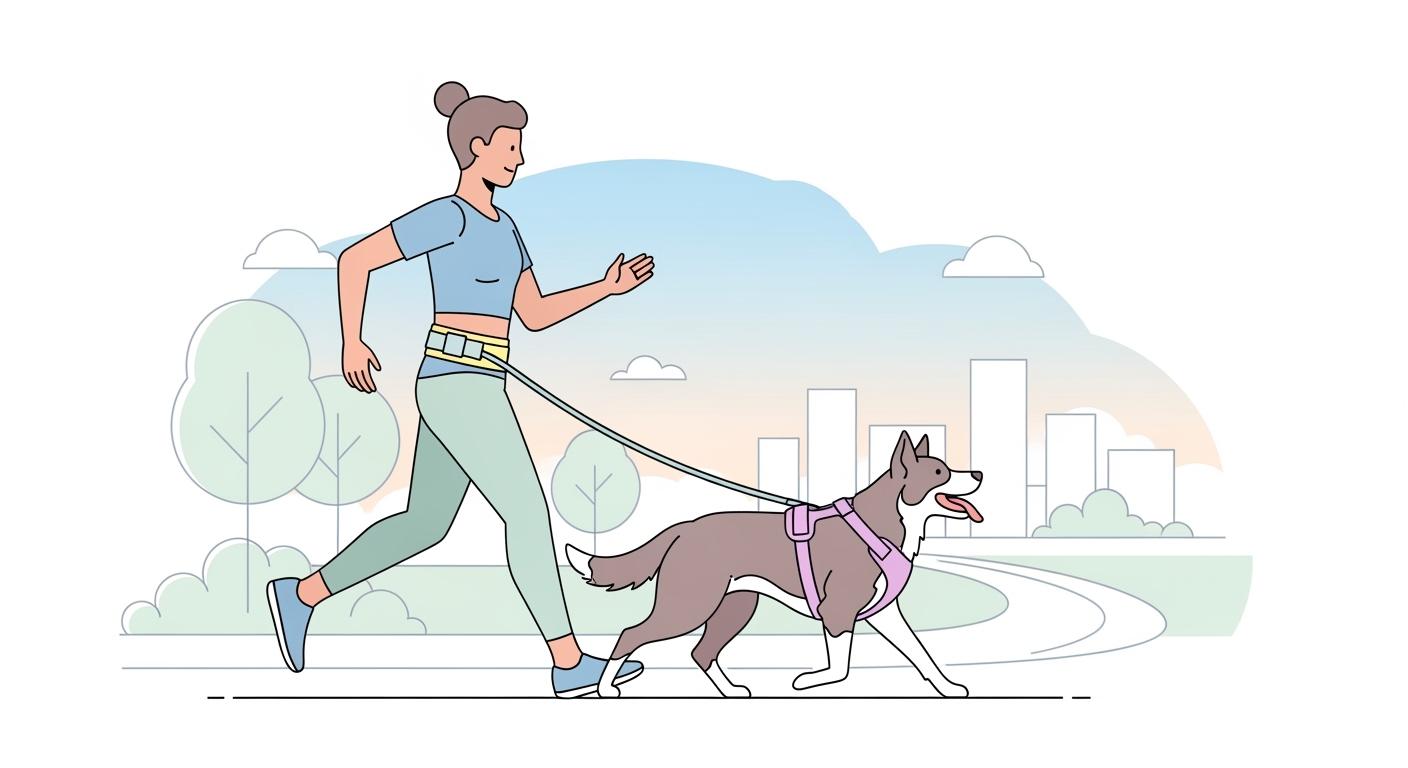
A hands free dog leash usually attaches around the waist or across the body so the handler can move without holding the main leash in one hand. That design can work for daily walking, jogging, trail use, or structured outdoor activity, but each scenario needs a different balance of control, stretch, length, and comfort.
For a B2B product line, this matters because one generic “hands free leash” may not fit every customer expectation. A daily walking model should prioritize short control, easy adjustment, and a reliable traffic handle. A running model should allow smoother movement without creating too much slack. A hiking model may need stronger hardware, wider webbing, reflective details, and easier length changes. A product made for small dogs should avoid oversized hardware that feels heavy at the attachment point.
| Use Case | Best Product Focus | Common Product Mismatch |
|---|---|---|
| Daily city walking | Shorter control range, traffic handle, quick adjustment | Leash too long or too stretchy for sidewalks and crossings |
| Running with a steady dog | Moderate bungee, stable waist fit, smooth movement | Bungee section gives too much slack or rebounds too sharply |
| Trail walking or hiking | Adjustable length, stronger clips, durable webbing | Weak hardware or narrow strap feels unstable on uneven ground |
| Strong or fast dogs | Wider webbing, reinforced stitching, better manual control points | Thin leash, light clip, or belt rotation during side pulls |
| Small dogs | Lighter hardware, softer handling, lower pull weight | Oversized clip or heavy leash section affects comfort |
Who Should Use a Hands Free Leash, and Who May Need Another Setup
A hands free leash is a better match when the dog already walks with reasonable control and the handler wants more natural arm movement. It can be useful for jogging, open paths, casual trails, and hands-occupied walking situations. It is less suitable as the first control tool for dogs that lunge suddenly, pull hard in crowded streets, or need close hand guidance at every turn.
That does not make the product weak. It simply means the product positioning should be clear. A hands free leash is not the same as a corrective leash, a long-line training lead, or a heavy-duty control lead. Buyers should avoid over-positioning one design as suitable for every dog and every activity. A focused range usually performs better than a vague one.
When the product line already includes standard leash styles, a hands free option can sit beside the core dog leash range as an activity-focused upgrade for walking, running, and outdoor use.
Hands Free Dog Leash Types and Feature Tradeoffs
Waist-Worn vs Cross-Body Designs
Waist-worn leashes are common for jogging, casual walking, and hands free movement. They are easy to understand and often comfortable for steady dogs. The main risk is belt movement. If the belt is narrow, poorly adjusted, or placed too loosely, a sudden side pull can rotate the belt and reduce control.
Cross-body leashes spread force across the shoulder and torso. They can feel more stable for some handlers and may be useful for outdoor use, stronger movement, or longer walks. The tradeoff is comfort. If the strap lacks padding, has limited adjustment, or sits poorly across the chest, it can rub or shift during movement.
| Design Type | Best Fit | Main Risk | Buyer Checkpoint |
|---|---|---|---|
| Waist-worn | Jogging, daily walking, steady dogs | Belt rotation during sudden pulls | Check belt width, buckle security, and quick shortening |
| Cross-body | Outdoor walks, stronger movement control | Strap rubbing or shifting across the shoulder | Check padding, strap angle, and adjustment range |
| Convertible | Mixed use cases and multi-position wear | More adjustment points can loosen if not built well | Check buckle stability and clear use instructions |
Fixed Sections vs Bungee Sections
A fixed section gives more predictable leash length. It is usually better for sidewalks, busy areas, narrow paths, and dogs that need close handling. A bungee section can soften sudden movement, especially during running, but it needs a controlled stretch limit. If the elastic portion stretches too much, the handler may lose timing and the dog may gain too much distance before the leash tightens.
For buyers, the question is not simply “bungee or no bungee.” The better question is: how much stretch is useful for the intended activity, and where should the fixed control section begin? A product meant for running can use moderate shock absorption. A product meant for city walking should keep a firmer control feel.
| Feature | Good Product Direction | Possible Failure Point |
|---|---|---|
| Fixed control section | Predictable distance and quick response | May feel harsh if no shock control is provided |
| Moderate bungee | Smoother movement for jogging or light pulling | Can reduce control if stretch is too long |
| Traffic handle | Fast hand control near roads, dogs, or crowds | Hard to use if placed too far from the dog |
| Adjustable length | Works across routes and dog sizes | May slip if the adjuster is weak under tension |
Clip, Handle, and Adjustment Details
Hardware is one of the clearest quality signals in a hands free leash. Buyers should compare clip size, locking method, swivel movement, spring action, and finish. A clip that is too light may feel unreliable for stronger dogs. A clip that is too heavy may be uncomfortable for small dogs. The right answer depends on the target dog size and product use case.
Handle placement is also important. A hands free leash still needs manual control when the route changes. A traffic handle near the dog, a secure belt, and smooth length adjustment make the product easier to trust in daily use. If a leash has multiple features but they are hard to reach under tension, the feature list looks stronger than the real product experience.
| Area | What to Check | Why It Matters |
|---|---|---|
| Clip | Locking action, swivel movement, size, and finish | Reduces twisting, weak attachment, and accidental opening risk |
| Traffic handle | Position, grip comfort, and ease of reaching | Supports quick control in tight or busy spaces |
| Belt or strap | Width, padding, buckle stability, and adjustment range | Controls comfort and slipping during movement |
| Stitching | Reinforcement at stress points | Supports repeated pulling and outdoor use |
| Reflective detail | Placement, coverage, and durability after cleaning | Helps visibility during early morning or evening walks |
Materials and Comfort
Hands free leashes are handled, worn, pulled, adjusted, and often used outdoors. Material choice should support both comfort and repeated tension. Webbing should feel stable without sharp edges. Padding should reduce pressure without becoming bulky. Adjustment hardware should hold position after repeated movement. Reflective details should be placed where they can be seen, not only where they look good in photos.
| Material or Hardware Area | Buyer Priority | Risk to Avoid |
|---|---|---|
| Webbing | Stable hand feel, clean edges, suitable width | Fraying, curling, or rough edges |
| Padding | Comfort during longer wear | Too much bulk or flattened padding after use |
| Metal hardware | Secure connection and smooth movement | Rust, weak spring action, or poor swivel control |
| Adjustment points | Stable sizing across waist or cross-body use | Loosening under tension |
| Reflective trim | Visibility during low-light walking | Fading, peeling, or poor placement |
Fit, Safety, and Quality Checks Before Choosing a Product
Check Pairing With a Harness or Collar
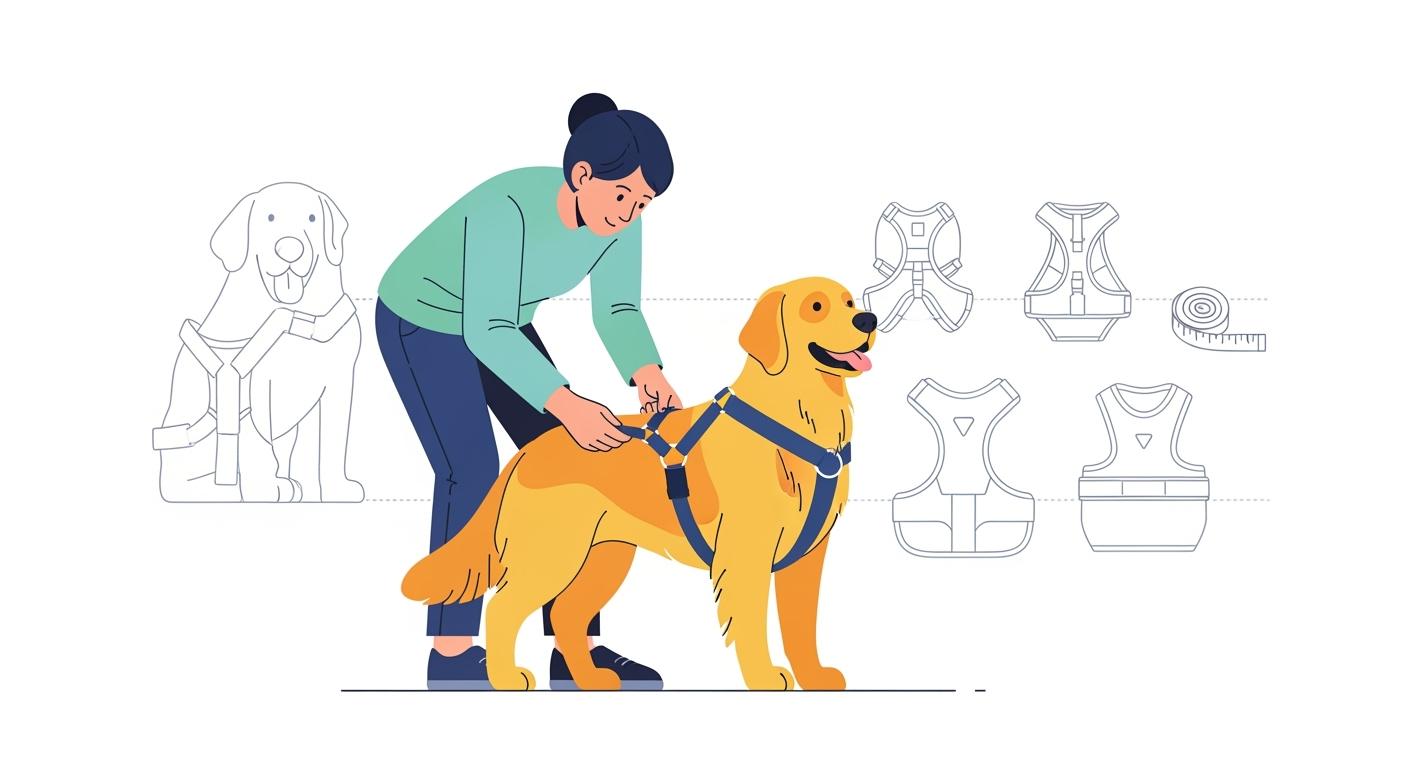
A hands free leash should not be judged alone. The attachment point, pull angle, and leash length all affect the harness or collar. If the leash pulls from an awkward angle, the harness may shift sideways, rub behind the front legs, or reduce natural shoulder movement. If the leash is attached to a collar on a dog that pulls, pressure can concentrate in the wrong place.
For most walking-control product sets, a well-fitted harness is a better pairing than relying on a collar alone. If the product is meant to be sold as a coordinated walking setup, review how the leash works with a dog harness and leash set rather than testing the leash in isolation.
Set Leash Length by Environment
Leash length controls how much time the handler has to respond. Shorter lengths work better for sidewalks, crossings, and crowded areas. Longer lengths can be useful for open paths or trail use, but they increase tangling and delayed control if used in the wrong environment. A hands free leash should make length control easy, not force one length for every situation.
| Length Direction | Best Use | Risk if Used Wrong |
|---|---|---|
| Short control range | City walking, road crossings, tight paths | Can feel restrictive in open areas |
| Medium range | Daily walking and light outdoor use | Needs stable adjustment to avoid slack |
| Longer adjustable range | Open trails and low-distraction spaces | Can tangle or reduce response in busy places |
Use a Practical Buyer Checklist
Before adding a hands free leash to a product line, buyers should review the product as a full movement system: handler fit, dog-side attachment, leash length, stretch control, hardware, and repeated-use durability. This is more useful than judging the leash only by photos or feature count.
| Checkpoint | Pass Signal | Fail Signal | What to Improve |
|---|---|---|---|
| Handler fit | Belt or strap stays stable during movement | Rotates, slips, or rubs | Adjust strap width, padding, buckle, or size range |
| Dog movement | Dog can move naturally without sideways pulling | Harness shifts or leash angle twists the body | Review attachment point and leash length |
| Control response | Handler can shorten quickly when needed | Too much slack or hard-to-reach handle | Add or reposition traffic handle and length adjuster |
| Hardware stability | Clip locks smoothly and swivels without sticking | Clip feels weak, heavy, or rough | Match hardware grade and size to target dog range |
| Stretch control | Bungee softens movement without delaying response | Stretch feels long, loose, or hard to control | Reduce bungee length or add a firmer control section |
| Outdoor durability | Stitching, webbing, and reflective details stay stable after use | Fraying, fading, loose threads, or weak adjustment | Reinforce stress points and review material selection |
Common Product Mismatches and Buyer Decision Matrix
Common Mismatches That Cause Use Failure
Most hands free leash problems come from a mismatch between product design and real use. The leash may not be poorly made, but it may be positioned for the wrong dog, route, or activity. A broad buying guide should make these boundaries clear so customers understand what the product is built for.
| Mismatch | Why It Happens | Better Product Direction |
|---|---|---|
| Too much leash length in busy areas | Open-space design used for sidewalk walking | Shorter adjustable leash with traffic handle |
| Bungee reduces control | Stretch section is too long or too soft | Moderate bungee with firmer fixed control section |
| Belt slips or rotates | Waist range, buckle, or strap width does not match use | Wider belt, better adjustment, or cross-body option |
| Clip feels wrong for the dog size | Same hardware used across all sizes | Match clip weight and strength to dog range |
| Harness shifts during hands free use | Leash angle and harness fit were not tested together | Pair with a stable harness and review attachment position |
Decision Matrix for Product Selection
The best hands free dog leash depends on the buyer’s target user scenario. Use the matrix below to compare product direction before deciding whether the page, product spec, or OEM/ODM request should focus on running, daily walking, hiking, or stronger control needs.
| Buyer Scenario | Recommended Setup | What to Avoid | Decision Note |
|---|---|---|---|
| Urban daily walking | Shorter hands free leash with traffic handle and stable clip | Long stretch sections and weak quick adjusters | Prioritize response and close control |
| Running with a steady dog | Waist-worn leash with controlled bungee and secure belt | Loose belt, excessive stretch, or non-locking hardware | Balance shock absorption with predictable control |
| Trail walking or hiking | Adjustable leash with durable webbing, swivel clip, and reflective detail | Thin webbing or hardware that sticks under movement | Prioritize durability and route flexibility |
| Strong dogs | Wider strap, reinforced stitching, reliable clip, and easy manual grip | Light clips, narrow leash, or no traffic handle | Control points matter more than extra stretch |
| Small dogs | Lighter clip, softer webbing, and lower hardware weight | Oversized hardware or bulky bungee sections | Comfort and proportion matter as much as strength |
| Mixed walking and running | Convertible waist/cross-body leash with controlled adjustment | Too many loose components or unclear setup | Make the adjustment path simple and stable |
What a Strong Hands Free Leash Line Should Make Clear
A good hands free leash guide should help buyers understand the product range, not only teach one user how to use one leash. The product direction should make the activity, dog size range, attachment method, hardware level, and safety boundaries easy to judge. This is especially important for B2B buyers comparing samples, building a walking product line, or deciding whether to request a custom version.
For OEM/ODM work, the most useful customization points are usually webbing width, belt range, clip type, reflective placement, bungee feel, traffic-handle position, color, logo placement, and packaging instructions. These choices should support the target use case instead of adding features that make the product harder to understand.
FAQ
Is a waist hands free leash better than a cross-body leash?
Not always. A waist leash can be better for steady jogging and simple daily walks, while a cross-body leash may feel more stable for some outdoor or stronger-dog use cases. The better choice depends on pull direction, handler comfort, adjustment range, and the activity scenario.
Should every hands free dog leash include a bungee section?
No. Bungee stretch is useful when it is controlled and matched to running or smoother movement. For busy sidewalks, stronger dogs, or situations needing quick response, too much stretch can reduce control. A fixed section or traffic handle may be more important.
What product details should B2B buyers check before sourcing?
Check belt stability, leash length range, bungee behavior, clip size, locking or swivel function, stitching at stress points, traffic-handle placement, webbing feel, reflective details, and how the leash pairs with a harness. These details decide whether the product feels reliable in real use.
Can one hands free leash design cover walking, running, and hiking?
One design can cover mixed activity only if the adjustment system is stable and the product has clear boundaries. A better range often separates daily walking control, running comfort, and outdoor durability instead of forcing one model to solve every use case.