
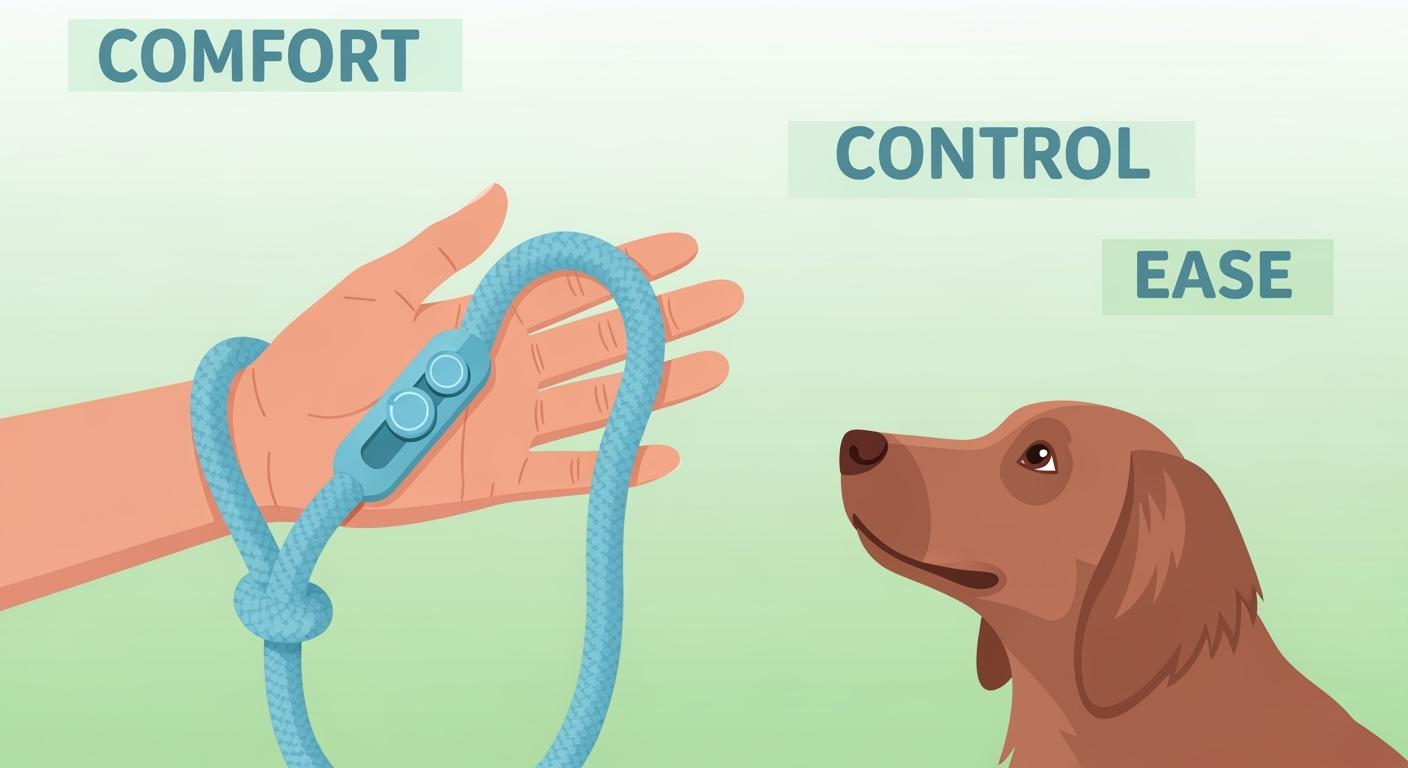
Choosing a leash dog rope means trading softer hand feel for faster control, so the better pick depends on how your dog moves on real walks.
If your dog surges at corners, stops to sniff, or changes pace without warning, hand comfort matters, but reaction time matters just as much. This page helps you compare rope, flat, and padded options by slack management, close control, and real handling feel.
Note: A softer leash can feel better at first touch, but for most handlers the better choice is the one that stays predictable when the line tightens and then goes loose again.
Key Takeaways
- A leash dog rope usually feels softer in the palm, but a flatter leash often shortens faster when you need close control.
- For most daily walks, the right choice comes from testing hand comfort, slack management, and clip behavior together, not from judging thickness alone.
- If you are still comparing styles, browsing dog leash options can help you sort rope, standard, and stretch designs by handling goal.
When Rope Feels Better in the Hand
Rope leashes usually make sense when your dog walks with a steadier line and you do not need constant fast shortening. On calmer routes, the rounder shape can feel easier in the palm, especially if you walk longer distances or tend to notice pressure hot spots from flatter webbing.
That softer feel matters most when the walk stays readable. If your dog keeps a lane, gives you time to react, and does not throw frequent short bursts into the line, comfort becomes a real advantage rather than a tradeoff.
| Leash type | Feel in use | Why it helps | What to watch |
|---|---|---|---|
| Rope | Soft, round, easy in the palm | Often reduces pressure hot spots during steady walking | Can roll, bunch, or slip when you shorten fast |
| Flat webbing | Thin, flatter, more direct | Usually easier for slack management and quick pull in | Can feel sharper in the hand during repeated pulling |
| Padded handle | Cushioned at the grip | Often helps wrist comfort during stronger tension | Bulk at the handle does not fix poor leash body control |
For most handlers, rope works best when the dog walks with fairly steady line pressure and you do not need repeated fast shortening. If your route changes quickly, a walking control setup with clearer leash length management usually feels easier to live with.
Why the softer feel can still matter
Grip feel matters because comfort drops quickly once repeated tension starts running through your hand. Rope often feels better at first contact, and on some routes that is enough to make the walk easier. The benefit is real when the leash stays readable, your dog does not keep forcing quick regrips, and you are not constantly gathering loops near curbs, doors, or passing dogs.
Where that comfort starts to fade
Hand fatigue matters because discomfort changes your timing and grip quality long before you think of it as a problem. Rope can feel kinder on longer, calmer walks, but flatter materials often feel more precise once you start gathering and releasing slack over and over.
If you are comparing soft feel against elastic rebound, the handling checks in stretch leash rebound are useful because extra give can improve comfort but still reduce close control when timing matters.
What Usually Changes on Real Walks
Fast shortening gets harder
Close control matters because busy sidewalks punish slow hand changes. Rope usually becomes harder to manage when the leash is thick for the dog’s size, when your dog pulls in short bursts, or when you need one hand free to open doors, carry bags, or reward quickly.
That tradeoff shows up clearly when you compare your leash with a full fit and leash setup, since control often depends on both the line and the attachment point, not the leash alone.
Slack gets messier than expected
Slack management matters because a leash that feels comfortable while hanging loose can become awkward once you need to gather it fast, release it cleanly, and do it again a few seconds later. Rope often feels smoother on steady routes, but the round profile can stack into bulkier loops when you need quick changes.
Clip behavior becomes more obvious
Clip behavior matters because an unstable load path often turns a minor pull into awkward steering. If the clip twists, drags off center, or keeps rotating through turns, the leash starts feeling less predictable even if the grip itself still feels good.
| Check item | Pass signal | Fail signal | Improvement plan |
|---|---|---|---|
| Grip comfort | Hand stays relaxed through the walk | Hot spots, sore palm, or wrist tension | Try a padded grip or reduce leash bulk |
| Quick shortening | Line gathers cleanly without rolling | Rope bunches or delays your pull in | Move to a flatter leash body |
| Slack management | Easy release after turns and stops | Loops tangle or drag | Use larger loops and less excess line |
| Clip alignment | Clip stays straight in motion | Clip twists or drifts off center | Check leash angle and attachment stability |
Tip: The most common handling mistake is choosing the leash that feels nicest while standing still, then judging it before you test shortening speed on an actual walk.
A simple three-day test works better than a first impression
The clearest way to judge rope versus flat is to repeat the same kind of walk for a few days and compare what actually changes. Use the leash on the same route, note how it feels when your dog pulls lightly, and pay attention to shortening speed, grip comfort, and clip behavior after turns and stops.
- Indoor handling test: Hold the leash with a normal walking grip, shorten and release it several times, and watch for bunching, twist, or hand slip.
- Loaded test: Use the same leash on a short walk where your dog creates light to moderate tension, then check whether the load path still feels steady and easy to manage.
- Real session test: Repeat the walk routine over three days in the places you actually use most, then compare comfort, close control, and recovery after each change of pace.
Record for three days before you choose: route type, pull moments, shortening feel, hand comfort after the walk, clip behavior in turns.
| Observation field | What to record |
|---|---|
| Route type | Quiet street, busy sidewalk, park path, or mixed route |
| Pull moments | When tension started, how often, and what triggered it |
| Shortening feel | Clean, delayed, bulky, sticky, or uneven |
| Hand comfort | Relaxed, tired, hot spot, slipping, or wrist strain |
| Clip behavior | Straight, rotating, dragging off center, or tangling |
When Rope Stops Feeling Like the Better Choice
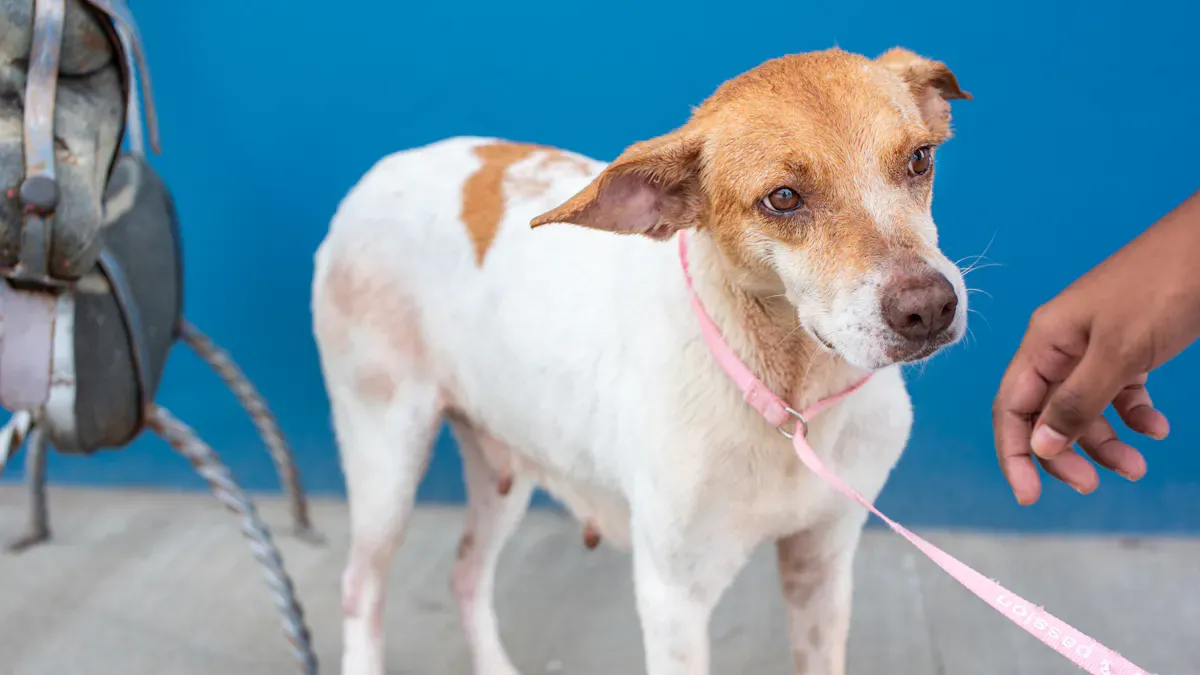
Hand slip and friction load
Grip security matters because once the leash starts sliding, your control window gets shorter immediately. Rope is more likely to feel slippery when wet, when the surface is very smooth, or when your dog creates sudden forward bursts instead of steady pressure.
Bulky loops and delayed pull-in
Coil bulk matters because extra material slows your hand before it slows the dog. When rope stacks into thick loops, many handlers start squeezing harder, which usually increases fatigue without actually improving timing.
Off-center clip movement
Clip behavior matters because an unstable load path often turns a minor pull into awkward steering. If your dog is already leaning hard into the line, the fit checks in pulling dog harness checks can help you tell whether the problem comes from leash handling, harness stability, or both together.
| Symptom | Likely cause | Fast check | Improvement plan |
|---|---|---|---|
| Hand slip | Smooth rope, wet surface, or sudden burst pulling | Shorten quickly after a light pull | Switch to more textured or flatter material |
| Burning hot spot | Line moving too fast through the hand | Watch how the leash behaves during a sudden stop | Use a steadier grip and less sliding line |
| Bulky coils | Rope thickness too high for your route needs | Gather slack before a turn | Choose less bulk for faster close control |
| Twisted clip path | Repeated turning or unstable attachment angle | Check clip direction after two or three turns | Recheck harness position and leash routing |
| Slow pull in | Leash body too round or too springy for the route | Bring the dog close at a curb or doorway | Use a flatter daily walk leash |
Disclaimer: A leash can improve handling, but it is not a diagnosis or a treatment. If your dog shows coughing, limping, freezing, repeated panic, or obvious pain during walks, stop and speak with your veterinarian.
Where Training Timing Still Matters More Than Materials
Reward timing matters because equipment works best when your response is still fast enough to change the walk. If you use food on walks, cleaner access and lower reward timing usually make leash practice easier, especially when you need your leash hand to stay stable.
For most dogs, a better leash supports training only when the handler can shorten smoothly, mark the right moment, and then relax the line again. Usually, gear mismatch shows up as late rewards, rushed grabs, and extra tension that stays on longer than needed.
Common Mistakes
- Buying the thickest rope because it feels premium, even though your route needs faster shortening.
- Judging comfort only in the living room and skipping a three day real walk check.
- Letting excess loops stack in the hand until slack management becomes slow and messy.
- Blaming the leash when the real problem is an unstable harness or poor reward timing.
Tip: If a leash feels soft but keeps delaying your response at curbs, doorways, or dog passes, comfort is no longer the main decision point.
FAQ
How do you clean a rope leash?
Use the care label first, then wash off dirt, let it dry fully, and replace it if the rope or stitching stays rough, stiff, or damaged.
Is a leash dog rope better for dogs that pull?
A leash dog rope is sometimes more comfortable in the hand, but for many pullers a flatter leash gives quicker shortening and steadier close control.
Can you use a rope leash with any collar or harness?
You usually can, as long as the clip moves cleanly, stays aligned under load, and matches the size and purpose of the setup.
- Pick rope when your main need is softer hand feel during steadier walks.
- Pick flatter material when your main need is fast shortening, cleaner slack management, and predictable close control.
- Test the leash over three real walk days before deciding, because the better option is usually the one you can handle calmly and repeatably.
Disclaimer: This page is about leash handling choice, not about proving one leash is universally best. When your dog’s walking problem appears tied to pain, breathing strain, or persistent fear, equipment changes alone are usually not enough.






