
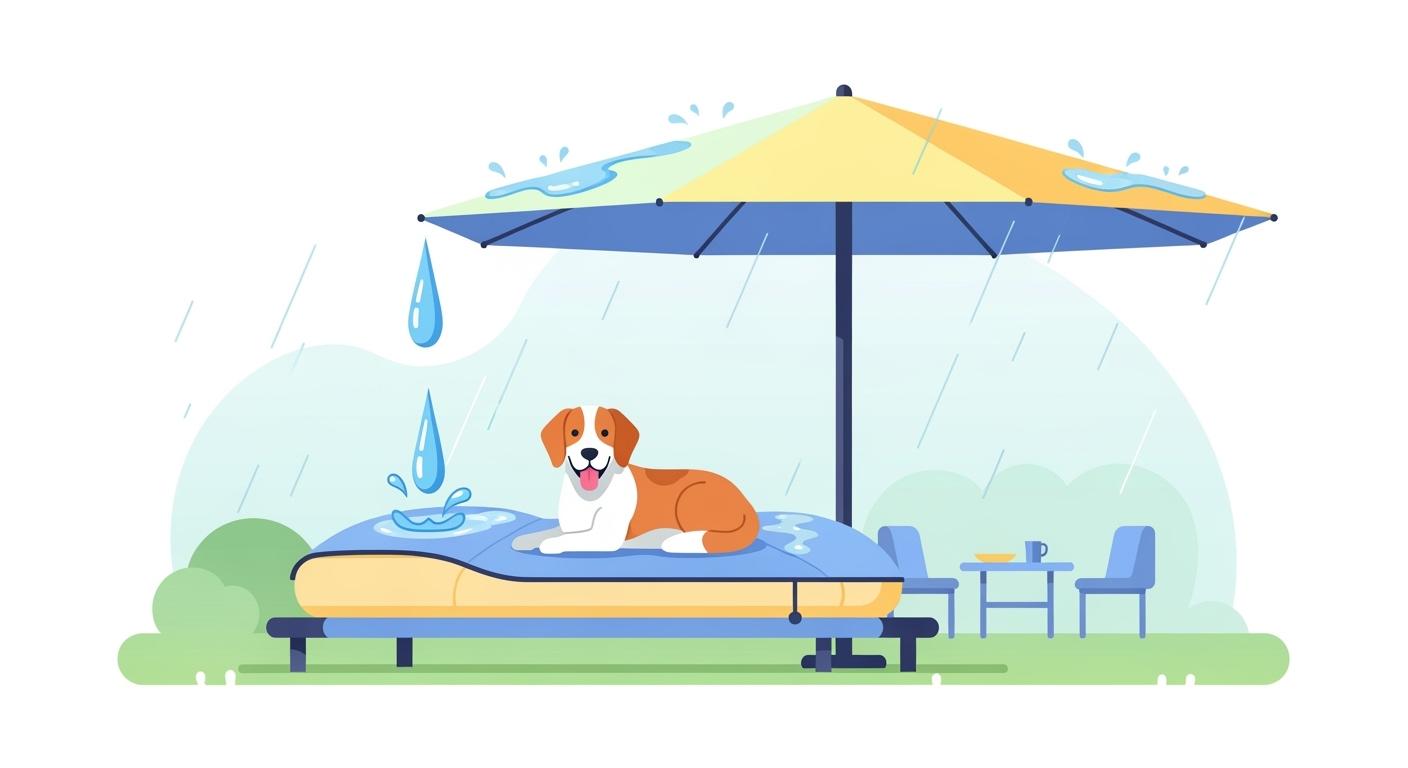
A waterproof outdoor dog bed can still ship with a return label attached to it. The waterproof layer promises dryness from above, but moisture that collects underneath the bed or seeps in at the seams produces the same complaints: clammy padding, musty odors, and a bed that stays wet hours after the grass dries. For procurement teams and retail buyers, the failure is not the waterproof claim itself — it is the gap between how the top repels water and how the underside traps it. Drainage, airflow, and base construction determine whether a waterproof outdoor dog bed resets fast after exposure or becomes a return waiting to happen.
When a Waterproof Outdoor Dog Bed Still Feels Wet
Waterproof Surface, Damp Padding
A large waterproof outdoor dog bed earns its spec sheet claim by blocking water from soaking through the top. What the spec sheet does not say is that moisture can still collect underneath the bed or around the seams. If the padding does not dry quickly, the bed can stay damp for hours after the surrounding ground has dried. This shortens usable life and generates the kind of end-customer complaint that becomes a return. For B2B buyers, the question is not whether the top repels water — it is whether the entire structure handles moisture from every direction.
Outdoor Conditions That Trap Moisture
Three common outdoor settings expose the difference between a waterproof label and a genuinely dry bed. Wet grass leaves moisture on the bottom surface long after rain or morning dew. Humid patios trap condensation under the bed, slowing drying time even when the top stays dry. At campsites, uneven or rocky ground presses the underside into damp soil, creating direct contact with moisture. A bed that performs across these conditions needs more than a waterproof film on top — it needs reinforced bottom construction, quick-dry fabrics, and a design that does not hold water against the padding. A waterproof membrane that blocks dampness from grass and sand matters, but only when the rest of the bed does its job.
Tip: Evaluate how the bed performs on both the top and bottom surfaces. Moisture enters from below at least as often as it falls from above.
Signs of Moisture Retention in Padding
Spotting moisture retention before it generates a return saves cost and preserves channel relationships:
- The bed feels cool or clammy hours after outdoor exposure.
- Padding stays compressed or heavy, signaling trapped water inside the fill.
- A musty odor develops, pointing to slow drying and possible microbial growth.
- Dogs avoid the surface or shift positions frequently — a reliable early signal of discomfort.
| Outdoor condition | Failure signal | Product detail that matters first | Better fit | Avoid |
|---|---|---|---|---|
| Wet grass | Clammy padding | Underside drainage and airflow | Raised or vented design | Flat, thick, slow-drying |
| Humid patio | Musty odor | Quick-dry cover and vented base | Mesh or vented structure | Solid, non-breathable base |
| Campsite | Heavy, soggy padding | Reinforced, waterproof bottom | Reinforced, easy-clean | Thin, absorbent bottom |
A large waterproof outdoor dog bed with thick padding looks comfortable on paper, but it can hold moisture if drainage and airflow are weak. The right fit depends on the outdoor setting and how quickly the bed resets after contact with water — not on how thick the cushion measures.
Why Drainage and Airflow Matter Before Extra Thickness
Underside Moisture and Seam Dampness
A thick outdoor dog bed can mask the real failure point: water collecting underneath. The waterproof layer handles what lands on top, but when the bed sits directly on wet grass or a damp patio, the underside stays in continuous contact with moisture. Over hours, moisture moves into the seams and into the padding edge, even if the top surface stays dry. Raised or vented designs solve this by lifting the sleep surface above the wet ground, letting air circulate underneath and water drain away. For procurement decisions, underside construction is as important as the waterproof layer itself.
Note: A waterproof surface does not guarantee a dry bed if the structure traps water underneath.
Slow-Drying Padding and Trapped Condensation
Padding adds comfort and support, but it can also function as a moisture reservoir when drainage and airflow are insufficient. In humid or rainy conditions, thick padding traps condensation, creating a clammy surface and a bed that feels heavier over time. Slow drying leads to musty odors and can create conditions for microbial growth. For buyers, quick-dry fill and a vented base are the two product details that separate a bed that resets in an hour from one that stays damp through the next morning. Good ventilation keeps air moving through the structure and shortens the drying window after any moisture exposure — and fast-drying outdoor bed fabrics cut odor complaints before they reach customer service.
Poor Airflow Under Large Sleep Surfaces
A large outdoor dog bed covers more ground, which means it can also block more airflow. When air cannot move under the bed, water stays trapped and drying slows. Raised frames and mesh bases let air travel freely under the sleep surface, speeding up drying and keeping the bed comfortable between uses. For wet grass, patios, or campsites, airflow under the bed matters more than extra padding. The structure that supports both drainage and ventilation is the one that stays dry and stays in the field — not the one with the thickest cushion on the spec sheet. For buyers building outdoor assortments, a steel-frame elevated dog bed addresses the drainage problem at the structural level, and selecting an outdoor bed that holds up depends on matching the base type to the conditions where it will be used most often.
What Buyers Should Choose or Avoid for Damp Outdoor Use
When Padded Waterproof Construction Fits
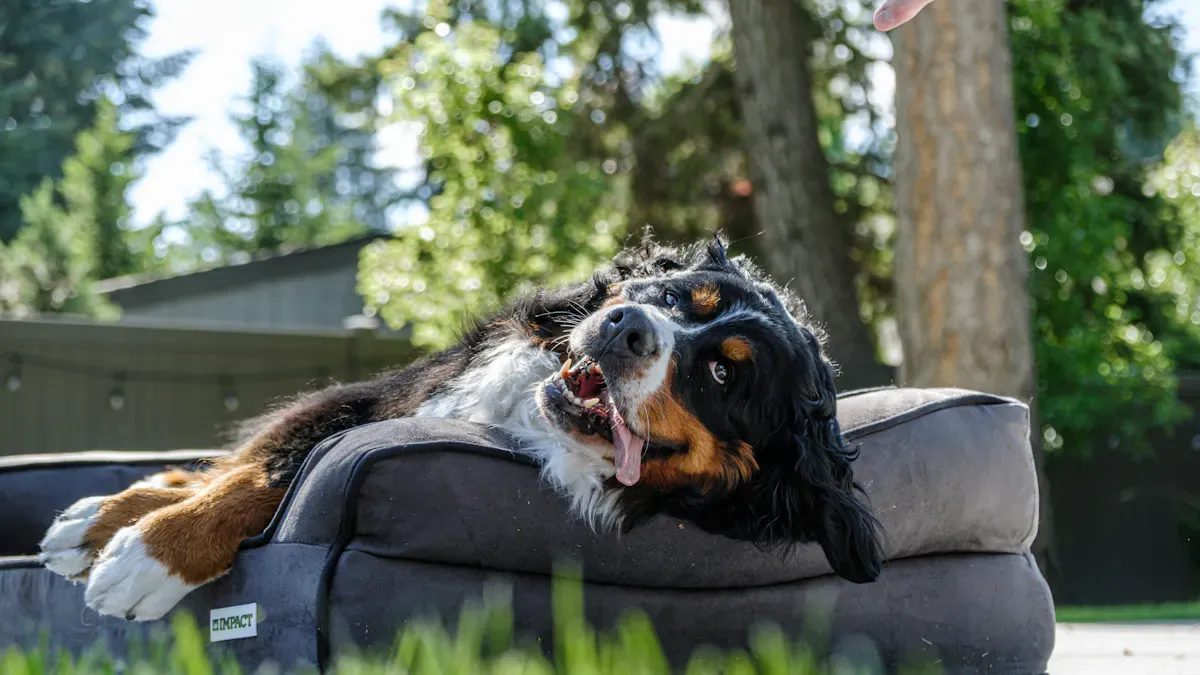
A padded, large waterproof outdoor dog bed works well in settings where the ground stays mostly dry — covered patios, decks, or inside tents with ground protection. The waterproof layer keeps surface moisture out, and thicker padding provides orthopedic support for older or large-breed dogs. Quick-drying, hypoallergenic fill adds comfort while supporting hygiene. Removable, machine-washable covers reduce the cleaning burden and help the bed stay fresh through repeated outdoor use. If the surface underneath stays dry — or a tarp or mat separates the bed from the ground — padded construction delivers comfort without trapping moisture.
Padded waterproof beds fit when:
- The ground stays mostly dry or a barrier sits underneath.
- Extra support matters for dogs with joint sensitivity or age-related comfort needs.
- Portability and fast cleanup matter for travel, camping, or rotating inventory.
Features to prioritize:
- Weather-resistant shell materials: reinforced canvas or heavy-duty nylon.
- Waterproof membranes that block moisture from above.
- Machine-washable covers that reset quickly between uses.
- Materials rated for frequent washing without breakdown.
Tip: Check the care label before machine washing. Some fills, including memory foam, do not tolerate machine cycles or harsh detergents.
When Raised or Vented Structure Works Better
A raised or vented outdoor dog bed is the stronger choice for damp, humid, or wet-ground environments. Elevation allows air to flow under the bed, water drains instead of pooling, and the drying cycle shortens. This structure keeps the padding from sitting in moisture, reducing the risk of mold, odors, and discomfort at the sleep surface. Mesh or vented bases offer the best airflow and are among the easiest structures to clean. For camping, variable-climate use, or any setting where wet ground is routine, raised construction outperforms padded flat beds. Beds that stay dry on wet ground share one pattern: they separate the sleep surface from the moisture source.
Raised or vented beds fit best when:
- The bed sits on wet grass, muddy campsites, or humid patios.
- Fast drying after rain or heavy dew is a must.
- Portability and quick cleaning matter for events, travel, or multi-location use.
Key benefits:
- Weather-resistant materials: UV-treated mesh and rust-resistant frames.
- Quick-drying surfaces that do not hold standing water.
- Easy-to-clean, machine-washable covers or wipe-down surfaces.
- Durable construction rated for long-term outdoor exposure.
| Climate condition | Better fit |
|---|---|
| Hot climates | Elevated beds for airflow, maximum UV protection, quick-drying mesh; avoid dark colors that absorb heat |
| Wet or humid climates | Quick-drying materials, rust-resistant frames, elevated beds for faster drying |
| Variable climates | Elevated beds for year-round use, with a combination of cushioned options for cold snaps; sheltered placement in extreme weather |
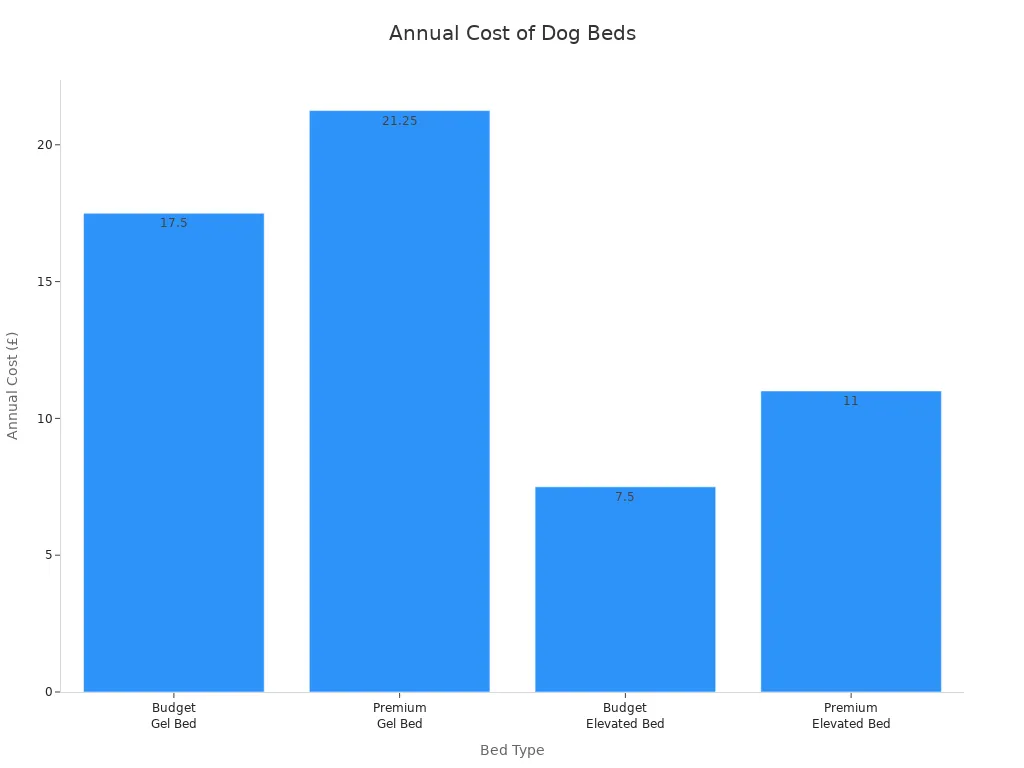
Elevated beds with advanced drainage and airflow features carry a higher unit cost, but their return rates tend to run lower in wet-climate channels and outdoor retail segments. Over the product lifecycle, fewer returns and fewer customer service contacts can offset the upfront per-unit difference.
Product Details to Check Before Ordering
Specific construction details determine whether a waterproof outdoor dog bed performs in damp conditions or generates return requests. The features below separate beds that hold up from beds that create problems after the first rain.
| Feature | What to verify |
|---|---|
| Durability | Shell materials like ballistic nylon or reinforced canvas that withstand repeated outdoor use and cleaning cycles |
| Waterproofing | Waterproof membrane that blocks moisture penetration from above; check seam sealing and edge construction |
| Ease of cleaning | Removable, machine-washable covers or wipe-down surfaces that reset fast between uses |
| Fill type | Quick-drying, hypoallergenic fill that does not hold moisture or collapse after wet exposure |
| Chew resistance | Tough materials rated for dogs that chew, with reinforced stress points |
| UV resistance | Fabrics treated for UV exposure to reduce fading and material breakdown under direct sun |
Additional details that matter at the spec level:
- Weather-resistant shell materials: polyester, polyethylene, or UV-treated mesh.
- Removable, machine-washable covers that reduce the cleaning burden and support hygiene.
- Reinforced seams and durable hardware for multi-season outdoor use.
- Design elements that support orthopedic comfort and air circulation at the same time.
- Portable construction for transport and setup at campsites or outdoor events.
Procurement risks to flag:
- Incorrect cleaning methods — machine washing memory foam or using harsh chemicals on foam fill.
- Incomplete drying before storage or repackaging, leading to mold and health complaints.
- Material choices that prioritize cost over moisture resistance, creating deterioration and discomfort complaints after the first season.
Sourcing note: After washing, dry the bed in direct sunlight or a well-ventilated area. Maintain the waterproof coating and UV treatment to extend the product lifecycle and reduce warranty claims.
A waterproof outdoor dog bed with the right structure and materials delivers comfort, support, and durability in damp outdoor environments. For camping and travel use, weather-resistant materials, machine-washable covers, and portable designs keep the bed dry and usable through repeated wet-ground exposure. The right outdoor bed sizing and weather-ready features prevent the moisture trap that turns a waterproof claim into a return.
FAQ
How often should a waterproof outdoor dog bed be cleaned?
Weekly cleaning is a reasonable baseline. If visible dirt or odor develops sooner, clean immediately. Always follow the care label instructions for the specific fill and shell materials.
Why does a waterproof dog bed still feel damp outside?
Moisture collects under the bed or at the seams, where the waterproof layer does not block it. Raised or vented designs improve drainage and airflow, keeping the sleep surface dry.
What features help prevent mold and odors?
Quick-drying materials, removable covers, and raised or vented bases allow moisture to escape instead of trapping it inside the padding.
Can a waterproof dog bed be used on wet grass?
It can, but a raised or vented bed performs better by lifting the sleep surface off the wet ground and letting air circulate underneath.
Which outdoor bed structure works best for camping and variable conditions?
Raised or vented structures dry fastest and handle wet ground, humidity, and uneven terrain better than flat padded beds. For camping assortments and outdoor retail channels, camping shelter and rest solutions that combine elevation with weather-resistant materials produce fewer returns in wet-climate regions.






