
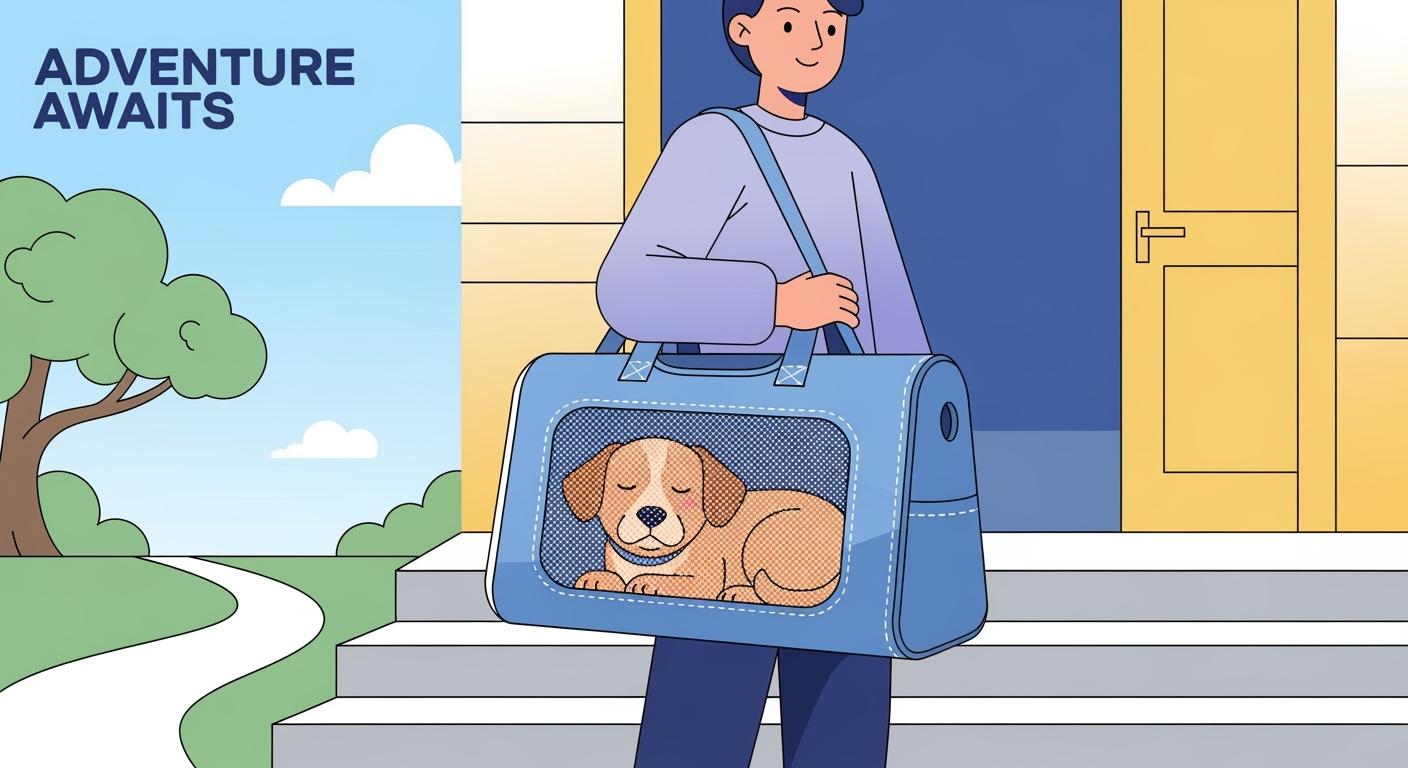
A medium dog carrier bag has one simple problem: many bags look stronger than they really are. They may work well for lifting a dog over a short set of stairs, helping the dog into a car, or getting through a crowded doorway. The same bag can feel wrong when it is used for a long walk, a long terminal route, or any trip where the dog stays suspended for more than a brief moment.
That is where most use problems begin. The dog is heavier than a small pet, the body is longer, the chest is deeper, and the bag has to control more movement. If the base bends, the handle pulls forward, the opening gapes, or the mesh traps heat, the carrier stops feeling safe even when the printed size looks correct.
The best medium dog carrier bag is not always the biggest one. It is the one built for the actual carry job: short lift, longer carry, hands-free travel, wheeled movement, or full enclosure.
Short Lift and Long Carry Are Different Jobs
What a short-lift carrier should do
A short-lift carrier helps during brief transitions. The dog is lifted, moved a short distance, and set down again. This can mean steps, a street crossing, a vehicle entry, a slippery floor, or a crowded space where walking is difficult.
For this job, the bag needs quick control. It should hold the body steady, keep the chest and belly supported, close without a struggle, and release cleanly when the dog is set down. The carry time is short, so the main risks are sagging, tipping, pinching, and poor balance.
What changes during long carry
Long carry is different. The dog stays inside the bag for longer, so small design weaknesses become much more obvious. A base that only sags a little at first can drop lower after several minutes. A handle that feels slightly off-center can make the dog lean forward. A warm bag can become uncomfortable when the dog cannot change position easily.
This is why a short-lift bag should not be treated like a full-carry product. A long-carry design needs more usable interior space, better airflow, stronger base support, and a strap system that spreads weight through the handler’s shoulder, back, or wheels instead of one handle.
- If the dog only needs help over a short obstacle, a lift-assist bag can make sense.
- If the dog must be carried for a longer route, a backpack, wheeled carrier, or enclosed carrier usually fits the job better.
- If the dog needs room to stand, turn, or lie down, a simple lift bag is the wrong format.
Clear measurement protocols and sizing rules still matter, but measurement is only the first step. The bag also needs the right structure for the way it will be used.
| Use situation | What the bag must do | What goes wrong with the wrong design |
|---|---|---|
| Short lift | Hold the dog steady for a quick lift and set-down | The base bends, the dog shifts, or straps pinch during the lift |
| Long carry | Support the dog for longer with airflow and posture room | The dog overheats, leans, becomes restless, or presses into the edges |
| Travel containment | Keep the dog enclosed with usable space and ventilation | The bag cannot provide enough structure, airflow, or security |
Where Medium Dog Carrier Bags Usually Fail
The base bends under the middle of the dog
The base is the first part to check. A soft base can look comfortable when empty, but once a medium dog is inside, the middle may drop. When that happens, the dog’s belly sinks, the back bends, and the body slides toward one side of the bag.
Good base support does not need to feel hard, but it should stay level. A better carrier spreads weight across the chest, belly, and rear body instead of letting the dog hang from one narrow fabric line.
The chest area is too loose or too narrow
Medium dogs vary a lot in shape. A narrow dog, a broad-chested dog, and a compact muscular dog can all fall under the same weight range, but they do not sit in a carrier the same way. If the chest wrap is too shallow, the dog may lean out of the front. If it is too narrow, the pressure moves into the armpit or front legs.
The carrier should hold the front body without squeezing it. It should also leave enough room for normal breathing and small posture changes. A size label alone cannot show this. Body length, chest depth, belly support, and opening shape all matter.
The handle pulls the dog out of balance
Handle position decides how the loaded bag tilts. If the handle sits too far forward, the dog’s head and shoulders drop. If it sits too far back, the rear body falls. Either problem makes the bag harder to control and less comfortable for the dog.
For a short lift, the handle should feel centered when the dog is inside. The bag should lift level without swinging or twisting. If the handler has to lean, turn the wrist, or fight the bag to keep it level, the carrier geometry is wrong for that dog.
Edges and closures create pressure points
Fasteners need to keep the dog secure, but they should not dig into the body. Thin straps, hard buckle corners, rough seams, and tight leg openings can cause red marks or rubbing after only a short lift. This often happens around the chest, belly, armpit, or rear opening.
Wide padded contact areas are usually safer than narrow strap lines. A clean release also matters. If the bag catches the dog’s legs or collapses inward when opened, the dog may resist the next use even if the carry itself was short.
Common carrier bag design mistakes often show up during loading and removal, not only during the carry.
| Part to check | Better design | Problem sign |
|---|---|---|
| Base panel | Stays level under the dog’s body | Middle sags or edges fold upward |
| Chest support | Holds the body without squeezing the front legs | Dog leans forward, gaps appear, or pressure hits the armpit |
| Handle position | Bag lifts level and close to the handler | Front drops, rear drops, or the bag swings sideways |
| Closures | Close quickly and spread pressure across wider panels | Thin straps, hard edges, slow buckles, or pinching |
| Ventilation | Mesh stays open when the dog is inside | Airflow is blocked by body position, fabric folds, or handler grip |
Product Details That Make Carrying Safer
Structured support, not just soft fabric
Soft fabric is useful only when the carrier still holds shape under load. A medium dog needs structure in the right places: the base, side panels, handle anchors, chest wrap, and belly support. If those areas collapse, extra padding will not fix the problem.
A better design uses reinforcement where the dog actually loads the bag. The base should resist bending. The side panels should keep the opening usable. The handle or strap anchors should not pull the bag into a narrow V shape when lifted.
Openings that control movement without trapping the dog
The opening should be easy to use, but not so loose that the dog can push out during a lift. It should also avoid catching the legs during removal. This balance is especially important for medium dogs because they have enough strength to twist, push, or brace against the bag if they feel unstable.
A good opening gives the dog a clear place to sit or settle. A poor opening forces the handler to hold the dog, hold the bag, and close the fasteners at the same time. That makes loading stressful before the carry even starts.
Airflow that still works when the bag is loaded
Ventilation is not just about how much mesh the bag has when empty. The question is whether airflow stays open when the dog is inside. A mesh panel can become useless if the dog’s body presses against it, the fabric folds over it, or the handler’s arm blocks it during carry.
Short-nosed dogs, heavy-coated dogs, and anxious dogs need extra caution because heat and stress build faster. If the trip is longer than a quick lift, the bag should offer more airflow and more room for the dog to adjust position.
Materials that hold shape after repeated use
A carrier may feel good on the first use but weaken after repeated loading, cleaning, and storage. Watch the parts that take stress: strap anchors, base-panel seams, zipper tracks, buckle areas, and mesh corners. If these parts stretch or fray, the bag may start to sag or close poorly.
- Base panels should resist bending after repeated lifts.
- Strap anchors should stay tight without pulling the fabric out of shape.
- Mesh should keep airflow open without tearing at the corners.
- Padding should reduce edge pressure without bunching after cleaning.
Sling carriers face a similar size and material problem: a light, soft product can work for the right short carry, but it should not be pushed into every transport situation.
How to Match the Carrier to the Trip
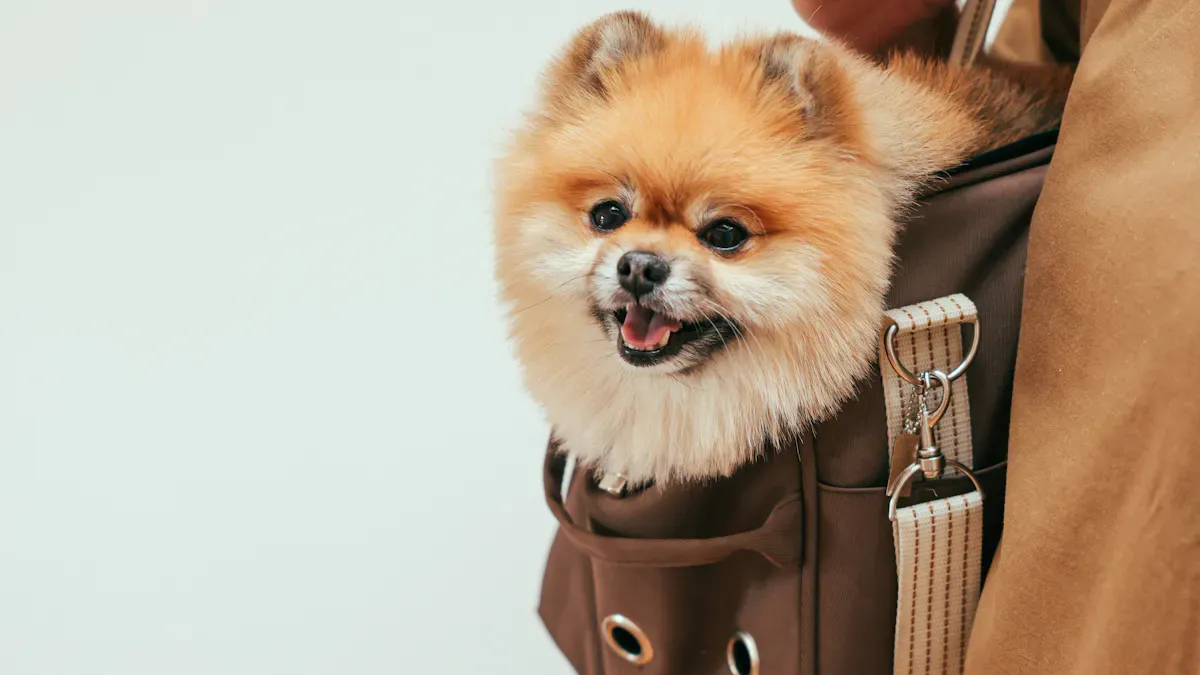
Use a lift-assist bag for short transitions
A lift-assist bag is a good fit when the dog can walk most of the route but needs help through a short difficult part. Think stairs, crowded doorways, slick floors, vehicle entry, or a short obstacle where quick support is enough.
In this case, the carrier should be quick to put on, quick to lift, and quick to release. The dog should stay level for a short test lift. The bag should not twist, fold, or pull into a single pressure line.
Use another format when the dog stays carried
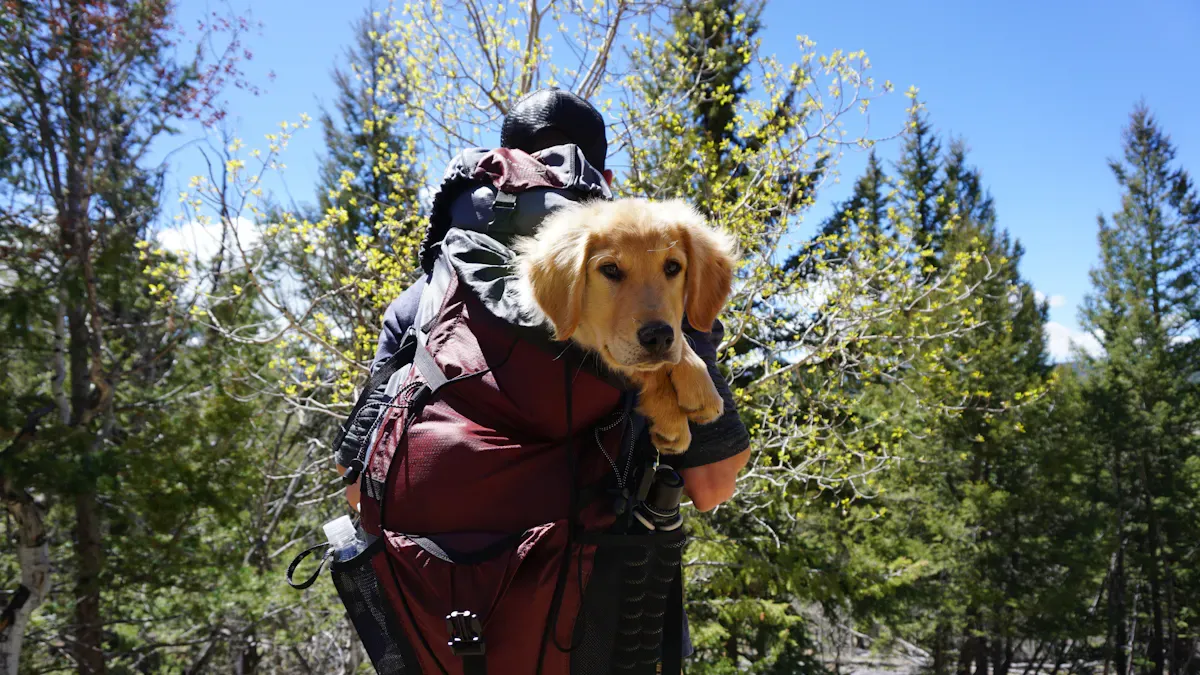
If the dog needs to stay off the ground for longer, the product should change. A backpack carrier can spread weight through the handler’s shoulders. A wheeled carrier can reduce repeated lifting in airports or terminals. A fully enclosed carrier can provide better containment and interior space when the dog needs to remain inside.
Medium-dog backpack carriers address a related but different use case. They can be better for hands-free movement, but they still need the right fit, airflow, and posture support.
| Trip type | Better carrier direction | Why |
|---|---|---|
| Stairs, car entry, short obstacle | Lift-assist bag | Short support, fast control, quick release |
| Long walk or hike | Backpack carrier | Better weight spread and hands-free movement |
| Airport or long indoor route | Wheeled carrier | Less repeated lifting and less handler fatigue |
| Travel that needs containment | Fully enclosed carrier | More structure, airflow, and usable interior space |
Check body shape before trusting the size label
A medium label can hide very different dogs. A long-backed dog needs more body support. A short-nosed dog needs more airflow. A broad-chested dog needs wider front coverage. A compact muscular dog may overload a soft bag even if the weight rating looks acceptable.
This is why the carrier should be checked on body shape, not only on weight. The dog should sit securely without curling, hanging, sliding, or pressing hard into one edge. If the bag only works when the handler keeps adjusting the dog, it is not the right match.
Urban carrying solutions work better when the route, carry duration, and carrier type are matched before the product is used in a busy place.
Fit Checks Before Real Use
A quick test before the first real trip
A medium dog carrier bag should be tested in a calm place before it is used outside. The goal is simple: see whether the dog can be loaded, lifted, held briefly, and released without shifting, pinching, overheating, or panic.
| Check | What should happen | Stop if you see |
|---|---|---|
| Load-in | Bag stays open enough for the dog to enter | Bag collapses, legs catch, or dog is forced into position |
| Short lift | Dog stays level and supported | Head drops, rear drops, body twists, or base sags |
| Chest and belly contact | Support feels broad and even | Narrow strap lines, pinching, or pressure marks |
| Airflow | Mesh stays open and the dog breathes normally | Heavy panting, blocked mesh, or heat buildup |
| Release | Dog steps out without the bag catching | Legs trap, fabric twists, or fasteners snag |
Dog behavior can reveal product problems
Freezing, twisting, pawing at the opening, heavy panting, or trying to climb out can be signs that the carrier feels unstable or too tight. These reactions should not be dismissed as simple behavior problems. They often point to a base that bends, a chest area that pinches, or a carry time that is too long for the bag type.
Short practice can help a dog accept a suitable carrier. It will not fix poor support, poor balance, or poor airflow. If the dog shows stress during a short test, the size, structure, or carrier type should be changed before the bag is used for a real trip.
Choosing a Medium Dog Carrier Bag That Works
Start with the trip, then choose the structure
For a short lift, look for a stable base, wide contact areas, balanced handle position, simple closures, and clean release. For longer carry, look for more airflow, more posture room, and a strap or wheel system that reduces load on one hand.
The wrong product usually feels wrong quickly. The bag sags, the dog leans, the opening collapses, the handler has to keep adjusting grip, or the dog becomes hot and restless. Those are product-fit signals, not small details.
Balance support, comfort, and cleaning
A carrier that is too soft can collapse. A carrier that is too stiff can be hard to load and uncomfortable at the edges. The better design sits between the two: structured enough to hold shape, padded enough to reduce pressure, and flexible enough for smooth loading and release.
Cleaning also matters because carrier bags touch fur, paws, outdoor ground, car seats, and public surfaces. Materials should keep their shape after cleaning. Padding should not bunch. Mesh should not lose airflow. Seams should not loosen after repeated use.
Medium-sized carrier bags with rated capacity and structured support panels are easier to judge when the structure is compared with body shape and trip length instead of a generic size chart alone.
| Design point | Better direction | What it prevents |
|---|---|---|
| Base support | Reinforced, level, and wide enough for the body | Sagging, belly pressure, and twisting |
| Chest and belly panels | Wide contact area with soft edges | Pinching, armpit pressure, and front-body slipping |
| Handle or strap setup | Balanced around the loaded dog | Forward tilt, rear drop, and handler strain |
| Airflow | Open mesh that still works when loaded | Heat buildup and refusal during longer use |
| Material recovery | Fabric and padding keep shape after cleaning | Loose support, folded panels, and worn fasteners |
FAQ
What makes a medium dog carrier bag different from a small dog tote?
A medium dog carrier bag has to control more weight, more body length, and more movement. The base, handle, chest support, openings, and closures need to stay stable when the dog shifts inside the bag.
Can one bag work for both short lift and long carry?
Only if it is built for long carry. A bag made mainly for short lift-assist should not be used as a long-carry product. Longer carry needs more ventilation, more posture room, and stronger sustained support.
Why does a carrier bag sag under a medium dog?
Sagging usually comes from a weak base, poor strap placement, or a support area that is too short for the dog’s body. It can also happen when the dog is within the weight rating but too long or too broad for the actual bag shape.
What should be checked before using the bag outside?
Check whether the dog can be loaded easily, lifted level, supported across the chest and belly, kept cool through open mesh, and released without the bag catching the legs or folding inward.
When is a different carrier type better?
Use another carrier type when the dog needs longer carry, full enclosure, hands-free transport, wheeled movement, or more room to adjust posture. A lift-assist bag is best for short transitions, not every travel situation.
A medium dog carrier bag works best when the product matches the carry job. Short lifts need stable support and quick control. Long carry needs airflow, posture room, and stronger weight distribution. When those differences are clear, the bag is easier to fit and less likely to fail during real use.






