
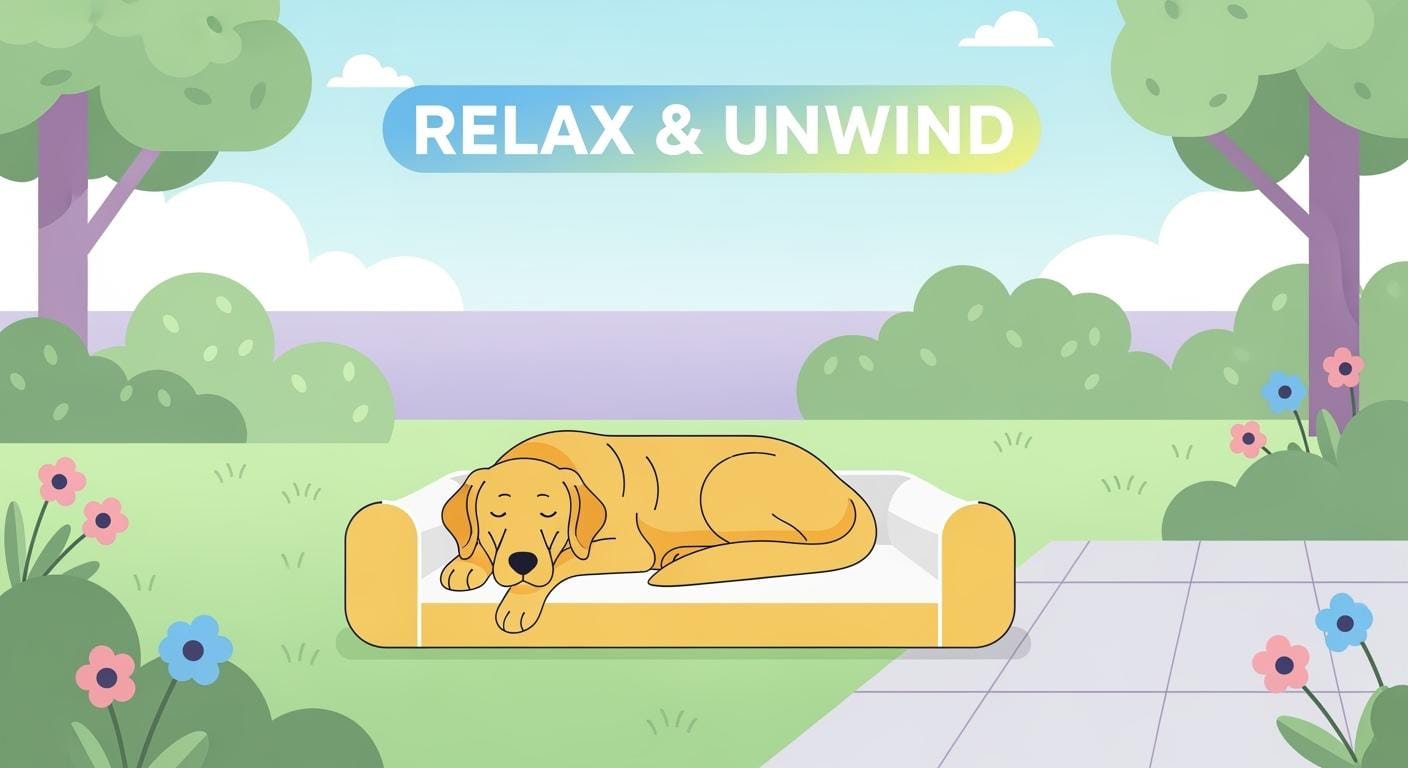
You want your dog to love their outdoor spot, not just tolerate it. There is no single best outdoor dog bed for every pup. Dogs show you what works by using the bed outside day after day. Some dogs prefer a packable option they can settle on after a hike. Others need a packable bed that dries fast when left in the yard. You might find a packable style easier to clean or move. If your dog ignores a bed, try a packable design with a softer step-on feel.
Key Takeaways
Pick the right size outdoor dog bed. This helps your dog feel safe and comfy. Measure your dog and add a few inches for more room.
Think about how your dog sleeps when picking a bed. Dogs that curl up may like padded beds. Dogs that stretch out may need raised beds.
Find outdoor dog beds made from strong, weather-proof materials. This helps the bed last longer outside.
Clean the outdoor dog bed often to keep it fresh and comfy. A clean bed makes your dog want to use it more.
Watch your dog’s actions. If your dog walks in circles or stays away from the bed, it may be time to try a new bed or move it.
Why Dogs Ignore Some Outdoor Dog Beds
Common Mistakes When Choosing the Best Outdoor Dog Bed
Choosing the best outdoor dog beds for your dog can feel overwhelming. Many owners make mistakes that lead to their dogs ignoring the bed outside. You want your dog to use the bed, not avoid it. Here are the most common mistakes and how they affect your dog’s comfort and behavior:
You do not measure your dog correctly, so the bed is too small or too big. Your dog may not feel secure or may hang off the edge.
You forget to think about how your dog sleeps. Some dogs curl up, while others sprawl out. The wrong shape or style can make your dog restless.
You pick a bed without thinking about where you will use it. Some beds work better on patios, while others suit grass or dirt. The wrong choice can lead to faster wear or harder cleaning.
You ignore your dog’s age or health. Older dogs or those with joint pain may need a softer or raised outdoor dog bed for easier access.
You focus on looks or price instead of comfort and function. A stylish bed that does not meet your dog’s needs will likely go unused.
When you make these mistakes, your dog may avoid the bed, sleep on the ground, or even act out. You want to match the bed to your dog’s habits and your outdoor space for the best results.
Comparison Table: Elevated vs Padded vs Canopy Beds
You have many choices when looking for the best outdoor dog beds. The three most popular types are the elevated dog cot, padded ground bed, and canopy bed. Each style has its own strengths and weaknesses. Use this table to compare the best outdoor dog bed options for your dog:
Bed Style | Use Case | Main Benefit | Main Watchout | Who Should Skip It |
|---|---|---|---|---|
Elevated Dog Cot | Hot climates, wet yards, patios | Airflow keeps dogs cool and dry; easy to clean | May feel too firm for some dogs | Dogs who dislike firm surfaces |
Padded Ground Bed | Cooler weather, camping, soft ground | Cushioned comfort; easy to pack and move | Can absorb moisture; slower to dry | Dogs who chew or dig beds |
Canopy Bed | Sunny yards, travel, parks | Built-in shade; some airflow | Canopy may flap in wind; less packable | Dogs who fear moving parts |
Dr. Antje Joslin, a veterinarian for Dogtopia, recommends raised outdoor dog beds for most outdoor use. Raised beds allow air to circulate, keeping your dog cool in warm weather and off the cold ground in cooler months. Raised outdoor dog beds also stay cleaner and drier because they do not touch the ground. Many highly rated outdoor dog beds use this elevated design for these reasons.
If your dog likes to stretch out, an elevated dog cot or best elevated dog bed may work best. If your dog prefers to curl up, a padded ground bed might be more comfortable. For dogs who need shade, a canopy bed can help, but always provide extra shade and water.
Real Consequences of Picking the Wrong Outdoor Dog Bed
Choosing the wrong outdoor dog bed does more than waste money. It can affect your dog’s mood and health. Here are some real-world problems you might see:
Your dog barks or chews the bed when left alone outside. This often happens if the bed feels uncomfortable or unsafe.
Your dog avoids the bed and sleeps on the ground. This can lead to dirty fur, bug bites, or sore joints.
Your dog acts nervous or aggressive. Poor bedding can make your dog feel threatened or stressed in their outdoor space.
You spend more time cleaning or replacing the bed. Beds that do not match your outdoor setting wear out faster and attract pests.
Dogs need comfort and security to relax outside. If you notice your dog circling, stepping off, or hesitating to use the bed, it may be time to try a different style. Many owners find that switching to an elevated dog cot or best elevated dog bed leads to faster settling and better repeat use. Raised outdoor dog beds and highly rated outdoor dog beds often solve these problems by offering better airflow, easier cleaning, and a more inviting surface.
When you match the best outdoor dog bed to your dog’s habits and your outdoor space, you help your dog feel safe and happy outside. This leads to more outdoor time, less stress, and a cleaner, healthier dog.
What Makes Dogs Keep Using the Best Outdoor Dog Beds
Dogs let you know if a bed works by using it often. You want your dog to relax and come back to the bed many times. Watch your dog to see if they like the bed or not. Use this checklist and steps to spot problems or success.
Pass/Fail Checklist Table for Outdoor Dog Bed Use
This table helps you check if your outdoor dog bed is right for your dog. Watch your dog for these signs. If you see a fail sign, try the fix in the table.
Check Item | Pass Signal | Fail Signal | Fix |
|---|---|---|---|
Frequent Use | Dog chooses the bed over the ground | Dog avoids the bed or uses it rarely | Try a different style or location |
Comfort and Padding | Dog settles quickly and stretches out | Dog circles, hesitates, or steps off | Add padding or switch to a best for comfort design |
Cooling Elevated Pet Bed | Dog rests calmly even in warm weather | Dog pants or leaves bed in heat | Use a cooling elevated pet bed with better airflow |
Cleanliness | Bed stays easy to clean and odor-free | Bed smells or looks dirty fast | Choose an easy to clean or machine-washable cover |
Weather Resistance | Bed dries fast after rain, stays in good shape | Bed stays damp or shows wear | Pick water-resistant materials or an all-season outdoor dog bed |
Durability of Materials | Bed holds up to chewing, digging, or sun | Bed frays, sags, or breaks | Upgrade to a durable outdoor dog bed |
Affordable | Bed fits your budget and lasts | Bed needs frequent replacement | Look for affordable options with proven durability |
Tip: Dogs use the outdoor dog bed more when they feel relaxed and the bed stays nice. If your dog lies somewhere else or the bed gets dirty fast, try a new bed or fix the problem.
Key Features: Comfort, Durability, Weather Resistance, Cleaning
You want your dog to enjoy their outdoor dog bed. Focus on these features to help your dog use the bed every day and for a long time:
Comfort and Padding: Dogs like beds with enough padding. They settle faster and stay longer. Pick a best for comfort bed if your dog likes to stretch or needs extra support.
Cooling Elevated Pet Bed: Raised beds let air move under your dog. This keeps your dog cooler when it is hot. A cooling elevated pet bed is good for dogs who get too warm or live in sunny places. These beds also dry faster after rain.
Durability of Materials: Choose a durable outdoor dog bed made from strong, weather-resistant fabric. Water-resistant materials last longer and stand up to sun, rain, and wind. Some dogs chew or dig, so pick a bed that can handle rough use.
Weather Resistance: An all-season outdoor dog bed can handle different weather. Beds with UV protection and mesh stay cooler and last longer than regular polyester beds. Water-resistant materials stop mold and keep the bed usable after storms.
Easy to Clean: Outdoor beds get dirty quickly. Pick a bed that is easy to clean, like one with a machine-washable cover or a wipe-down surface. Cleaning the bed is important for comfort and health. Clean the bed every week or more if it gets wet or muddy. Always follow the care label and let the bed dry before using it again.
Affordable: You do not have to spend a lot. Many affordable beds give the same comfort and strength as expensive ones. Look for value, not just price.
Note: A cooling elevated pet bed with water-resistant materials and an easy to clean design is often best for outside. These beds give comfort, airflow, and are simple to keep clean.
Troubleshooting Table for Outdoor Dog Bed Avoidance
If your dog does not use the outdoor dog bed, use this table to find and fix the problem. Watch your dog and check the bed.
Symptom | Likely Cause | Fast Check | Fix |
|---|---|---|---|
Dog avoids bed in hot weather | Bed traps heat, lacks airflow | Touch bed surface for warmth | Switch to a cooling elevated pet bed |
Bed stays damp or smells | Poor drainage, not easy to clean | Smell and touch for dampness | Choose water-resistant materials, clean more often |
Dog chews or digs at bed | Boredom, weak materials | Inspect for tears or holes | Upgrade to a durable outdoor dog bed |
Dog circles but does not settle | Bed too small or lacks padding | Measure bed and watch behavior | Pick a larger or best for comfort bed |
Bed wears out quickly | Low durability of materials | Look for fraying or sagging | Choose an all-season outdoor dog bed |
Dog only uses bed when supervised | Fear, anxiety, or negative association | Watch for nervous behavior | Move bed to a quieter spot, use positive reinforcement |
Bed is hard to keep clean | Not easy to clean, wrong fabric | Check cleaning instructions | Pick a bed with a machine-washable cover or wipe-down surface |
Step-by-step:
Watch your dog use the outdoor dog bed for a few days.
Look for comfort, frequent use, and easy cleaning.
If you see problems, use the tables above to find the cause.
Try the fix and watch how your dog reacts.
Clean the bed every week, follow care label rules, and let it dry before using it again.
A best outdoor dog bed should help your dog feel safe, cool, and comfy outside. When you focus on comfort, durability, weather resistance, and easy to clean features, your dog will enjoy being outside every day. The right all-season outdoor dog bed, like a cooling elevated pet bed, often gives the best for comfort and repeat use. You can find affordable beds that meet all these needs, so you do not have to give up quality or your budget.
Signs Your Dog Needs a Different Outdoor Dog Bed
Early Warning Signs: Hesitation, Circling, Stepping Off
You can spot early signs that your dog does not like their outdoor dog bed. Watch for these behaviors:
Your dog circles the bed but does not settle.
You see your dog step on and off the bed without lying down.
Lip-licking and yawning happen more often near the bed.
Your dog avoids the bed and chooses the ground instead.
These signals show your dog feels unsure or uncomfortable. If you notice these, your dog may need a different outdoor dog bed or a new location.
When to Try a New Bed or Location
Dogs sometimes need help getting used to a new outdoor dog bed. You can make the switch easier by following these steps:
Create positive associations. Give treats or play with your dog near the bed.
Rub your hands on the bed to add your scent. This helps your dog feel safe.
If your dog hesitates, cover the new bed with the old bed’s cover for a familiar smell.
If your dog still avoids the bed after a week, try moving it to a shaded outdoor spot. A shaded outdoor dog bed works best in sunny yards. For camping, the best camping dog beds and best overall camping dog bed options offer portability and comfort. Always check for airflow, especially in hot weather.
Note: An outdoor dog bed does not replace shade, water, airflow, or supervision. Always provide these for safety.
Tips for Matching Bed to Dog Habits and Outdoor Setting
You want your dog to use the outdoor dog bed every day. Match the bed to your dog’s habits and the outdoor environment. Use this table to help you decide:
Factor | Description |
|---|---|
Size and Breed | Measure your dog lying down. Add a few inches for comfort. |
Age and Health | Older dogs may need raised beds. Puppies need durable beds. |
Habits | Stretchers like large beds. Chewers need chew-resistant fabric. |
Material Quality | Weather-resistant materials last longer outside. |
Budget | Durable beds save money over time. |
Outdoor settings change what works best. Material durability matters for rough weather. Elevation gives airflow and cooling. Shade canopies protect from sun. Cooling pads help in heat. Waterproof and chew-resistant fabrics last longer. For camping, the best packable dog bed, best elevated camping dog bed, and best luxury camping dog bed offer comfort and easy travel. If you want value, look for the best affordable camping dog bed. For car trips, a dog camping bed works well. Always ask what to look for in a camping dog bed before you buy.
Disclaimer: This article does not give medical advice. If your dog has health issues like joint pain or heat sensitivity, talk to your veterinarian.
Your dog will go back to the same spot if the bed feels good, gives support, and stays cool. Dogs like beds that are soft, can handle bad weather, and are simple to clean.
Orthopedic beds help older dogs rest and keep their joints safe.
Strong, waterproof materials help the bed last outside.
Use a checklist and tips to find the right size, support, and if you need to move it.
Orthopedic outdoor dog beds give your dog support for a long time and help stop joint problems.
The best outdoor dog bed is the one your dog chooses and uses outside every day.
FAQ
How do you get your dog to use a new outdoor bed?
Start by placing the bed in your dog’s favorite outdoor spot. Add a familiar blanket or toy. Sit with your dog and offer treats when they step on the bed. Repeat this for a few days to build a positive habit.
What if your dog chews or digs at the outdoor bed?
Check if your dog feels bored or anxious. Give your dog chew toys and more outdoor playtime. Choose a bed with tough, chew-resistant fabric. Redirect your dog with a firm “no” and reward calm behavior on the bed.
How often should you clean an outdoor dog bed?
Clean the bed once a week. Wash it sooner if it gets wet, muddy, or smells bad. Always follow the care label. Let the bed dry completely before your dog uses it again.
Can you leave an outdoor dog bed outside all year?
You can leave many outdoor beds outside, but check for weather resistance. Move the bed to a covered area during heavy rain or snow. Store it indoors during extreme weather to help it last longer.
What is the best way to pick the right size outdoor dog bed?
Measure your dog from nose to tail while lying down. Add a few inches for comfort. Choose a bed that matches your dog’s sleeping style—curled up or stretched out. A good fit helps your dog feel secure and relaxed.






