
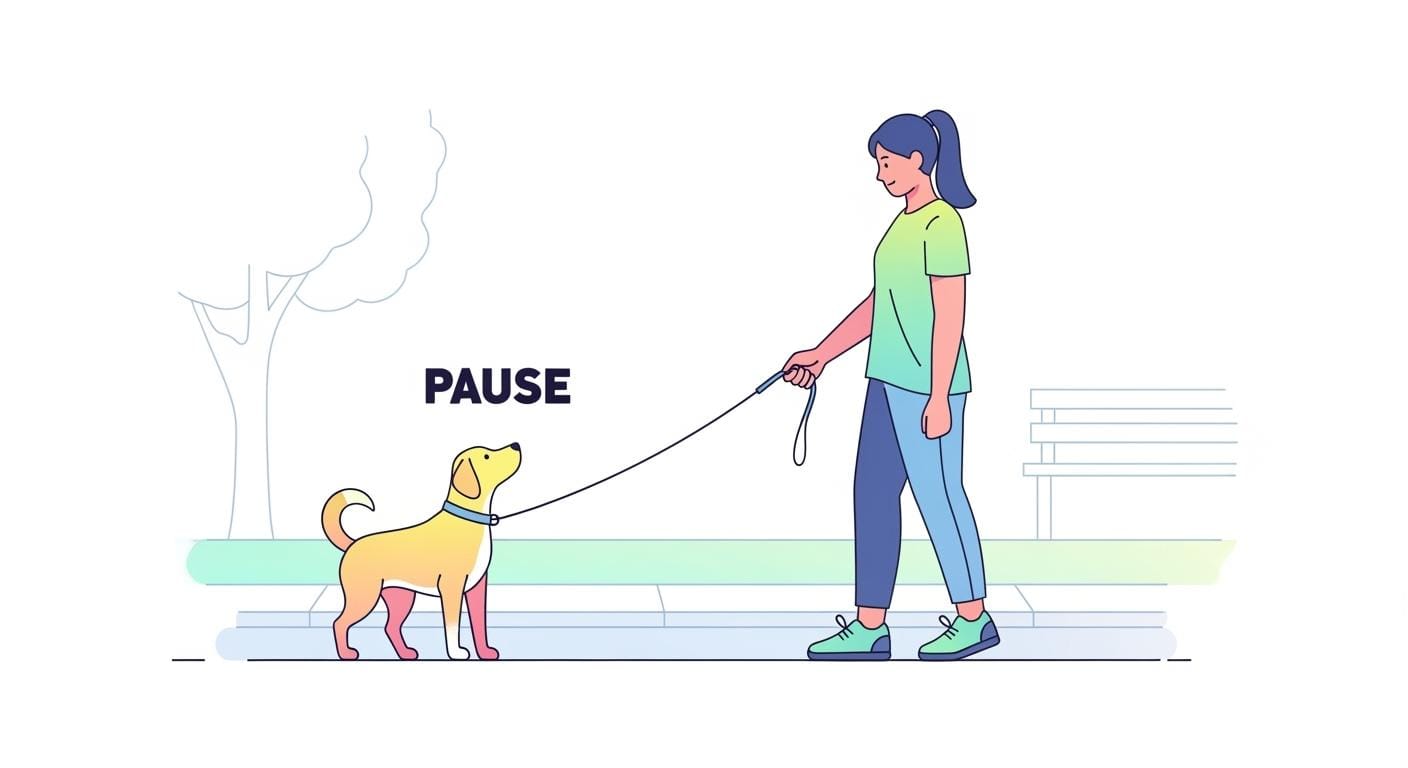
If you’re wondering how to get dog to stop pulling leash, try the Stop and Wait method. Each time your dog pulls, simply stop walking and wait for a loose leash before moving forward. Many owners struggle with this-over 80% report their dog pulls. Leash pulling is a learned behavior, not a sign of dominance. Leading organizations like the AKC and AVMA recommend this approach. With patience and clear steps, you can learn how to get dog to stop pulling leash and teach better walking skills.
Key Takeaways
Try the Stop and Wait method to help your dog walk better. Stop walking if your dog pulls the leash. Move forward only when the leash is loose.
Give your dog a reward right away for calm walking. Use treats, kind words, or petting to show good behavior. This helps your dog see that calm walking gets good things.
Start practicing in quiet places first. Slowly add things that distract your dog. This helps your dog learn to walk well everywhere.
Why Dogs Pull and How to Get Dog to Stop Pulling Leash
Why Pulling Happens on Walks
You may notice your dog pulls on the leash as soon as you step outside. This happens because dogs have natural instincts to move quickly and explore. Most dogs walk faster than people, so their pace often causes pulling. The world outside is full of exciting smells, sights, and sounds. Your dog wants to reach these things right away. Pulling is not about dominance. Most owners see their dog pull because of excitement or curiosity, not because the dog wants to be in charge.
Tip: If you want to know how to get dog to stop pulling leash, start by understanding your dog’s motivation. Excitement and curiosity drive most pulling.
How Pulling Gets Accidentally Rewarded
Every time your dog pulls and you keep walking, you reward the pulling. Your dog learns that pulling gets them closer to what they want. This makes the behavior stronger. Dogs quickly connect pulling with reaching new places or meeting friendly neighbors. If you want to teach a no-pulling rule, you must stop rewarding the pulling. The best way is to use the stop and wait method. This helps your dog learn that only a loose leash allows the walk to continue.
Comparison Table: Fixed Leash, Long Line, Retractable Leash
Leash Type | Use Case | Benefit | Watchout | Who Should Skip It |
|---|---|---|---|---|
Fixed Leash | Everyday walks, training | Best control, safe near roads | Too short for recall practice | Dogs needing more range |
Long Line | Recall training, open spaces | Allows more freedom | Can tangle, less control in crowds | City walkers, reactive dogs |
Retractable Leash | Well-trained dogs, open areas | Variable range | Undermines loose leash training, injury risk | Dogs in training, crowded areas |
A fixed leash gives you the most control and supports the no-pulling rule. Retractable leashes can make training harder and may cause injuries. Always check that your dog’s collar or harness fits well. Proper fit keeps your dog safe and prevents escapes during training.
Stop and Wait Method for Loose Leash Walking
Step-by-Step: Walk on a Loose Leash
You can teach your dog how to get dog to stop pulling leash by using the Stop and Wait method. This approach helps your dog learn to walk politely on leash and keeps walks safe and enjoyable. Follow these steps for effective training:
Check your dog’s collar or harness to make sure it fits well. A proper fit prevents escapes and injuries.
Let your dog play or exercise in the yard before training. This helps burn off extra energy.
Start in a quiet place, such as your home or backyard. Fewer distractions make it easier for your dog to focus.
Attach a 4- to 6-foot leash to your dog’s collar or harness.
Begin walking at a normal pace. Watch your dog closely.
If your dog walks on a loose leash, praise them right away. You can use treats, gentle words, or affection.
If your dog pulls, stop walking immediately. Stand still and wait for the leash to become slack.
As soon as the leash is loose, praise your dog and give a treat. Then start walking again.
Repeat this process every time your dog pulls. Consistency is key for good leash behavior.
If your dog keeps pulling, change direction to help them refocus on you.
Tip: Use a clear hand signal, like holding your palm out, to show your dog when to wait. This helps your dog understand what you want.
Practice these steps every day for at least 10 minutes. Most dogs learn how to get dog to stop pulling leash within four to six weeks of regular training.
Pass/Fail Checklist for Training Sessions
Use this checklist to see how well your training session went. Mark each item as “Pass” or “Fail” after your walk.
Training Goal | Pass/Fail | Notes |
|---|---|---|
Dog walked on a loose leash | ||
You stopped every time the leash was tight | ||
Dog received praise or treats for slack leash | ||
You practiced in a low-distraction area | ||
Session lasted at least 10 minutes | ||
Dog stayed focused most of the time |
A successful session means you rewarded your dog for walking on a loose leash and stopped moving when the leash became tight. Consistency in these actions helps your dog learn faster.
Reinforcing Calm Walking and Slack Leash
Rewarding your dog for calm walking and a slack leash is important for lasting results. Use treats, praise, or gentle petting right after your dog walks nicely. Immediate rewards help your dog connect the behavior with something positive.
Start training in quiet places. As your dog improves, practice in new locations with more distractions. This helps your dog learn to walk on a loose leash anywhere, not just at home. Try walking past calm dogs at a distance or exploring new sights and sounds. If your dog struggles, return to easier settings and build up again.
Teach cues like “wait” or “watch me” to keep your dog focused. These cues help your dog stay calm and walk politely on leash, even in busy places. Over time, your dog will understand that good leash behavior leads to fun walks and rewards.
Note: Training takes patience. Every dog learns at a different pace. Stay positive and celebrate small wins.
By following these steps, you will see progress in how to get dog to stop pulling leash. With daily training, clear rewards, and gradual challenges, your dog will learn to walk on a loose leash and enjoy every walk with you.
Troubleshooting and Common Mistakes with Loose Leash Training
Troubleshooting Table: Symptoms and Fixes
Check this table to find problems during leash training and see quick fixes:
Symptom | Likely Cause | Fast Check | Fix |
|---|---|---|---|
Dog keeps pulling hard | High energy, excitement | Does your dog pull at every step? | Practice in calm places. Give rewards for calm walking. |
Dog lunges at people, dogs, or traffic | Reactivity, fear, or habit | Does your dog bark or jump fast? | Change direction. Give treats for focus. |
Dog ignores cues even with daily training | Distraction, unclear signals | Does your dog listen at home but not outside? | Lower distractions. Use simple, clear cues. |
Dog avoids walks or seems stressed | Frustration, fear | Does your dog stop or tuck its tail? | Go slower. Pair leash with treats and praise. |
Note: If your dog pants a lot, drools, or will not move, stop training and let your dog rest. Always be patient and kind.
Common Mistakes and Real Consequences
Many owners make these mistakes when leash training:
Not giving rewards at the right time: If you wait too long, your dog may not know why it got a treat.
Forgetting to give rewards: Skipping treats can slow learning and confuse your dog.
Training in busy places too soon: Too many things happening can make your dog nervous or distracted.
Using punishment: Harsh actions can scare your dog, break trust, and cause more problems.
Do not use punishment. Positive rewards help your dog trust you and learn faster.
When to Adjust Your Approach
You might need to change your plan or get help if you see these signs:
Pulling causes injury or breaks gear.
Lunging at people, dogs, or cars keeps happening.
Your dog does not listen after weeks of practice.
Your dog does not want to go for walks anymore.
Sign of Need for Help | Description |
|---|---|
No Improvement After 4-6 Weeks | If your dog is not better after regular training, ask an expert. |
Extreme Fear During Walks | If your dog is very scared, special training is needed. |
Severe Pulling Compromising Safety | If you cannot control your dog, get professional help. |
A professional trainer can give advice and show you what to do. They help you find the best way for your dog, especially if your dog is very anxious or has special needs.
Disclaimer: If your dog has trouble breathing, is very stressed, or cannot move well, talk to your vet before starting or changing training.
Stay patient and consistent as you help your dog learn. Calm walks give both you and your dog exercise, mental stimulation, and a stronger bond. If your dog struggles, revisit these steps:
Increase difficulty slowly.
Use treats often.
Keep sessions short.
Listen to your dog’s signals.
Explore new places together.
FAQ
How long does it take for a dog to learn loose leash walking?
Most dogs need several weeks of daily practice. You should stay patient and reward your dog for calm walking to see steady progress.
Can I use the Stop and Wait method with any age dog?
Yes, you can use this method with a puppy or an adult dog. Start in a quiet area and keep sessions short for the best results.
What if my dog gets distracted during training?
If your dog loses focus, move to a quieter place. Use treats or praise to help your dog pay attention and enjoy the training session.






