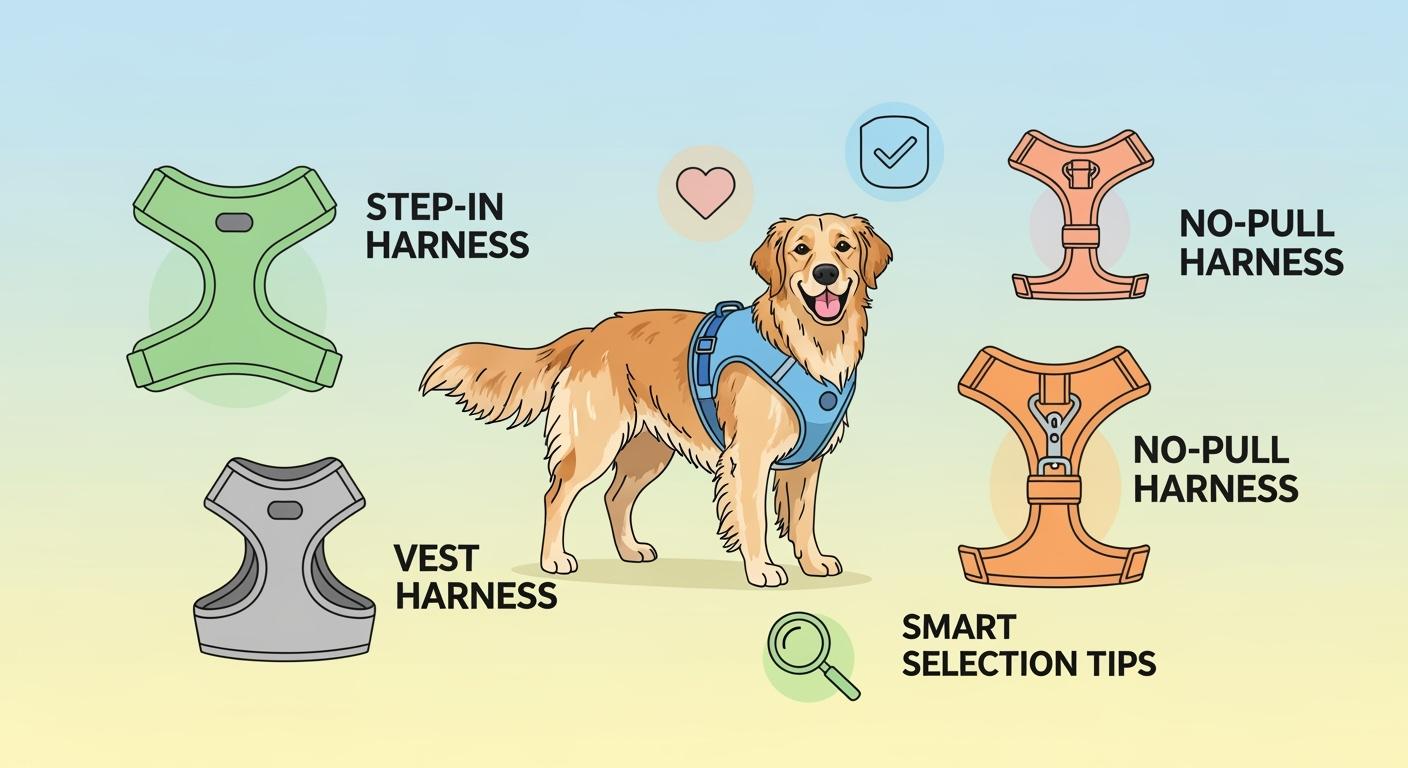
Choosing between dog harness types gets easier when you stop asking which style is best in general and start asking which style matches your dog’s walking habits, body shape, and comfort needs. The wrong harness can rub behind the front legs, shift sideways, or make control feel worse instead of better.
If you are comparing styles first, start with a broad look at the options in the dog harness category, then come back to fit and use-case checks before you decide.
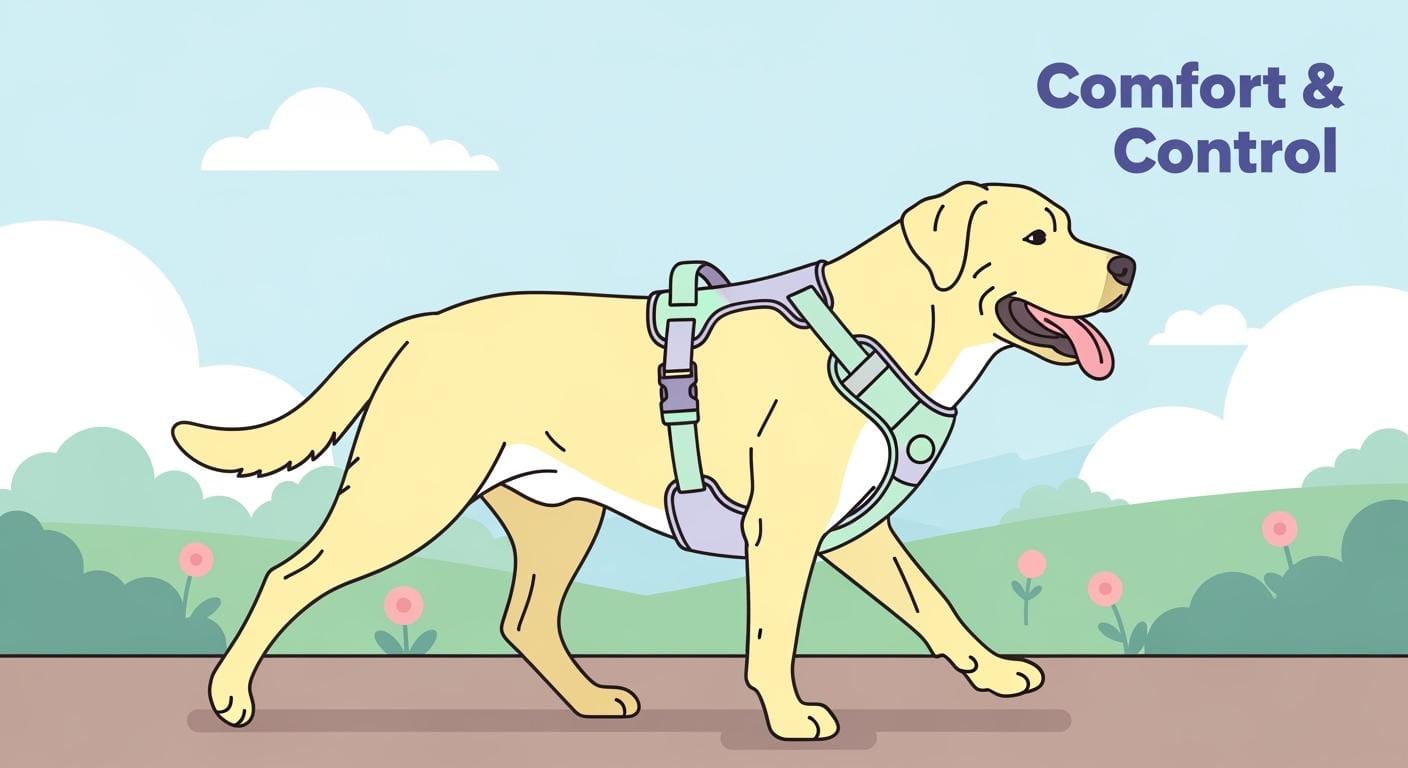
For most dogs, the right harness should do three things well: sit securely without twisting, spread leash pressure away from the throat, and stay comfortable through a normal walk. That matters more than whether the harness looks technical, padded, sporty, or minimal.
Which dog harness type makes sense for your dog
Different harness types solve different problems. A calm dog on short neighborhood walks does not need the same setup as a dog that surges forward at every distraction or a dog with sensitive skin.
| Harness type | Usually works best for | Main thing to watch |
|---|---|---|
| Back-clip | Calmer walkers, short daily walks, dogs that already move well on leash | It can give less steering control if your dog pulls hard |
| Front-clip | Dogs that lean into the leash, handlers who want better redirection | Poor fit can cause chest shifting or underarm rubbing |
| Dual-clip | Owners who want flexibility between guided walks and easier daily use | Extra hardware can add weight or bulk on very small dogs |
| Vest or padded style | Sensitive dogs, shorter-coated dogs, dogs prone to friction marks | Too much fabric can trap heat if the fit is close and the weather is warm |
| Activity or trail style | Longer outings, hiking, dogs that need a more stable body wrap | Stiff panels and long chest sections can restrict shoulder movement if oversized |
A good first filter is this: choose back-clip when your dog already walks fairly well, choose front-clip or dual-clip when you need more guidance, and choose a softer padded design when rubbing has been your main problem.
Quick check: If your dog freezes, bunny-hops, scratches at the chest strap, or twists sideways after a few minutes, the issue is often fit or panel placement, not just the harness type name.
How to measure and fit the harness before the first real walk
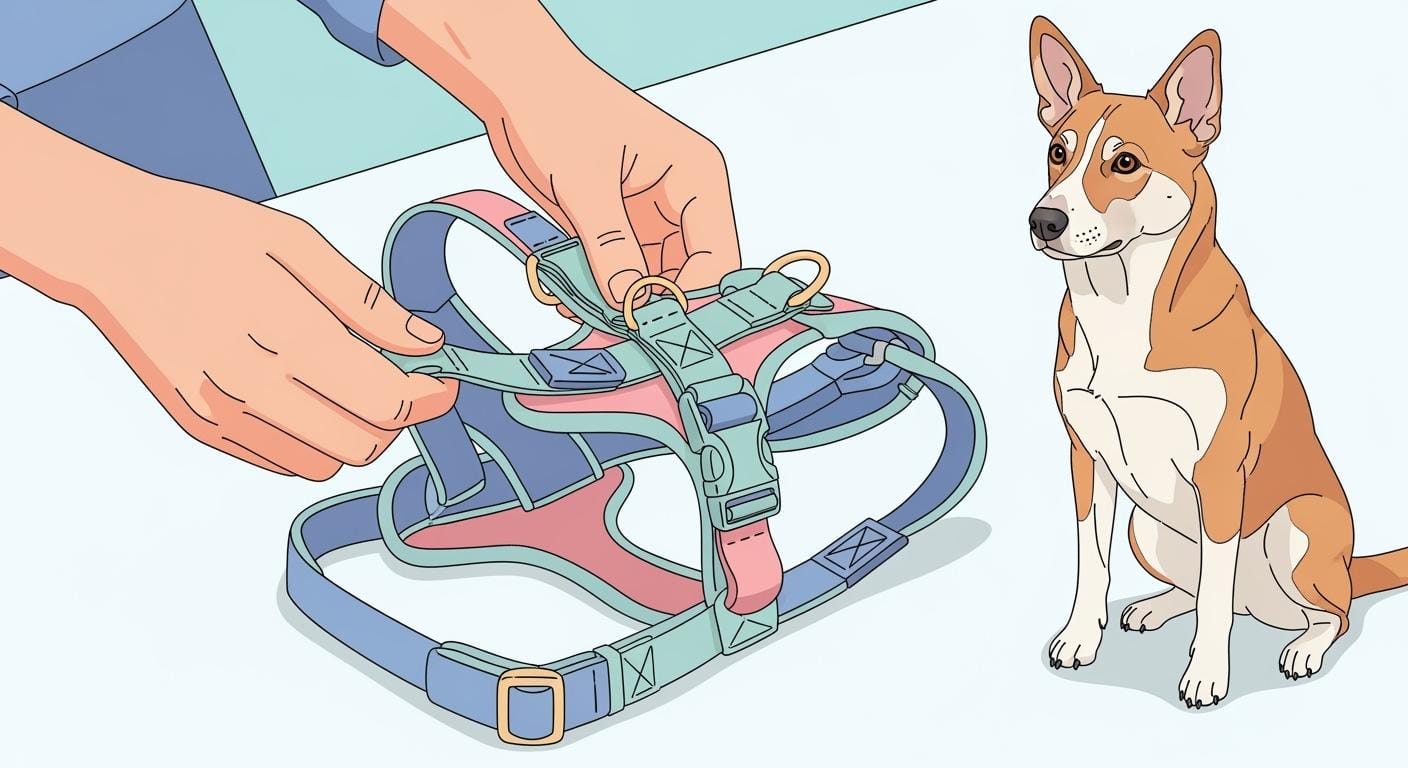
Measure the lower neck where the harness will sit, then measure the widest part of the chest just behind the front legs. Do not guess from collar size alone. Dogs with broad chests, deep ribs, or heavy coats often end up between sizes, and that is where slipping or rubbing starts.
Once the harness is on, the neck opening should sit clear of the throat, the chest strap should stay behind the front legs, and you should be able to slide two fingers under the straps without feeling the harness float away from the body.
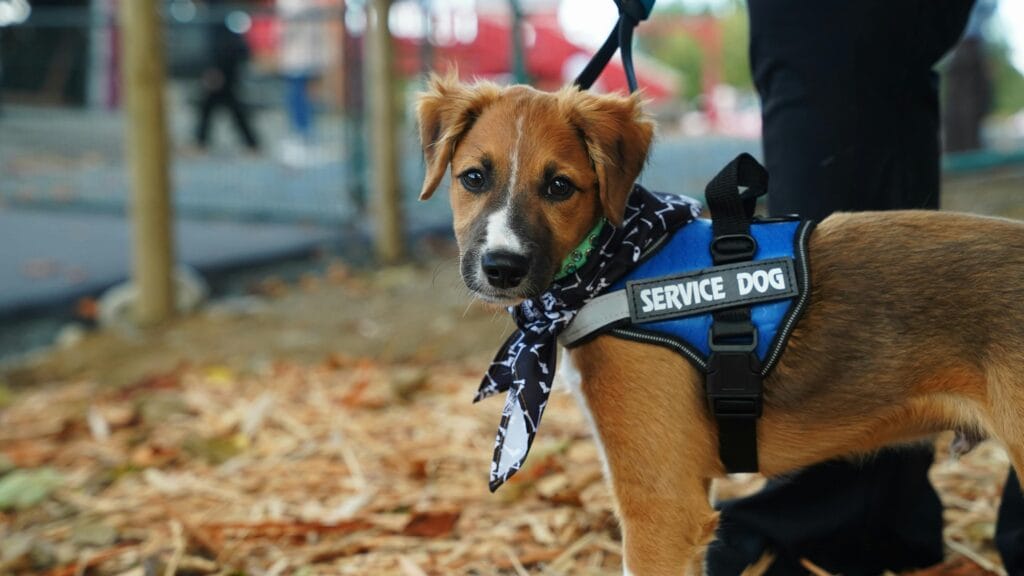
Fit matters more than labels. Watch where the straps sit once your dog starts moving.
- Check the harness while your dog is standing still.
- Check it again after one to three minutes of walking.
- Watch from the front and the side to see whether the chest piece drifts.
- Look for red marks, flattened coat, or strap migration toward the armpit.
If you want a broader walkthrough on pairing fit with leash setup, read this dog harness and leash set guide before settling on a final combination.
Material and comfort details that matter after sizing is correct
Once the size is close, comfort details become the reason one harness works and another does not. Smooth edge finishing, flexible webbing, light padding, and a chest shape that does not cut into the front of the shoulder matter more than marketing labels.
Look closely at these areas:
- Edge binding that feels smooth instead of stiff or sharp.
- Adjusters that stay put after a walk instead of slowly loosening.
- Hardware placement that does not stack directly on the shoulder blade.
- Padding that softens pressure without making the harness too hot.
- Webbing width that matches the dog’s size rather than overwhelming a smaller frame.
If you are still comparing overall style families, this best dog harness guide is a useful next step because it compares size, material, and everyday use in one place.
Signs you chose the wrong harness type, not just the wrong size
Sometimes the fit looks acceptable on paper, but the style is still wrong for the dog in front of you. That shows up in movement, posture, and control.
- A back-clip style may feel too loose in handling if your dog lunges forward and powers through the leash.
- A front-clip style may feel too busy or friction-prone if your dog is already calm and the chest point sits awkwardly.
- A wide vest can feel secure at first but still cause overheating on long walks or in warm weather.
- A bulky trail harness can be too much for tiny dogs, short trips, or indoor training.
- A minimal harness may not stay stable on deep-chested or strong-bodied dogs that need more wrap and balance.
If your dog resists being harnessed every time, shakes off repeatedly, or moves less naturally than usual, step back and reassess the style itself. Do not keep tightening straps to solve a design mismatch.
Cleaning, wear checks, and when to replace the harness
Harnesses that fit well can still become uncomfortable if the webbing stiffens with dirt, the padding stays damp, or the adjusters start slipping. Regular cleaning helps comfort as much as appearance.
Hand-wash or machine-wash only if the construction allows it, then let the harness dry fully before the next use. After cleaning, inspect the high-stress areas:
- bar-tack stitching near leash attachment points
- buckle tongues and side-release housings
- metal rings that have rough edges or visible bending
- strap sections that have gone fuzzy, thin, or shiny from abrasion
- padded panels that have folded and now press into the skin
Replace the harness when you see repeated strap slippage, broken stitching, cracked hardware, or rubbing that does not stop after correct adjustment. A harness should not have to be constantly re-tightened to stay safe.
FAQ
What dog harness type is usually best for dogs that pull?
Front-clip and dual-clip styles are often the easiest place to start because they give more steering help than a simple back-clip harness. The fit still matters, though, because a poorly placed chest point can rub or twist.
Are padded vest harnesses always more comfortable?
No. Padding helps only when the panel shape and strap placement are correct. Too much fabric can hold heat or restrict movement, especially on warm days or on smaller dogs.
How tight should a dog harness feel?
Use the two-finger check as a starting point, then watch the harness while your dog walks. It should stay close to the body without biting into the coat or sliding toward the armpits.
Can one harness work for every activity?
Sometimes, but not always. A harness that feels great for a short city walk may not stay stable on a long hike, and a trail harness can feel like overkill for quick daily outings. Match the style to the most common use case first.
When should I stop using a harness right away?
Stop using it if you see cracked buckles, bent rings, loose stitching, raw skin, hair loss, or repeated escape attempts caused by shifting fit. Those are not minor issues to keep testing through.