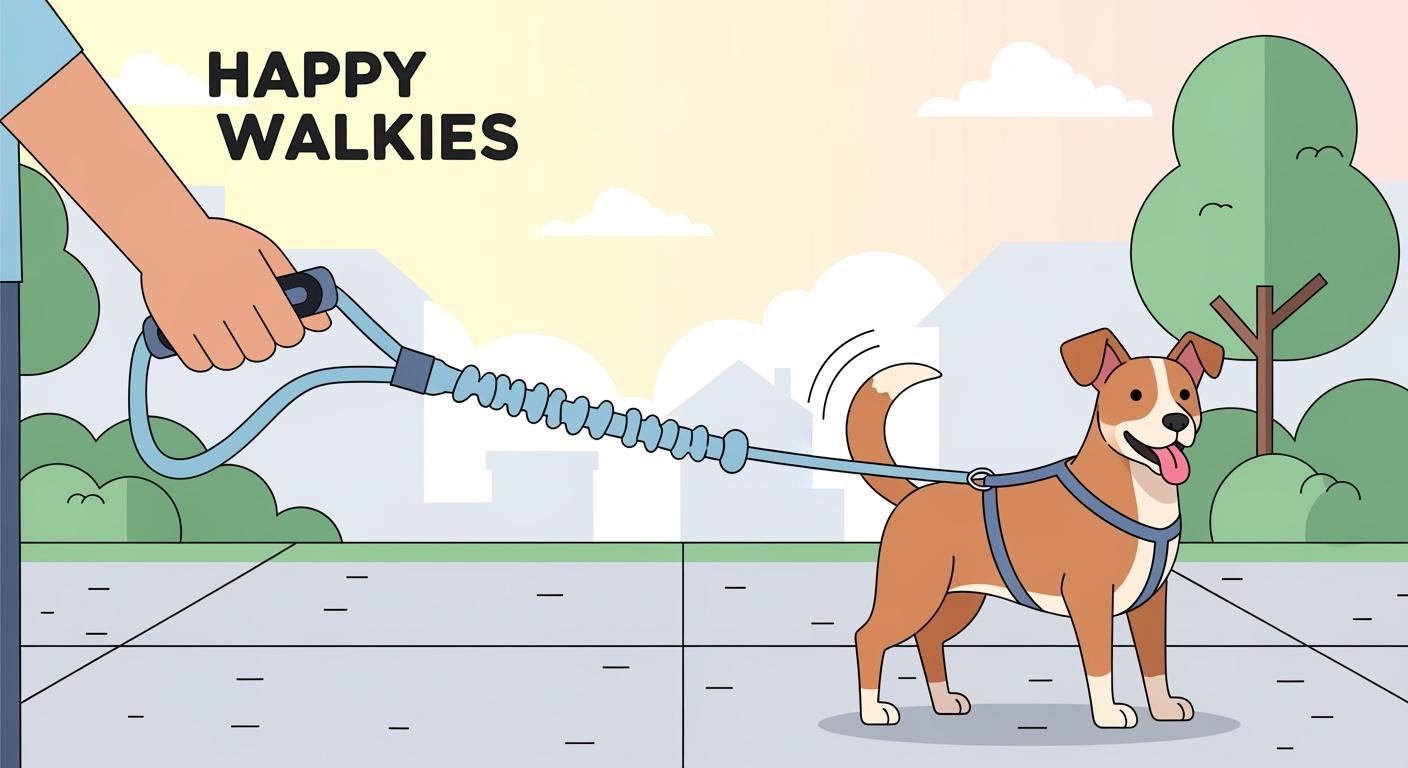
A bungee cord dog leash can help with sudden pulls. It makes walks more comfortable for you and your dog. You also get better control. Always make sure the leash is not twisted. Check that the clip shuts all the way. Attach the leash to the right place. Keep the leash short enough for safety. Follow leash rules to keep your dog safe and stop injuries.
Before you clip in:
- Look at the bungee part for twists
- Make sure the clip shuts tight
- Clip to harness if your dog is strong
- Watch the slack when it is crowded
| Leash Rule Benefit | Description |
|---|---|
| Control Over Dogs | Leash rules keep your dog close and help stop accidents or injuries. |
| Predictable Environment | They help everyone feel safe and happy on walks. |
| Liability Protection | Following rules keeps you out of legal or money problems. |
Disclaimer: Always follow local leash laws and ask your vet if you have health questions.
Key Takeaways
- Use a bungee cord dog leash to absorb shock and reduce strain during walks. This helps prevent injuries for both you and your dog.
- Always attach the leash to a harness for strong dogs. This protects their neck and gives you better control.
- Keep the leash short in crowded areas to maintain control and prevent accidents. Adjust your grip to avoid sudden pulls.
Pros of Bungee-Style Leashes
Shock Absorption Benefits
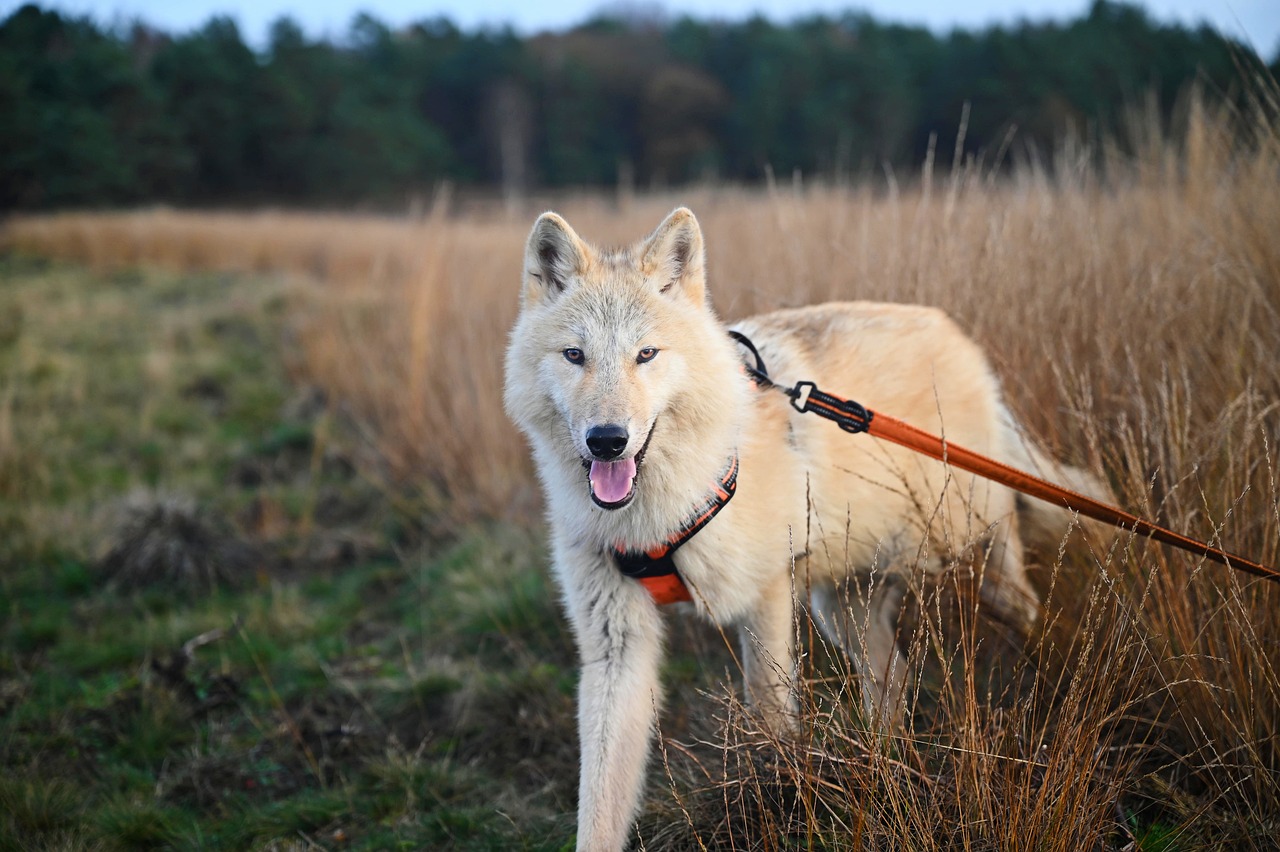
You want a leash that protects both you and your dog. Bungee-style leashes use elasticity to absorb shock. This means you feel less strain if your pup pulls or bolts. You get gentle tension relief, which helps prevent sudden jerks. This is important for dogs with different energy levels. You stay safer, and your walks feel smoother.
- Elasticity reduces the risk of injury for you and your dog.
- You avoid wrist pain from sudden pulling.
- Your dog’s neck and body get less stress.
Reducing Sudden Pulls
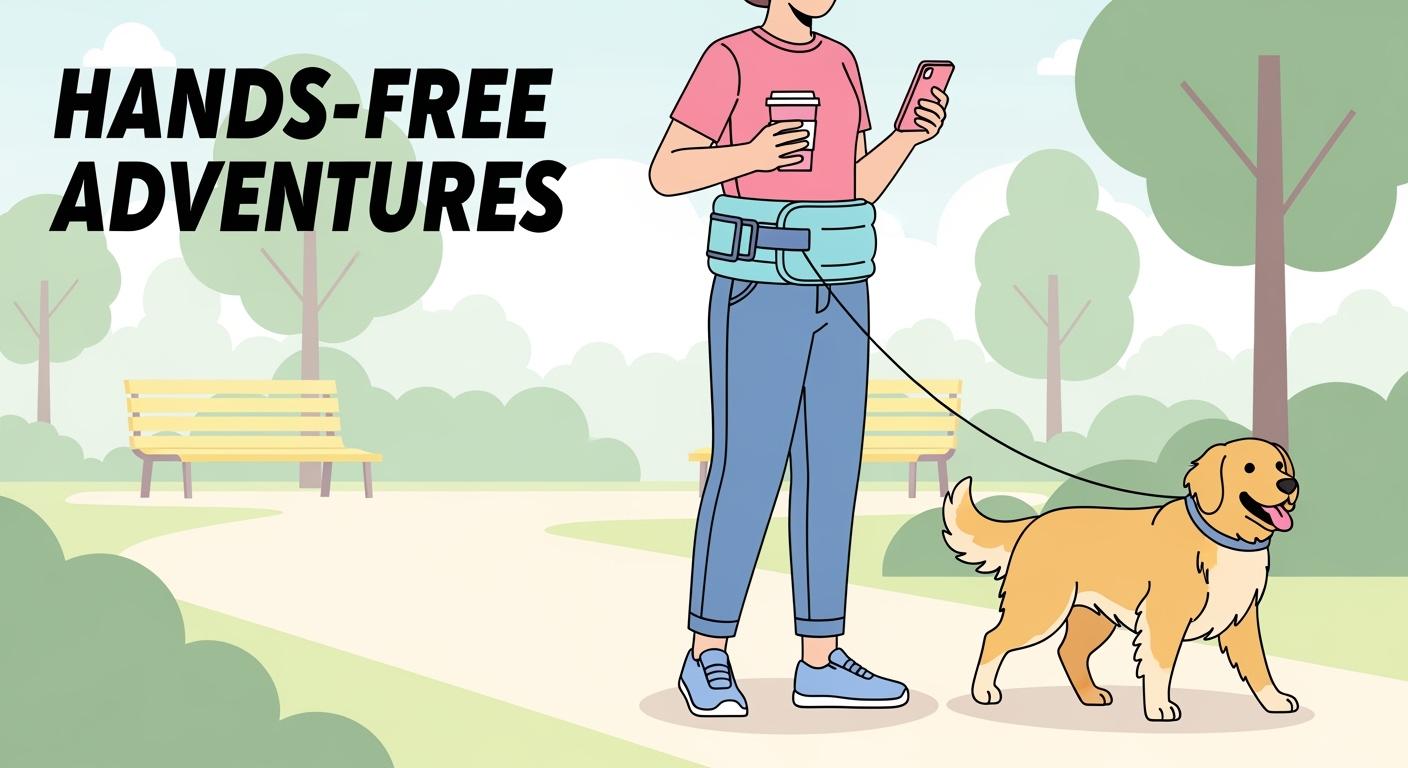
Bungee-style leashes help you manage pulling. The leash stretches and then returns to its normal length. This action slows down your dog if they try to run ahead. You keep better control without harsh stops. You also protect your hands, especially when using hands-free leashes. Many active owners like hands-free leashes for jogging or hiking. The pros of hands-free leashes include more freedom for you and your dog.
Note: Bungee-style leashes do not replace training. You still need to teach your dog good walking habits. They also do not offer true pulling control.
When Bungee Cord Dog Leash Works Best
You get the most from a bungee cord dog leash in certain situations. If you walk or run at a steady pace, this leash helps you and your dog stay comfortable. Hikers and runners often choose these leashes for their durability and elasticity. The leash works well for active outings and open spaces.
| Feature | Benefit |
|---|---|
| Shock absorption | Protects the dog’s neck and the handler’s wrist from strain. |
| Controlled range | Allows some give for movement while keeping you connected and in control. |
| Durability | Materials and stitching should handle dirt, moisture, and everyday abrasion. |
| Safety during recall | Prevents dogs from wandering into hazardous areas like roads or water. |
| Natural exploration | Dogs can investigate without full off-leash risks in open areas. |
| Automatic retraction | Elastic return reduces the impact of sudden stops after the leash stretches. |
| Minimized entanglement | Reduces the risk of snagging during fast-paced activities. |
You should avoid using bungee-style leashes in crowded places or with reactive dogs. In these cases, too much slack can make control harder. Always focus on safety and proper handling.
Choosing the Right Leash and Safe Use
Bungee Cord Dog Leash vs Standard Leash
Choosing the right leash helps you keep your dog safe and comfortable. You will find several types of dog leashes on the market. Each style works best in different situations. A bungee cord dog leash absorbs shock and reduces sudden pulls. Standard leashes give you steady control and work well for calm dogs. Retractable leashes allow more freedom but can create safety risks if your pup runs too far.
Here is a quick comparison to help you decide which is the best leash for your dog:
| Leash Type | Best Use | Biggest Risk | Safer Handling Rule | When to Switch |
|---|---|---|---|---|
| Standard Leash | Everyday walks, training | Sudden jerks, rope burn | Hold with both hands, keep short | If you need shock absorption |
| Bungee Leash | Active walks, jogging | Snapback, slack in crowds | Use harness, control slack | In crowded or high-risk areas |
| Retractable Leash | Open spaces, recall practice | Loss of control, tangling | Lock length near hazards | When you need more control |
You should always match the leash to your walking style and your dog’s needs. If you enjoy hands-free leashes for running or hiking, a bungee style can add comfort. For busy sidewalks, a standard leash may give you better recall and control.
Attachment: Harness vs Collar
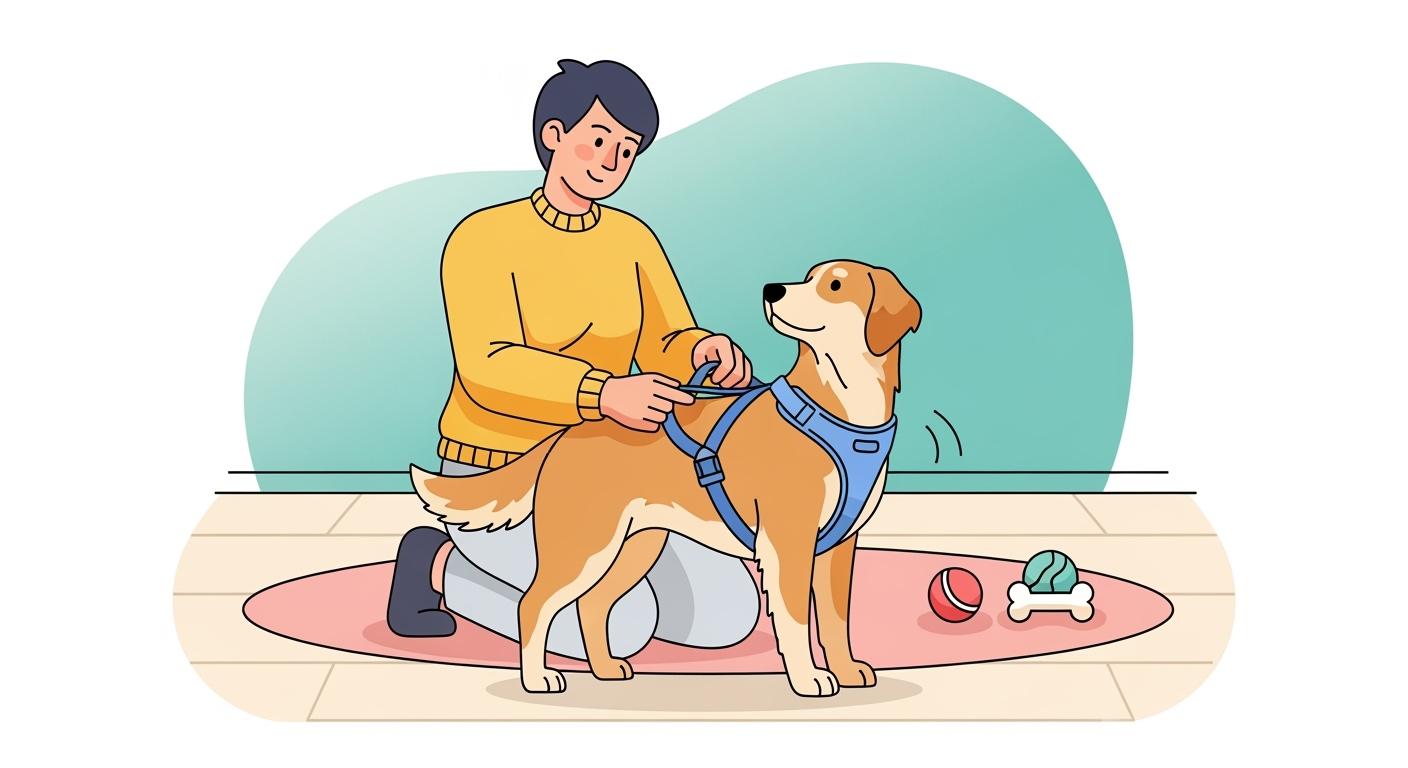
Attachment matters for safety. Choosing the right leash means thinking about where you clip it. For strong or lunging dogs, always use a harness. This reduces the risk of neck injury and spreads pressure across the chest and back. If your dog walks calmly, a flat collar works for ID tags and gentle strolls. Avoid prong or choke collars, as they can cause pain and injury.
The table below shows how different attachments affect safety and control:
| Tool | Pressure Distribution | Pulling Deterrence | Safety Risk | Best For |
|---|---|---|---|---|
| Flat Collar | Neck (localized) | Low | High (tracheal injury) | Trained dogs, ID tag use |
| Prong/Choke Collar | Neck (pain-based) | High (aversive) | Very High | Higher risk of pain or injury if misused |
| Back-Clip Harness | Chest/back (distributed) | Low | Low | Comfort, no-pull training |
| Front-Clip Harness | Chest (redirection) | High | Low | Dogs that pull or lunge |
| Head Halter | Nose/muzzle (control) | High | Moderate (if misused) | Strong pullers, reactive dogs |
You protect your dog’s neck and make walks safer when you use a harness for strong pullers. Always check that the harness fits well and does not rub or pinch.
Handling Safety Tips
Safe handling keeps both you and your dog out of harm’s way. Choosing the right leash means knowing how to hold and use it. Never wrap the leash around your hands, wrists, or fingers. This prevents injuries if your dog pulls hard. Use a controlled grip that you can release quickly if needed. Keep the leash short in crowded or high-risk areas to improve recall and reduce slack.
Follow these best practices for leash handling:
- Follow local leash laws (some areas set a maximum leash length for public spaces).
- Keep your dog close when passing other people or animals.
- Ask before letting your dog greet another dog.
- Yield to horses and keep your dog calm.
- Watch for slack and adjust your grip to prevent snapback.
Tip: Keep the line soft and avoid letting your dog hit the end of the leash. Use your body to turn or slow down if your dog starts to lunge. Shorten your hold near hazards like roads or crowds.
Safe-Use Technique Checklist
Check your walk for these safety points. If you find a problem, use the fix to improve your recall and control.
| Check Item | Pass | Fail | Fix |
|---|---|---|---|
| Slack near hazards | ✅ | ❌ | Shorten leash, keep dog close |
| Snapback events | ✅ | ❌ | Soften grip, avoid sudden stops |
| End-of-line impacts | ✅ | ❌ | Use turns, slow pace, switch to harness |
| Handler grip risks | ✅ | ❌ | Never wrap leash, use controlled hold |
| Dog stress signals | ✅ | ❌ | Pause, redirect, give space |
Types of Dog Leashes and Recall
You will see many types of dog leashes in stores. Standard, bungee, and retractable leashes each have a place. Choosing the right leash depends on your activity, your dog’s recall, and your environment. For active outings, hands-free leashes and bungee styles work well. In busy places, standard leashes offer better recall and control. Always check your leash for wear and replace it if you see damage.
Common Mistakes and Fixes
Letting Dog Hit End of Leash
You may think a bungee cord dog leash will stop your pup from pulling. If you let your dog run to the end of the leash, the sudden stretch can cause a snapback. This can startle you and your dog. It may even cause injury. You should always keep some slack but not let your dog reach full extension. Use your body to turn or slow down before your dog pulls hard. If your dog likes to lunge, attach the leash to a harness. This protects the neck and gives you more control. Training your dog to walk calmly helps prevent these problems.
Too Much Slack in Crowded Areas
Too much slack in a leash can create risks, especially in busy places. You might lose control if your dog moves quickly. The leash can wrap around people or objects. This can cause tripping or rope burns. Your dog may also approach others without warning, which can lead to trouble.
- Loss of control over your dog
- Injury from the cord if it tightens suddenly
- Tangling hazards for people or objects
- Increased chance of aggression if your dog greets others unsupervised
You can fix this by keeping the leash short in crowds. Hold the leash with a controlled grip. Stay alert and adjust the length as you move.
Unsafe Attachment or Grip
Attaching a bungee-style leash to a collar for a strong dog can hurt the neck. Always use a harness for active or hard-pulling dogs. Never wrap the leash around your hands or fingers. This can cause injury if your dog pulls. Use a hands-free leash only if your dog walks calmly. Check the leash for wear before each walk. Replace it if you see damage.
Safety Tip: Always follow local leash laws and ask your veterinarian if you have health concerns about your dog.
Troubleshooting and FAQs
Why Does My Dog Pull More?
You may notice your dog pulls more when you switch to a bungee cord dog leash. The stretch in the leash can feel springy. Some dogs like to test the new feeling. You should keep training your pup to walk calmly. Use treats and praise for good behavior. Clip the leash to a harness if your dog pulls hard. This protects the neck and gives you better control.
Snapback and Leash Whip Issues
Snapback happens when your dog hits the end of the leash and the tension releases quickly. This can surprise you or your dog. To prevent this, keep the leash short in busy places. Hold the leash with a controlled grip. Avoid letting your dog run to the end. If you use hands-free leashes, stay alert and adjust the length before your dog lunges.
Tip: Practice stopping and turning with your dog. This helps you avoid sudden pulls and keeps walks safe.
Safe for Puppies or Seniors?
Bungee-style leashes can work for puppies and senior dogs if you use them with care. Always check the leash for damage before walks. Use a harness for young or older dogs to protect their necks. Start with short walks and watch for signs of stress. If your dog seems unsure, go back to a standard leash until they adjust.
Bungee Leash vs Car Restraint
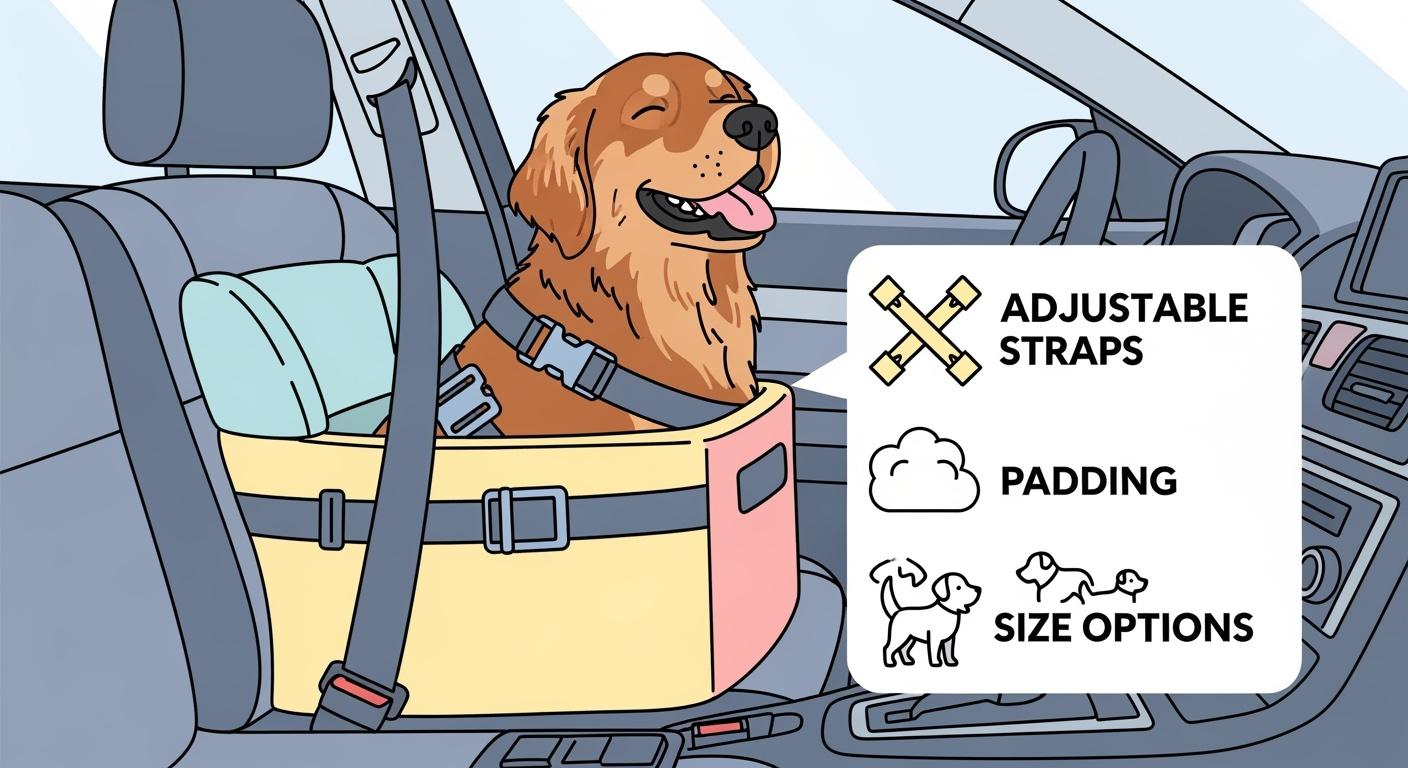
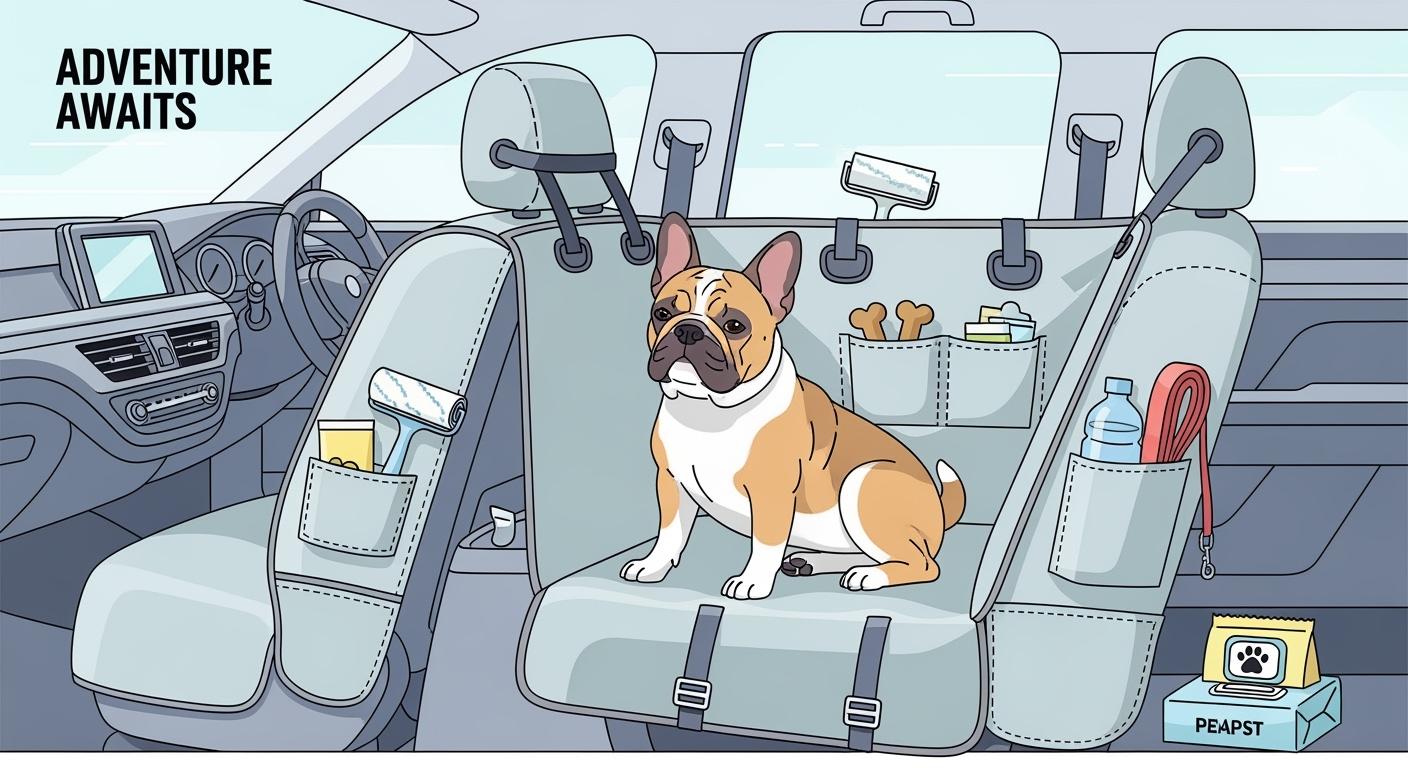
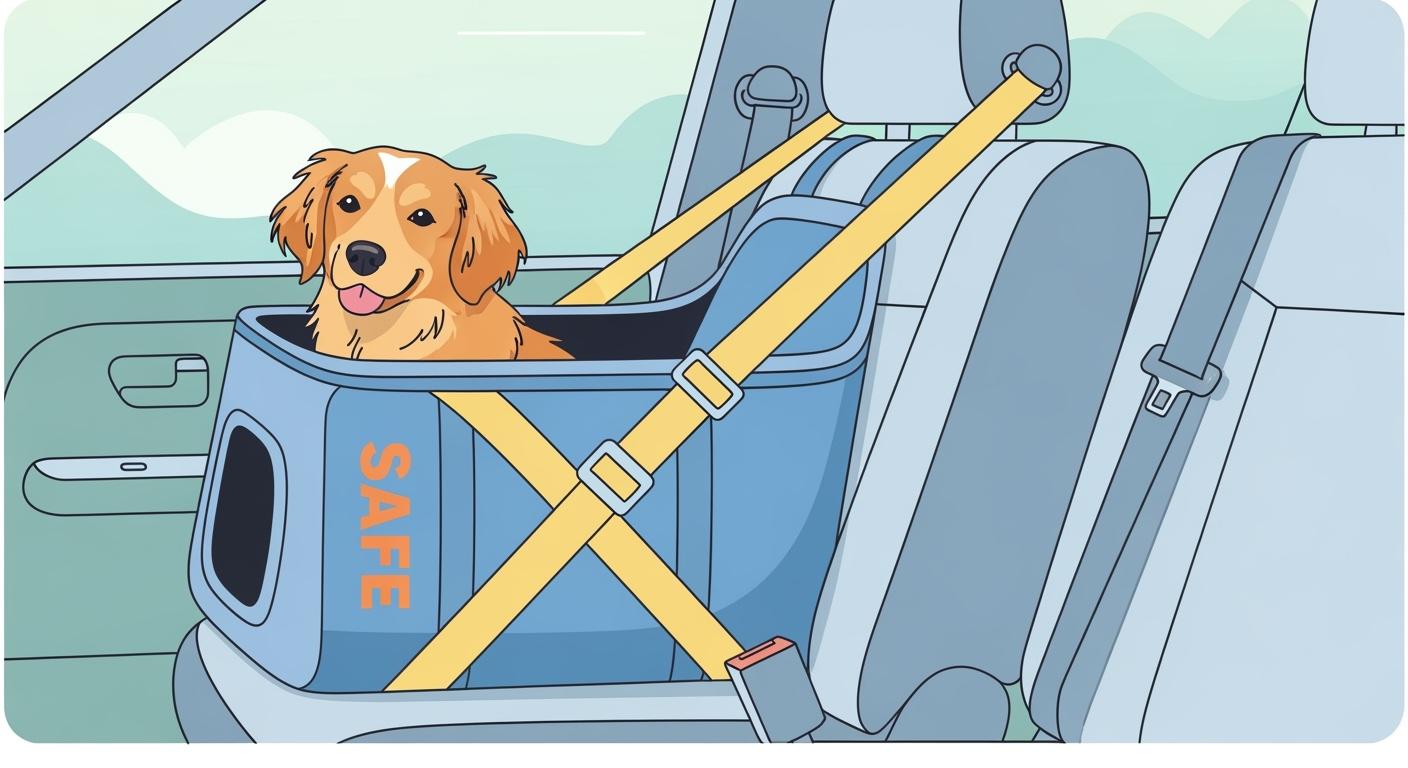
A walking leash, even a hands-free one, does not protect your dog in a car crash. For travel, use a certified car restraint or crate. Do not rely on a leash for car safety.
You improve walk safety with a bungee cord dog leash by using proper attachment and handling.
- Attach the leash to your dog’s harness for comfort and control.
- Inspect the leash often for damage.
- Use tips to keep your pup safe and confident.
Always follow local rules and ask your veterinarian about your dog’s health.
How do you clean a bungee cord dog leash?
You can wipe the leash with a damp cloth. Let it air dry. Check for damage before each walk.
Can you use a bungee leash for training?
You should use a standard leash for training. Switch to a bungee leash after your dog learns to walk calmly.
What should you do if the leash gets wet?
Dry the leash in a cool, shaded place. Do not use heat. Inspect for wear before using it again.