
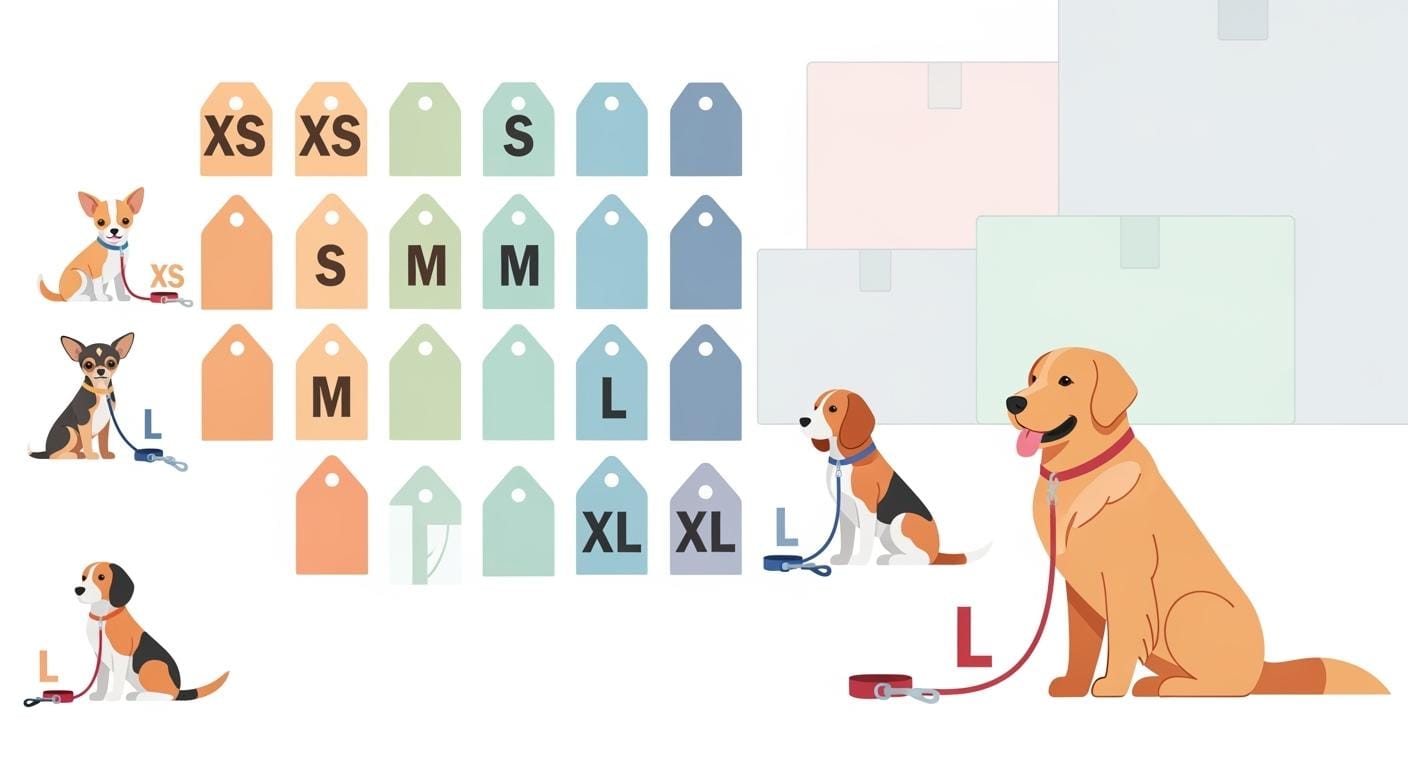
You have an important choice with custom dog leash bulk orders. You can use one leash spec for all dogs. Or you can match specs to different dog sizes. US buyers now want fit-safe walking systems. These systems lower the risk of mismatch and help keep pets safe. Market trends show pet owners want leashes that are comfy, strong, and simple to clean. You also need to think about cost, inventory control, customer happiness, and cleaning rules. Before you choose, look at your business plan, target customers, and current rules.
Key Takeaways
Pick leash specs that match the dog’s size. This helps keep walks safe and comfy. Using one leash spec makes inventory easier. But it might not fit all dog sizes well. Think about what customers want before you choose one or many leash specs. Always check if the leash fits right and if the hardware is strong. This stops safety problems and keeps customers happy. Add branding and design, but make sure the leash stays safe and works well.
When one spec fits all-and when it fails
Benefits of a single leash spec
You might consider using one leash spec for all dogs in your custom dog leash bulk order. This approach can make inventory management easier. You only need to track one product line, which can lower storage needs and reduce confusion for your staff. Training your team also becomes simpler because everyone learns one set of features and cleaning steps. If you serve a market with mostly medium-sized dogs, a single leash spec may cover most needs. Cleaning routines stay straightforward, which helps you follow CDC guidance for pet item hygiene. You can also streamline your branding and packaging.
Drawbacks and mismatch risks
A single leash spec does not always fit every dog well. Dogs come in many sizes and strengths. If you use the same leash for a small dog and a large dog, you may see problems. Small dogs may struggle with heavy hardware or wide webbing. Large dogs may need stronger clips and thicker materials for steady control. Mismatched leashes can lead to safety risks. For example, a leash that is too heavy for a small dog can cause discomfort or even injury. A leash that is too light for a large dog may break or fail to control the dog. Veterinary and safety organizations note that separating dogs by size helps prevent injuries. In play areas, small dogs face higher risks when mixed with larger, stronger dogs. The same logic applies to leash selection. Using the wrong leash spec can increase the chance of escape or injury, which can affect customer satisfaction and safety.
Comparison: single vs. size-split leash lines
You need to weigh the pros and cons of each approach. The table below compares single-spec and size-split leash lines for custom dog leash bulk orders:
Approach | Use Case | Main Benefit | Main Watchout | Who Should Skip It |
|---|---|---|---|---|
Single-spec leash line | Uniform dog size or simple inventory | Easier stock and training | Higher mismatch risk for outliers | Retailers with wide size range |
Size-split leash lines | Mixed dog sizes or fit-focused customers | Lower mismatch risk | More SKUs and training needed | Buyers with only one dog size |
Tip: Align your leash specs with fit-safe walking systems. This helps you meet AVMA guidance and reduces the risk of injury or escape. Cleaning also gets easier when you match leash specs to dog size and material, making it simpler to follow CDC cleaning advice.
A size-split leash line can reduce confusion for your customers. Pet owners can pick the right leash for their dog’s size, which supports comfort and safety. However, you will need to manage more SKUs and train your staff on the differences. If your business serves a wide range of dog sizes, size-split lines help you avoid common mismatch problems. If you only serve one size group, a single-spec line may work best.
Custom dog leash bulk orders require you to balance safety, inventory, and customer needs. Think about your target market and the types of dogs they own. When you match leash specs to dog size, you lower the risk of injury and improve the walking experience for both pets and owners.
Custom dog leash bulk: What changes by dog size
Clip and hardware choices
When you pick clips and hardware for custom dog leash bulk orders, you must match them to the dog’s size. Small dogs do better with light clips. Big dogs need strong and tough clips. The table below shows what hardware works for each size:
Material Options | Finishes | Shapes | Sizes |
|---|---|---|---|
Stainless steel | Polished | Standard | Small (up to 20 lbs) |
Brass | Brushed | Bone-shaped | Medium (21-50 lbs) |
Zinc alloy | Antique | Paw print | Large (51-100+ lbs) |
Picking the right hardware stops problems. Light woven safety cords are good for small dogs. Nylon safety cords are stronger for big dogs. Always check if the clip fits the dog’s weight to keep them safe.
Note: Some makers say their hardware is stronger than it is. You should pick hardware that matches the dog’s real weight so it stays safe.
Webbing width and feel
Webbing width changes how comfy and easy the leash is to use. Small dogs like 1/2-inch webbing because it is lighter and not bulky. Medium and large dogs need wider webbing for more strength. The table below shows what width works best:
Width | Recommended Use Cases |
|---|---|
1/2 inch | Small dogs, lightweight collars |
1 inch | Medium-large collars, leashes |
1.5-2 inch | Vehicle restraints, heavy-duty gear |
Nylon webbing lasts a long time and does not wear out fast. Biothane and leather are other choices, but they feel different and last for different times.
Handle comfort and control
Handle design matters for your comfort and how well you can hold the dog. Small dogs need slim, soft handles. Big dogs need thick, padded handles for a strong grip. The leash width also changes how the handle feels. You should try the handle with the right dog size to make sure it fits.
You can add branding, colors, and materials to make your custom dog leash bulk orders special. Cool patterns and logos make your leashes stand out and help people remember your brand. When you match leash specs to the dog’s size, you make walks safer and more comfortable for pets and people.
Signs of leash spec failure
Pass/fail checklist: fit and safety
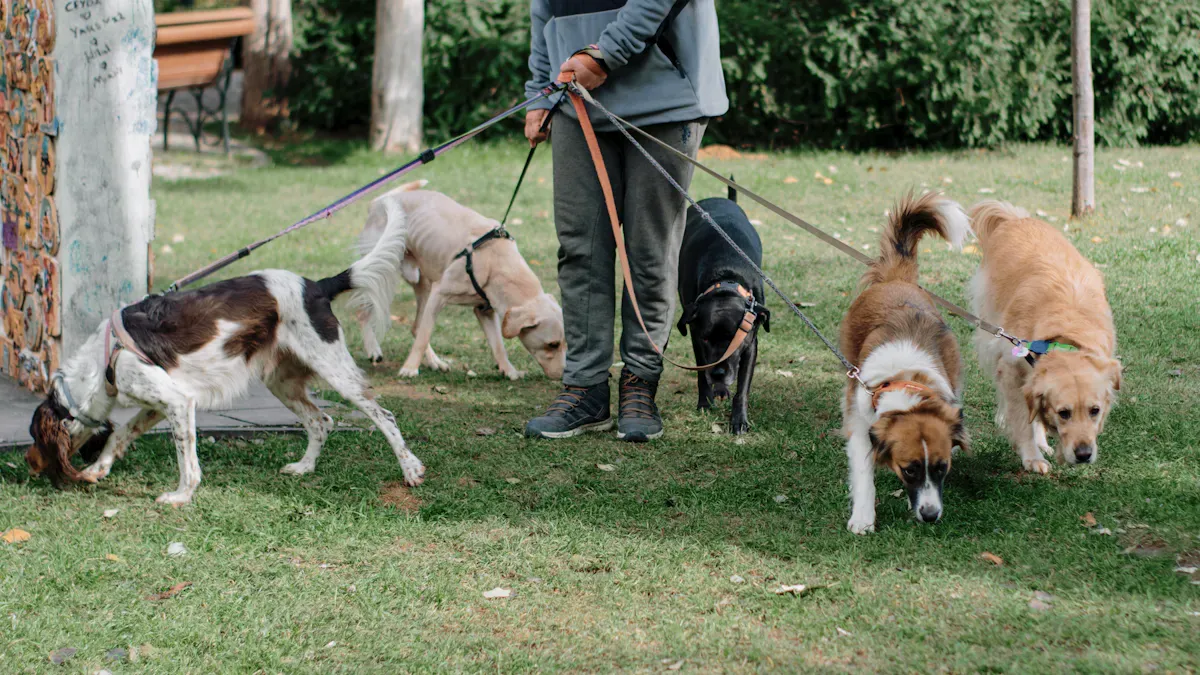
You should check your custom dog leashes for fit and safety before buying a lot. Use this table to find problems early:
Check Item | Pass Signal | Fail Signal | Fix |
|---|---|---|---|
Collar fit (two-finger rule) | Two fingers fit under collar easily | Too tight (hard to fit fingers) or too loose | Adjust collar or choose correct size |
Hardware inspection | Clasps and D-rings show no cracks or bends | Rust, cracks, or loose parts | Replace hardware |
Stitching quality | Reinforced box or cross stitches hold firm | Loose threads or gaps | Request better stitching from supplier |
Material safety | No strong odors or residue | Chemical smell or sticky feel | Ask for safety certificates |
Sample testing | Leash holds up in stress test | Breaks or frays under tension | Test more samples, adjust spec |
Always check the collar fit with the two-finger rule before every walk. Watch for signs like coughing, gagging, or trouble breathing. Look for chafing or hair loss on the neck.
Troubleshooting: common symptoms and fixes
If you notice problems with your leashes, use this table for quick help:
Symptom | Likely Cause | Fast Check | Fix |
|---|---|---|---|
Leash frays or snaps | Weak stitching or material | Pull test and inspect seams | Request reinforced stitching |
Hardware sticks or jams | Salt or dirt buildup | Rinse and check movement | Rinse gear, dry thoroughly |
Velcro loses grip | UV damage or wear | Test closure strength | Replace velcro, store out of sun |
Hard to release quickly | Wrong clip type | Try releasable shackle | Switch to quick-release hardware |
Rinse your gear after it gets dirty or salty. Polyester handles sunlight better than nylon but may not last as long.
Common mistakes and real consequences
You can stop many problems by learning from common mistakes:
Using one leash spec for all sizes can cause mismatches. Small dogs may feel pain from heavy hardware. Large dogs may break weak clips.
Skipping sample tests makes product failure more likely.
Not cleaning leashes can make hardware rust or webbing get weak.
Not checking fit can cause escapes or injuries. This can upset customers and hurt your business.
Brands that keep products in stock and ship fast keep more customers. Pet parents want quick delivery and leashes they can trust. If you miss these steps, you may lose trust and repeat buyers.
Disclaimer: This section does not give medical advice. Always ask a veterinarian if you have health or injury questions about leash use.
You need to pick leash specs that fit each dog size. This makes walks safer and more comfortable. Look at your customers and what dogs they own. Try samples to see if the leash is strong and lasts long. Ask people what they think about the leash. Clean leashes often so they stay safe and last longer. Check these important things before you buy:
Factor | Description |
|---|---|
Reputation | Read reviews or meet suppliers at pet shows |
Quality | Find safety and durability certificates |
Pricing | Compare prices for regular and fancy leashes |
Delivery | Ask how fast they ship and deliver |
Support | See how well suppliers answer your questions |
Make safety and happy customers your main goal. Follow rules to help your business grow and keep buyers pleased.
FAQ
What is the main risk of using one leash spec for all dog sizes?
You may see a higher chance of mismatch. Small dogs can struggle with heavy hardware. Large dogs may need stronger clips. This can affect safety and customer satisfaction.
How do I decide between single-spec and size-split leash lines?
Check your customer base. If you serve many dog sizes, split specs by size. If your market focuses on one size group, a single spec may work better.
Does cleaning change with different leash specs?
Yes. Lighter leashes for small dogs often clean faster. Heavier materials for big dogs may need more time. Always follow CDC cleaning guidance for pet items.
Can I customize branding on both single and size-split leash lines?
You can add branding to both options. Choose colors, logos, or patterns that fit your business. Make sure the design does not affect leash safety or comfort.
What should I test before placing a bulk order?
Order samples for each size group. Check hardware, webbing, and handle comfort. Test cleaning steps. Ask for feedback from staff or customers before finalizing specs.






