The best dog harness for medium dogs is the one that stays centered, keeps pressure off the throat, and lets your dog move naturally on a real walk. Medium dogs often fall in the range where a harness can feel either secure and easy or bulky and awkward, so clip position, chest shape, and adjustment range matter more than extra padding or heavy hardware.
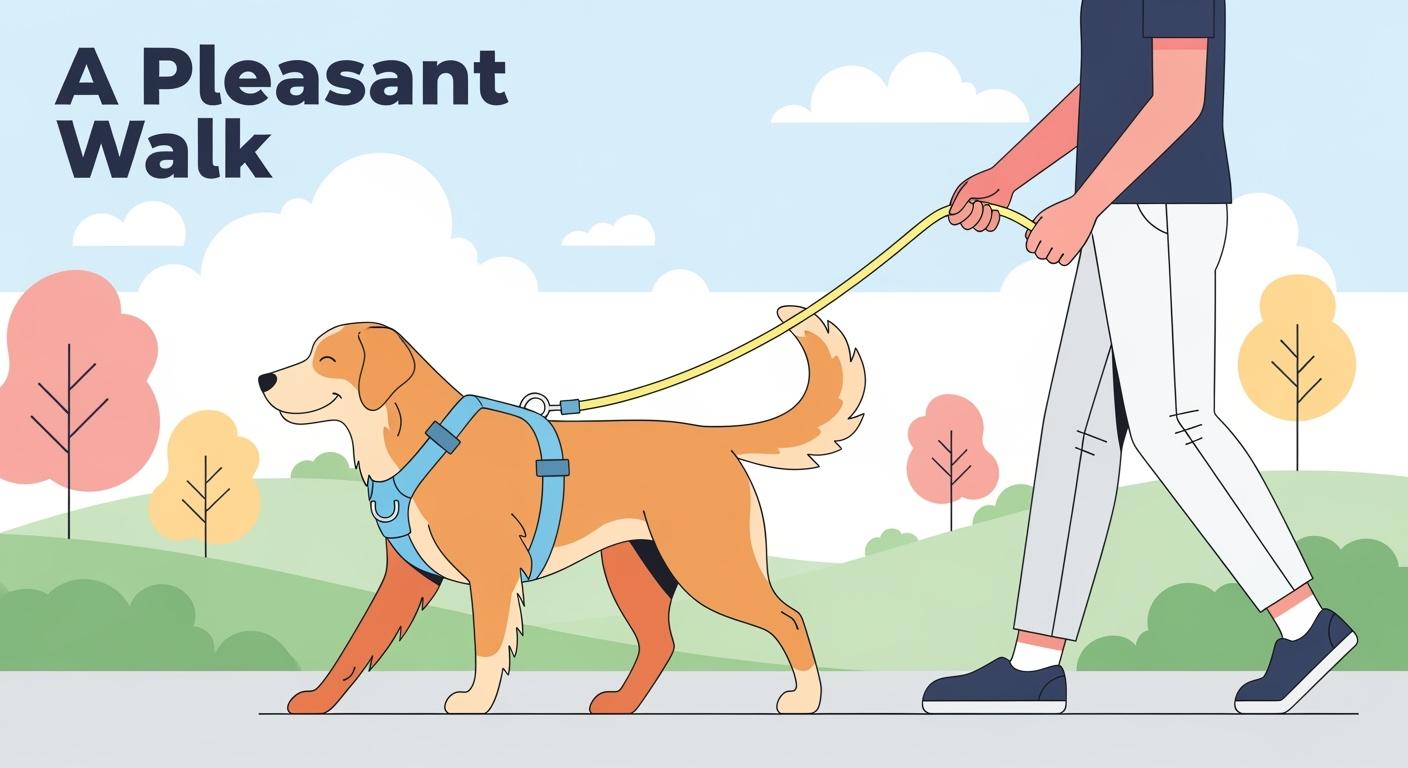
Start with your dog’s walking style. A calm dog that already walks on a loose leash usually does well in a lighter back-clip or simple dual-clip design. A dog that leans into the leash, rushes ahead, or swings hard through turns usually needs more steering help and a shape that stays balanced under tension. If the label still feels vague, measure a dog for a harness before you guess by weight alone.
Key Takeaways
- Choose clip style by walking behavior first, not by padding or looks.
- A medium dog harness should stay low on the chest, clear the shoulders, and remain stable when the dog turns or speeds up.
- Back-clip harnesses usually suit calm walkers, while front-clip and dual-clip setups usually suit dogs that need more control.
- Reject any harness that twists, crowds the throat, rubs behind the front legs, or looks stable only when the dog is standing still.
Which Harness Style Usually Works Best for Medium Dogs
Medium dogs often need a balance between freedom and control. That is why clip layout matters more than marketing labels like “tactical,” “heavy duty,” or “comfort fit.”
| Harness type | Usually best for | Main tradeoff | What a good walk looks like |
|---|---|---|---|
| Back-clip | Calm medium dogs that already walk well | Less steering help if the dog pulls | Easy stride, no drifting, light leash feel |
| Front-clip | Dogs that pull, lunge forward, or need more redirection | Can twist if the fit is loose or the chest shape is wrong | Better steering, less forward leverage, chest stays centered |
| Dual-clip | Dogs that need both everyday comfort and extra control in busier settings | Slightly more setup decisions and sometimes more bulk | Stable body position with the option to switch attachment points |
A back-clip harness usually feels the lightest on a medium dog, which is why it works well for easy neighborhood walks. A front-clip harness can help interrupt pulling sooner, but it only works well if the chest section stays low and the harness does not rotate. Dual-clip designs are often the most practical middle ground because you can use the back clip for relaxed walks and the front clip when you need more control. If your dog surges into the leash, front-clip harness training steps usually help more than moving to a thicker harness.
Tip: Test harness types on a short real walk, not just in the living room. Movement shows fit problems much faster than a standing check.
Fit Checks Matter More Than Padding or Hardware
The best dog harness for medium dogs should sit flat across the chest, stay behind the front legs, and leave the shoulders free to extend. A harness can look secure on the rack and still fail once your dog starts turning, sniffing, or pulling into motion. Comparing dog harness styles side by side can make chest coverage and clip layout easier to judge than product photos alone.
Body coverage matters too. More fabric can sometimes improve stability, but too much coverage can trap heat or crowd the shoulders on warmer walks. If you are still narrowing down shapes, clip layouts, and materials, start with best dog harness size and material choices for daily walks before assuming the bulkiest option is the safest one.
| Check item | Pass signal | Fail signal | What to change |
|---|---|---|---|
| Chest position | Front section sits low and flat on the chest | Rides up toward the throat | Refit or switch to a lower chest shape |
| Shoulder freedom | Dog walks with a full, easy stride | Shortened stride, stiff turns, or hesitation | Loosen, resize, or change harness shape |
| Stability in motion | Harness stays centered through turns and speed changes | Twists, drifts, or pulls to one side | Adjust evenly or try a more stable design |
| Underarm clearance | No rubbing behind the front legs | Redness, hair wear, or repeated scratching | Reposition straps or use a different cut |
| Handler control | Leash feels steady without fighting the dog | Harness feels secure at rest but chaotic in motion | Try front-clip or dual-clip control |
On a medium dog, small fit errors can show up as side shift, shortened steps, or elbow-area rubbing within a single block. If that friction keeps showing up, prevent chafing on active outings by checking strap path and body length before adding more padding.
Failure Signs That Mean the Harness Is Wrong
| Symptom | Likely cause | Fast check | Better direction |
|---|---|---|---|
| Harness twists during turns | Loose fit or unstable chest shape | Watch the chest after two or three direction changes | Tighten evenly or switch styles |
| Dog shortens stride | Shoulder restriction or chest panel crossing too high | Compare gait with and without the harness | Move to a freer front shape |
| Throat crowding or coughing | Front section sits too high | Check whether leash tension lifts the harness upward | Choose a lower chest design |
| Rubbing behind front legs | Straps sit too close to the elbow area | Inspect skin after a short walk | Reposition or change the strap path |
| Feels stable only when standing | Harness shape does not stay balanced in motion | Test at normal walking speed and on turns | Use a more stable front-clip or dual-clip option |
| Dog backs out when startled | Wrong size or too much opening at the neck | Check for gaps when the dog reverses | Refit carefully or try a more secure layout |
- Do not choose a harness only because it looks padded or rugged.
- Do not assume a good fit while the dog is standing means a good fit on a walk.
- Do not keep tightening the same harness if every fix creates a new problem.
- Do not expect equipment alone to replace loose-leash training.
Disclaimer: Stop using any harness that causes coughing, limping, open rubbing, panic, or repeated escape attempts, and ask your veterinarian or a qualified trainer for help.
How to Choose the Best Dog Harness for Medium Dogs
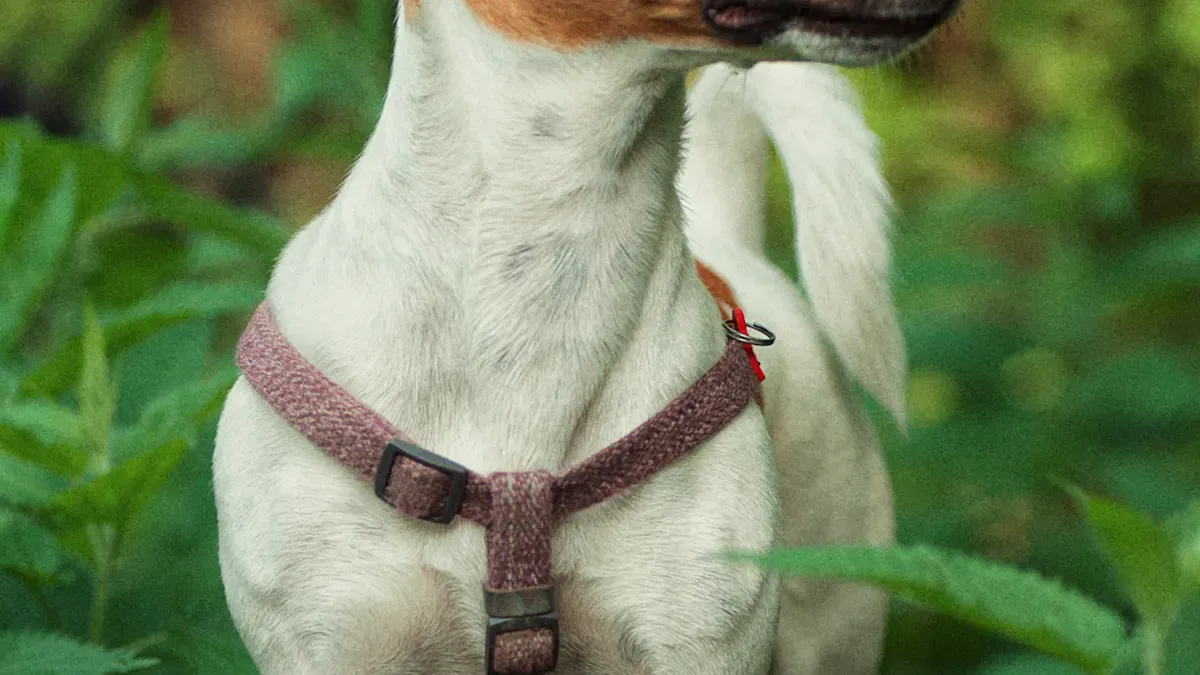
For most medium dogs, the right choice comes down to four questions:
- Does your dog walk calmly, or do you need more steering control?
- Does the chest section stay low and centered once leash pressure starts?
- Can your dog move through a full stride without rubbing or shortening steps?
- Will the materials and coverage still feel reasonable in your usual weather and walk length?
If your dog is steady and already has good leash manners, a lighter back-clip harness is often enough. If your dog pulls, redirects hard, or becomes difficult in busier places, a front-clip or dual-clip setup usually makes more sense. Keep expectations realistic, though. Equipment can improve steering faster than habit change, and quick results versus training timelines are not always the same thing.
The best dog harness for medium dogs should make walks simpler, not more fragile. When a harness fits well, you spend less time correcting drift, less time dealing with rubbing, and less time wondering whether the dog is comfortable. That is usually the clearest sign you made the right choice.
FAQ
Is a back-clip or front-clip harness better for a medium dog?
A back-clip harness usually suits calm walkers, while a front-clip harness usually suits medium dogs that pull or need more steering control.
How do I know if a medium dog harness is too restrictive?
Watch for shortened stride, stiff turns, scratching at the harness, or a chest section that rides up toward the throat once the walk starts.
Should a medium dog wear a harness every day?
Many dogs can wear a harness for daily walks, but it should fit correctly, stay comfortable in motion, and come off after the walk rather than staying on unnecessarily.
What matters more, padding or adjustability?
Adjustability usually matters more because a soft harness with the wrong shape can still twist, rub, or crowd the throat.