
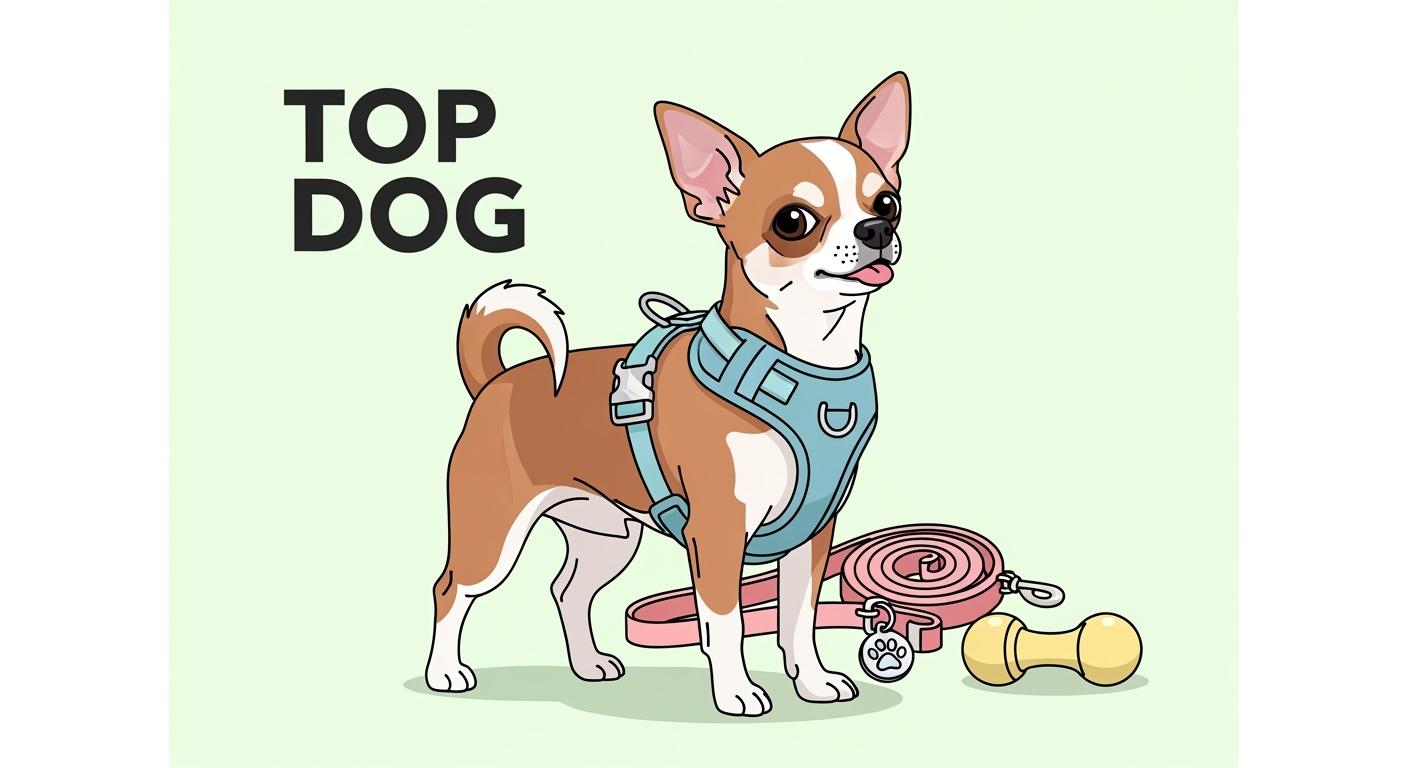
If your Chihuahua can twist backward when a door opens or freeze and pull away when startled, the wrong harness can fail fast. The best dog harness for chihuahua should feel light on a tiny frame, stay centered across the chest, and keep pressure off the throat during normal walks.
That usually means judging the harness by fit and stability, not by how soft it feels in your hand or how quickly it buckles. A harness that looks gentle but shifts sideways, slides toward the neck, or leaves too much space under the belly can be easy for a small dog to back out of.
For most owners, a good starting point is to compare size and material choices for daily walks before focusing on color or padding.
Key Takeaways
- Prioritize chest coverage, neck clearance, and a stable belly strap over quick on and off convenience.
- Test a new harness indoors before the first outdoor walk, especially if your Chihuahua startles easily or backs up when nervous.
- Step-in styles can work well for calm dogs, but a more secure shape is often better for dogs that twist, freeze, or slip backward.
- Check fit before every walk because tiny changes in coat thickness, weight, or strap tension can change how secure the harness feels.
- Stop using any harness that causes coughing, throat pressure, rubbing, or restricted shoulder movement.
Which Harness Style Usually Works Best
Chihuahuas often do best in harnesses that stay low on the chest and include enough adjustment at the neck and belly to prevent drifting. The safest choice is not always the easiest one to put on. Some easy-on styles are fine for calm dogs, but others trade too much security for speed.
| Harness Type | Usually Works Best When | Main Risk to Watch |
|---|---|---|
| Step-in | Your Chihuahua dislikes overhead gear and does not regularly back out | Loose belly fit can make reverse escapes easier |
| Low-bulk vest | You want broader chest contact and less strap twisting | Too much padding can feel warm or bulky in hot weather |
| Overhead | You need a more locked-in shape around chest and shoulders | Anxious dogs may resist if head handling is stressful |
If you are comparing styles, do a short indoor test before clipping on the leash outside. A centered chest panel, steady belly strap, and clear space at the front of the neck matter more than brand claims. Owners who are still dialing in chest depth and strap position often benefit from reviewing dog harness sizing and fit checks before committing to one style.
A harness with several adjustment points also gives you more room to correct a poor fit than a one-shape design. That is one reason many small dogs do better with dog harness options with adjustable chest and belly straps than with single-buckle styles that leave little room for fine tuning.
How to Tell if the Fit Is Secure
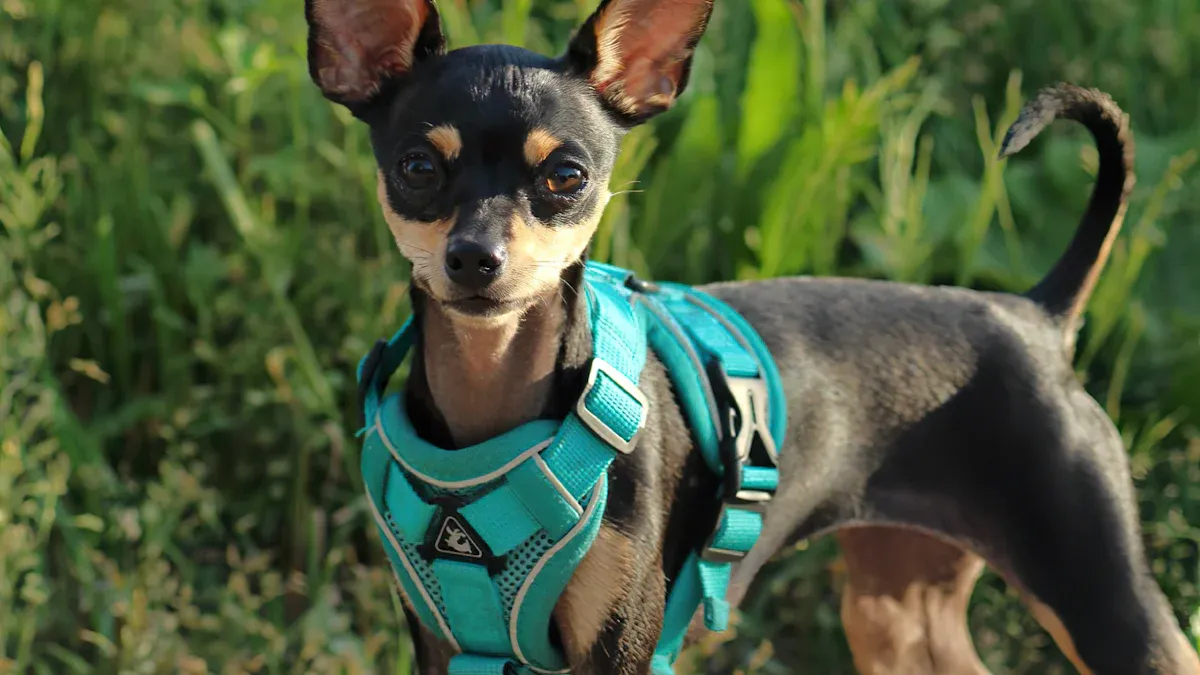
The best dog harness for chihuahua should stay aligned while your dog turns, pauses, and changes pace. You are looking for stable contact across the chest, enough clearance at the neck, and a belly strap that stays in place instead of drifting backward.
| Check Item | Pass Signal | Fail Signal | What to Do |
|---|---|---|---|
| Chest panel | Stays centered during walking and turning | Slides to one side | Re-adjust straps or try a different cut |
| Neck opening | Sits clear of the throat | Rides up into the windpipe area | Loosen, resize, or switch styles |
| Belly strap | Feels secure without sagging | Drops away from the body or shifts back | Tighten evenly and retest indoors |
| Arm opening | Allows free shoulder movement | Rubs the armpit or catches the leg | Adjust placement or reduce bulk |
| Back-out resistance | Dog cannot reverse free with light pressure | Harness loosens or rotates backward | Use a more secure body shape |
For many Chihuahuas, the hardest part is not putting the harness on but getting the final adjustment right. Dogs that wear sweaters in cool weather or are still filling out can drift between sizes, so a small-dog harness adjustment routine for safer walks can help keep the fit consistent.
Tip: A quick indoor loop tells you more than a mirror check. Watch for twisting, shoulder restriction, or a belly strap that starts to travel after a few steps.
When Easy-On Harnesses Are Not the Best Choice
Skip easy-on designs if your Chihuahua has a history of slipping gear, planting their feet and backing up, or spinning when nervous. In those cases, convenience matters less than staying power. A more structured chest shape and a better-placed belly strap usually give you a larger safety margin.
That does not mean every overhead harness is automatically better. Some dogs become tense when gear passes over the head, and tension can make fitting harder. If that sounds familiar, practice putting an overhead harness on before the first walk so you can judge the shape without the added pressure of heading outside right away.
Leash setup matters too. A tiny dog in a secure harness can still feel unstable if the leash hardware is heavy or the length encourages sudden jerks, which is why some owners prefer a harness-and-leash setup matched for fit and leash length instead of treating the harness as a stand-alone fix.
Common Mistakes That Cause Problems Fast
- Choosing the lightest or softest harness without checking whether it stays centered under leash pressure.
- Leaving extra space under the belly because a snug fit looks too close at first glance.
- Ignoring neck pressure because the harness seems secure everywhere else.
- Keeping the same strap settings after coat changes, growth, or weight shifts.
- Taking a brand-new harness straight outside before testing turns, stops, and backward movement indoors.
Failure Signs You Should Not Ignore
| Problem | Likely Cause | What It Usually Means |
|---|---|---|
| Harness twists sideways | Loose chest or belly adjustment | The harness is not stable enough for regular walks |
| Pressure on the throat | Neck opening is too low or shape is wrong | The style may not suit your Chihuahua |
| Leg slips through opening | Armhole is too large or misaligned | Escape risk is higher than it looks |
| Harness slides backward | Belly strap placement is off | Reverse movement could lead to a slip-out |
Note: If the harness causes coughing, obvious fear, or repeated rubbing, stop using it and ask your veterinarian whether a different shape is more appropriate.
What Usually Makes the Best Dog Harness for Chihuahua
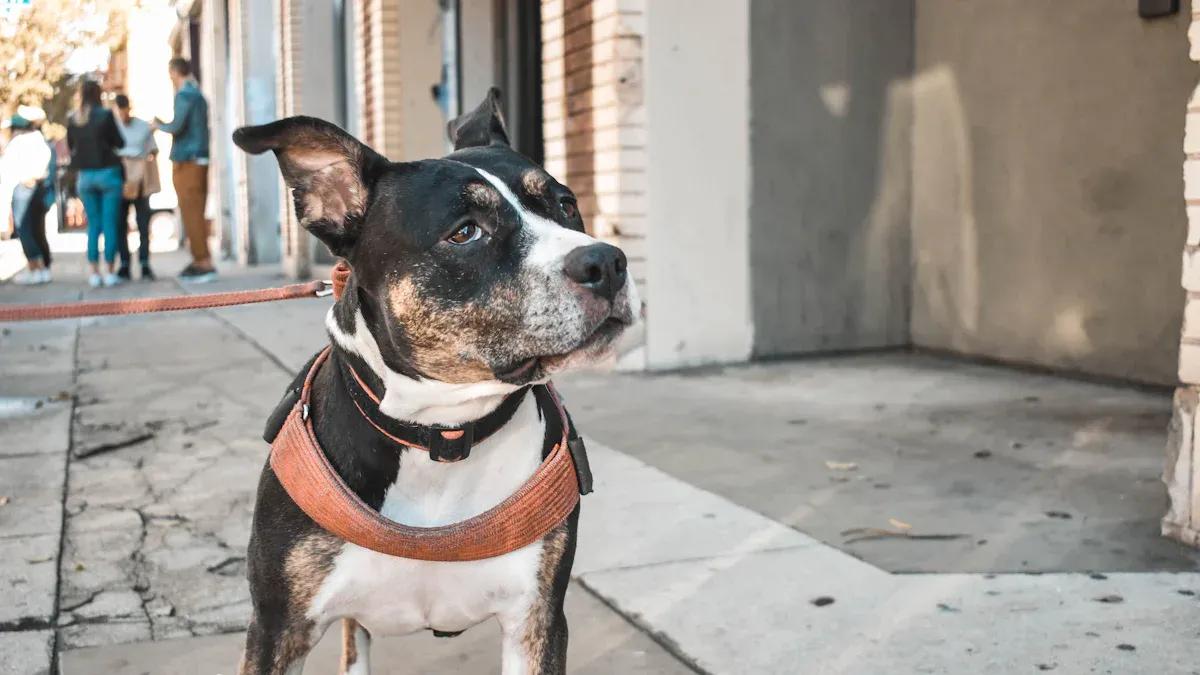
For everyday use, the best dog harness for chihuahua is usually the one that combines four things: low overall weight, enough adjustability to fine-tune the fit, chest-focused pressure, and a shape that does not open an easy path for backing out. Broader coverage can help, but only when it does not create heat, bulk, or armpit rubbing.
In practical terms, look for smooth edges, hardware that does not feel oversized for a toy breed, and a body shape that stays quiet while your dog walks. If a harness needs constant repositioning, it is probably not the right one even if it looks secure on the package.
FAQ
How do you measure a Chihuahua for a harness?
Measure the chest just behind the front legs and the neck at its broadest point, then compare both numbers to the brand’s size chart before adjusting the harness on your dog.
Is a step-in harness good for a Chihuahua?
A step-in harness can work well for a calm Chihuahua, but dogs that back up, twist, or panic often need a shape with better body security.
How often should you check harness fit?
Check before every walk and recheck whenever coat thickness, body weight, or strap tension changes.
What should you do if your Chihuahua slips out once?
Stop using that setup outdoors, inspect where the fit failed, and switch to a more secure shape before trying again.






