
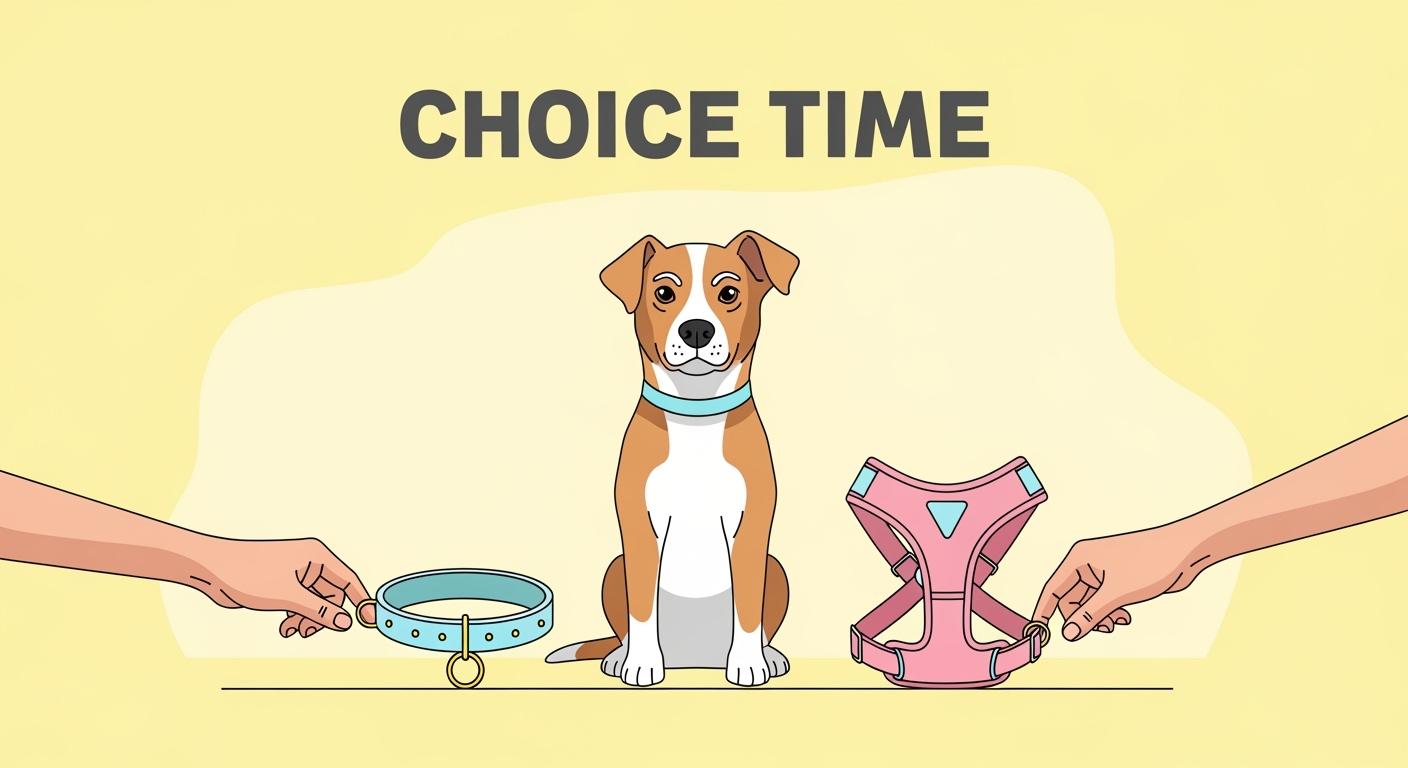
On a walk, the wrong attachment point can turn a simple pull into coughing or a missed stop. This page helps you choose the setup that fits daily walks.
Disclaimer: This is a guide to walking setup choice, not a diagnosis of coughing, neck pain, eye pressure, or behavior disorders.
Key Takeaways
- A calm dog that walks on a loose leash can often do well with a flat collar for tags and light leash use, but that choice usually stops working once pulling becomes part of the routine.
- A chest worn setup usually makes more sense for pullers, brachycephalic dogs, and dogs that cough, brace, twist, or shorten stride when leash pressure lands high on the neck.
- More gear is not usually better gear, and when leash length, clip weight, and chest coverage all need attention, this walking control setup often matters as much as the attachment point itself.
When a Collar Still Makes Sense
Neck worn gear works best when communication is light, because the neck is a small contact area and does not forgive repeated lunges well. For most calm adult dogs on short routine outings, a flat collar can stay practical when the dog does not lean hard into the leash and the handler does not need extra steering help.
| Signal | Why It Matters | Usually a Good Match | What to Watch |
|---|---|---|---|
| Loose leash walking | Low force reaches the neck | Short neighborhood trips | Check that calm stays calm around triggers |
| Reliable stop and turn | Handler needs less steering force | Adult dog with practiced walking skills | Loss of focus can change the fit fast |
| Visible tag access | ID stays easy to spot | Daily wear outside the walk itself | Do not let tags become the only reason to leash from the neck |
| Low gear tolerance | Some dogs dislike extra straps | Quick potty break routine | Watch for coughing, head tossing, or bracing |
A collar usually becomes the weaker option once the dog surges, spins at triggers, or keeps forging ahead through leash tension. If your dog looks calm only until the first distraction, the collar may still be fine for ID, but it may no longer be the best place for walking load.
Why simple can still work
Contact point matters because the same pull feels very different when force lands on the front of the neck instead of the chest and shoulders. But for a dog that truly walks lightly, a flat collar can still be the least fussy setup. It is quick to clip, easy to live with, and often enough for short, low-pressure outings.
Where the collar choice usually breaks down
The weak point shows up once pulling becomes part of the walk. Neck loading rises quickly when the dog surges, braces, or hits the end of the leash more than once. That is why calm adult dogs on easy routes may do fine in a collar, while the same dog on a busier route may suddenly need a different setup.
If you expect frequent stops, stronger pulling, or busier routes, the setup usually works better when the leash load and the tag carrying job are treated as two separate questions. That is why owners who want fewer fitting mistakes often compare chest coverage, clip position, and leash balance against these harness size checks before trusting a size label.
When a Harness Is Usually the Better Choice
Chest support matters because pulling force can be redirected across the sternum and shoulders instead of landing on the throat. For many dogs, that makes the walk easier to manage without relying on leash corrections.
A harness usually deserves extra weight in the decision when your dog is brachycephalic, has a history of coughing under leash tension, startles into sudden lunges, or shows obvious neck sensitivity. It can also make more sense for young dogs still learning leash skills, because the handler often needs steering help before the dog can offer steady loose leash walking.
| Situation | Why Chest Support Usually Helps | Best Use Case | What to Watch |
|---|---|---|---|
| Pulling on routine walks | Force shifts away from the throat | Daily training and neighborhood routes | Front area must stay stable, not twist |
| Brachycephalic build | Airway tissue often benefits from less neck loading | Short to moderate walks with frequent stops | Watch breathing comfort and heat tolerance |
| Small dog with delicate neck | Clip weight and contact area matter more | Light gear with soft chest support | Heavy hardware can still feel awkward |
| Reactive or over aroused dog | Handler often needs redirection, not neck pressure | Controlled routes and training sessions | Harness is not a substitute for behavior work |
A good decision usually depends on shape as much as intent. A well matched training harness fit check often matters more than a promising label, and comparing the dog harness category by chest coverage, strap placement, and clip layout usually gives you a more honest starting point than comparing names alone.
If your dog pulls hardest when the walk gets exciting, these steady control checks for pullers can help you judge whether the chest contact point actually stays useful once real movement starts. Low light walks can also change the choice, because reflective harness and collar visibility tradeoffs sometimes make one setup easier to track than the other.
What usually improves with chest support
For many dogs, the biggest improvement is not that a harness magically fixes pulling. It is that the walk feels easier to manage once force stops landing high on the neck. That usually makes turns, stops, and short redirections feel clearer, especially when the dog is still learning.
What can still go wrong
A harness can still be the wrong answer if the shape is poor, the chest area twists, or the straps interfere with movement. A chest worn option only helps when it stays stable and the dog still moves normally. If the dog shortens stride, braces into the chest panel, or keeps twisting the setup off center, the issue may be fit rather than the idea of a harness itself.
A simple three-walk test tells you more than a quick fitting
Testing matters because the wrong setup often looks fine while the dog is standing still. You usually learn more from a short sequence of ordinary walks than from one quick fitting session in the house.
- Indoor fit check: Do two or three calm fittings over one day and watch whether the dog freezes, paws at the gear, or starts mouth licking as soon as it is fastened.
- Short neighborhood test: Use the setup on several short routine walks across the next two days and watch for coughing, head tossing, shoulder shortening, clip twist, or rubbing after the leash first goes tight.
- Real session test: Use the same setup on a slightly busier route or around mild distractions and watch whether you still get clear control without extra pressure, extra hardware noise, or slower recovery after stops.
Record for three walks before changing setup: route type, contact point used, pull response, stride quality, recovery after stop.
| Field | What to Record | Why It Matters |
|---|---|---|
| Route type | Hallway, sidewalk, park edge, busier block | Context often changes pulling and arousal |
| Contact point | Collar, harness, or separate tag and leash setup | You need to know where force landed |
| Pull response | Steady, sudden surge, repeated bracing, none | This shows whether control stayed usable |
| Stride quality | Normal, shortened, twisting, hopping, stopping | Gait restriction often appears before skin marks |
| Recovery after stop | Settled quickly, stayed tense, scratched, coughed | Recovery often shows whether the setup stayed comfortable |
When Using Both Helps and When It Just Adds Hassle
Using both can work when each piece has a clean job, usually a collar for ID and a harness for leash load. It often becomes messy when both pieces compete for the same job and you end up clipping, unclipping, untangling, and resetting the dog through every short outing.
| Approach | Feel in Use | Usually Strongest Benefit | Main Limitation |
|---|---|---|---|
| Collar only | Fast, light, simple | Works for calm dogs and visible tags | Least forgiving when force lands on the neck |
| Harness only | Steadier under load | Usually better for pullers and sensitive dogs | Bad fit can create rubbing or stride change |
| Collar plus harness | Most secure when roles are separated | Tags stay visible while walking load stays on chest | Extra hardware can slow the routine |
For most ordinary neighborhood walks, one walking contact point usually feels clearer for both dog and handler. If you keep both, the simpler rule is usually best, tags live on the collar, leash load lives on the harness, and the collar does not become a backup correction tool.
When the split-job setup makes sense
Keeping both usually works best when the collar is there for ID and the harness is there for walking. That keeps each piece simple and avoids asking the neck to handle pulling just because the tags are already there.
When both start creating daily friction
The problem is not that using both is always wrong. The problem starts when the routine gets slower, noisier, or more confusing. If every outing means extra clips, extra tangles, or constant readjusting, the setup may be doing more work for you without improving the walk itself.
Common Failure Signs Before You Commit
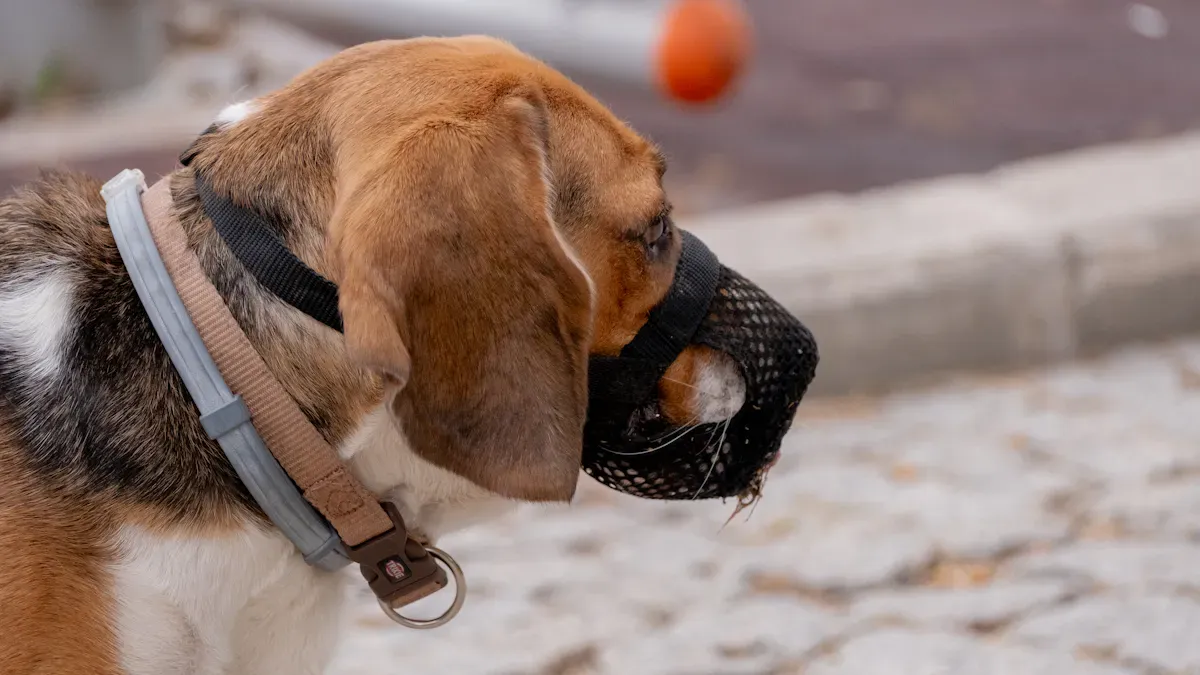
Failure signs matter because dogs often show discomfort in movement before they show it in skin or sound. You usually want to react to early signals rather than wait for a stronger aversion to the walk itself.
- Chest panel creeps upward when the leash goes tight.
- Front stride shortens or turns choppy after a stop.
- Dog keeps shaking the head, pawing the chest, or rubbing on objects.
- Leash path twists around tags, straps, or the front legs.
- Dog hesitates to move forward once tension starts.
| Check Item | Pass Signal | Fail Signal | Improvement Plan |
|---|---|---|---|
| Breathing and throat comfort | No cough, gag, or throat brace on routine tension | Coughing, throat clearing, repeated neck stretch | Move leash load off the neck and retest |
| Stride and shoulder motion | Front legs stay free and even | Short step, twist, or stiff turn | Adjust strap path or try a different shape |
| Handler control | Stops and turns stay clear without yanking | Late response or repeated hard pulls | Change contact point or route difficulty |
| Gear stability | Setup stays centered and quiet | Clip drift, tangling, repeated shifting | Simplify hardware and refit before next walk |
| After walk check | No rub marks and quick settling | Scratching, redness, lingering tension | Shorten session length and change fit or style |
The mistakes that usually cause more problems
The most common mistake is using hardware to solve a training or medical problem that the hardware cannot solve on its own. That usually leads to more clipping, more pressure, and less clarity, not better walking.
Tip: The most common mistake is asking a collar to handle a dog that already pulls hard, because repeated neck loading usually teaches tension, not calmer walking.
When it is time to rethink the whole setup
You should usually rethink the setup if leash reactivity rises, your dog starts walking differently, or the same route suddenly feels harder to manage. A change in walking pattern can come from fit drift, learned frustration, pain, or a route that now exceeds your dog’s coping skills.
| Symptom | Likely Cause | Fast Check | Fix Now |
|---|---|---|---|
| Leash twists or tangles | Too many contact points or drifting clip path | Watch one full stop and turn cycle | Remove unnecessary hardware and retest |
| Coughing on tension | Leash load landing high on the neck | Notice exactly when the cough starts | Shift walking load to chest support |
| Scratching or rubbing after walk | Poor strap path or unstable chest coverage | Check skin and coat where straps sit | Refit, shorten session, or change shape |
| Dog freezes or backs away | Gear predicts stress or restricts motion | Repeat a calm indoor fitting | Slow the introduction and simplify the routine |
| Handler still cannot redirect | Route, arousal, and skill mismatch | Compare quiet route versus busy route | Lower route difficulty and add behavior support |
Disclaimer: If coughing, eye changes, fainting, or mobility changes appear outside leash moments, gear choice is not enough and your veterinarian should guide the next step.
FAQ
Is one option usually enough for daily walks?
For many dogs, one well matched walking contact point is enough, while a separate collar for tags can still make sense when the leash load stays on a harness.
Does a harness always mean better control?
No, a harness usually helps only when the shape stays stable, the route suits the dog, and the handler is not relying on gear instead of timing and training.
When should I stop using a collar for leash walking?
You should usually stop using a collar as the main walking contact point when your dog coughs, braces, lunges, or shows repeated neck sensitivity under leash tension.
Final Decision Summary
- Choose the option that keeps force on the least sensitive area for your dog while still letting you make clear, calm turns and stops.
- Trust repeated walk observations more than product claims, especially when coughing, twist, or shortened stride show up only after movement starts.
- If you keep both pieces, the cleanest routine usually assigns tags to the collar and walking load to the harness.
Note: This FAQ and comparison help with walking setup decisions, but persistent pulling linked to fear, pain, or panic usually needs veterinary or behavior guidance in addition to gear changes.






