
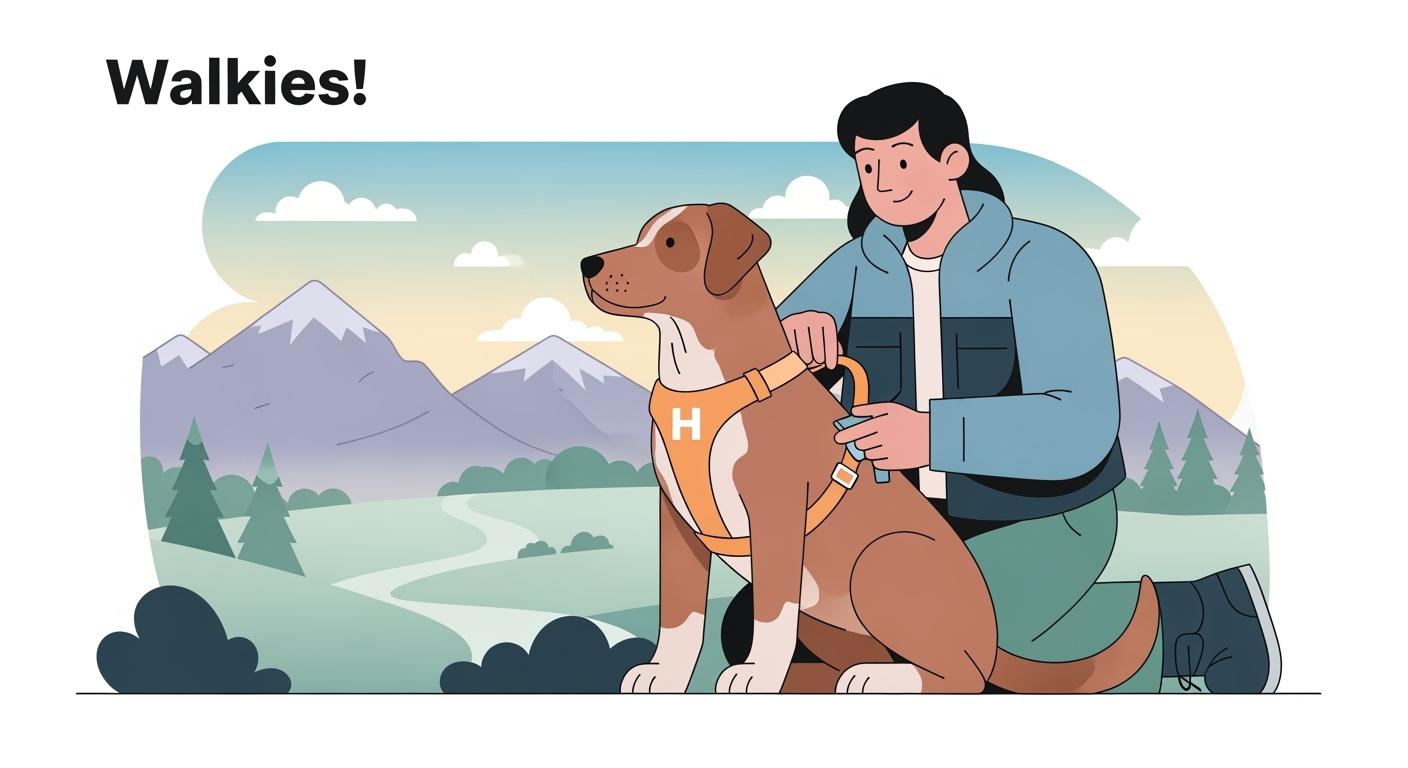
You want your dog to feel good and safe on walks. Picking the right front range dog harness is important. Always measure your dog at the neck base. Also measure at the widest part of the chest. Check if the harness can be adjusted. Watch out for these common mistakes:
- Buying only by weight
- Letting the chest part hang too low
- Thinking every harness fits all dogs
- Not noticing signs your dog is uncomfortable
Think about your dog’s size, activity, and behavior for the best comfort.
Key Takeaways
- Always measure your dog’s neck and chest before buying a harness. This ensures a proper fit and keeps your dog safe.
- Check the harness fit regularly. Adjust straps as needed to prevent discomfort or escape during walks.
- Choose the right clip style based on your dog’s behavior. Front clips help with pulling, while back clips are great for calm walks.
Front Range Dog Harness Fit Checks
Choosing the right front range dog harness starts with careful fit checks. You want your dog to feel comfortable and secure every time you walk. Follow these steps to measure and fit your dog harness for everyday use.
Neck-base and chest fit
Start by measuring your dog’s neck at the base, where it meets the shoulders. Next, measure the widest part of the chest. These measurements help you select the right harness size. When you put the harness on, check for a snug fit. You should slide one finger under the straps for small dogs, or two fingers for large breeds. The harness should not pinch or gap. If the harness feels loose, your dog may slip out. If it feels tight, your dog may feel restricted.
Tip: Always check the harness after your dog moves. A harness can look correct when your dog stands still, but shift during walking or turning.
Shoulder freedom and rub risk
Your dog needs freedom to move the shoulders. Watch your dog walk and turn. The harness should not block the shoulder blades or rub against the skin. Some front range dog harness designs can press on the shoulders if the fit is wrong. Look for signs of rubbing, like hair loss or red spots. If you see these signs, adjust the harness or try a different size. A snug fit should allow movement without causing discomfort.
Signs of poor fit or easy escape
You must check for signs that the harness does not fit well. If your dog can back out of the harness, the fit is too loose. If the chest strap hangs low, the harness may shift and cause rubbing. Watch for your dog chewing or scratching at the harness. These behaviors often mean the harness feels uncomfortable. Test the harness by walking your dog and gently pulling backward. If the harness stays in place, you have a secure fit.
Pass/fail fit checklist
Use this checklist to quickly screen the fit of your front range dog harness. Check each item before your first walk.
| Check Item | Pass Signal | Fail Signal | Solution |
|---|---|---|---|
| Neck-base fit | Straps sit at neck base, snug fit | Straps slip or gap, too tight | Adjust straps or try new size |
| Chest fit | Harness sits at widest chest, snug fit | Chest strap hangs low or pinches | Adjust chest strap or size |
| Shoulder freedom | Dog moves freely, no rub marks | Harness blocks shoulders, rubs skin | Adjust fit or try new design |
| Back-out resistance | Harness stays on during backing up | Dog slips out or harness shifts | Tighten straps, check sizing |
| Rub risk after walking | No signs of discomfort or rubbing | Red spots, hair loss, chewing | Adjust fit, check for padding |
Note: Always check the harness during movement. A harness can pass at rest but fail during active walking.
You solve most fit problems by adjusting the straps or choosing a different size. You protect your dog by checking the fit before every walk. You keep your dog comfortable by looking for a snug fit that allows movement.
Clip Options and Everyday Use
Front, back, and dual-clip choices
You have three main clip options when choosing a dog harness. The front clip sits on your dog’s chest. It can help you guide your dog and redirect pulling. The back clip sits on your dog’s shoulders. This option works well for calm walks and dogs that do not pull. Dual-clip harnesses give you both options. You can switch between front and back clips for training or different activities. Always check that the clip points feel sturdy and easy to use.
Control and safety during walks
You want control and safety every time you walk your dog. The front clip can help you steer your dog if they pull or lunge. The back clip feels simple and works best for relaxed walks. Dual-clip harnesses let you adjust your control as your dog learns. Make sure the dog harness fits well and does not twist or tangle. Always supervise your dog when using a front range dog harness.
Common dog harness mistakes
Many people make mistakes when picking or using a dog harness. Some buy only by size label and skip measuring. Others ignore shoulder freedom, which can cause rubbing or limit movement. Some expect the front clip to stop all pulling, but it works best with training. Leaving a harness on when unsupervised can risk tangling. Choosing a harness with too much padding or soft material can trap heat and moisture, making your dog uncomfortable.
Comparison table
| Feature | Front Clip | Back Clip | Dual Clip |
|---|---|---|---|
| Control Level | High (for training) | Moderate | Adjustable |
| Webbing Style | Lightweight | Lightweight | Full-coverage |
| Material Options | Mesh, padded | Mesh, padded | Mesh, padded |
| Best For | Training, redirection | Everyday walks | Versatile use |
| Harness Type | Control harness | Everyday harness | Control & everyday |
Tip: Always match the dog harness clip style to your dog’s needs and your walking routine.
Quality and Comfort in Dog Harness Materials
Breathability and padding
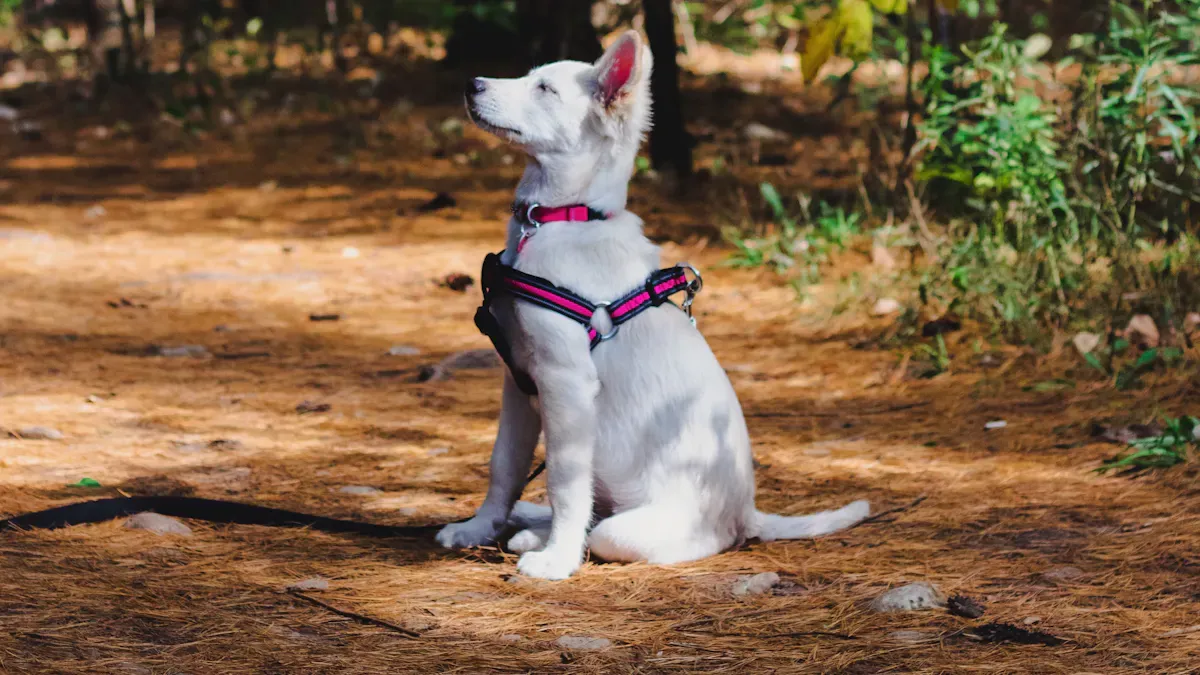
You want your dog to feel good on every walk. Good harnesses use neoprene padding that can handle weather. Sport mesh lining lets air move through and keeps your dog cool. Soft back panels made from special webbing are not bulky and let air flow. These things help stop your dog from getting too hot or having skin problems. When you pick a harness, look for materials that are both soft and let air in.
| Feature | Description |
|---|---|
| Padded Neoprene | Feels good for long walks |
| Breathable Mesh | Helps your dog stay cool |
| Adjustable Fit | Fits well and feels good for all dogs |
Webbing, stitching, and hardware
Good harnesses use strong webbing, tough stitching, and hard hardware. Waterproof webbing, nylon blends, or Cordura duck nylon last a long time. Double stitching at stress spots helps stop rips. Metal buckles and D-rings keep the leash on tight. Reflective parts help you see your dog when it is dark. You should look at the harness for damage before every walk.
Cleaning and care tips
Always read the care label on your harness. Most harnesses clean up with mild soap and water. Let the harness dry all the way before using it again. For extra safety, clean it after muddy walks or if your dog has skin problems. Do not use harsh cleaners that can hurt the padding or webbing. Cleaning the harness often keeps it comfy and strong.
Safety tip: If you see skin problems, tight movement, or your dog can get out, stop using the harness and try a new fit or material.
Troubleshooting table
| Problem Symptom | Possible Cause | Quick Check | Solution |
|---|---|---|---|
| Harness shifts off center | Chest fit too loose | Walk and watch harness position | Tighten straps or try new size |
| Rubbing behind front legs | Belly strap too far forward | Look for red spots or hair loss | Move strap or check seam finish |
| Dog feels restricted | Neck opening too tight | Watch how your dog walks | Loosen neck or try new shape |
| Dog can back out | Neck or chest too loose | Try to gently pull harness off | Refit and check again |
| Handle feels awkward | Handle placed too high | Try lifting harness by handle | Pick a flatter handle style |
You need to pick a dog harness that fits right. Make sure the straps can be adjusted for your dog. Good fit and strong materials are important. Check the harness often and keep it clean. Adjustable straps help you use the harness in different ways. A harness that fits well and can be changed keeps your dog safe and comfy every day.
FAQ
How often should you check your dog’s harness fit?
You should check the fit every week. Dogs can change shape with age, weight, or coat growth. Adjust the harness as needed.
Can your dog wear a harness all day?
You should remove the harness when your dog is unsupervised or resting. This prevents rubbing, tangling, and skin problems.
What should you do if your dog dislikes the harness?
Let your dog sniff the harness first. Use treats and praise. Put it on for short periods. Increase time slowly to build comfort.






