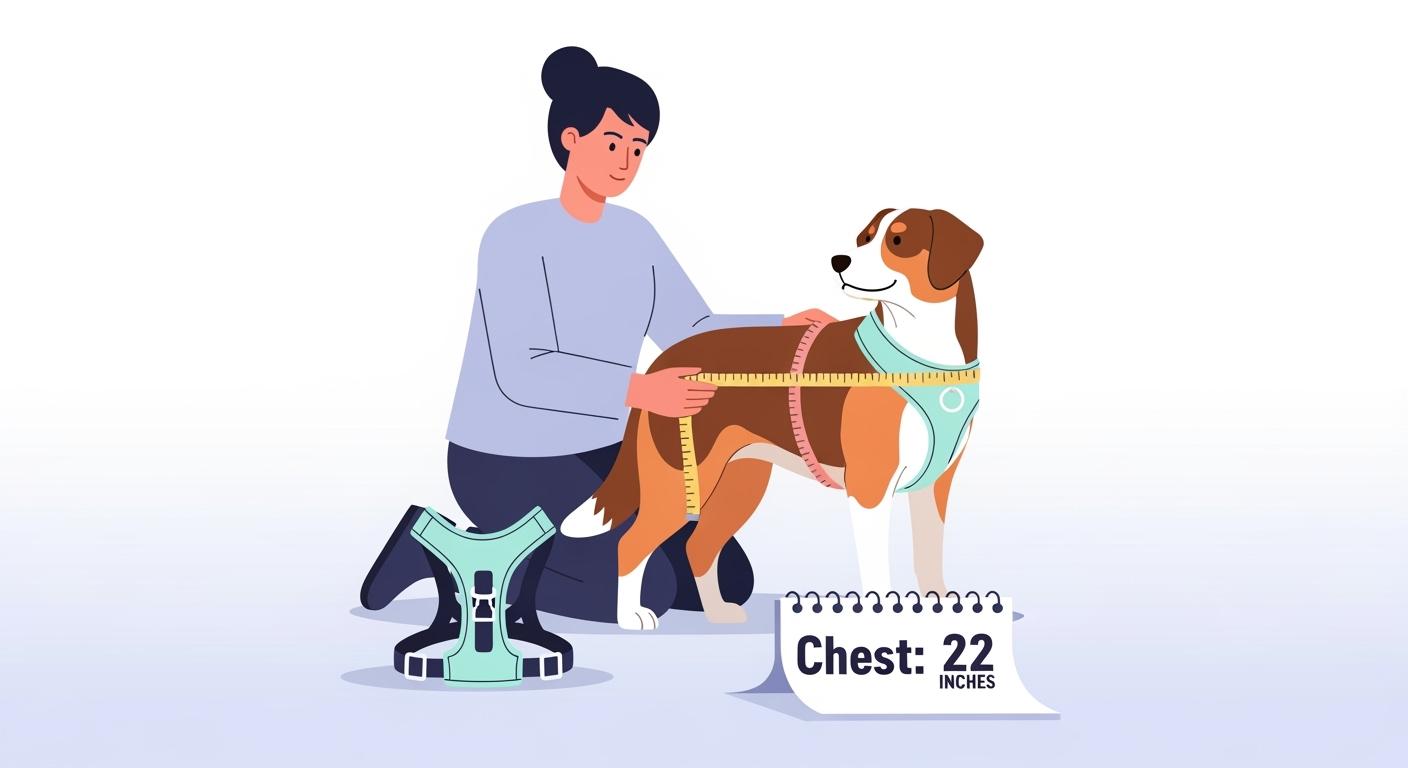
To learn how to measure for a harness for a dog, you need to find two key spots. The first is the chest girth, which is located behind the front legs. The second is the neck base at the shoulders. Accurate measuring is essential to ensure your dog stays safe and comfortable. Many people make mistakes when measuring for a harness; some rely on weight instead of taking actual measurements, while others purchase for a small dog without checking the size. Additionally, some forget to consider adjustability. Start by getting a cloth tape or string and a ruler. Ensure your dog remains calm during the measuring process.
Key Takeaways
- Measure your dog’s chest girth and neck base accurately. Use a cloth tape for the best results and avoid measuring over thick fur.
- Follow the two-finger fit rule. This ensures the harness is snug but not too tight, keeping your dog safe and comfortable.
- Always check the harness fit after putting it on. Look for signs of discomfort, like rubbing or reluctance to walk, and adjust as needed.
How to Measure for a Harness for a Dog: Tools and Setup
Before you begin, gather your tools and prepare your dog. Use a soft cloth measuring tape for the most accurate results. If you do not have one, a piece of string and a ruler will work. Make sure your dog stands on a flat surface and stays calm. This helps you get the best fit for the harness.
Measuring Tape vs String Method
A flexible cloth tape wraps smoothly around your dog’s body. This tool gives you the most precise numbers. If you use string, mark the length around the chest or neck, then lay it flat against a ruler. Always keep the tape or string level and snug, but not tight. Avoid measuring over thick fur or when your dog is sitting, as this can lead to mistakes.
| Method | Accuracy | Best Practice | Common Errors |
|---|---|---|---|
| Cloth Tape | High | Wrap flat and level | Twisting, too loose/tight |
| String + Ruler | Moderate | Mark and measure immediately | Stretching, uneven tension |
Dog Positioning for Accurate Results
Ask your dog to stand naturally with all four paws on the ground. This position shows the true shape of the chest and neck base. Calm your dog with gentle words or treats. A relaxed dog helps you measure without sudden movements.
Harness vs Collar Position
Measure the chest girth at the widest part, just behind the front legs. For the neck, measure at the base where the neck meets the shoulders. Do not use the higher collar spot. These points are commonly used for a safe and comfortable harness fit.
| Measurement Type | Description |
|---|---|
| Chest girth | Measure around the widest rib area. |
| Neck base circumference | Measure around the base of the neck. |
| General fitting rule | Two fingers should fit comfortably under straps. |
Safety Tip: Always follow local rules and consult your veterinarian if you have health concerns about your dog.
Dog Harness Sizing Steps
Measuring Chest Girth
You want your dog harness to fit securely and comfortably. Start by measuring your dog’s chest girth. This is the most important step for getting the right size.
- Ask your dog to stand on all four legs. Make sure your dog stands straight and relaxed.
- Take a cloth measuring tape and wrap it around the widest part of the chest, just behind the front legs. This is where the dog harness will sit.
- Hold the tape level and snug. You should be able to slip two fingers under the tape. This checks for comfort and safety.
- Write down the chest girth measurement. Repeat the measurement once or twice to make sure you get the same number each time.
Tip: Do not measure over thick fur. Press gently to get the true body size.
Measuring Neck Base
The neck base is where the harness sits, not where a collar goes. You need this measurement for a proper fit.
- Place the tape around the base of your dog’s neck, where the neck meets the shoulders.
- Keep the tape snug but not tight. You should feel the tape touch the skin without squeezing.
- Record the neck base measurement. Repeat this step to double-check your result.
Note: Always measure at the harness position, not the higher collar spot.
Recording Measurements for Sizing Charts
After you measure your dog’s chest girth and neck base, compare your numbers to the size chart for your chosen dog harness. Each harness style may have a different size chart, so always check the one that matches your product.
| Common Fit Issues | Description |
|---|---|
| Guessing chest size instead of measuring | Increases risk of escape due to poor fit. |
| Buying too big ‘to grow into’ | Loose harnesses allow escape, cause chafing, and encourage pulling. |
| Ignoring chest depth in deep-chested breeds | Short harnesses on Greyhounds or Shepherds rub armpits and restrict motion. |
If your dog falls between two sizes, choose the size that matches the chest girth most closely. Prioritize a snug chest fit and look for a harness with an adjustment range. This helps you get a secure and comfortable fit. Always check the fitting guide for details and breed-specific advice.
Fit and Safety Checks for Your Dog Harness
Two-Finger Fit Rule
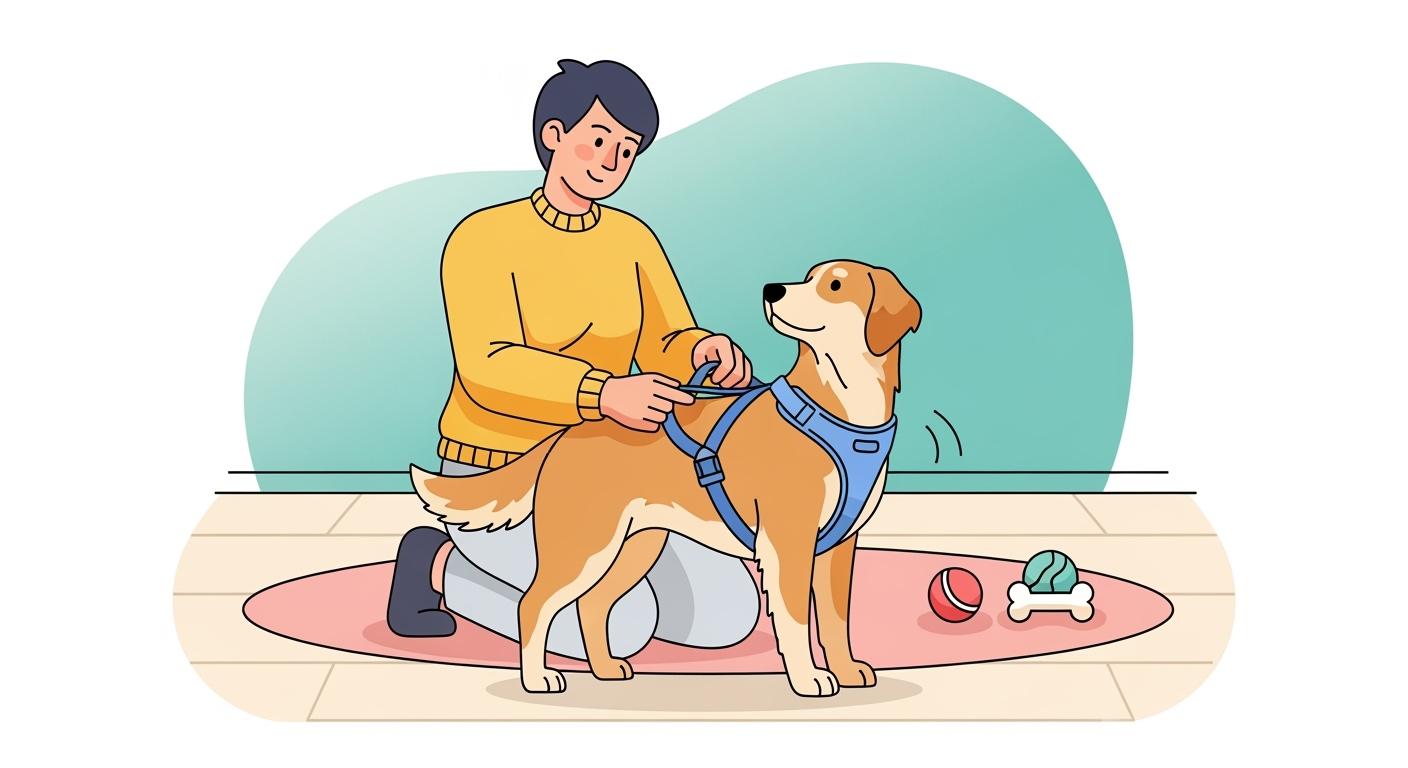
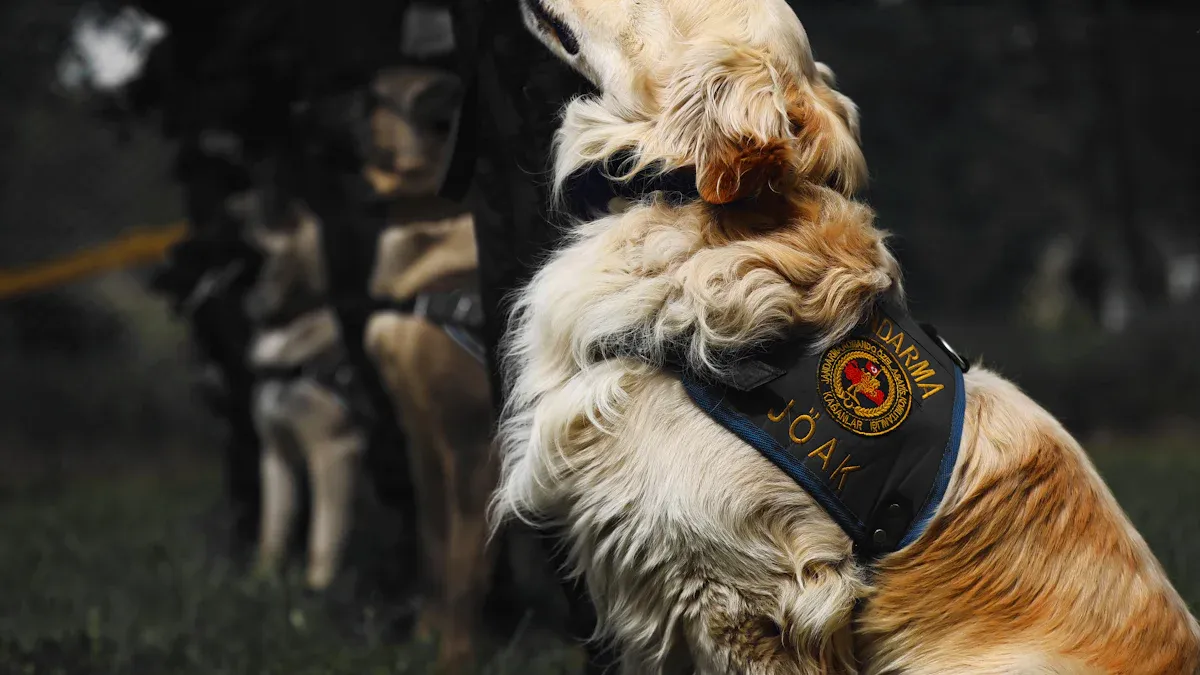
You want your fitting to keep your dog safe and comfortable. The two-finger fit rule helps you check this. Slide two fingers under the harness straps during fitting. If your fingers fit easily, the harness is snug but not too tight. This fitting method protects your dog from discomfort and keeps the harness secure.
Strap Placement and Chafe Check
Check the fitting by looking at where the straps sit. Straps should rest flat and smooth against your dog’s body. Good fitting means no rubbing at the armpits or elbows. If you see red spots or hair loss, adjust the fitting right away. Proper fitting keeps your dog happy and prevents chafing.
Movement and Stability Check
Watch your dog walk and turn. The harness fitting should let your dog move freely. The harness should stay centered and not twist. If the harness shifts or your dog hesitates, review your fitting steps. A stable fitting supports natural movement.
| Check Item | Pass Signal | Fail Signal | Fix |
|---|---|---|---|
| Two-finger rule | Fingers fit easily | Too tight or too loose | Adjust straps |
| Strap placement | No rubbing or marks | Redness or hair loss | Reposition or loosen straps |
| Centering | Harness stays centered | Harness rotates | Tighten chest fitting |
| Gait | Dog walks naturally | Hesitation or limping | Loosen fitting, check size |
Troubleshooting Table for Fit Issues
| Symptom | Likely Cause | Fast Check | Fix |
|---|---|---|---|
| Harness slips | Fitting too loose | Try two-finger rule | Tighten straps |
| Rubbing | Poor strap placement | Check armpits/elbows | Adjust fitting |
| Harness rotates | Uneven fitting | Observe during turns | Center and retighten |
| Restricted movement | Fitting too tight | Watch walking and sitting | Loosen fitting |
You ensure a proper harness fit by following these steps:
- Gather your tools and measure your dog’s chest girth and neck base.
- Double-check your numbers against sizing charts.
- Watch for signs like reluctance to walk or scratching at the harness.
- Adjust as needed for comfort and safety.
FAQ
Where should you measure your dog for a harness?
You should measure your dog’s chest girth behind the front legs and the neck base at the shoulders. These spots give the most accurate fit.
Why is chest measurement more reliable than weight for harness sizing?
Chest girth shows your dog’s true body size. Weight can vary by breed and shape. Always use a measuring tape for the best fit.
What should you do if your dog is between harness sizes?
Choose the larger size for comfort. Adjust the straps for a snug fit. Check that you can slip two fingers under the harness.