
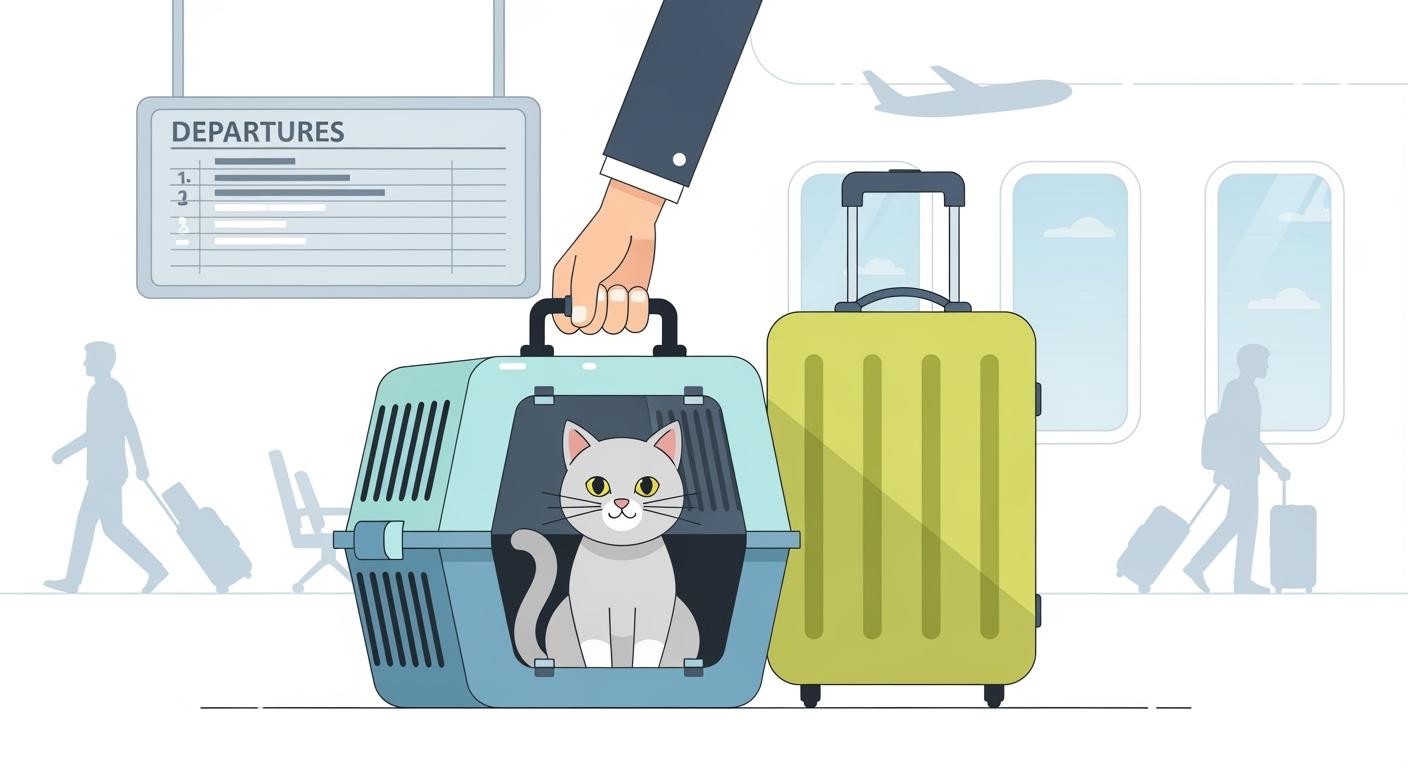
You have to think about many things when you travel with your pet. First, look at airline rules for pet carrier for plane travel. People often pick the wrong carrier. Some do not help their pet get used to it. Others forget about stress.
Stop surprises by measuring early and letting your pet try the carrier.
Key Takeaways
Always look at your airline’s pet carrier rules before you book. Every airline has its own size and weight rules. These rules can change often.
Measure your pet and the carrier to make sure your pet can stand, turn, and lie down easily. This helps you avoid problems at the airport.
Let your pet get used to the carrier at home before you travel. This makes your pet less nervous and helps your pet feel safe on the flight.
Airline-Friendly Pet Carrier Rules for Plane Travel
Airline Policies and Seat Space Limits
“Airline-friendly” does not mean every airline will take your pet carrier for plane travel. Each airline has its own rules. These rules can change by plane, route, or seat. Always check the airline’s website before you book. Airlines change their rules often, so do not trust old info.
Most airlines let you bring in cabin pet carriers. They have size limits. The carrier must fit under the seat in front of you. Window or bulkhead seats may have less space. Some airlines have weight limits for the pet and carrier together. Measure your carrier and check the airline’s size rules.
Here is a table with the main rules for three big airlines:
Airline | In Cabin Allowed | Max Carrier Size (Approx.) | Weight Limit With Pet | One Way Pet Fee | Notes |
|---|---|---|---|---|---|
American Airlines | Yes | Up to 18 x 11 x 11 in | No stated limit | About $125 | Not allowed on some aircraft types |
Delta Air Lines | Yes | Up to 18 x 11 x 11 in | No stated limit | $95 to $125 | Seasonal and heat-related limits |
United Airlines | Yes | Up to 18 x 11 x 11 in | No stated limit | About $125 | Advance pet reservation required |
The size limit is about 18 x 11 x 11 inches for these airlines. This is the usual size for airline-approved pet carriers in the U.S. Always check your seat’s under-seat space. Some planes have smaller spaces.
Common Rule Surprises and Fit Issues
Travelers often miss small rule details. Some airlines only let one pet in each carrier. Others do not let pets in the cabin on some planes. Your carrier might fit the size rule but not fit under the seat. This can happen because of seat supports or boxes. Check the seat map and ask the airline if you are unsure.
Airlines post their pet carrier rules on their websites. These sites have clear and easy info. You can use other sites that list airline pet rules, but always check with the airline before you fly.
A common mistake is buying a carrier that says “airline-approved” but does not fit the seat. Measure your pet and the carrier. Make sure your pet can stand, turn, and lie down. If your pet cannot do this, the airline may not let you board.
Here is a table with usual sizes and weight limits for different places:
Region | Weight Limit (kg) | Weight Limit (lbs) | Dimensions (inches) |
|---|---|---|---|
Europe | 8 | 17.6 | N/A |
Canada | 10 | 22 | N/A |
United States | N/A | N/A | ~18 × 11 × 11 |
Asia | 6–10 | N/A | N/A |
Middle East | N/A | N/A | N/A |
Use these numbers as a guide, but always check your airline’s rules.
Tip: Measure your carrier with your pet inside. Some carriers change shape when loaded, which can change the fit.
Setting Realistic Expectations
Set real expectations when picking an airline pet carrier. “Airline-approved” is just a start. Check the rules for your airline, flight, and seat. Think about your pet’s comfort too. The best airline-approved carrier will help your pet sit well and keep them safe.
For long flights, pick a carrier with good air flow and a strong base. If you want a cheap airline approved carrier, make sure it still fits all the rules. For cats, the best airline approved carrier for cats has safe locks and enough space for your cat to move.
Some airlines, like WestJet, have their own approved pet carriers. Check for westjet approved pet carriers if you fly with them. Always read the rules before you buy. This helps you avoid last-minute surprises and cuts down on returns.
Over 4 million pets fly each year. Good planning helps you and your pet have a smooth trip. You can avoid most problems by checking the rules, measuring your carrier, and getting ready early.
Fit Checks for Pet Carrier for Plane Travel
Measuring Pet Comfort and Supported Posture
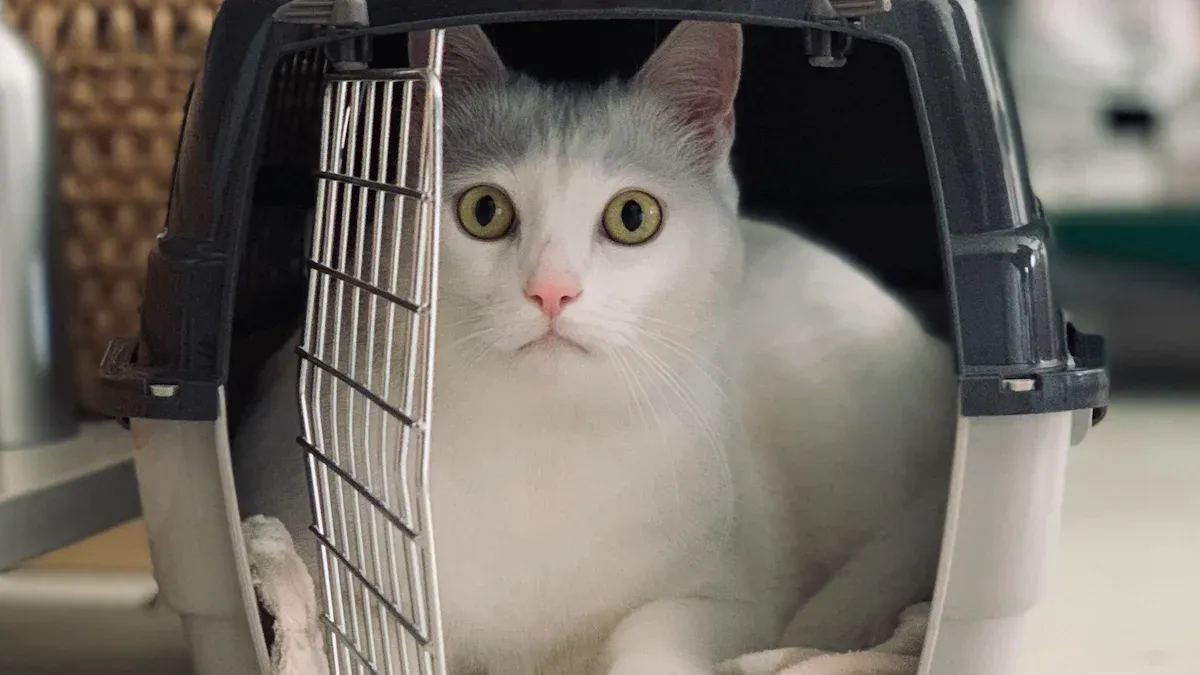
You want your pet to feel safe and happy on the plane. First, measure your pet in a few ways. Your pet should sit, stand, turn, and lie down inside the carrier. Use a tape measure for the length from nose to tail base. Measure the height from the ground to the elbow. Check the width at the shoulders or the widest spot. Measure from the top of the head or ear tip to the floor when your pet stands. Add a few inches for bedding so your pet is cozy.
For most pets, use these steps to find the right size:
Kennel length is nose-to-tail plus half the elbow height.
Kennel width is two times the shoulder width.
Kennel height is standing height plus bedding.
If your pet has a short nose, get a bigger carrier. This helps your pet stay calm and not twist or slump. Watch for signs like pawing, slumping, or panic. These mean the carrier is too small or tight.
Tip: Always check the inside space, not just the outside. Your pet needs room to move and rest.
Under-Seat Compatibility and Stowage
Airlines want the carrier under the seat in front of you. Not all seats have the same space. Some seats have boxes or supports that block the area. Check the seat map and ask about under-seat space before you fly. Make sure the carrier fits without bending or sagging.
A steady carrier is important. It should not tip or slide when you walk. Look for a strong base and good shape. Make sure air panels are open. Do not use thick pads that block air. Your pet needs fresh air, especially if it is warm.
Note: If the carrier sags or blocks vents, your pet may get hot or upset. Pick a carrier with open panels and a base that stays firm.
Buyer Checklist Table: Fit, Verification, and Wording
You can stop returns and problems by using a checklist before you buy or sell a pet carrier for plane travel. This table helps you check fit, posture, and under-seat space. It also checks structure, air flow, closure safety, pocket use, cleaning, and odor control.
Check Area | Verification Content | Reason to Prevent Returns | Customer-Facing Wording |
|---|---|---|---|
Available Internal Space | Pet can sit, stand, turn, and lie down | Avoid discomfort and sizing errors | “Your pet can move freely inside.” |
Under-Seat Compatibility | Carrier fits under seat without bending | Prevent boarding issues | “Fits most airline under-seat spaces.” |
Structure & Anti-Sag Performance | Base stays flat and firm when loaded | Stop sagging and tipping complaints | “Stable base keeps carrier upright.” |
Ventilation Panel Placement | Panels remain clear and unblocked | Reduce heat and airflow problems | “Ventilation panels allow fresh air.” |
Closure Security & Escape Risk | Zippers and locks stay closed under stress | Prevent escapes and anxiety | “Secure closures keep your pet safe.” |
Pocket Volume & Balance | Pockets hold essentials without tipping | Avoid balance and storage issues | “Balanced pockets for easy access.” |
Cleaning Method & Drying | Easy to wipe and dries quickly | Reduce cleaning and odor complaints | “Quick-clean surfaces and fast drying.” |
Odor & Hair Management | Liners resist odor and hair buildup | Prevent repeat-use friction | “Odor-resistant and easy to clean.” |
📝 Use this checklist to check every carrier before you buy or sell. This can help lower returns and keep people happy.
Comfort and Handling for Airline-Approved Pet Carriers
Entry, Closure, and Escape Prevention
You want your pet to feel safe and secure inside the carrier. Always check that the entry opens wide enough for easy access. Test the zippers and locks to make sure they close tightly. Secure closures help prevent escapes and lower anxiety. If your pet claws at the zipper or pushes the opening, stop and check for gaps. Many airline-approved pet carriers use reinforced seams and sturdy mesh to boost safety.
Ventilation and Heat Considerations
Good airflow is key for your pet’s comfort and safety. Look for large mesh windows on both sides of the carrier. These windows let air move freely and help control temperature. Proper ventilation prevents overheating, especially in warm airports or planes. Pets cool themselves by panting, so blocked airflow can cause stress or even heat problems. Remember, ventilation does not cool below the room’s temperature. Avoid thick pads or covers that block air panels.
Breathable carriers have mesh windows for airflow.
Airflow helps pets stay cool and calm.
Poor ventilation can raise stress and body temperature.
Handling at Check-In and Security
You must follow airline requirements at check-in and security. Go to the ticket counter, not curbside check-in. Your pet carrier for plane travel must fit under the seat and meet all safety rules. At security, you will remove your pet from the carrier. Hold your pet in your arms while the empty carrier goes through the X-ray machine. This step is different from other carry-ons and keeps your pet safe during screening.
Carriers must be leak-proof, secure, and well-ventilated.
Pets must stand, turn, and lie down inside.
Only soft-sided airline-approved pet carriers are allowed in most cabins.
Pre-Travel Test Routine
Follow these steps to help your pet adjust before flying:
Place the carrier at home and let your pet explore calmly.
Close the carrier and check for steady breathing and calmness.
Carry the loaded carrier to test for sag or swing.
Gently scratch the closure to test zipper strength.
Take a short car ride to see how your pet reacts to movement.
Stop and reassess if your pet cannot settle or shows stress.
Tip: Bring a favorite blanket or toy to help your pet feel secure. Avoid feeding right before travel to reduce motion sickness.
Troubleshooting and Common Mistakes with Pet Carriers
Frequent Sizing and Comfort Errors
Many people return airline-approved pet carriers because of sizing and comfort problems. Some buyers pick a carrier just for its looks or price. Others hide the carrier, so pets get scared of it. Some only use the carrier for vet trips or force pets inside when they are upset. These things make pets more nervous and less willing to use the carrier. Not strapping the carrier in the car can make travel unsafe. Blocking all the air holes in cold weather can also stress your pet. When you pick a carrier, think about how it works, how safe it is, and if your pet will feel good inside.
Mistake | Why It Matters |
|---|---|
Storing the carrier out of sight | Pet may fear the carrier |
Using only for negative events | Pet avoids the carrier |
Forcing a stressed pet inside | Increases trauma and future resistance |
Forgetting to secure in vehicle | Reduces safety during travel |
Blocking all ventilation | Pet needs airflow for comfort |
Choosing based only on looks | Function and safety should come first |
Troubleshooting Table: Issues and Solutions
You can fix most fit and comfort problems with easy steps. Pick a size that lets your pet stand, turn, and lie down. Add a soft cushion to help your pet feel cozy. Use dividers to keep pets and bags apart. Switch between two liners to keep things clean. Try new cleaners on a small spot first. Change liners often. Do not use steam cleaners or soak liners for a long time.
Issue | Solution |
|---|---|
Pet cannot settle | Stop, reassess, and check sizing and comfort |
Carrier sags or tips | Use a stable base and check under-seat fit |
Odor or hair buildup | Clean with brush, vacuum, and pet-safe cleaners |
Zipper push or escape risk | Check closure strength and reduce stress triggers |
Poor airflow | Keep mesh panels clear and avoid thick inserts |
Anxiety in carrier | Add familiar items, try calming tools, exercise pet |
FAQ Block: Sizing, Cleaning, Anxiety, and Alternatives
Frequently Asked Questions
What does “airline compliant” really mean?
It means the carrier follows airline rules for size, air flow, and safety. Always check your airline’s rules before you fly.How do I set under-seat space expectations?
Look at the seat map and measure the space before you go. Not every seat fits every airline-approved pet carrier.How do I judge internal space for my pet?
Your pet should be able to stand, turn, and lie down inside. Always check the inside space, not just the outside.How can I reduce zipper push or escape risk?
Pick carriers with strong zippers and locks. Watch if your pet paws or pushes at the zipper a lot.How do I ease pet stress without force?
Let your pet explore the carrier at home. Give treats and never push your pet inside.How do I maintain airflow?
Keep mesh panels open and do not block them with pads or bags.What are the basics of cleaning and deodorizing?
Take out bedding, brush off hair, vacuum, clean stains, wash, disinfect, rinse, and let it dry all the way.When are these products unsuitable?
Do not use if your pet gets very anxious, gets too hot, or has trouble moving.What steps reduce pre-purchase returns?
Check the size, under-seat fit, closure strength, and cleaning needs before you buy.What should I do if my pet cannot settle?
Stop, check fit and comfort, and try calming tools or westjet approved pet carriers.
You will not have last-minute problems if you check airline rules early. Measure your pet and the carrier before you travel. Get your pet used to the carrier ahead of time. Make a checklist to help you stay ready and calm.
Packing is easy and you do not forget things.
You bring everything you need and feel sure about your trip.
Your pet feels good, so the trip goes well for everyone.
FAQ
How do you check if a pet carrier fits under an airplane seat?
Place the carrier under a similar-sized chair. Make sure it slides in without bending. Check that your pet can still move inside.
What helps reduce pet anxiety during travel?
You can add a familiar blanket or toy. Let your pet explore the carrier at home. Calm pets travel better and settle faster.
How do you clean a pet carrier after a flight?
Remove all liners and bedding.
Wipe surfaces with a pet-safe cleaner.
Let everything dry fully before storing.






