
The top rated airline approved pet carriers do more than match a product label. They fit under the seat on your route, keep mesh panels clear after the bag is stowed, and stay balanced when you are moving through the terminal with a dog or cat inside. If a carrier feels roomy at home but collapses in the cabin, or looks compact online but catches on seat hardware, it stops being a good choice the moment the trip starts.
What matters most before you buy
- Start with your airline’s in-cabin pet rules, then compare them with the carrier’s full exterior shape, not just the product title.
- Soft-sided models usually give you the best chance of fitting under the seat because the top and corners can flex slightly.
- Look for open airflow, secure zippers, a stable base, and enough interior room for your pet to stand, turn, and settle naturally.
Why the “airline approved” label is only the starting point
The label helps, but it does not guarantee acceptance
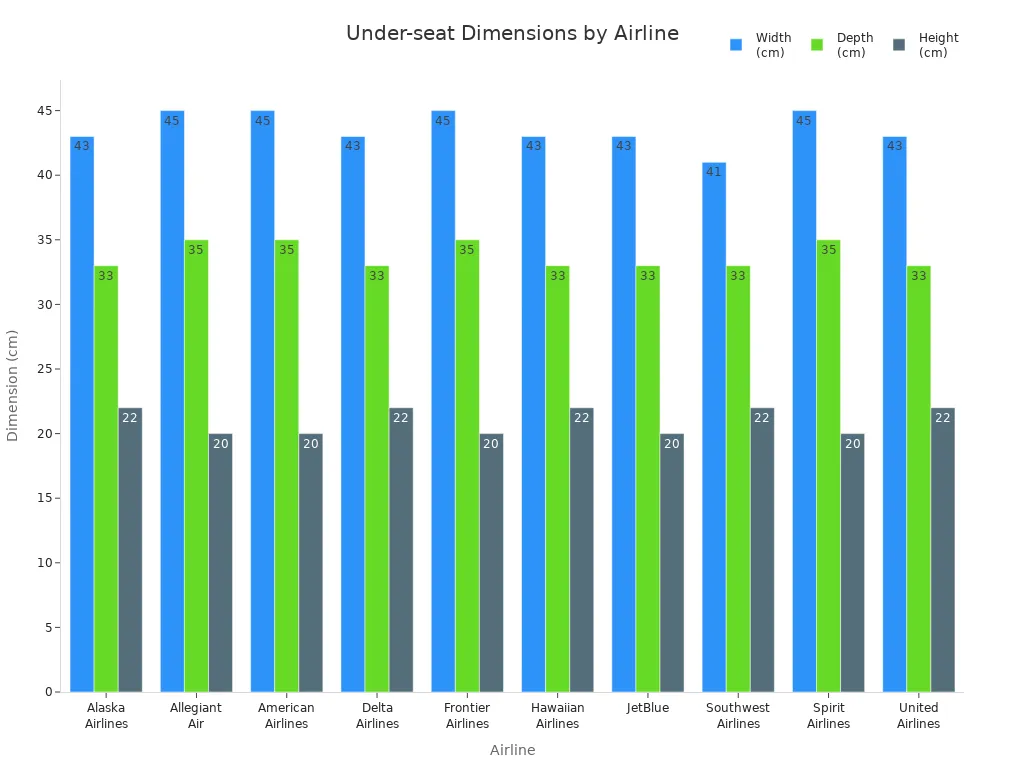
“Airline approved” usually means the carrier was designed around common in-cabin expectations, not that every airline or aircraft will accept it. The useful check is whether the bag fits the space on your specific flight and keeps your pet comfortable once it is under the seat. That is why the sizing detail in under-seat fit advice for flying carriers matters more than a badge on the listing.
What separates a flight-ready carrier from a decent everyday bag
| Carrier Style | Usually Works Best When | Strength on Travel Day | What to Watch |
|---|---|---|---|
| Soft-sided handheld | Cabin flights and mixed airport travel | Flexible profile and lighter carry | Weak base panels and bulky side pockets |
| Structured soft-sided | Longer waits and pets that like a defined shape | Better support without going fully rigid | Stiff rooflines that give up under-seat clearance |
| Expandable carrier | Layovers and longer time at the gate | More usable room when stationary | Expansion panels do not solve in-flight fit |
| Backpack carrier | Short terminal walks before boarding | Hands-free carrying | Tall shells and curved roofs often fit poorly under seats |
| Hard-sided carrier | Car use or situations where firm walls matter more | Stable structure and easy cleanup | Rigid corners can fail under-seat fit fast |
Top rated airline approved pet carriers usually land in the first three rows of that table. More space is not automatically better, because the tradeoff between extra room and better support becomes obvious once the bag is under the seat and your pet has to stay there through takeoff and landing.
How to confirm the fit before you book
Check the airline’s pet page for the route, add the pet reservation early, and compare the carrier’s outside dimensions with the cabin limits for that trip. Then run a home test: place bedding inside, put your pet in the carrier, zip it fully closed, and slide it under a low chair or table so you can see what happens to the roofline and the vents. The sizing habits in carrier fit and material checks apply here too, especially if you are deciding between softer fabrics and more structured walls.
Tip: Measure the carrier when it is packed the way you will actually use it, because a full side pocket, thick liner, or bowed roof can change the fit more than the product listing suggests.
What changes once you get to the airport
Under-seat fit is about shape as much as size
Two carriers with similar listed dimensions can behave very differently on the plane. Low-profile soft-sided carriers usually handle tight clearances better than tall domes, wheel bases, or rigid frames. People who want one setup for flights, cars, and everyday outings usually make better choices when they build around a travel-focused setup instead of shopping by label alone.
| Flight Setup | What Usually Changes | What Often Works Better | What to Watch |
|---|---|---|---|
| Regional aircraft | Lower under-seat clearance and tighter framing | Low-profile soft-sided carriers | Tall roofs, wheels, and rigid corners |
| Mainline aircraft | More predictable space, but still row dependent | Compressible tops and flat bases | Bulky pockets that quietly add width |
| Bulkhead or restricted rows | Storage rules can be stricter on some airlines | A standard row confirmed before departure | Assuming every seat works the same way |
A carrier can look perfect in photos and still fail because the roof presses down, the zipper line catches on seat hardware, or the base tips when you pull it back out. If you want extra room while waiting at the gate, an expandable airline pet carrier makes sense only if the expanded section is for layovers and not your in-flight fit plan.
Airflow matters after the carrier is stowed
Mesh panels need open space around them, not just good-looking coverage on the product page. Once the carrier is under the seat, check whether the front or side mesh is pressed against a frame bar, your personal item, or a jacket. The most dependable top rated airline approved pet carriers keep at least part of the ventilation area clear even when the bag is pushed fully forward.
| Area to Check | Good Sign | Warning Sign | Better Fix |
|---|---|---|---|
| Front mesh | Still visible after the carrier is stowed | Pressed flat against seat hardware | Choose a lower profile bag or change how it sits |
| Side mesh | Clear of bags and jackets | Blocked by pockets or extra gear | Travel lighter around the carrier |
| Roofline | Holds shape without sagging onto your pet | Dips sharply under pressure | Use a firmer top panel or a thinner liner |
| Bed pad | Comfortable without pushing your pet upward | Too thick for the carrier height | Switch to a thinner washable pad |
If you expect a long walk through the terminal, the carrying balance issues described in common pet carrier sling fit mistakes are worth noticing even for handheld bags, because a carrier that drifts, twists, or tips will feel heavier by the minute.
Security lines reward simple handling
At the checkpoint, your pet comes out of the carrier and the empty carrier goes through screening. A calm transfer is much easier with secure zippers, a top opening you can manage quickly, and a base that does not fold in on itself when you set it down. Keep treats, paperwork, and a spare absorbent pad easy to reach rather than buried under bulky extras.
- Use a carrier you can open with one hand while keeping control of your pet.
- Practice a short out-and-back routine at home so the checkpoint does not feel like the first rehearsal.
- Keep add-on pouches modest, because they often make the carrier wider without helping your pet.
- Choose straps and handles that stay comfortable from curb to gate, not just from the car to the front door.
A quick pass or fail check before you leave home
| Check Item | Pass Signal | Fail Signal | Fix |
|---|---|---|---|
| Under-seat fit | Slides under smoothly without forcing the roof | You have to shove or angle it hard | Downsize or switch to a softer profile |
| Vent clearance | Mesh stays partly open after the bag is stowed | Vents are flattened against the seat or your bag | Repack or change carrier orientation |
| Interior room | Your pet can turn and settle without curling tightly | Your pet crouches because the roof drops too low | Choose better shape support, not just more width |
| Zipper security | Zippers close cleanly with no corner gaps | Teeth separate under light pressure | Replace the carrier before travel day |
| Carry balance | The bag stays upright when lifted and set down | It leans, twists, or tips in motion | Use a flatter base or better strap placement |
Fast troubleshooting when something feels off
| Symptom | Likely Cause | Fast Check | Fix |
|---|---|---|---|
| Roof presses down once the bag is stowed | Profile is too tall or too soft at the top | Slide it under a low chair at home | Switch to a lower profile carrier |
| Mesh keeps getting blocked | Pockets, coats, or seat hardware cover the vents | Look at the bag from both sides after stowing | Reduce extras and reposition the carrier |
| Carrier tips in line | Base support is weak or load is uneven | Set it down several times with your pet inside | Choose a flatter, firmer base |
| Pet becomes noisy as soon as the bag is zipped | Stress, poor airflow, or cramped interior shape | Repeat a short closed-door practice session | Adjust fit or slow down acclimation before flying |
| Zipper corners gap | Bag is overfilled or the zipper path is weak | Close it with normal bedding and documents inside | Lighten the load or replace the carrier |
Note: If your pet shows ongoing breathing trouble, extreme stress, or repeated panic in the carrier, pause the trip plan and talk with your veterinarian before trying again.
Common failure signs that reviews do not show
High ratings do not fix the wrong shape
Plenty of carriers look sturdy online but fail for ordinary reasons: the base bends when lifted, the zipper corners gap under pressure, the shoulder strap pulls the bag sideways, or the roofline steals headroom once the bag is under the seat. Reviews can tell you what other shoppers liked, but they do not replace a short fit test with your own pet.
- A carrier that only fits when empty is not flight-ready.
- A tall bag that feels roomy at home may become cramped after the roof compresses.
- A soft carrier without base support can sag enough to make your pet slide or brace awkwardly.
- A bag that feels fine on your shoulder can still be noisy, unstable, or stressful for your pet.
The best home test is short and boring
- Pack the carrier exactly the way you would for the airport.
- Let your pet settle inside for several short sessions on different days.
- Slide the carrier under a low chair and check the vents, roofline, and zipper path.
- Carry it for ten to fifteen minutes so you notice tipping, strap drift, and hand fatigue.
- Repeat the test after you add the pad, documents, or small pocket items you plan to bring.
What to do if the carrier feels wrong at the airport
- Remove nonessential items from pockets and recheck the fit before you get to the gate.
- Ask whether a different seat assignment changes the under-seat space for your flight.
- Keep your pet secure in a harness or leash during any transfer outside the carrier.
- If the bag still compresses too hard or blocks ventilation, do not force the flight.
The best top rated airline approved pet carriers are the ones that still work after the security line, the gate wait, and the under-seat test. Choose shape, airflow, zipper security, and carrying balance first, then use reviews to break ties between carriers that already pass those checks.
FAQ
Can you bring your pet in the cabin on any airline?
No, because each airline sets its own rules for route eligibility, carrier size, fees, and the number of pets allowed in the cabin.
How do you prepare your pet for airport security?
Practice calm removal from the carrier at home and use a secure harness or leash so the checkpoint feels routine instead of sudden.
What if your pet carrier does not fit under the seat?
If it does not slide in cleanly or it blocks ventilation once stowed, do not force it and ask the airline about safer alternatives.






