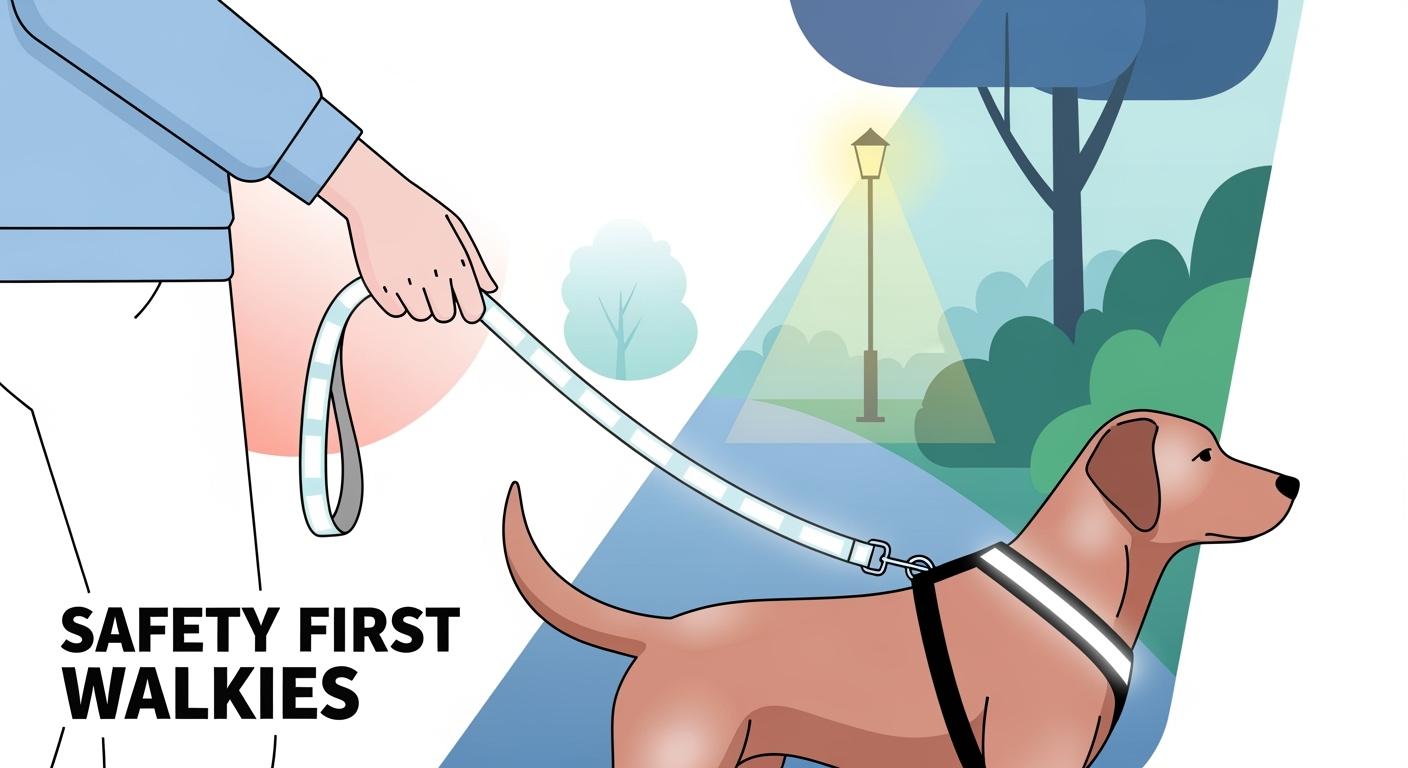
You want your dog to be safe and easy to see during walks in the morning or at night. A reflective dog leash helps people see your dog when light hits it. It does not mean drivers will always notice you or stop. Always follow local rules. Ask your veterinarian if you have health questions.
Key Takeaways
- A reflective dog leash helps people see you in the dark, but you should not use it alone for safety. Always add more lights and wear other reflective gear.
- Check your leash often to see if it is broken or dirty. A clean and strong leash helps people see you and keeps you safe on walks.
- Follow your local rules about leash length to control your dog. Short leashes help you manage your dog better in busy places.
What a reflective dog leash can and cannot do
Visibility vs overall safety
A reflective dog leash helps drivers and other people see you and your dog when light shines on the leash. This can lower the risk of accidents because your dog stands out more in the dark. You should know that a reflective dog leash does not make you or your pet visible in every situation. It depends on outside light, like car headlights or street lamps. In places with little or no light, you need to use an active light, such as a flashlight or a clip-on LED, to stay safe.
Tip: Always use more than one safety tool. Add a reflective harness or ankle bands for yourself. Carry a flashlight or wear a headlamp in very dark areas.
You should not rely only on a reflective dog leash for safety. Always pay attention to your surroundings and follow safe walking habits.
Reflective vs retroreflective explained
You may see both “reflective” and “retroreflective” used to describe leashes. These words do not mean the same thing.
| Material Type | Description |
|---|---|
| Reflective Materials | Bounce back light from many sources. Make you and your dog easier to see in low-light conditions. |
| Retroreflective Materials | Send light straight back to where it came from. Give the strongest visibility when a light shines directly at you. |
Retroreflective materials work best when a light source, like a car headlight, points toward you. Reflective materials help in general low-light but may not shine as brightly as retroreflective ones.
When reflective gear works best
You get the most benefit from reflective gear when you walk near roads with moving cars. Headlights or streetlights hit the leash and make it glow. This helps drivers see you and your dog from farther away. Reflective strips or stitching on the leash and harness make your pet stand out. This lowers the chance of a car or bike not seeing you.
Reflective gear does not work as well in heavy fog, rain, or snow. The light may not reach the leash, or the leash may not reflect enough to be seen. In these cases, you should use extra lighting and wear bright clothing.
- Reflective leashes help most when:
- You walk near traffic or streetlights.
- You want to show the connection between you and your dog.
- You use them with other reflective gear, like harnesses or vests.
- Reflective leashes do not work as well when:
- You walk in dark parks or trails with no lights.
- The weather blocks light, such as in fog or heavy rain.
Comparison: non-reflective, reflective, and retroreflective leashes
Here is a simple table to help you compare your options:
| Product Type | Best for | Biggest Limitation | Safer Habit | When to Switch |
|---|---|---|---|---|
| Non-reflective Leash | Daytime walks, well-lit areas | Not visible in low light | Use in daylight only | Switch at dusk or in low light |
| Reflective Dog Leash | Walks near roads with headlights | Needs outside light to work | Pair with reflective harness/vest | Add active light in dark areas |
| Retroreflective + Active Light Combo | Night walks, no streetlights | May cost more, needs batteries | Use with reflective gear and light | Use in very dark or rural places |
Note: Always check your leash for wear and tear. Replace it if you see damage.
A reflective dog leash is a smart choice for many walks, but you should always think about your environment. Use extra lights and reflective gear when you need more visibility. This keeps you and your dog safer on every walk.
Choosing a reflective dog leash: materials and build
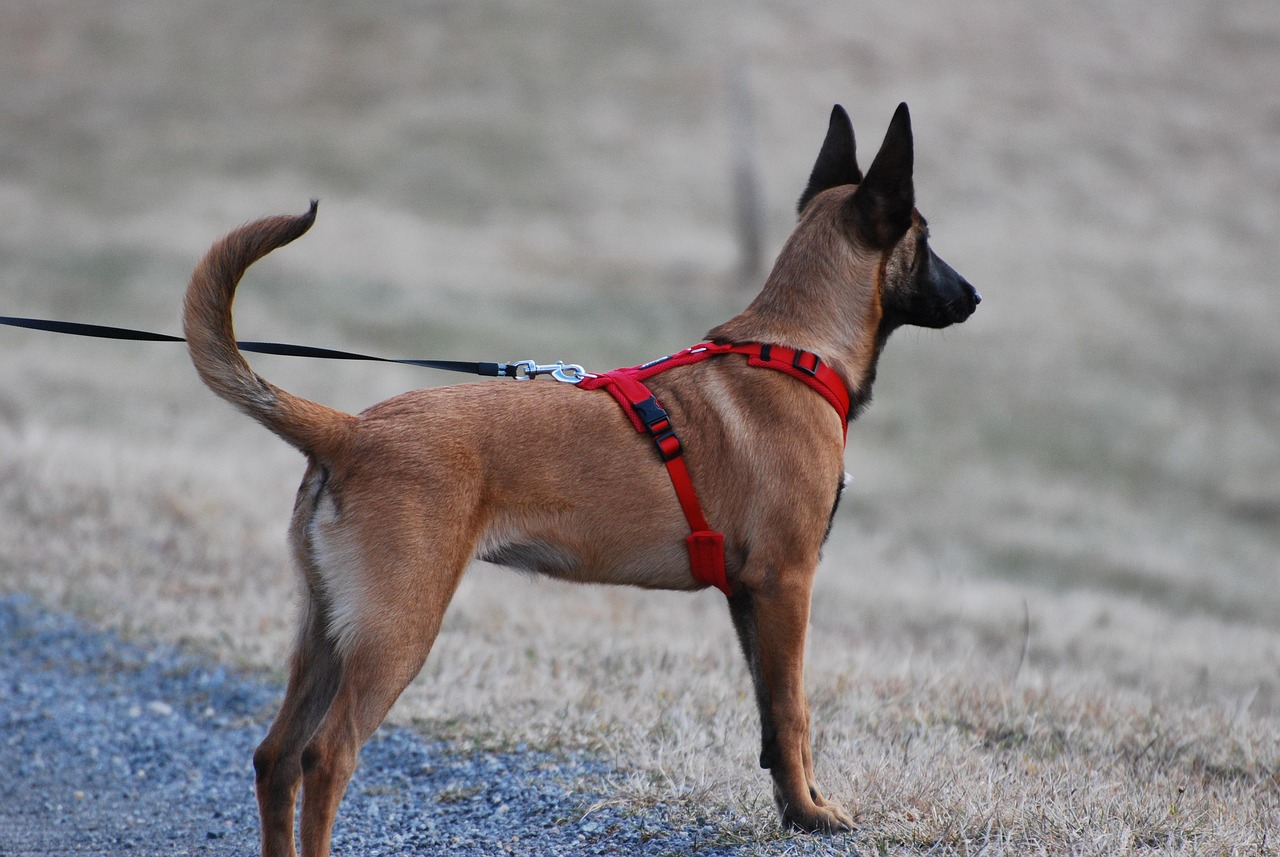
Selecting the right reflective dog leash starts with understanding your walk environment. If you walk near busy roads or in low-light areas, you need a leash that stands out and feels safe in your hand. You should also think about how the leash feels for both you and your dog. The right build and materials can make every walk safer and more comfortable.
Webbing and comfort features
The webbing forms the backbone of your leash. High-strength webbing gives you more trust in the leash because it resists fraying and breaking. Many users say they feel safer when the leash feels strong and sturdy. Comfort features, like padding or soft handles, help you hold the leash for longer walks without hurting your hand. Adjustable straps can give you a better fit, which means less slipping and more control.
Here is a quick look at how these features affect satisfaction:
| Feature | Impact on User Satisfaction |
|---|---|
| High-strength webbing | Enhances durability and safety, leading to increased trust. |
| Comfort features | Padding and adjustable straps ensure a secure and comfortable fit, improving overall satisfaction. |
| Reflective elements | Improve visibility during low-light conditions, addressing user concerns about safety. |
You should always check for webbing that feels thick and smooth. Avoid leashes that feel rough or thin, as they may not last as long.
Reflective placement for real-world use
Reflective elements only help if they are visible. Look for leashes with reflective stitching or strips along both sides. This placement makes sure the leash catches light from different angles. If you walk in areas with cars, reflective parts on the handle and near the clip help drivers see the full length of the leash. Some leashes use woven reflective threads, while others use sewn-on strips. Both can work well if they stay uncovered and clean.
Tip: Make sure nothing blocks the reflective parts, like your hand or a jacket sleeve. Wipe off dirt or mud after each walk to keep the leash shining bright.
Hardware and stitching quality
Strong hardware keeps your dog secure. Check the clip that attaches to your dog’s collar or harness. It should open and close smoothly without sticking. Metal clips often last longer than plastic ones. The stitching should look even and tight, with no loose threads. Double stitching or reinforced ends add extra safety, especially for strong or active dogs.
You should also test the grip when the leash gets wet. Some handles have extra grip or padding to help you hold on, even in rain or snow.
Pass/fail checklist for leash inspection
Use this checklist before each walk to make sure your leash is ready. If any item fails, fix it or replace the leash before heading out.
| Check Item | Pass | Fail | Fix |
|---|---|---|---|
| Reflective visibility | ☑ | ☐ | Clean reflective areas or replace leash |
| Elements blocked | ☑ | ☐ | Adjust grip so reflective parts show |
| Wet-grip comfort | ☑ | ☐ | Add grip cover or choose padded handle |
| Clip function | ☑ | ☐ | Lubricate or replace faulty clip |
| Stitching integrity | ☑ | ☐ | Repair or replace if threads are loose |
| Environment mismatch | ☑ | ☐ | Switch leash or add active lighting |
A reflective dog leash with strong webbing, visible reflective parts, and solid hardware gives you peace of mind. Always check your leash before each walk. This habit keeps both you and your dog safer, no matter where you go.
Handling and fit for safer walks
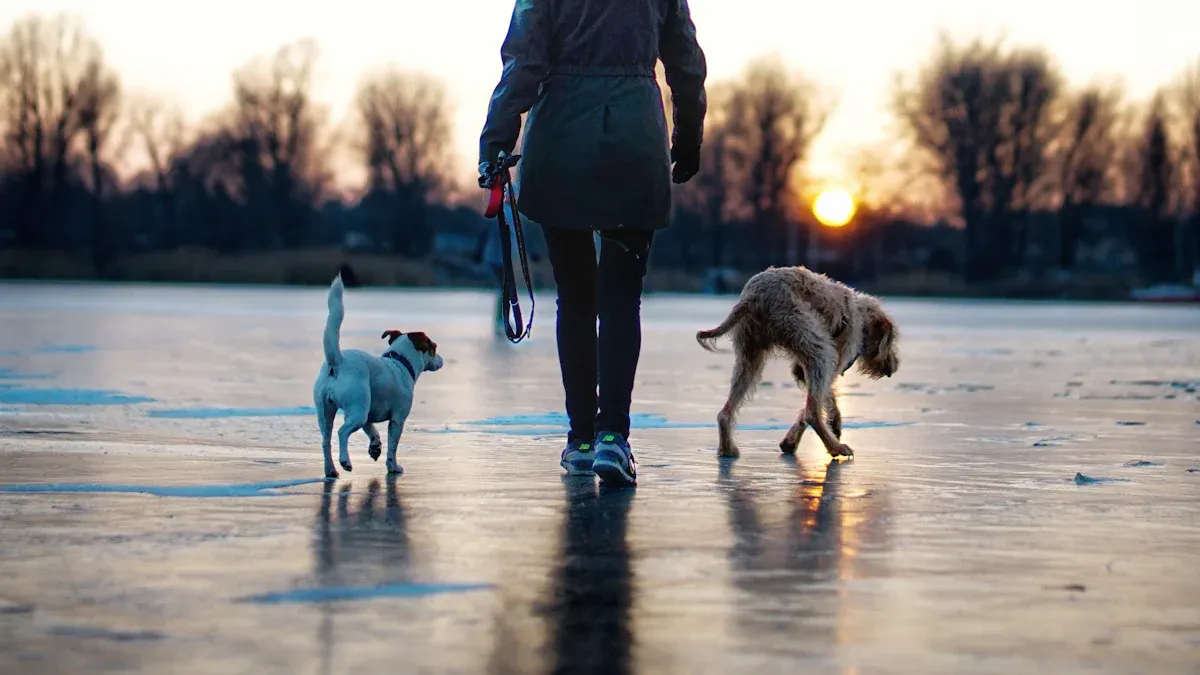
Leash length and local rules
You should always check the leash length rules in your area before heading out. Many cities set a maximum leash length to help keep dogs under control. For example, in Mill Valley, California, the law says you must use a leash no longer than six feet. This rule helps you keep your dog close and safe, especially near roads or in busy parks. Always follow local regulations to avoid fines and to protect both your dog and others.
Tip: Shorter leashes give you more control in crowded places or near traffic.
Grip and slack management
A good grip on your leash helps you manage your dog’s movement and keeps both of you safe. Look for these grip features:
- Padded handles make walks more comfortable and reduce strain on your wrist.
- Traffic handles let you quickly shorten the leash and keep your dog close in busy spots.
- Reflective stitching adds extra visibility when light is low.
You should never wrap the leash around your hand or wrist. Hold the handle firmly and keep slack to a minimum. This habit helps you react fast if your dog pulls or if you need to guide them away from danger.
Add-on visibility habits
Pair your reflective dog leash with other safety tools for the best results. Wear bright clothing and add reflective bands to your outfit. Use a clip-on LED or carry a flashlight when walking in dark areas. These habits make you and your dog easier to see and help drivers notice you sooner.
Note: Clean your leash and reflective gear often. Dirt can block the shine and lower visibility.
Troubleshooting and common mistakes
Visibility and control errors
You may face problems with your leash during walks. Sometimes, drivers do not see you or your dog. Other times, the leash feels hard to hold or gets tangled. You can fix most issues with a few simple checks. Always put safety first. If you notice a problem, stop and look for the cause before you walk again.
Troubleshooting table for common issues
Here is a quick guide to help you solve common problems with your leash:
| Symptom | Likely cause | Fast check | Fix |
|---|---|---|---|
| Still not visible | No light source nearby | Shine flashlight on leash | Add active light or move to lit area |
| Reflective looks dull | Dirt or mud on surface | Wipe leash with clean cloth | Clean reflective parts |
| Leash tangles legs | Too much slack or long leash | Watch leash position while walking | Shorten leash, keep dog on one side |
| Clip sticks | Dirt or rust in clip | Open and close clip a few times | Clean or lubricate clip |
| Hand discomfort | Hard or rough handle | Squeeze handle in your hand | Add grip cover or choose padded type |
| Dog surges at night | Dog startled or excited | Notice dog’s body language | Shorten leash, use calm commands |
Tip: Check your reflective dog leash before every walk. Fix small problems early to avoid bigger risks.
Reflective dog leash FAQ
Q: Why does my leash not shine at night?
A: You need a light source, like a car headlight or flashlight, for the leash to reflect. In dark areas, use an active light.
Q: How do I keep the leash reflective?
A: Clean the reflective parts often. Dirt can block the shine.
Q: What should I do if the leash gets tangled?
A: Keep your dog on one side and use a shorter leash in busy places.
Q: Is a reflective leash enough for safety?
A: No. Always pair it with other safety tools, like lights and reflective clothing.
Q: How often should I check my leash?
A: Check before every walk. Look for damage, dirt, or loose parts.
You can keep your dog safe by choosing the right reflective dog leash and checking it often.
- Use active lights for better visibility in all conditions.
- Inspect your leash every week and replace it if damaged.
- Follow local rules and adjust your habits for each walk.
Always put safety and comfort first for every walk.
FAQ
Does a reflective leash work without headlights?
No. You need a light source, like headlights or a flashlight. The leash will not shine in total darkness.
How do you check if your leash is truly retroreflective?
Shine a flashlight at the leash from your eye level. If it glows brightly back at you, it uses retroreflective material.
How do you clean a reflective leash without ruining it?
- Use a damp cloth to wipe dirt away.
- Avoid harsh cleaners or scrubbing.
- Let the leash air dry before storing.