
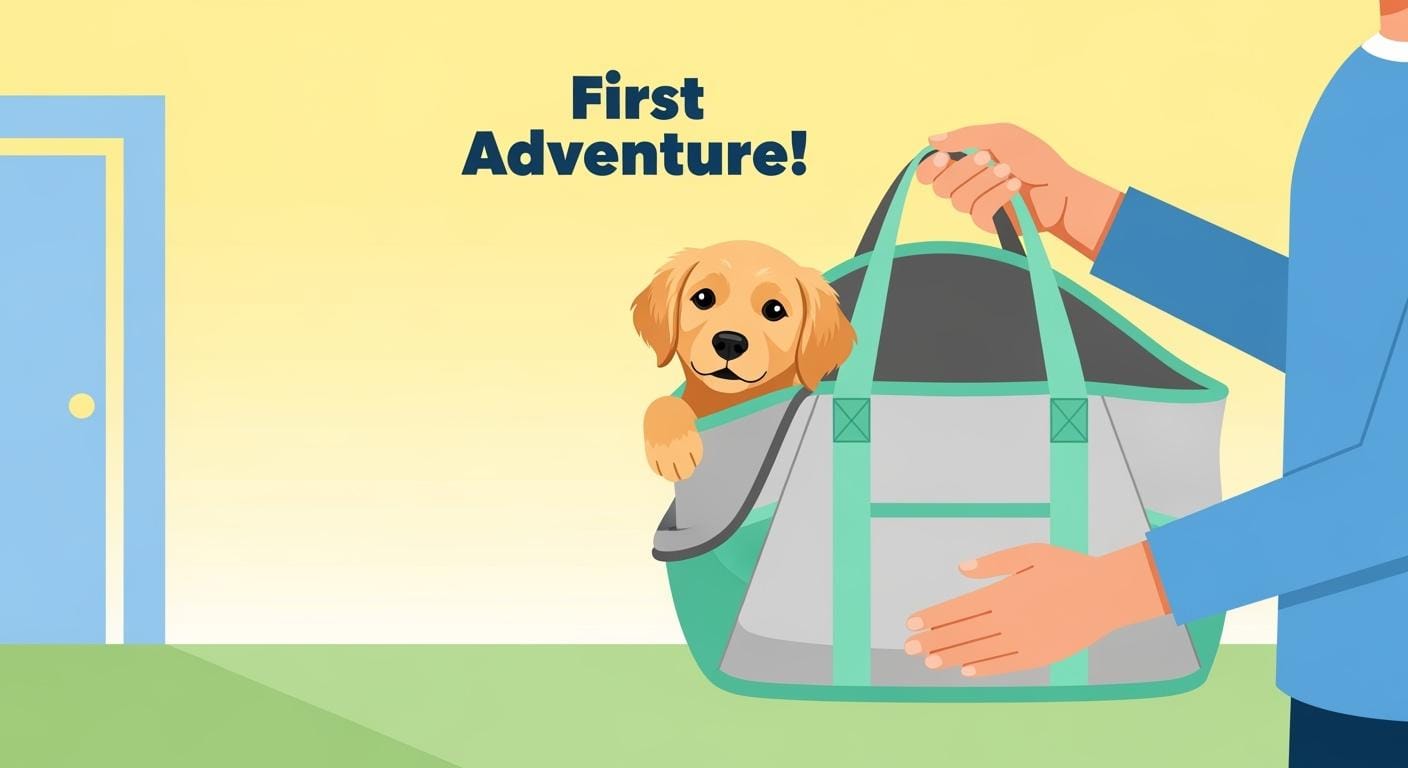
For most first outings, pick an open top or zip top pups dog carrier tote bag. This will help keep your puppy safe and comfy. Open tops are easy to use and help lower stress. Zip tops give more safety and stop quick escapes. Find a stable base, soft plush liner, and secure tethers. These help your puppy feel safe and cozy. Both types can work well. Think about how your puppy acts and your outing plans before you choose.
Key Takeaways
Pick an open top or zip top carrier for your puppy. Think about how your puppy acts and where you will go. Open tops are good for calm puppies. Zip tops keep puppies safer if they move a lot.
Try the carrier at home before going out. This lets your puppy get used to it. Your puppy will feel safe and happy in the carrier.
Put soft bedding inside the carrier for comfort. This helps your puppy feel warm and calm on trips.
Look at your puppy’s body language when you go out. If your puppy looks stressed or can’t sit still, you may need a different carrier or plan.
Clean the carrier every time you use it. Keeping it clean helps your puppy have fun on the next outing.
Open Top vs Zip Top: Choosing a Pups Dog Carrier Tote Bag
Open Top: Pros and Cons for First Outings
An open top pups dog carrier tote bag is simple to use. You can put your puppy inside fast. Your puppy can look out and see things around. This makes your puppy feel less scared. Open tops let air move better, so your puppy stays cool. You can reach in to pet your puppy or give treats. Many open tote bags have soft padding inside. They also come in many colors and styles.
Here are some main advantages of open top carriers:
Advantage | Description |
|---|---|
Air Circulation | More airflow than plastic carriers. |
Comfort | Padded interior helps your puppy relax. |
Cost-Effectiveness | Usually less expensive and easy to replace. |
Variety | Wide range of styles to match your puppy’s personality. |
Open top carriers are good for calm puppies and short trips. You can use them for quick errands or vet visits. But open carriers are not as safe. Puppies might try to jump out. You need to watch your puppy all the time. Some open carriers have a leash inside for extra safety.
Zip Top: Pros and Cons for First Outings
Zip top pups dog carrier tote bags keep your puppy safer. You can zip the top to stop your puppy from getting out. This helps stop escapes when you travel. Zip top carriers have mesh sides for air and for your puppy to see out. Mesh keeps the carrier light. You can use zip top carriers for longer trips or busy places.
Zip top carriers have some problems. Puppies may feel trapped and get upset. Not moving much can make puppies restless. If your puppy stays inside too long, it may not meet new people or dogs. Some carriers get hot if they do not have enough mesh. You should check for good airflow. Always use bedding or a blanket for comfort, as CDC and AKC say.
Not much space to move can bother your puppy.
Staying inside too long can slow learning.
Bad airflow can make your puppy sick.
Zip top carriers are best for puppies who need more safety or for crowded places. Do not use zip top carriers if your puppy does not like small spaces or gets nervous.
Comparison Table: Open Top, Zip Top, Enclosed Carrier
You should compare carrier types to pick the best one for your puppy. The table below shows when to use each type, the main good points, things to watch out for, and which puppies should not use them.
Carrier Type | Best Use Cases | Main Benefit | Main Watchout | Who Should Skip It |
|---|---|---|---|---|
Open Top Tote | Short trips, calm puppies, | Easy access, | Less security, escape risk | Puppies who climb or jump |
errands, vet visits | good airflow, comfort | easily, anxious puppies | ||
Zip Top Tote | Crowded places, longer travel, | Security, mesh panels, | Limited movement, | Puppies who dislike |
puppies prone to escape | ventilation, lightweight | possible anxiety | confinement | |
Enclosed Carrier | Air travel, train travel, | Full containment, | Can collapse, less comfort | Puppies who need visibility |
calm puppies | structured design, | for long-term carrying | or frequent interaction | |
mesh for ventilation |
Look for things like soft bottoms, mesh sides, and tethers. These help your puppy feel safe and happy. The best dog carriers are safe, comfy, and let air in.
Common Mistakes and Consequences
People sometimes make mistakes with dog carriers on the first trip. These mistakes can cause problems.
You think your puppy will walk on a leash right away. Your puppy might freeze or not move.
You take your puppy to a new place too fast. Your puppy could get scared or stressed.
You use treats to make your puppy move instead of letting it explore. Your puppy might only move for treats.
If you make these mistakes, your puppy could get nervous or not want to travel. Give your puppy time to get used to the carrier. Practice putting your puppy in and out at home. Use bedding or a blanket for comfort, as CDC and AKC say. Clean the carrier after each trip and let it dry before using it again.
Tip: Try using the pups dog carrier tote bag at home first. Put bedding inside and let your puppy check it out. Watch to see if your puppy feels safe. This helps your puppy get ready for travel.
You can stop problems by picking the right carrier, using soft bedding, and cleaning the carrier. This helps your puppy enjoy trips and stay safe.
Dog Travel Carriers: What to Expect with Young Pups
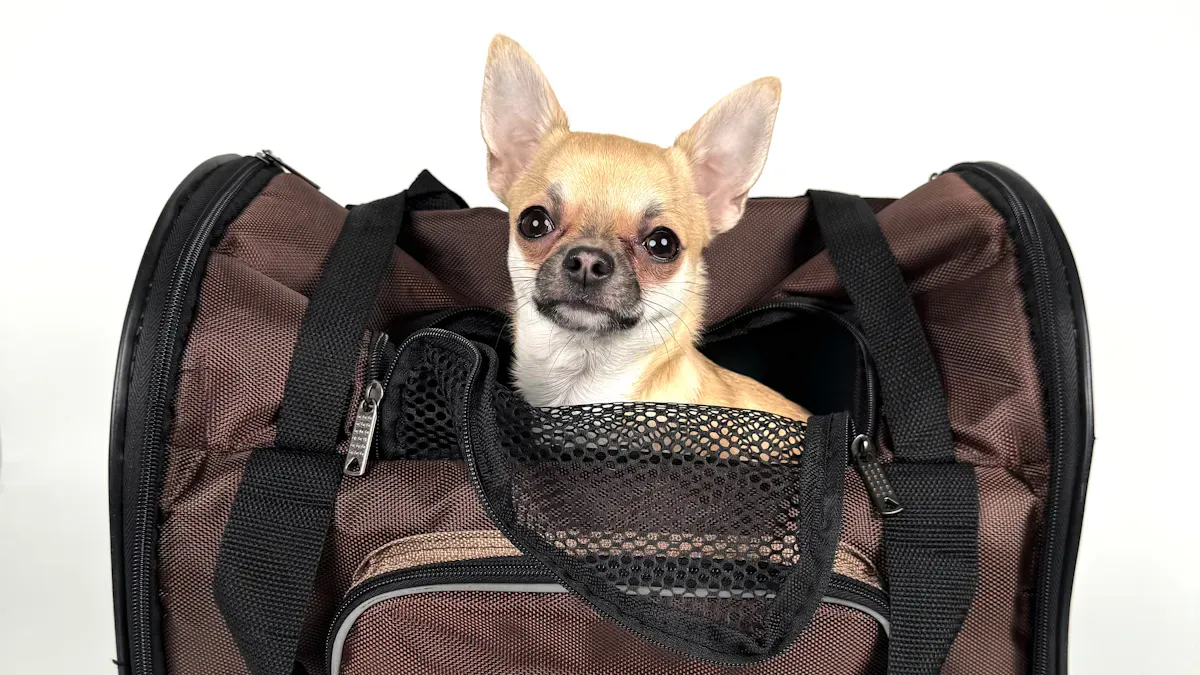
Loading and Unloading
Be gentle when you put your dog in the carrier. Set the carrier on something steady. Speak softly to your pup as you guide it inside. If your dog does not want to go in, offer a treat or toy. Take your time when letting your dog out. Let your dog walk out by itself. Do not pull or hurry your pup. Try loading and unloading at home before you travel. This helps your dog feel safe and less worried.
Settling and Comfort Signs
Look for signs your dog feels good in the carrier. A calm pup might lie down, stretch, or sniff the bedding. Some dogs relax fast, but others need more time. If your dog whines, walks around, or tries to get out, it may be nervous. You can add a towel or blanket to make it cozier. The AKC and CDC say bedding should be easy to wash.
Put towels or blankets in the crate until your puppy learns not to chew a new bed. This makes cleaning easier if your puppy has accidents while learning.
Visibility and Engagement
Your dog should see and notice things during trips. Mesh windows let your pup look outside. Semi-enclosed carriers feel safe but may block the view. The materials you pick change how comfy and interactive the carrier is. Mesh panels help your dog see and hear more.
Feature | Impact on Puppy Interaction |
|---|---|
Mesh windows | Help your pup see and watch what is around |
Semi-enclosed design | Feels safe but blocks some views |
Choice of materials | Changes comfort and how your pup interacts |
Climb-Out and Escape Attempts
Some dogs try to get out of the carrier. Watch for signs your dog feels restless. If your pup paws at the sides or jumps, it may not feel safe. Calm your dog with soft words. Use a tether to keep your pup secure if needed. Practice at home to stop escape tries. Slowly make carrier time longer so your dog gets used to it.
Pass or Fail Checklist Table
Check how your dog acts during first trips in the carrier. Use this table to spot problems and fix them.
Check Item | Pass Signal | Fail Signal | Fix |
|---|---|---|---|
Loading | Calm entry, no resistance | Hesitation, refusal | Use treats, practice at home |
Settling | Lying down, relaxed | Whining, pacing | Add bedding, shorten carrier time |
Engagement | Looking out, alert | Hiding, ignoring | Use mesh windows, encourage curiosity |
Escape Attempts | Staying inside | Climbing, jumping out | Secure tether, increase practice |
Help your dog get used to the carrier by practicing at home, using bedding, and picking the right carrier. Begin with short trips and slowly make them longer. Do not feed your dog right before travel to help avoid motion sickness. When you buy pet travel gear, check the carrier’s weight and how you get your dog in and out. Following these steps makes traveling with your pup easier.
Best Dog Carriers: Troubleshooting First Outings
Troubleshooting Table: Symptoms and Fixes
You may notice some issues during your dog’s first outing in a carrier. Quick checks help you spot problems early. Use this table to guide your troubleshooting:
Symptom | Likely Cause | Fast Check | Fix |
|---|---|---|---|
Dog slumps inside | Too much space or weak base | Watch after walking starts | Use firmer base or switch carrier |
Carrier swings | Loose straps or poor balance | Notice if it drifts from your body | Tighten straps or change carrier type |
Shoulder strain | Uneven load | Feel your body after short carry | Try a backpack carrier |
Blocked stride | Carrier hangs too low/wide | Check if it hits your legs | Raise carry point or use compact bag |
Awkward set-down | Soft or unstable base | Place on flat surface and watch for tipping | Use structured carrier |
Note: If your dog shows signs of stress, heavy breathing, overheating, or trouble moving, stop and check for comfort. This is not medical advice. Seek a vet if symptoms persist.
Owner Convenience and Safety
You need to handle the carrier with care in public. Make sure the carrier fits your dog well. Check for proper ventilation so your dog stays comfortable. Use a secure design to prevent escapes. Keep your dog isolated in the carrier to respect others in crowded spaces. Restrict movement in busy areas to avoid injuries. Choose a carrier that lets you see your dog for reassurance. Always check the straps and base before each outing.
Adjust the carrier straps for balance.
Watch your dog’s body language for signs of discomfort.
Reload your dog gently if you need to switch carriers.
Provide a calm environment after outings so your dog can rest.
When to Switch Carrier Types
Sometimes you need to change carrier types during an outing. If your dog feels anxious or tries to escape, switch from an open top to a zip top carrier. If your dog needs more visibility or airflow, move from a zip top to an open top carrier. You may also switch if you notice shoulder strain or blocked stride. Always observe your dog’s comfort and adjust as needed.
Start with short trips to test each carrier.
Watch for signs like whining or restlessness.
Switch carrier types if your dog’s needs change.
Give your dog time to decompress after outings.
Tip: Use food rewards to encourage calm behavior. Make sure your dog gets enough rest after each outing.
For most first outings, you should choose a tote-style dog carrier. This type helps your puppy feel safe and comfortable. You give your pup a chance to see new things and enjoy treats, which builds positive memories. Watch your puppy’s behavior during the trip. Adjust your carrier choice if your puppy seems stressed or tries to escape.
Practice at home before your first outing.
Use soft bedding for comfort.
Clean the carrier after each use.
These steps help you create a safe and happy experience for your puppy.
FAQ
What steps help you choose between open top and zip top tote bags for young pups?
Watch your pup’s behavior at home.
Test both carrier types with bedding.
Check for calmness and escape attempts.
Pick the style that keeps your pup secure and relaxed.
How do you prepare a tote bag for a puppy’s first outing?
Add soft bedding or a blanket. Place the tote on a stable surface. Let your pup explore the bag before the trip. Practice short sessions at home. Clean the tote after each use.
What signs show a tote bag is not right for your pup?
If your pup whines, tries to jump out, or refuses to settle, the tote may not fit your needs. Try a different style or adjust the setup.
How can you keep a puppy safe during busy outings?
Use a zip top tote for better containment. Secure the internal tether to your pup’s harness. Hold the tote close to your body. Avoid crowded spots until your pup feels comfortable.






