Outdoor Dog Gear Insights for Pet Brands and Buyers
Welcome to the StridePaw blog. We share practical articles for pet brands, retailers, and distributors sourcing outdoor dog gear, with a focus on fit, materials, safety, travel use, and product selection across harnesses, leashes, carriers, car travel gear, and related categories.
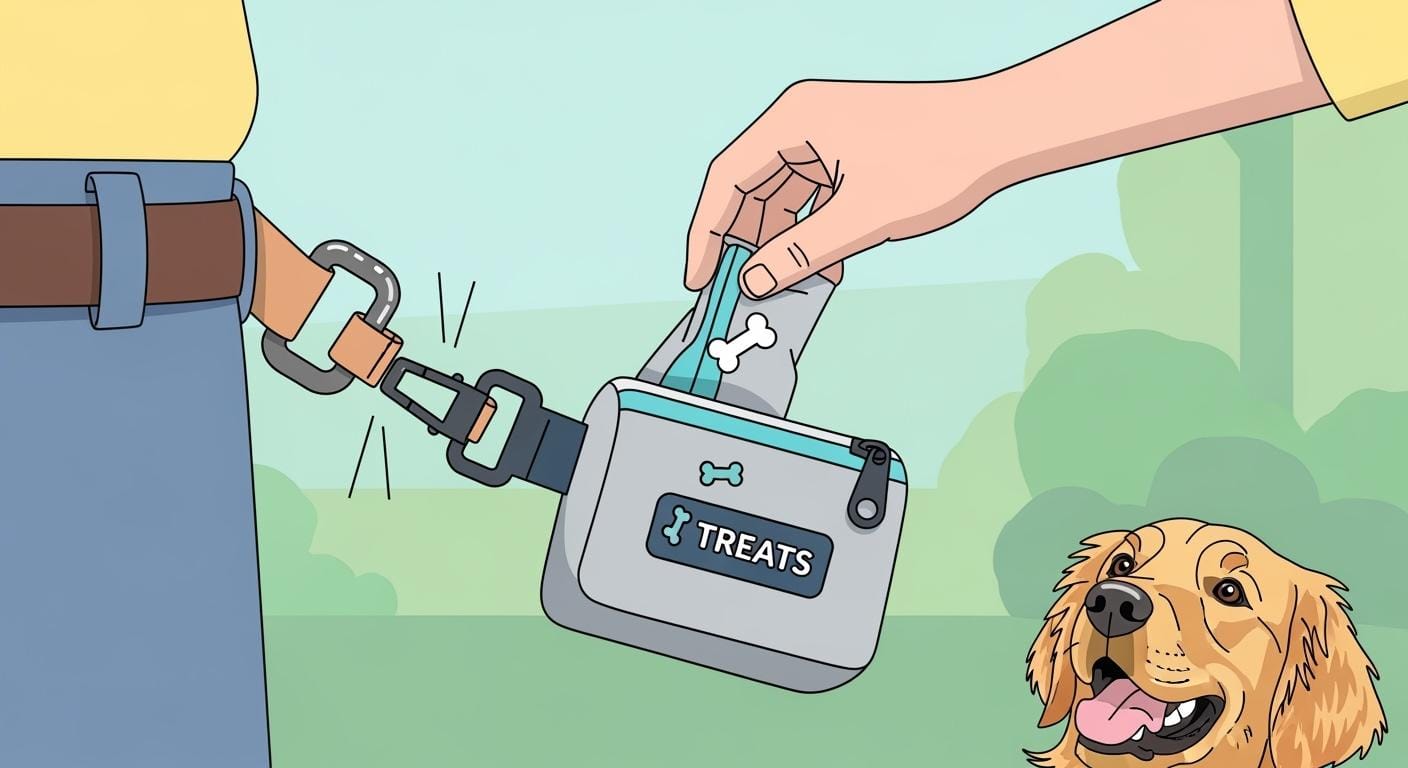
A narrow clip tilts under load. Wider loops, flat backs, and centered placement each solve a different part of treat pouch stability during active training.
A belly strap rubs when binding edges dig in and placement shifts under load. Wider padded edges and leg clearance spread pressure and keep the pack stable.
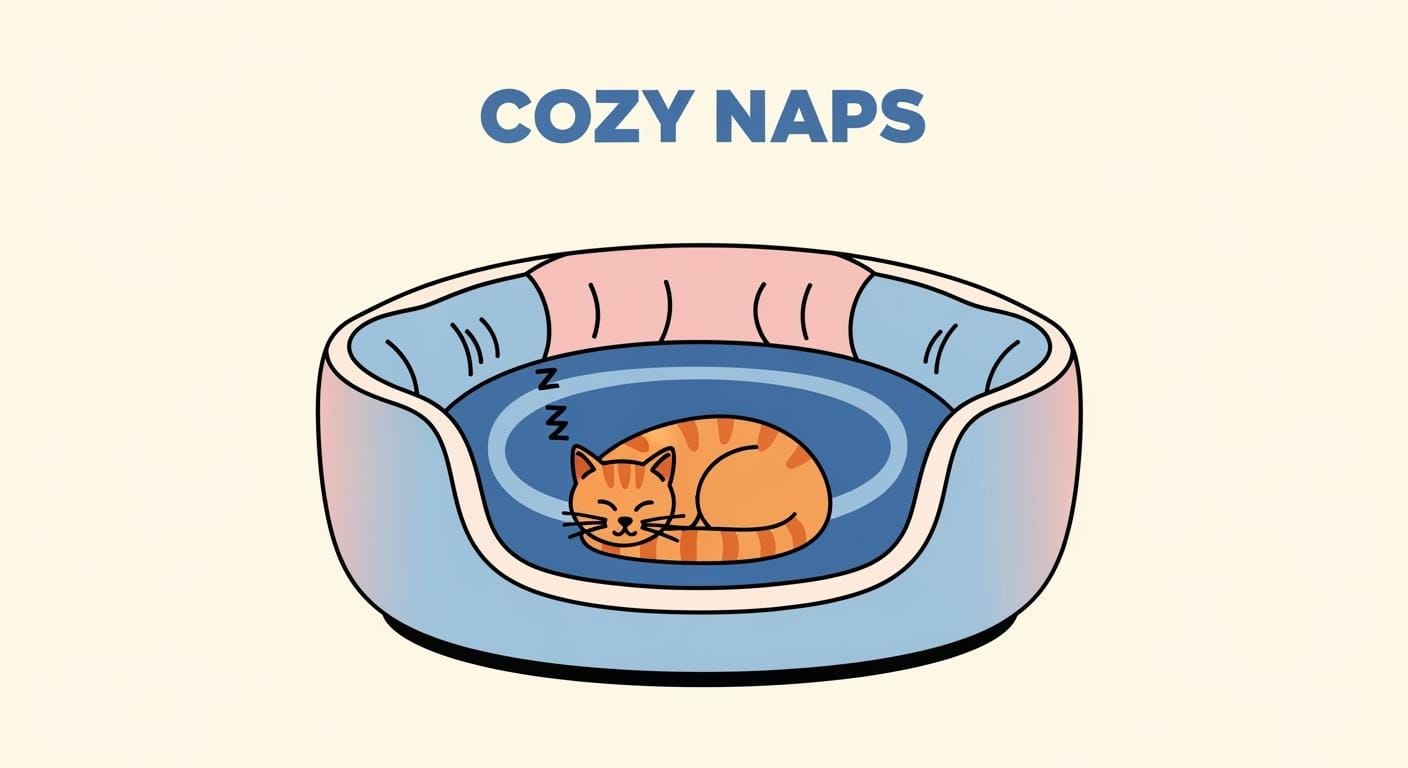
A cat tunnel bed flattens when the ring, seams, or fill lack structure. A reinforced ring frame, dense felt, and firm edge binding keep the opening stable during active play and rest.
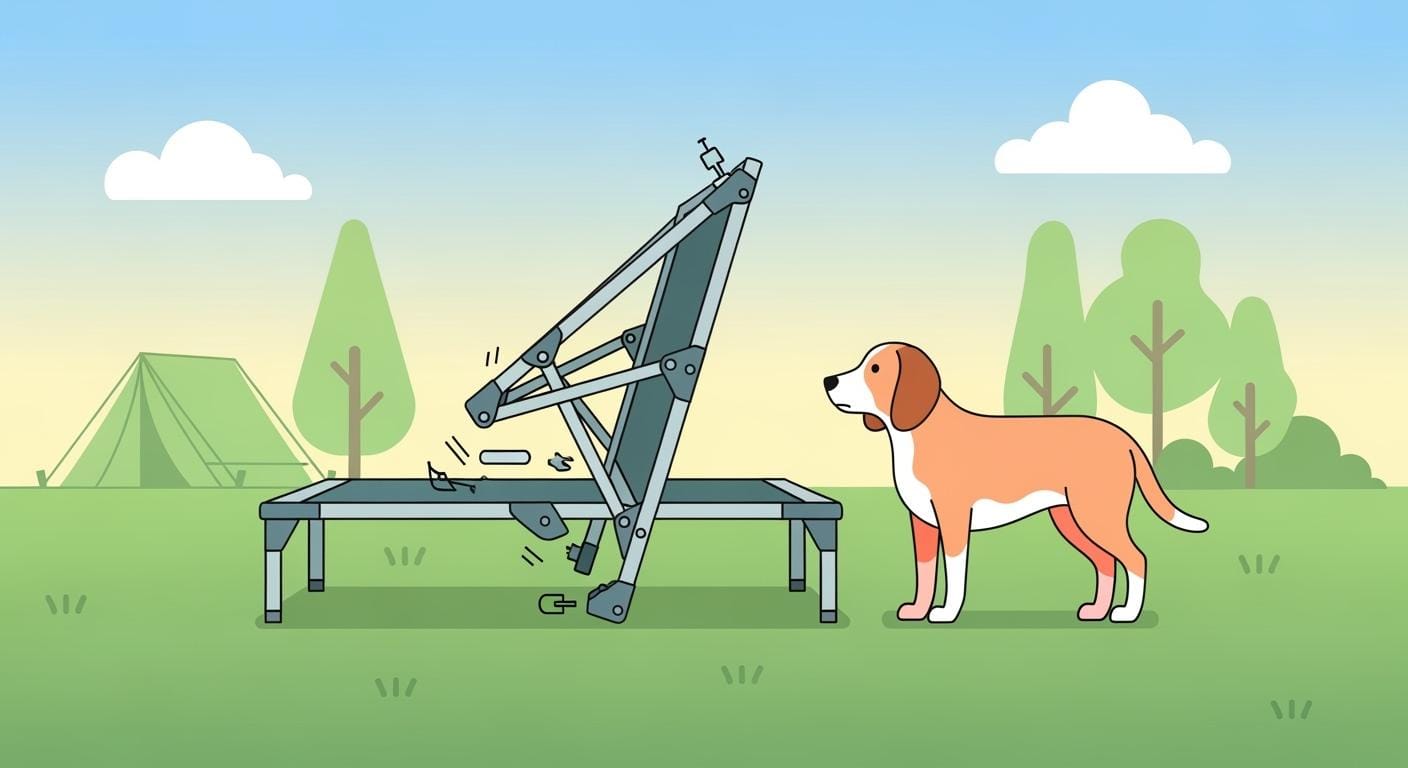
An elevated camping dog bed that wobbles is not safe. Frame locks, foot width, and fabric tension determine whether a cot stays steady or shifts under weight.
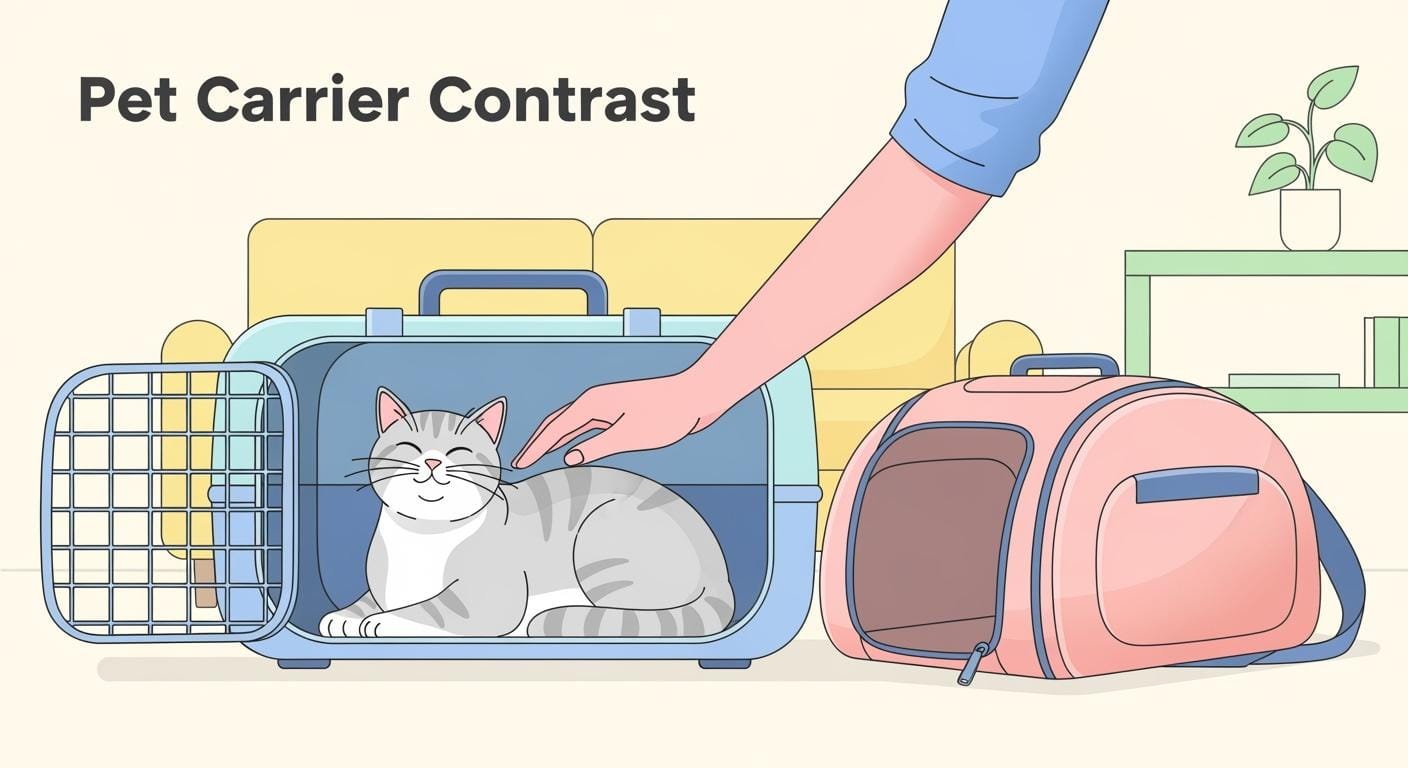
Narrow front openings make cats panic and back out. Top-entry carriers lower the cat in from above instead of pushing forward. Firm bases, wider openings, and removable tops each alter how the cat experiences entry.
A large dog bed slides on hard floors when the base lacks grip, weight, or flat contact. Non-slip undersides, a heavier low-profile base, and wide flat contact keep it steady where cushions alone cannot.
A booster that raises a small dog without enough sitting depth creates the instability it claims to solve. Side wall rigidity, tether anchor position, and floor stability determine whether a dog stays seated or stands and braces.
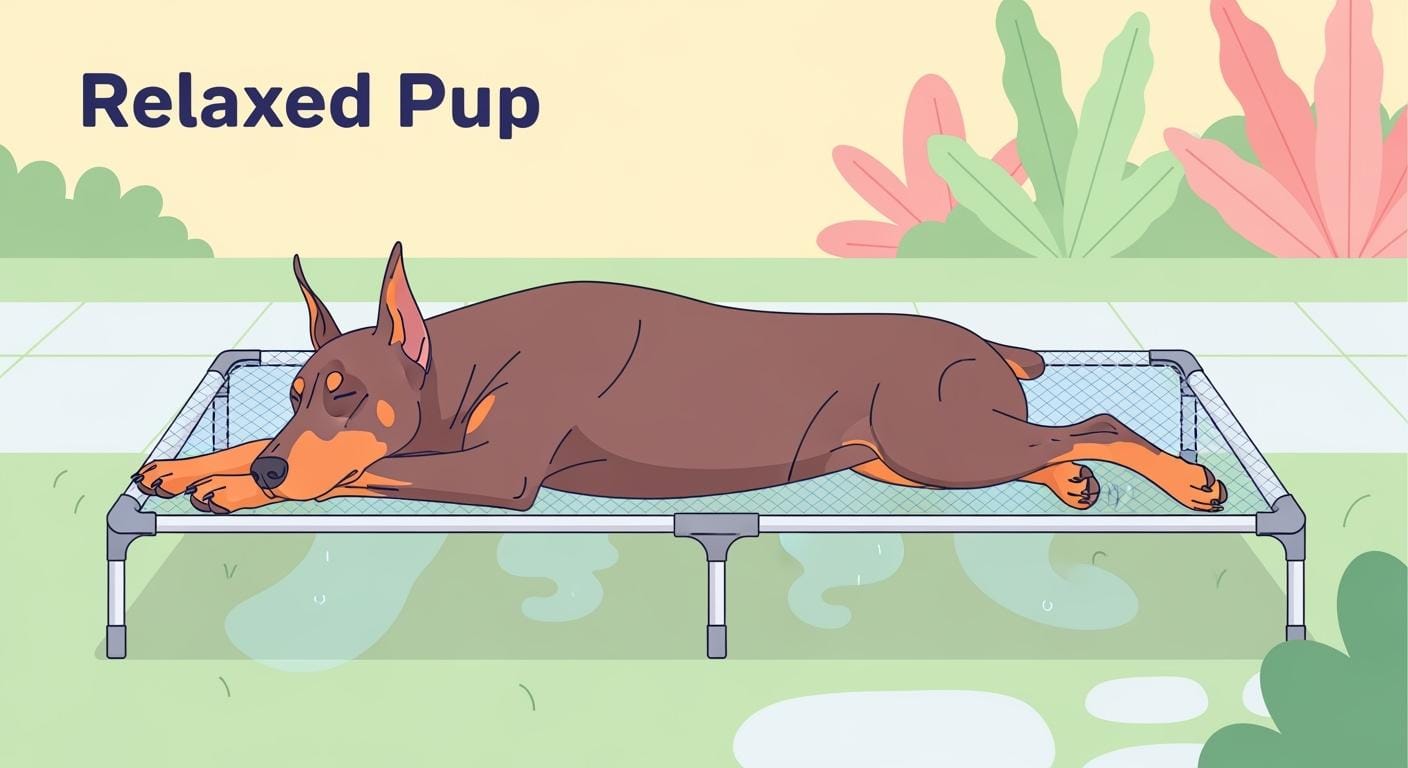
An elevated mesh cot cools a Doberman because air moves underneath — a ground pad traps heat instead. Frame strength, mesh stretch, and off-ground height decide if the bed performs.
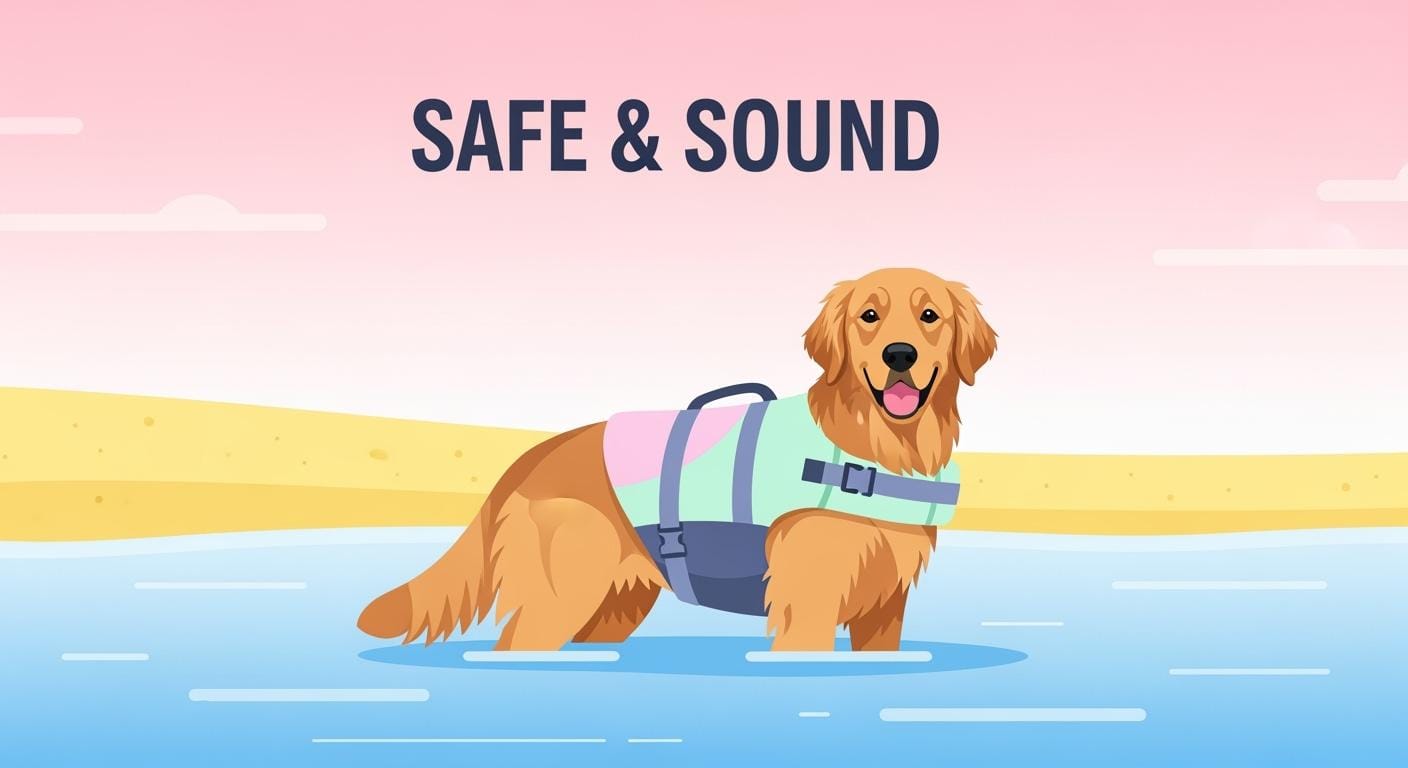
Dog life jackets ride up when strap routing or foam placement fails under water load, not because of sizing. Multi-point anchoring and closed-cell materials resist what standard nylon cannot.
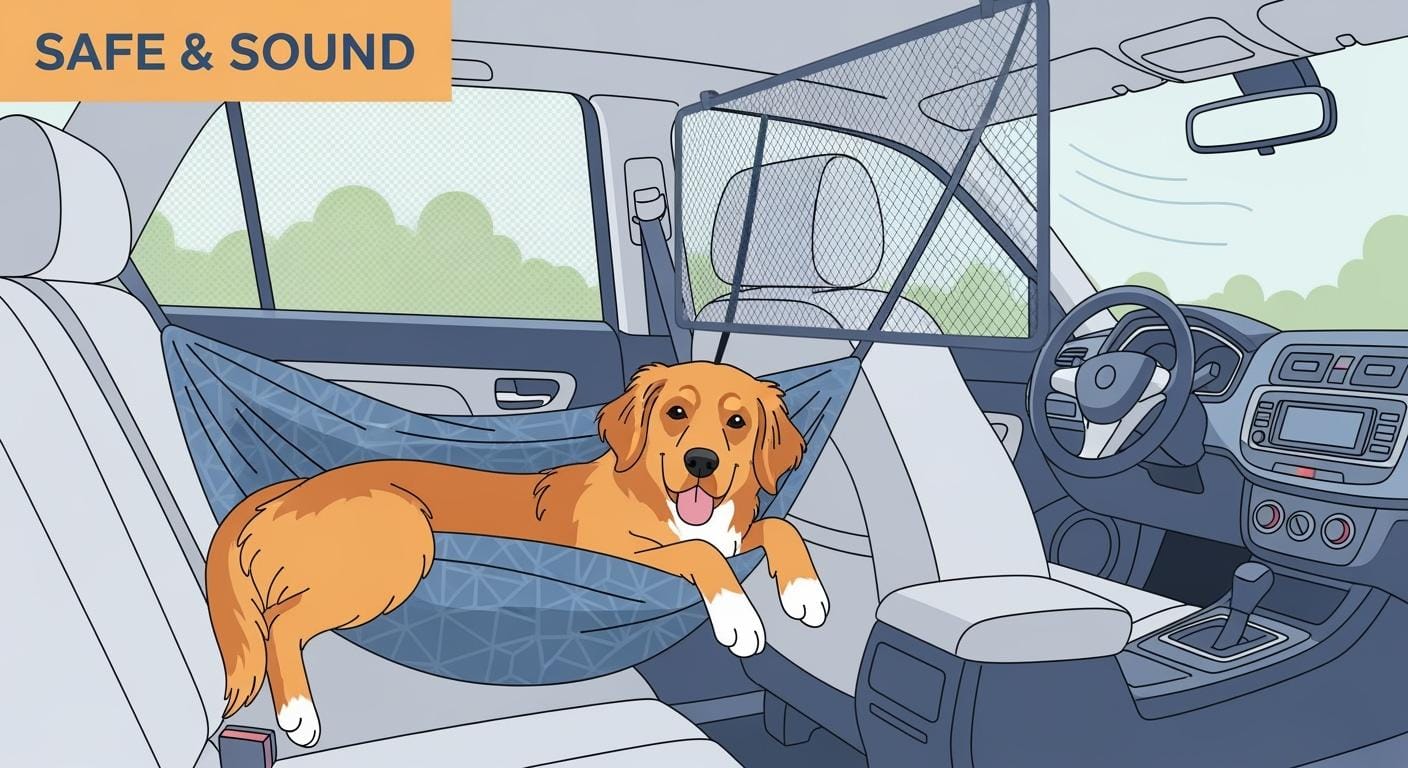
An upright mesh window depends on reinforced edge binding and multi-point anchor tension, not the mesh material itself. Sagging begins where edge support is soft or strap placement lets the front panel drift forward under a moving dog.
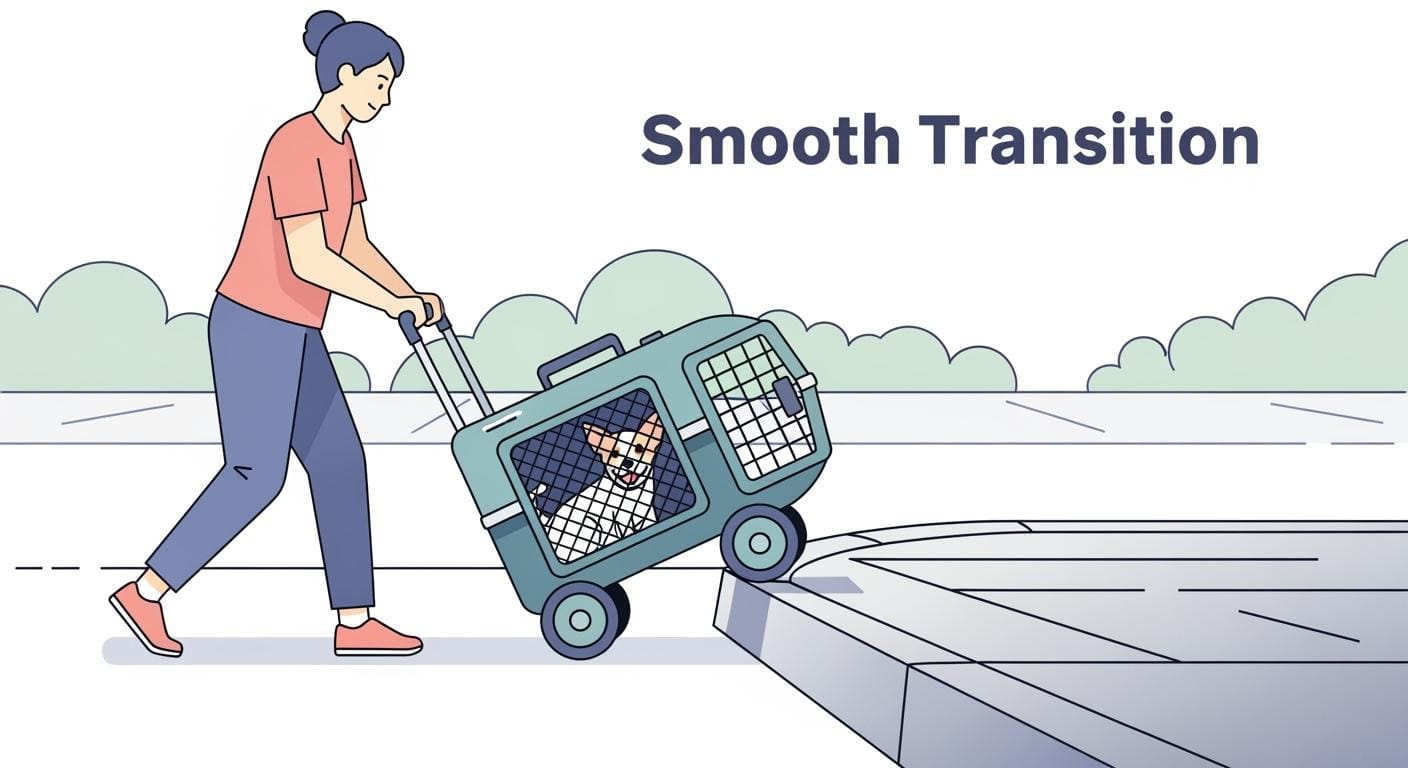
A pet carrier with wheels tips at curbs when the base is too narrow and the pull angle shifts weight forward. Wide-set wheels and side lift handles solve it.