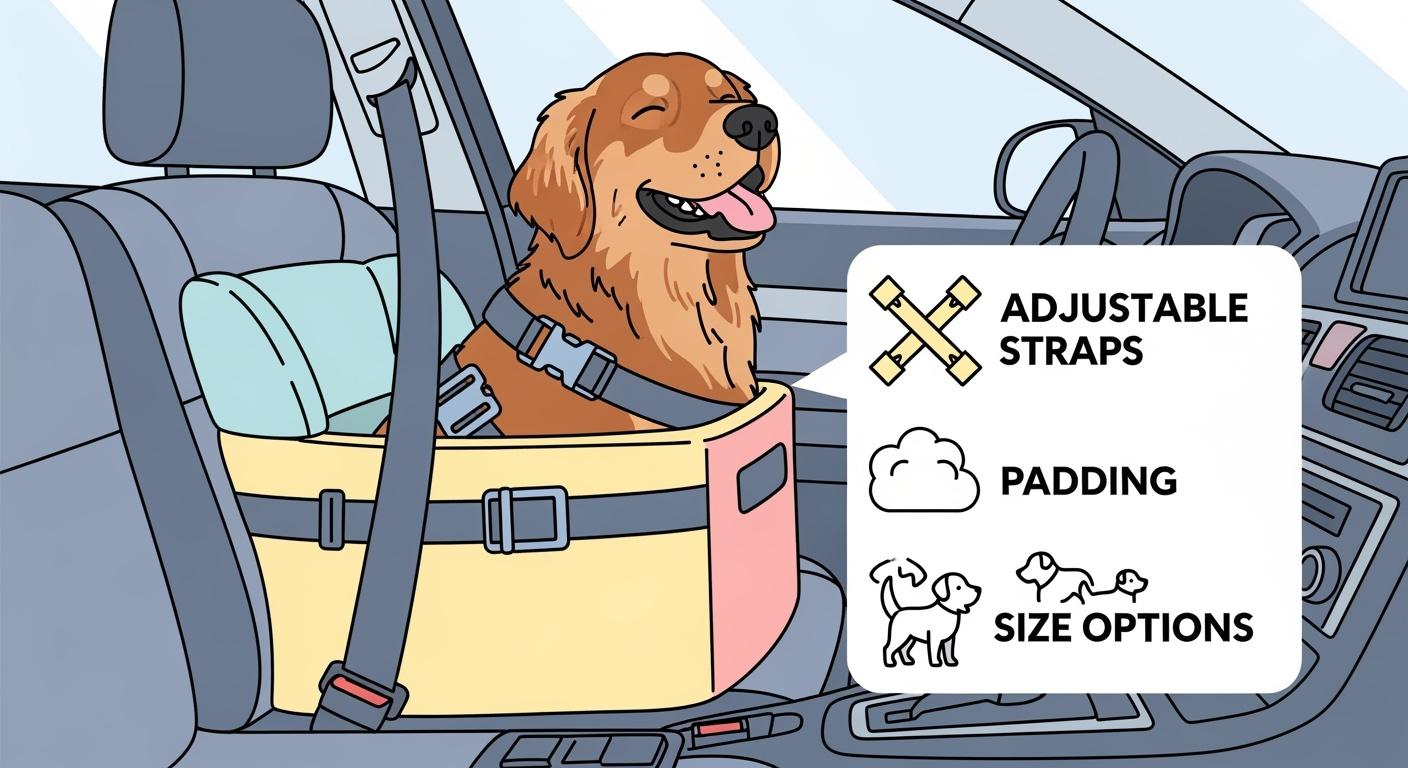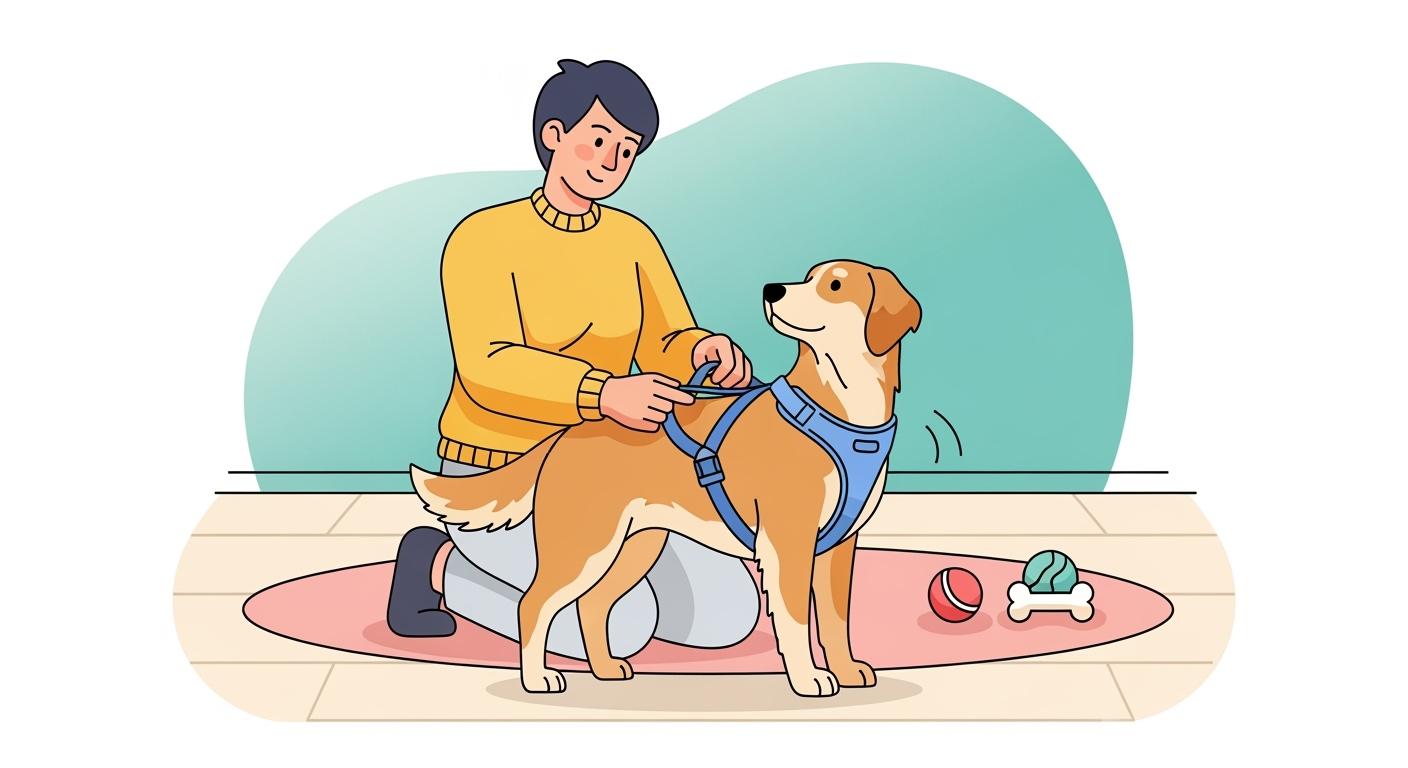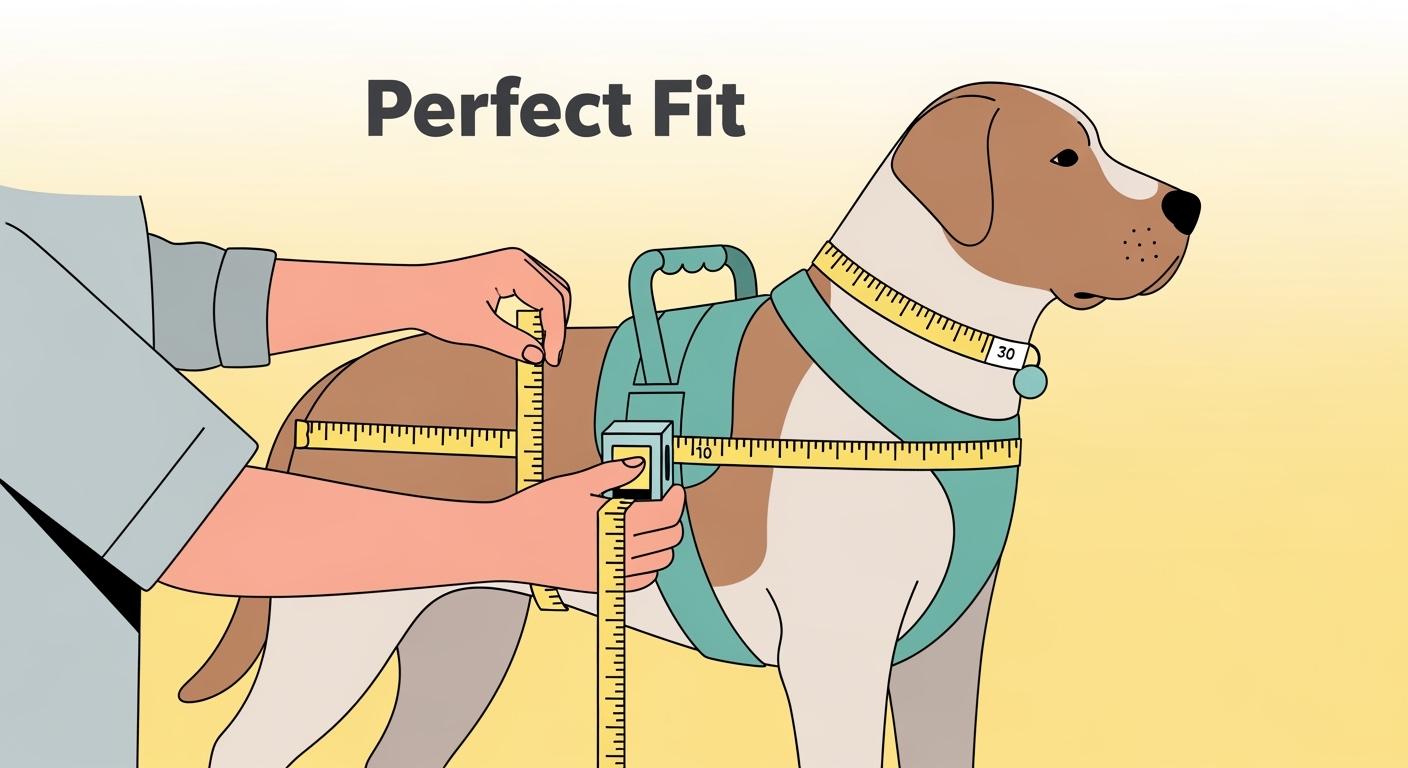
You want control, stability, and comfort for your large dog. Start by measuring chest girth behind the front legs and the neck at the base near the shoulders. A large dog harness with handle needs a secure fit to prevent rubbing or movement issues.
Proper fit keeps your dog comfortable and safe during walks.
A dog harness for large dogs that fits well lets your dog move freely and avoids sudden shifting or discomfort.
Always double-check your measurements. Avoid choosing by breed or label alone.
Key Takeaways
Measure your dog’s neck and chest accurately to ensure a proper fit. This prevents discomfort and keeps your dog safe during walks.
Adjust the harness straps so they sit flat and smooth. You should fit 1-2 fingers under each strap for a snug but comfortable fit.
Check for shoulder freedom and elbow clearance. The harness should allow your dog to move freely without rubbing or restricting movement.
Fit Guide for Large Dog Harness with Handle
Chest, Neck, and Strap Placement
You want your dog harness for large dogs to fit securely and comfortably. Start by gathering a soft measuring tape and a notepad. Measure your dog in three key spots. Use the table below to help you find the right points:
Measurement Point | Description |
|---|---|
Neck Girth | Measure around the base of the neck where a collar sits. The tape should be snug but not tight. You should fit two fingers under the tape. |
Chest Girth | Wrap the tape around the widest part of the chest, just behind the front legs. This is the most important measurement for a large dog harness with handle. |
Back Length | Measure from the base of the neck (where it meets the shoulders) to the start of the tail. Only use this if the size chart asks for it. |
Write down each number. Double-check your measurements for accuracy. Do not guess based on your dog’s breed or a generic size label. Every dog has a unique shape.
When you put the harness on your dog, adjust the straps so they sit flat and smooth. The chest strap should rest just behind the front legs. The neck strap should sit at the base of the neck, near the shoulders. If your harness has a front ring, make sure the large dog harness with front ring sits centered on the chest.
After adjusting, check the fit:
You should fit 1-2 fingers under each strap. This keeps the harness snug but not too tight.
The harness should not roll, twist, or slide around.
The side hardware should sit halfway between the back and the belly for front-buckle styles.
A proper fit helps your dog harness for large dogs stay in place during walks and prevents rubbing or pinching.
Checking Shoulder Freedom and Elbow Clearance
You want your dog to move freely and stay comfortable. Check that the harness does not block the shoulders or rub behind the elbows. Your large dog harness with front ring should allow your dog to walk, run, and turn without restriction.
Follow these steps:
Watch your dog walk and sit while wearing the harness.
Look for smooth movement in the shoulders. The harness should not press into the shoulder blades.
Check the area behind the front legs. The straps should not touch or rub the elbows.
Make sure the handle sits flat on the back and feels stable when you use it for brief control.
A good dog harness for large dogs spreads pressure across the chest and shoulders. It does not dig into the skin or cause your dog to limp. If you see redness, hair loss, or your dog tries to scratch the harness, adjust the straps or try a different size.
Tip: Take your dog for a short walk after fitting the harness. Watch for any signs of discomfort or shifting. Adjust as needed for the best fit.
Note: This content is general product-fit guidance, not medical advice. If your dog shows pain, skin injury, limping, or has special mobility needs, consult your veterinarian.
Key Features of Large Dog Harness with Handle
Handle Stability, Padding, and Adjustability
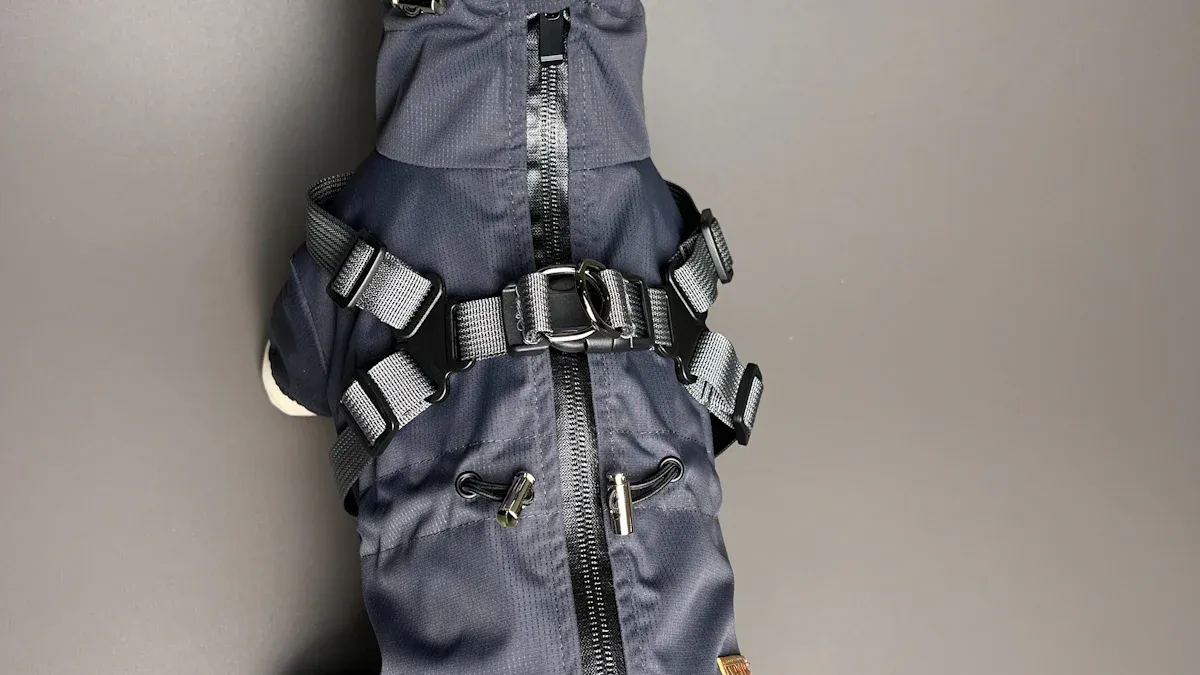
When picking a large dog harness with handle, you want control and comfort. The handle should lay flat on your dog’s back. This handle lets you grab your dog quickly in busy places or at curbs. It helps you stop your dog fast if needed. Do not use the handle to lift your dog or for medical help.
Padding is important for a comfortable harness for large dogs. Soft padding keeps your dog’s skin safe and spreads pressure over the chest and shoulders. Wide straps help spread weight. This is important for a dog harness for large dogs. Thin straps can press into the skin and cause pain.
An adjustable harness for large dogs lets you change the straps for your dog’s shape. Multi-point adjustment means you can change the fit at the neck, chest, and belly. This stops rubbing and keeps the harness tight during walks. Strong handles make the harness stable. Small handles are good for quick, light control.
Clip Types and Load Distribution
You have different leash attachment choices. Each type works best for certain needs. The table below shows the main types:
Harness Type | Design Description | Best For | Pros | Cons |
|---|---|---|---|---|
Front-Clip Harness | Leash attaches to a ring on the chest. | Dogs that pull a lot. | Helps stop pulling, easier to steer your dog. | Needs time to adjust; bad fit can block movement. |
Dual-Clip Harness | Has rings on both chest and back. | Training flexibility. | Good for training and easy walks; great for puppies. | A bit heavier; may need more changes. |
Back-Clip Harness | Leash attaches to a ring on the upper back. | Calm dogs. | Easy to put on, comfy for simple walks. | Less control; can make pulling worse. |
A no-pull dog harness for big breeds often uses a front-clip or dual-clip harness. These help you guide your dog and stop pulling. For hiking, a dog harness for hiking with a strong handle and wide straps gives you better control on trails.
Materials matter for a dog walking harness for large dogs. Nylon is strong and resists water. Polyester blocks UV rays and dries fast. Neoprene feels soft and fits snug but is heavier. Mesh lets air in but wears out faster. Leather lasts long but is heavy and costs more.
Material | Advantages | Limitations |
|---|---|---|
Nylon | Strong, water-resistant, light, affordable | Can cause skin problems, breaks down in sun, not very breathable |
Polyester | Blocks UV, dries fast, keeps its shape | Not very breathable, may bother sensitive skin |
Neoprene | Very soft, waterproof, fits snug | Heavy, costs more, easy to chew |
Mesh | Lets air in, light, easy to clean | Not strong for big pullers, wears out fast |
Leather | Lasts long, bends easily, looks nice | Heavy, needs time to soften, costs more |
A reflective harness for large dogs keeps your dog safe at night. Smooth edges stop rubbing behind the elbows. Always check that the harness lets shoulders move and stays steady when used.
Tip: Take your dog for a short walk to test the harness. Adjust it for your dog’s best comfort and fit.
Common Mistakes and Troubleshooting
Sizing and Adjustment Errors
Problems happen if you pick a harness by breed or size label. Always measure your dog’s body. Some people make straps too tight. This can hurt your dog. Others do not place straps right. This can cause rubbing or stop your dog from moving well. Do not use only the handle to control your dog. Look for spots that rub behind elbows and under armpits. Not every harness shape fits all large dogs.
Note: This is general advice about product fit. It is not medical advice. If your dog has pain or trouble moving, ask your vet.
Pass/Fail Fit Checklist Table
Check your harness fit with this table:
Check Item | Pass Signal | Fail Signal | Fix |
|---|---|---|---|
Dog moves naturally | ✅ | ❌ | Adjust harness fit |
Harness stays secure | ✅ | ❌ | Tighten or reposition |
Leash allows control | ✅ | ❌ | Shorten for busy areas |
Straps sit flat | ✅ | ❌ | Smooth and retighten |
No rubbing at elbows | ✅ | ❌ | Adjust strap placement |
Harness Comparison Table
Compare harness choices for your big dog:
Option | Best For | Watch-outs | Fit Note |
|---|---|---|---|
Front-clip | Pulling control | May block movement | Center chest ring |
Back-clip | Calm walks | Less control | Easy to put on |
Dual-clip | Training flexibility | Heavier, more changes | Adjust both rings |
Broad straps | Load spreading | Can be bulky | Check shoulder freedom |
Narrow straps | Lightweight | May dig in | Watch for rubbing |
Reinforced handle | Brief control | Not for lifting | Handle sits flat |
Troubleshooting Table for Slipping, Rubbing, Control
Use this table to fix common harness problems:
Symptom | Likely Cause | Fast Check | Fix |
|---|---|---|---|
Harness slips | Fitting too loose | Two-finger rule | Tighten straps |
Rubbing | Poor strap placement | Check armpits/elbows | Adjust fitting |
Harness rotates | Uneven fitting | Observe during turns | Center and retighten |
Restricted movement | Fitting too tight | Watch walking/sitting | Loosen fitting |
A harness for large dogs should sit flat between the shoulders. The chest strap goes on the breastbone. Straps must not press into the armpits. Always check your measurements. Watch your dog move after fitting the harness.
FAQ: Large Dog Harness with Handle
Sizing and Fit Questions
How do you measure your dog for a harness?
Use a soft tape to measure around the widest part of your dog’s chest, just behind the front legs. Measure the neck at the base, near the shoulders. Compare these numbers to the size chart for your harness.What if your dog is between sizes?
Choose the larger size for comfort, but check the harness for a secure fit. Adjust the straps so the harness sits snug but not tight.Can you get a harness for an “odd-shaped” dog?
Many brands offer adjustable harnesses or can help you find the right fit. If your dog has a unique shape, look for harnesses with multi-point adjustment.Is this harness suitable for puppies?
Yes. Measure your puppy often, as they grow quickly. Adjust or size up as needed.
Check the fit every few months, especially if your dog is still growing or has gained or lost weight.
Slipping Out and Rubbing Issues
Make sure the harness fits snugly. You should fit one or two fingers under each strap.
The chest strap should sit across the chest, not the throat.
The harness should not rub behind the front legs or block movement.
If your dog backs up, the harness should stay secure.
If you see redness or your dog seems uncomfortable, adjust the straps or try a different size.
Handle Use and Control
Design Feature | Impact on Control |
|---|---|
Padded grips | Reduces hand strain during long walks. |
Ergonomic shapes | Improves comfort and control for strong dogs. |
Reflective elements | Increases safety in low-light conditions. |
Traffic leashes | Keeps your dog close in crowded areas. |
Use the handle for brief, close control in busy places, at curbs, or during training. Do not use it to lift your dog.
Comfort and Adjustment Tips
Adjust the shoulder straps so the harness does not slide backward.
Keep the belly strap snug but not tight to avoid discomfort.
Make sure the chest strap stays centered and does not shift to the side.
If the harness seems too large, your dog may back out of it. Adjust for a secure fit.
A well-fitted harness lets your dog move naturally and keeps pressure off the throat. Always check for signs of rubbing or discomfort after walks.
Follow these steps for the best harness fit:
Use a soft tape to measure neck and chest.
Add space for comfort and growth.
Check body length if needed.
Track your dog’s weight.
Use the tables for troubleshooting. This guide does not replace veterinary advice. Choose comfort and safety every walk.
FAQ
How often should you check harness fit?
You should check the harness fit every month. Dogs grow and change shape. Adjust straps for comfort and safety.
What if your dog slips out of the harness?
Tighten the straps.
Check chest and neck measurements.
Try a harness with more adjustment points.
Can you use the handle for lifting your dog?
Use Case | Safe? |
|---|---|
Brief control | ✅ Yes |
Lifting | ❌ No |
Use the handle for close control only.