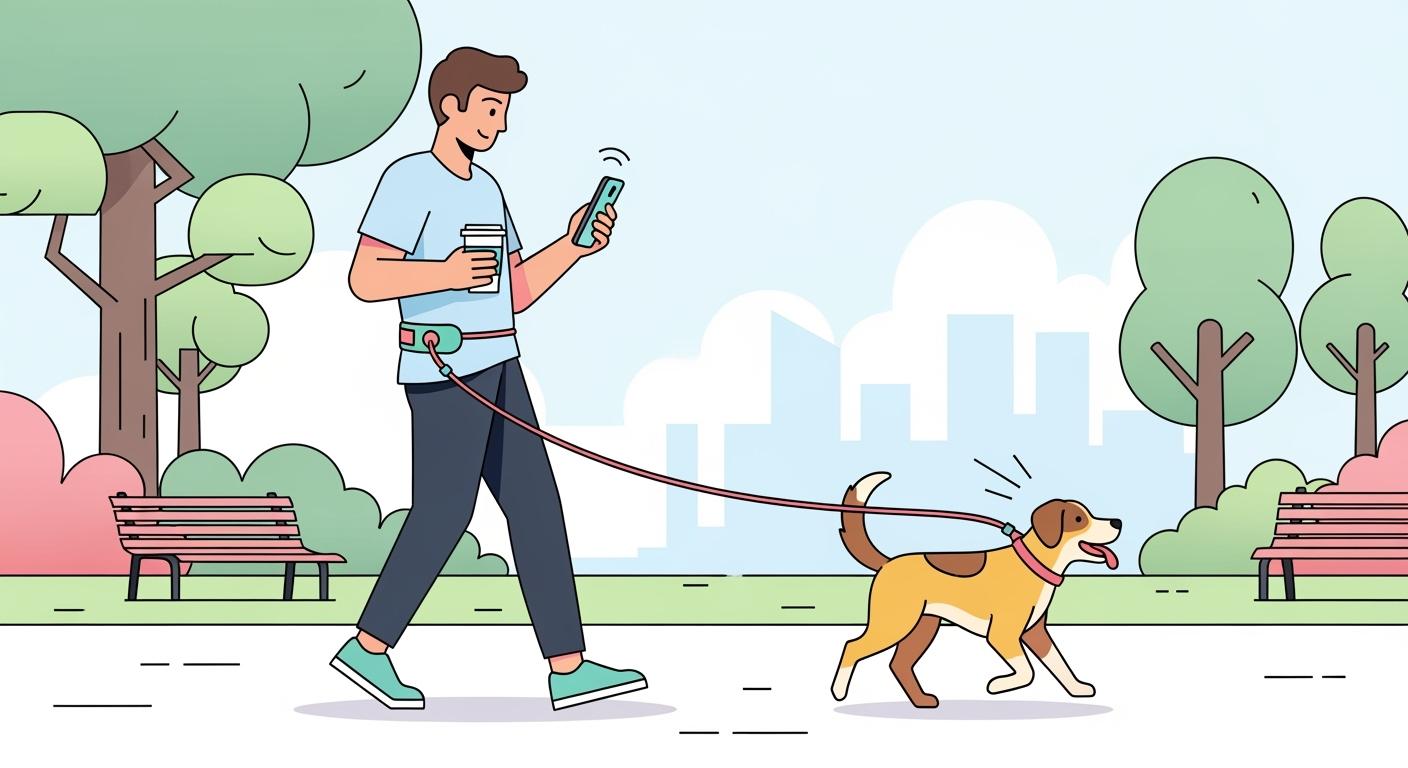
You should pick a hands-free dog leash that fits your dog’s habits and your needs. This tool does not work for every dog or every walk. Comfort, control, and fit are very important. Dogs that pull hard or have sensitive airways need a harness.
This article does not give medical advice. Talk to a vet if your dog has health problems.
Reason for Preference | Explanation |
|---|---|
Better teamwork | The leash connects close to your body, so you can guide your dog easily. |
Less body stress | A light leash spreads the force over your body, so your arms and shoulders do not hurt as much. |
Key Takeaways
Pick a hands-free dog leash that matches your dog’s actions and your daily routine. This helps you stay comfortable and in control when you walk your dog. Always use a harness if your dog pulls a lot or has a sensitive throat. Keep your dog near you in crowded or dangerous places to keep them safe. Look at your leash and gear before each walk. Practice using fast-control parts so you are ready for anything.
Hands-Free Dog Leash: Pros and Cons
Convenience vs. Control
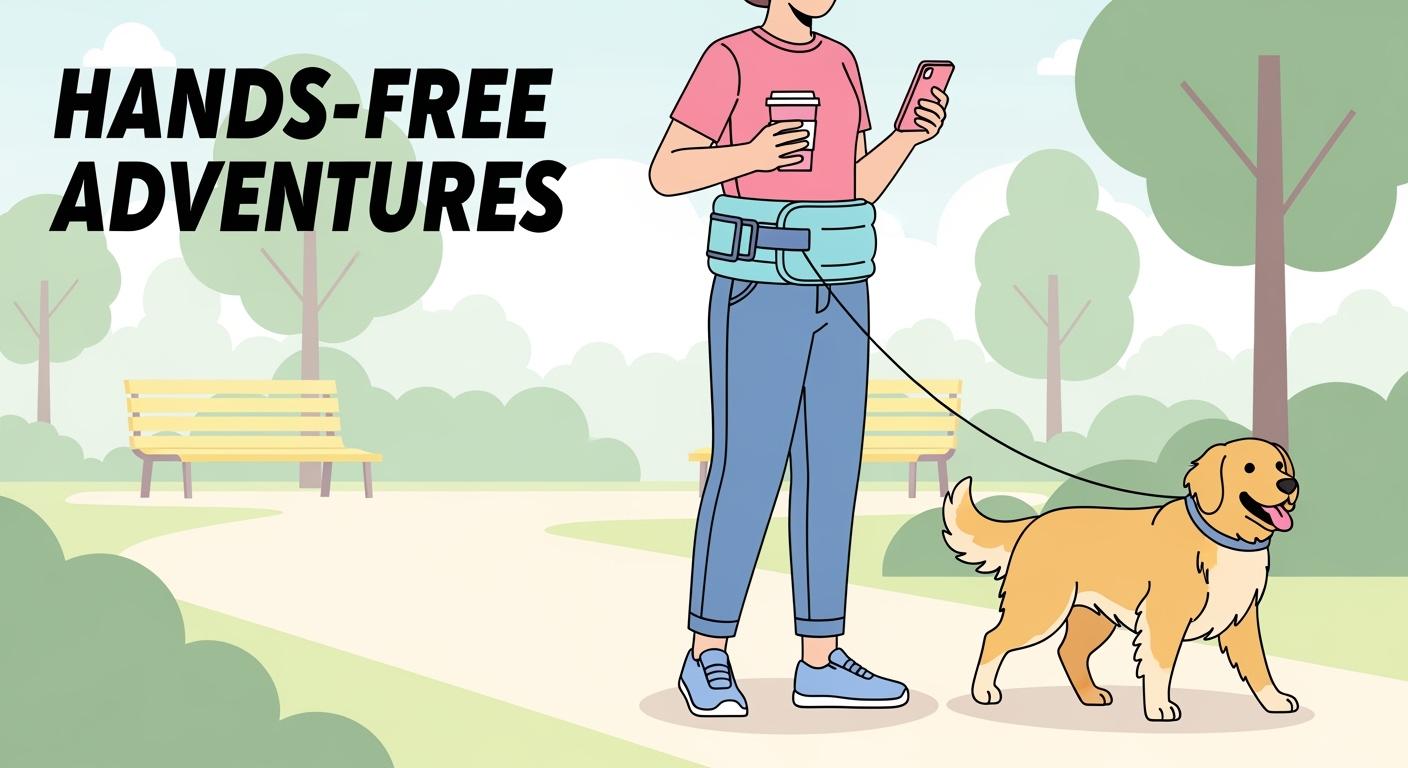
A hands-free dog leash gives you freedom to move. You can carry groceries, answer your phone, or tie your shoes without dropping the leash. Many people like the lightweight feel and the way it spreads force across your waist. This setup works well for jogging, hiking, or when you need maximum versatility. You can even walk two dogs with some models.
Tip: Always keep your dog close in busy areas. A simple hands free leash does not replace careful supervision.
Control changes when you switch from a standard leash to a wearable hands free dog leash. You may notice less direct grip. The table below shows how leash type affects pulling incidents:
Leash Type | Dog Pulling Incidents per Walk |
|---|---|
Resistance Band Leash | 4.8 |
Standard Leash | 1.9 |
You get more convenience, but you must stay alert. Hands-free leashes do not make walks safer by default. Use short-control logic near roads, bikes, or crowds.
Dog Behavior and Suitability
You need to match the leash to your dog’s habits. Calm dogs or those with good leash manners adapt well to hands-free setups. Strong pullers or dogs that lunge may need a harness for safety. If your dog chases traffic or reacts to other animals, you should use a hand-held leash for better control.
Versatility matters. Choose a leash that fits your daily routine. If you want maximum versatility, look for adjustable features and reflective details. Always check the fit and adjust the leash before every walk.
Note: If your dog has airway sensitivity or pulls hard, use a harness and consult your vet.
Choosing a Hands-Free Dog Leash for Walks, Jogging, and Hiking
A hands-free dog leash works best as a tool for specific activities. You should not see it as an automatic safety upgrade. You need to match the leash to your activity, your dog’s leash manners, and your walking environment. This approach helps you keep control and comfort during every outing.
Fit, Comfort, and Adjustability
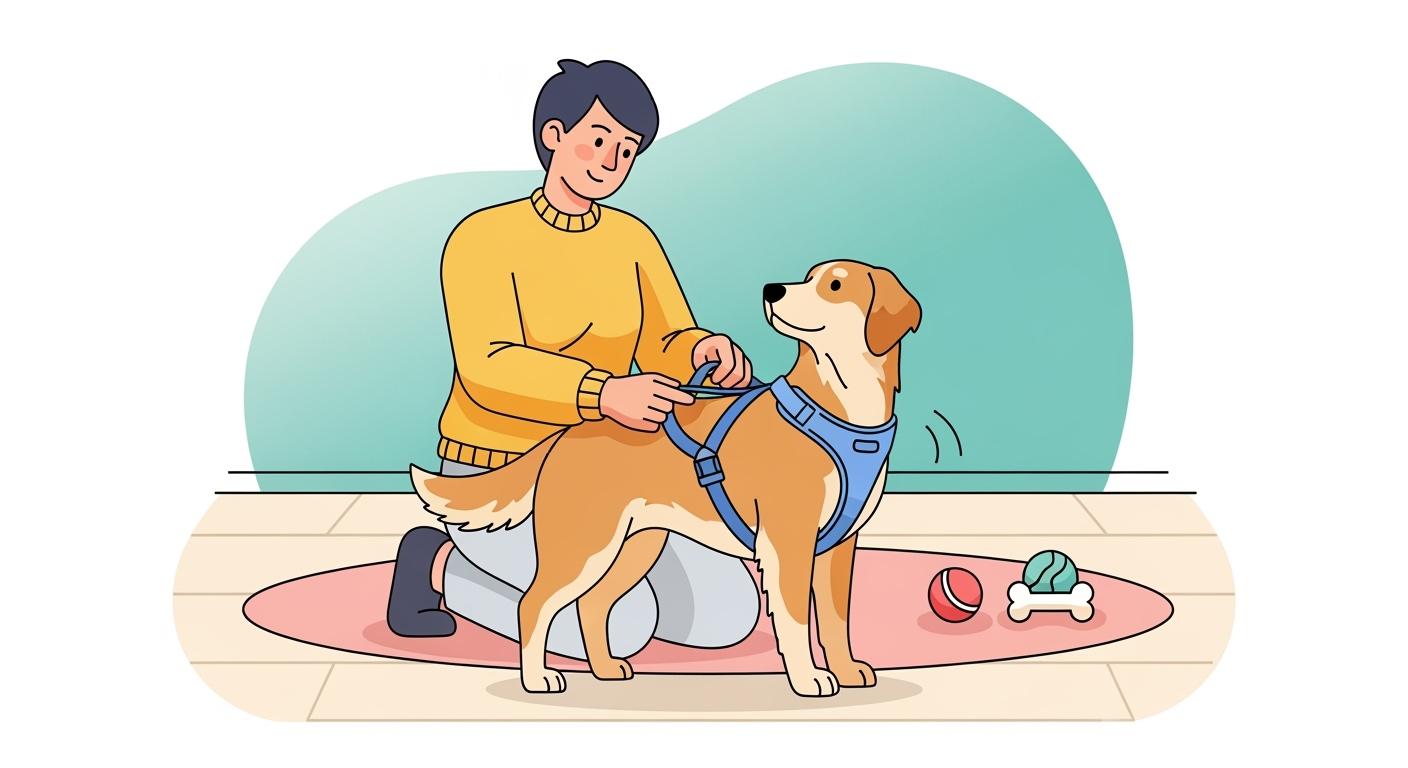
You want a leash that feels good and fits well. Start by checking the ergonomic design. This spreads the pulling force across your hips and core, which reduces strain on your arms and shoulders. If you have a strong dog, this feature matters even more. You should always use a harness for strong pullers or airway-sensitive dogs. A harness protects your dog’s neck and gives you better control.
Look for adjustability in the belt and leash. A secure fit keeps the leash from sliding or twisting while you move. Some leashes have leg straps that hold the belt in place during runs or hikes. Padded comfort helps if you plan to walk for a long time. You may want a lightweight design for daily walks or outdoor adventures. If you walk two dogs, choose a multiway hands free leash with enough strength and flexibility.
Here is a table to help you compare key features:
Factor | Description |
|---|---|
Ergonomic Design | Spreads force for less body strain. |
Adjustability | Lets you fit the belt securely, even for strong pullers. |
Activity Suitability | Choose features for walking, jogging, or hiking. |
Leg Straps | Keep the belt from sliding out of place. |
Padded Comfort | Makes long walks or runs more comfortable. |
Specialized Features | Some leashes work for canicross or skijoring. |
You should also think about leash material. Nylon is strong and affordable, but it can get heavy and slippery when wet. Biothane stays waterproof and keeps its grip, even in rain or mud. Leather gets softer over time and spreads pressure well, but you need to care for it to prevent cracks. For maximum versatility, look for a leash with cloud webbing softness, durable hardware, and a 4-in-1 convertible design. These features let you switch between hands-free walking without extra hardware, a classic hold, or a training lead.
Bungee, Fixed, and Quick-Grab Features
You need to choose between convenience and control features. A bungee section absorbs sudden pulls. This can protect your joints and make walks smoother, especially if your dog gets excited or pulls. For example, a person with shoulder pain found that a bungee leash and a front-clip harness made walks easier and less painful. You should always check the bungee for wear and avoid overstretching it.
A simple hands free leash with a fixed length gives you steady control. This works well for calm dogs in open spaces. If you want maximum flexibility, pick a leash with a quick-grab handle. This lets you take fast control in busy areas, like near roads or crowds. You should never rely on a wearable hands free dog leash alone in high-traffic places. Always keep your dog close and use short-control logic.
Here is a table to compare leash types:
Leash Type | Benefits | Safety Considerations |
|---|---|---|
Bungee Leash | Absorbs pulls, protects joints, good for excitable dogs | Check for wear, avoid overstretching, pair with harness |
Hands-Free Waist Leash | Transfers force to hips, reduces arm strain, great for runners/hikers | Use with front-clip harness, avoid in crowds or with aggressive dogs |
Fixed Leash | Steady control, simple to use | Less shock absorption, best for calm dogs |
Quick-Grab Feature | Fast control in busy spots | Use for safety, not as main control |
You should also look for reflective details if you walk near roads or in low-light conditions. This keeps you and your dog visible to drivers and cyclists. A durable leash with strong stitching and smooth hardware will last longer and keep you safe.
Tip: Always test your leash in a quiet area before using it on busy streets. Make sure you can adjust it quickly and grab control when needed.
A hands-free dog leash gives you convenience and versatility, but you must choose the right features for your dog and your routine. You can enjoy hands free walking, but safety and control should always come first.
Safety Checks and Everyday Use Tips
A hands-free dog leash works best as a use-case tool. You should not treat it as an automatic safety upgrade. You need to check your gear and your dog’s behavior before every outing. Safety comes first, especially near roads, bikes, or crowds. You must stay alert and ready to take control.
Pass/Fail Checklist for Hands-Free Leash
Use this checklist before you start your walk. If you walk two dogs, check each leash and harness.
Check Item | Pass Signal | Fail Signal | Fix |
|---|---|---|---|
Waist belt fits snugly | 👍 | 👎 | Adjust straps for secure fit |
Buckle locks audibly | 👍 | 👎 | Refasten and check for obstructions |
Bungee cord shows no wear | 👍 | 👎 | Replace cord if frayed or stretched |
Harness fits dog well | 👍 | 👎 | Adjust or replace harness |
Quick-release works | 👍 | 👎 | Test and fix mechanism |
Reflective details visible | 👍 | 👎 | Add reflective tape or gear |
Note: Hands-free leashes are not always safer than hand-held leashes. You must use a safety backup in busy areas and keep your dog close.
Sizing, Adjusting, and Fast Control
You need to size and adjust your simple hands free leash for comfort and safety. Start by placing the lightweight belt around your waist or hips. Tighten the straps until you can fit two fingers between the belt and your body. Secure the buckle and check that nothing blocks the release. Attach the bungee tether to the front D-ring. Clip the other end to your dog’s harness. Never connect to a collar if your dog pulls. Test the tension by gently pulling the cord. Check all connections before you leave.
If you need fast control, use the quick-release or grab handle. This safety backup helps you manage your dog during emergencies. It prevents escape and gives first responders a secure way to help. You must stay aware of your surroundings and avoid overextension of the leash.
Short-use disclaimer: If the weather is hot or smoky, limit outdoor activity. Watch for signs of overheating, fatigue, or airway sensitivity. If your dog shows distress or persistent pulling, consult your veterinarian.
Common Mistakes and Troubleshooting
A hands-free dog leash is good for certain activities. It does not make every walk safer by itself. Many people make mistakes when they try this leash for the first time. You can stop problems if you know what to look for and how to fix them.
Comparison Table: Leash Types and Activities
Setup Type | Best Use Case | Control Feel | Main Watchout |
|---|---|---|---|
Waist hands-free leash | Jogging, hiking | Moderate | Avoid with unpredictable lungers |
Bungee leash | Excitable dogs | Softer, less direct | Do not rely on stretch for control |
Fixed leash | Calm dogs, daily walks | Firm, direct | Less shock absorption |
Quick-grab handle | Busy areas, crossings | Fast, secure | Must test for easy access |
Multiway leash (walk two dogs) | Dual dog walks | Flexible | Check hardware for strength |
Pick the right leash for your activity and your dog’s habits. Always make sure the leash fits well and has reflective parts you can see at night.
Troubleshooting Table: Common Issues
Symptom | Likely Cause | Fast Check | Fix |
|---|---|---|---|
Too much slack near traffic | Leash too long or loose | Measure leash length | Shorten leash, use quick-grab |
Dog pulls hard | Wrong connection point | Check harness vs collar | Switch to harness, practice training |
Sudden escapes | Faulty buckle or hardware | Inspect all connections | Replace worn parts |
Poor night visibility | Lack of reflective details | Look for visible strips | Add reflective tape or gear |
Dog distracted or anxious | Walking too quickly | Observe dog’s pace | Slow down, reward calm behavior |
Leash fraying | Material wear | Feel for rough spots | Replace with lightweight, durable leash |
Tip: Practice walking with a loose leash in quiet places. Check your leash and harness every month. Give your dog treats for good behavior instead of just correcting mistakes.
You can stop most problems by using a harness that fits well. Do not use retractable leashes. Keep your dog close when you are in busy places. Always pay attention and be ready to grab control fast.
A hands-free dog leash is good for certain activities. You should pick one that feels comfortable and is easy to control. Try to find a leash that is not heavy. Test your leash in a quiet place before using it in busy spots. Make sure the leash has features that fit your daily routine and your dog’s needs.
Training at home helps your dog learn basic rules.
The right collar keeps your dog safe and comfortable.
Service/Condition | Description |
|---|---|
Comprehensive evaluations | Check your dog’s health and behavior for leash problems. |
Health-first approach | Make sure health is not causing pulling or reactivity. |
Always ask your veterinarian for help if your dog keeps having health or behavior problems.
FAQ
When should you switch back to a hand-held leash?
You should switch if your dog lunges, reacts to traffic, or needs close control. Hand-held leashes give you more grip in busy or unpredictable areas.
How do you know if a harness is the better pairing?
You should use a harness if your dog pulls hard or has airway sensitivity. A harness spreads pressure and protects your dog’s neck during walks.
Is a running-style hands-free leash too much for some dogs?
You should avoid running setups if your dog lacks leash manners or gets anxious. Start with slow walks and build confidence before trying hands-free running.