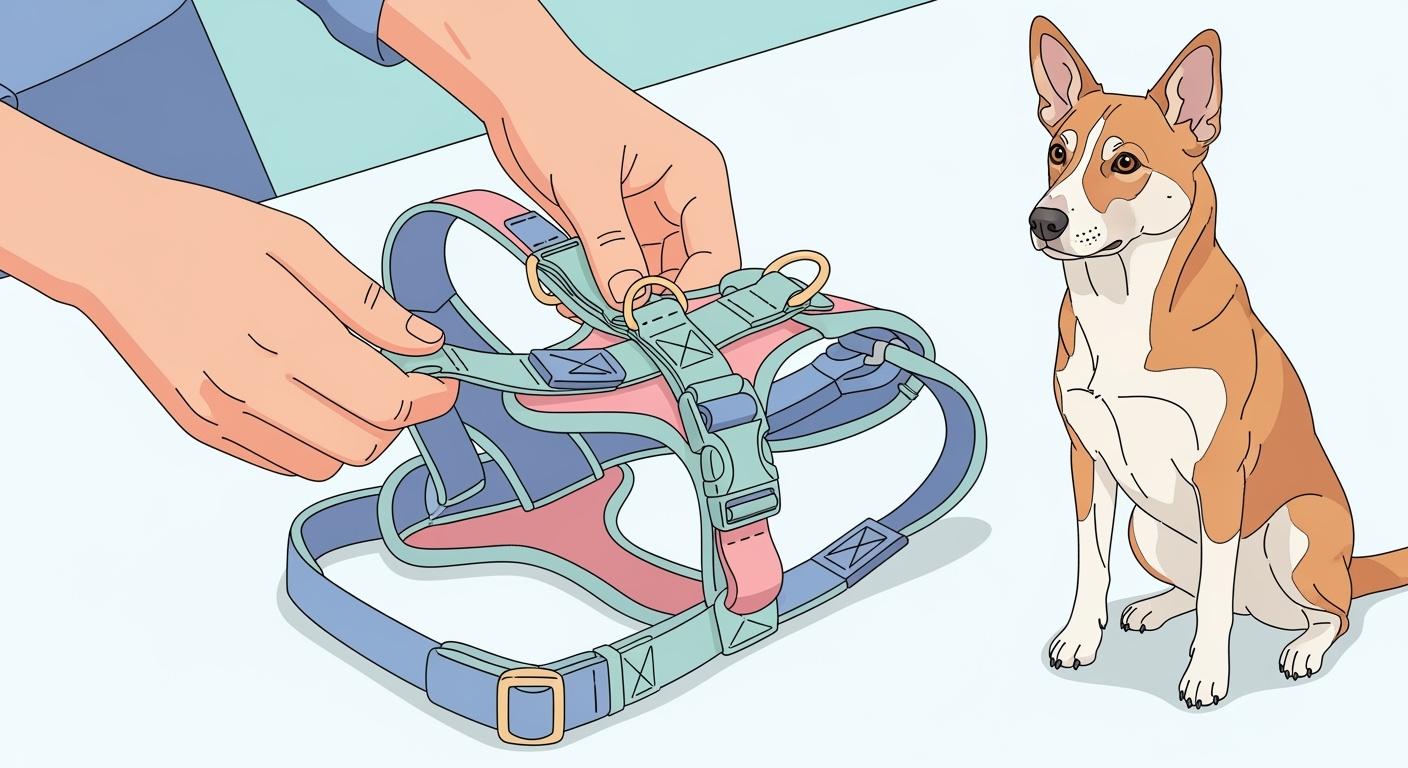
A durable dog harness should stay secure at the neck and chest, hold its adjustment, and stand up to repeated use. Before you buy, inspect the fit, shoulder clearance, webbing, stitching, hardware, and cleanability. A harness can look heavy-duty and still rub, shift, or loosen under tension. Real durability means it stays comfortable on daily walks without creating a false sense of escape resistance or car safety.
Key Takeaways
- Always measure your dog’s neck and chest first. This helps the harness fit right. A good fit stops escapes. It also keeps your dog comfortable.
- Look at the harness for shoulder and elbow space. A good harness lets your dog move easily. It should not pinch or rub your dog.
- Check the stitching and hardware for strength. Strong stitching keeps the harness safe. Solid metal rings help keep your dog safe on walks.
8 Key Checks for a Durable Dog Harness
A durable dog harness must pass eight key checks before you buy, when you adjust it, and after your first real walk. These checks fall into four groups: fit, build, retention, and upkeep. You can use this step-by-step guide to inspect each weak point and make sure your harness keeps your dog safe and comfortable.
Proper Fit at Neck and Chest
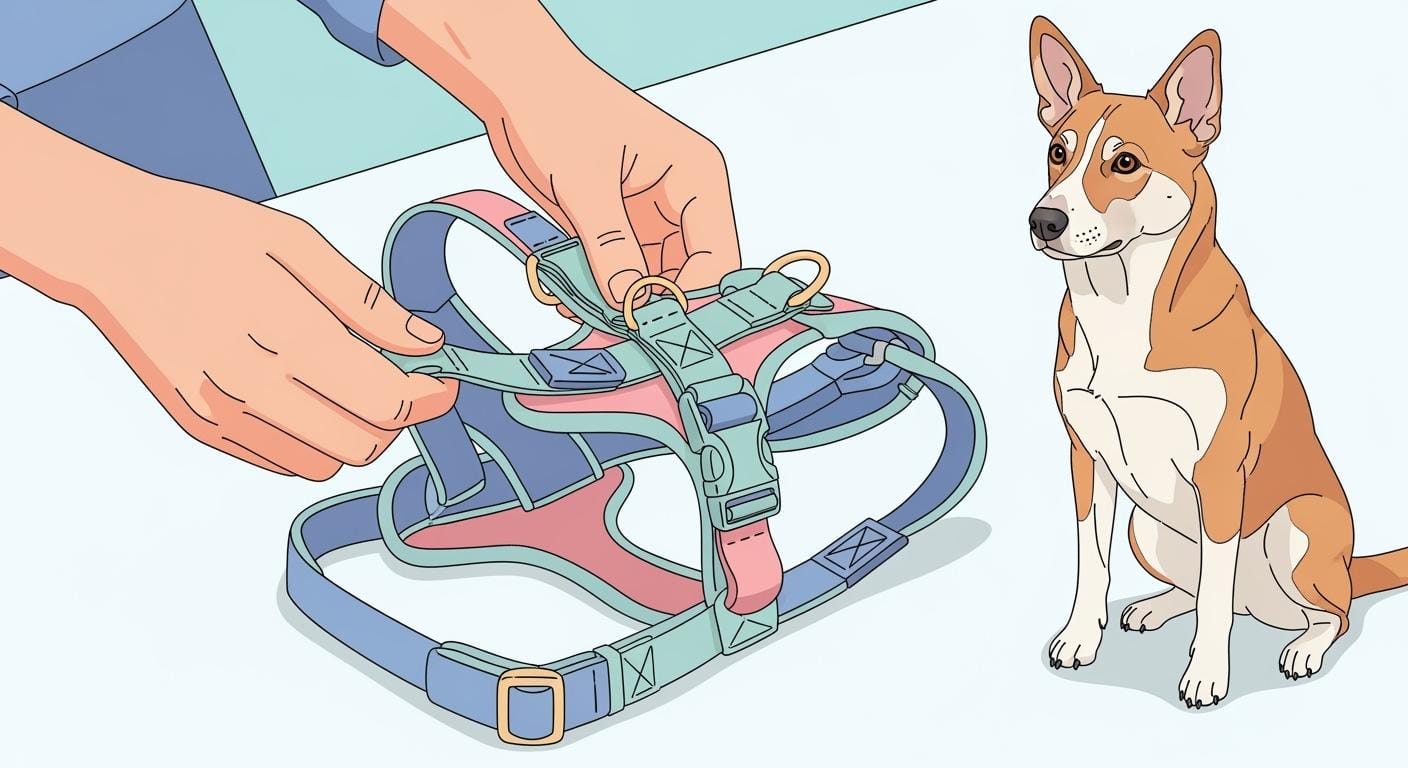
Measure your dog’s neck base and chest before you buy a harness. Use a tape measure where the neck meets the shoulders and around the widest part of the chest, just behind the front legs. Then compare those numbers with the size chart for that model. The neck opening should sit at the base of the neck instead of riding up on the throat, and the chest section should stay centered when your dog stands and turns. A poor fit can make even a durable-looking harness shift, rub, or feel easier to back out of, so recheck the fit after the first real walk.
Tip: Try both step-in and over-the-head styles to see which entry suits your dog best. Some dogs prefer one style over the other.
Shoulder and Elbow Freedom
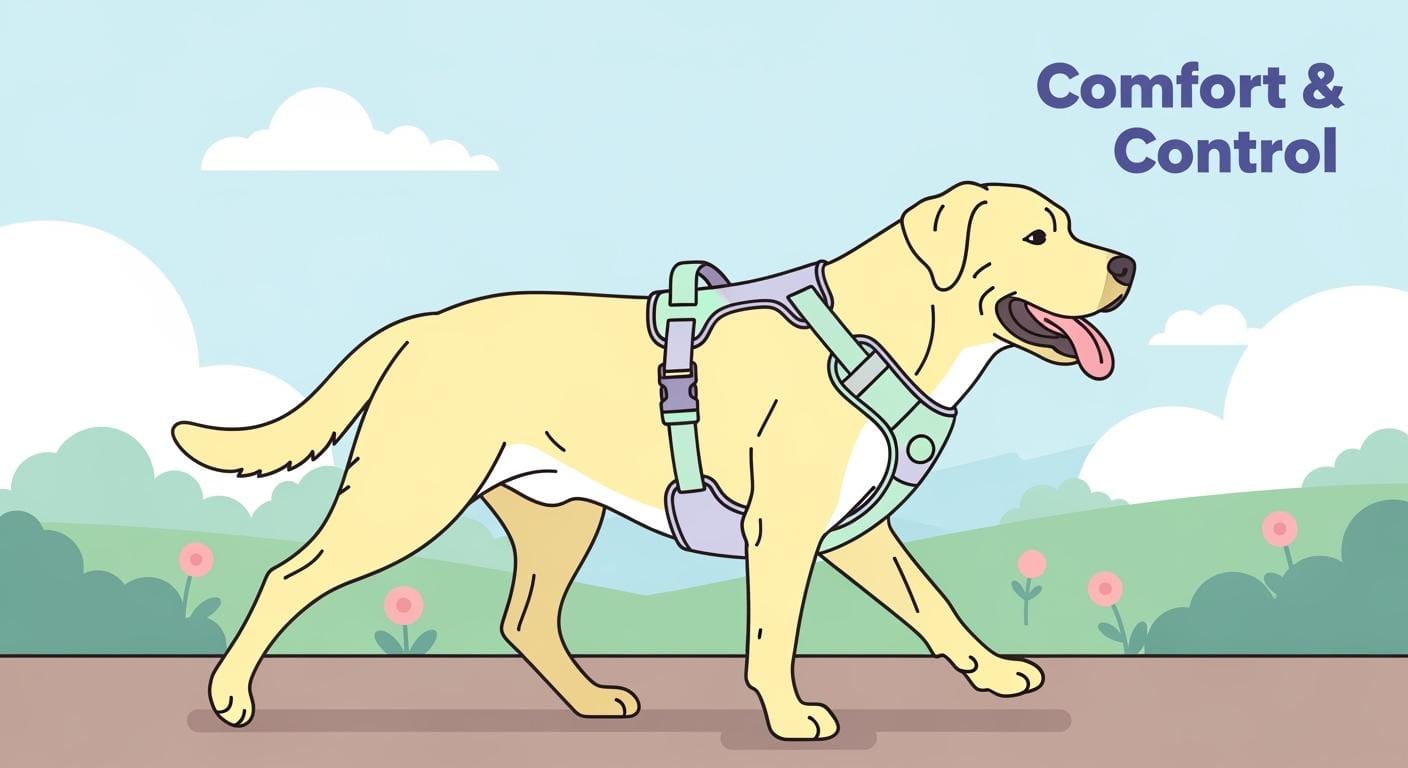
Durability is not just about tough materials. Your dog still needs free shoulder and elbow movement. The belly strap should sit behind the front legs without crowding the elbows, and the chest area should not block a natural stride. If the harness shortens your dog’s step, causes rubbing, or makes your dog move stiffly, the design or fit is not working even if the shell looks rugged.
| Design Feature | Description |
|---|---|
| Fit of the harness | Allows shoulders to move freely without pinching or rubbing. |
| Neck opening position | Sits at the base of the neck to avoid pressure on the throat. |
| Chest section | Stays centered to prevent shifting during movement. |
| Belly strap placement | Positioned behind the front legs with clearance from the elbow area. |
| Movement observation | Restriction can lead to shortened stride and discomfort in the shoulders. |
Webbing and Edge Finish
You should inspect the webbing and edge finish for signs of durability. The webbing must feel dense and have a clean weave. Avoid harnesses with loose fuzzing, thin spots, or easy fold lines. The edge finish should be smooth and not scrape your hand. Rough seams can rub behind the elbow and cause chafing. The best harness for dogs that pull uses strong webbing and smooth edges to prevent early wear.
| Check point | Better signal | Watchout |
|---|---|---|
| Webbing and outer layer | Dense feel, clean weave, no fuzzing | Soft fraying, thin spots, easy fold lines |
| Edge finish | Smooth binding, no scraping | Rough seams, rub behind elbow |
Stitch-Zone Quality
Check the stitching in high-stress areas such as the leash-attachment zone, buckle bases, and adjustment points. The stitch lines should look tight, even, and well finished rather than loose, skipped, or bunched. A harness marketed as durable should not show weak thread tension in the places that take the hardest load during pulling, sudden stops, or repeated daily use.
Note: If you see loose threads or gaps, the harness may not last long. Replace it before failure.
Hardware and Leash Ring Strength
Check the hardware and leash ring for stability and clean assembly. The ring and buckle pieces should sit firmly in place without wobbling, sharp edges, or obvious thin points. Tug them lightly after fitting the harness. If the hardware twists, rattles, or looks poorly seated, the harness may not hold up well under repeated leash tension.
Adjuster Hold and Slip Resistance
Check the adjusters for real slip resistance, not just adjustability on paper. Multiple adjustment points help you fine-tune the fit, but they only matter if the straps stay where you set them. After fitting the harness, tug the webbing and watch for creeping. If the harness loosens during a short walk, durability is already a concern because changing strap length can affect both comfort and escape resistance.
Alert: Always check adjusters after your first walk. Adjusters can slip under tension, especially with strong pullers.
Back-Out and Escape Resistance
Test the harness for back-out risk before you trust it on a full walk. A secure fit at the neck base, a centered chest section, and a belly strap that sits far enough behind the front legs all help reduce the chance of slipping free. Do a gentle reverse-pressure check in a safe space. If the harness shifts off-center or your dog can work backward out of it, the problem is fit, shape, or adjustment hold—not just overall thickness.
- A neck opening that sits low and stable is usually better than one that rides up toward the throat.
- More adjustment points can help only when they hold evenly and do not keep slipping under tension.
- The safer signal is free movement without rubbing, pinching, or obvious stride shortening.
Cleaning and Dry-Out Ease
Clean the harness regularly and let it dry fully after wet or dirty use. Choose a design you can rinse, inspect, and reassemble without guessing which strap goes where. Quick-dry materials are easier to maintain, but you still need to check for trapped moisture, odor, and hidden wear around padding, seams, and hardware after cleaning.
Tip: Pet items can carry germs. Clean first, then disinfect as directed before using the harness again.
Step-by-Step Guidance for Inspection:
- Measure your dog’s neck base and chest.
- Compare measurements with the harness size chart.
- Try the harness on your dog and adjust all straps for a proper fit.
- Check shoulder and elbow freedom by watching your dog move.
- Inspect webbing, edge finish, and stitching for signs of wear.
- Test hardware and adjusters for strength and slip resistance.
- Do a gentle back-out check before your first walk.
- Clean and dry the harness after use, then inspect again for any changes.
A durable dog harness should pass all eight checks before you trust it for regular use. The goal is not the toughest-looking shell but a harness that fits cleanly, resists wear in high-stress areas, stays adjusted, and remains comfortable after repeated walks and cleanings.
Pass/Fail and Comparison Tables for Durable Harnesses
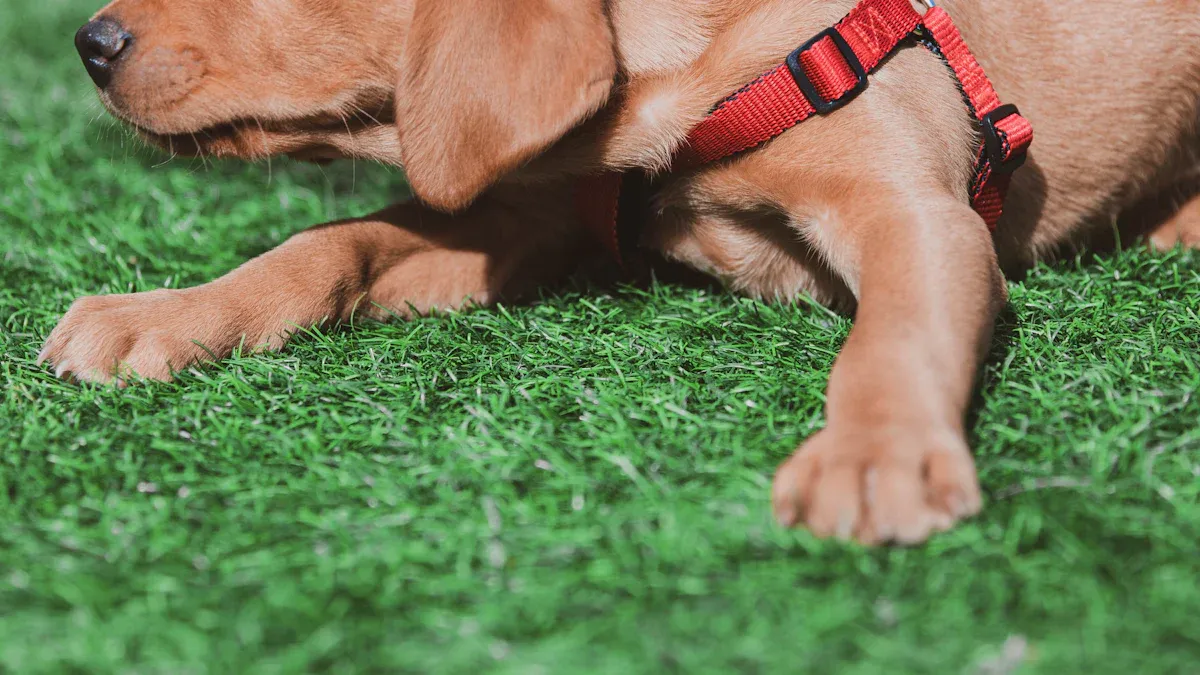
Pass/Fail Table for Durable Dog Harness
This table helps you see if a harness is safe and strong. Check for a pass signal before you buy or use a harness. If you notice a fail signal, fix it to keep your dog safe.
| Check Item | Pass Signal | Fail Signal | Fix |
|---|---|---|---|
| Neck and Chest Fit | Sits at neck base, chest centered | Tight on throat, shifts off chest | Adjust straps, remeasure, try new size |
| Shoulder/Elbow Freedom | Shoulders move freely, no pinching | Stride shortens, rubbing at elbows | Refit, choose better shape |
| Webbing and Edge Finish | Dense, smooth, no fraying | Thin, rough, fuzzing, sharp edges | Replace harness, inspect before walks |
| Stitch-Zone Quality | Tight, even stitches, no loose threads | Gaps, skipped stitches, loose threads | Replace or repair harness |
| Hardware/Leash Ring Strength | Solid, no wiggle, no rust | Bent, loose, rust, weak plastic | Replace hardware or harness |
| Adjuster Hold | Adjusters stay put, no slipping | Straps loosen during walk | Tighten, replace adjuster, check often |
| Back-Out Resistance | Dog cannot slip out backwards | Dog backs out easily | Adjust fit, test before walks |
| Cleaning/Dry-Out Ease | Cleans easily, dries fast, no odor | Stays wet, traps odor, hard to clean | Follow care label, dry fully, replace |
Tip: Always check these things after you clean the harness or use it a lot. Fixing small problems early stops bigger ones later.
Comparison Table: Common Durable Harness Designs
Durability is easier to judge when you compare how different harness builds handle comfort, movement, drying time, and daily wear. Use this table to see where extra padding helps, where lighter webbing makes maintenance easier, and where bulk can become a drawback.
| Feature | Padded Shell | Lighter Webbing | Front-Clip | Back-Clip | Dual-Clip | Everyday Use | Heavy-Duty | Quick-Dry | Water-Holding |
|---|---|---|---|---|---|---|---|---|---|
| Comfort | Softer, less chafing | Cooler, lighter | Reduces pulling | Easiest to clip | Most flexible | Yes | Yes | Yes | No |
| Movement | May restrict if bulky | Allows more freedom | May affect stride | No restriction | Adjustable | Yes | Yes | Yes | No |
| Cleaning | May trap water/odor | Dries faster | Easy | Easy | Easy | Yes | Yes | Yes | No |
| Best For | Sensitive skin, cold weather | Hot weather, active dogs | Training, control | Calm walkers | Versatile walks | Most dogs | Strong pullers | Outdoor use | Rare use |
| Example Use | Long walks, comfort | Running, hiking | Training sessions | Quick trips | Mixed needs | Daily walks | Large breeds | Rainy days | Swimming |
Choose a durable dog harness by matching the build to your dog’s routine. Some dogs do better in lighter webbing that dries fast and gives more freedom, while others need more structure as long as the harness does not become bulky, hot, or hard to inspect. Durability should support fit and movement, not compete with them.
Troubleshooting and Common Mistakes
Troubleshooting Table for Durable Harnesses
Sometimes, you might see problems with your dog’s harness. These can happen during walks or when you clean it. Use this table to find issues fast and fix them before they get worse.
| Symptom | Likely cause | Fast check | Fix |
|---|---|---|---|
| Harness shifts or loosens | Adjuster slip | Tug straps after fitting | Tighten or replace adjuster |
| Dog backs out of harness | Poor fit or loose straps | Try gentle back-out test | Adjust fit, check size |
| Chafing or hair loss | Rough edges or bad fit | Feel edges, check for red spots | Switch to smoother harness |
| Rust or weak hardware | Low-quality metal or plastic | Inspect rings and buckles | Replace hardware or harness |
| Odor or dampness after use | Slow drying or trapped water | Smell and touch after cleaning | Dry fully, clean as label directs |
| Dog resists harness | Discomfort or restricted move | Watch for stiff walk or ducking | Adjust fit, try new style |
A harness that limits shoulder movement can create comfort and gait problems, so always watch how your dog moves after fitting it.
Common Mistakes to Avoid
You can stop many harness problems by avoiding these mistakes:
- Picking a harness just because it has thick padding. Padding can hide rough seams or hold water and odor.
- Thinking metal hardware is always stronger. Some metals can rust or bend easily.
- Not noticing adjuster slip. Loose straps can let your dog escape.
- Forgetting to check stitching near the leash ring. Weak stitches here can break if your dog pulls hard.
- Believing a tough look means the harness is safe. Heavy-duty looks do not always mean comfort or safety.
If your dog walks stiffly or ducks away from the harness, it may feel uncomfortable because it does not fit right.
Check your harness often. Watch how your dog moves and feels. Replace the harness if you see damage or if your dog does not want to wear it.
Common Questions About Durable Dog Harnesses
1. How do you check if a harness fits your dog correctly?
You should measure your dog’s neck base and chest. Try the harness on and adjust all straps. Watch your dog walk and run. If you see pinching, rubbing, or shifting, the harness does not fit. Always check sizing before and after your first walk.
2. What if your dog falls between two sizing options?
Choose the larger size if your dog is still growing. Adjust the straps for a snug fit. If your dog is full-grown, try both sizing options and check which one stays centered and does not slip. Some brands offer extra adjustment points for tricky sizing.
3. Can a harness cause shoulder restriction or chafing?
Yes, some harness shapes can press on the shoulder or rub behind the elbow. You should check for free movement and smooth edges. If your dog shortens their stride or shows red spots, switch to a different harness.
4. How often should you inspect the harness for wear?
Inspect the harness before every walk. Look at webbing, stitching, hardware, and adjusters. Check for fraying, loose threads, or rust. Replace the harness if you see damage.
5. Is a durable harness safe for car travel?
A durable harness does not guarantee crash protection. Only use harnesses with verified car safety certification for travel. Most walking harnesses are not crash-tested.
6. What should you do if the harness smells or stays wet?
Clean the harness as the care label directs. Dry it fully before using again. If odor or dampness returns, inspect for hidden wear and replace the harness.
Note: Always follow care instructions and check sizing for your dog’s comfort and safety. Harnesses are not medical devices. If your dog shows pain or injury, contact your veterinarian.
| Quick Check | What to Look For | Action Needed |
|---|---|---|
| Sizing | Centered fit, no slipping | Adjust or replace |
| Movement | Free stride, no rubbing | Try new harness |
| Hardware | No rust, solid hold | Replace if damaged |
You protect your dog by checking the weak points that most often fail first: fit, shoulder clearance, stitching, hardware, adjusters, back-out risk, and dry-out ease. A durable harness should stay comfortable, hold its shape, and remain predictable in daily use—not just look tough on the shelf.
Final Fit Checks
How do you know if the chest area stays stable during movement?
Check whether the chest panel sits flat, stays centered, and does not twist as your dog walks and turns. If the panel drifts sideways or bunches up, the fit or shape needs work.
Can an adjustable harness stay secure on strong pullers?
A harness can stay more secure on strong pullers when the adjusters hold their setting and the fit stays even on both sides. If the straps creep during a short walk, durability is still a concern even if the harness feels sturdy in hand.
What should you do if your dog resists the harness during setup?
Check for rough edges, tight spots, awkward entry, or a chest piece that crowds the shoulders or elbows. If your dog ducks away or stiffens, reassess the fit and the overall shape instead of assuming they just need more time.