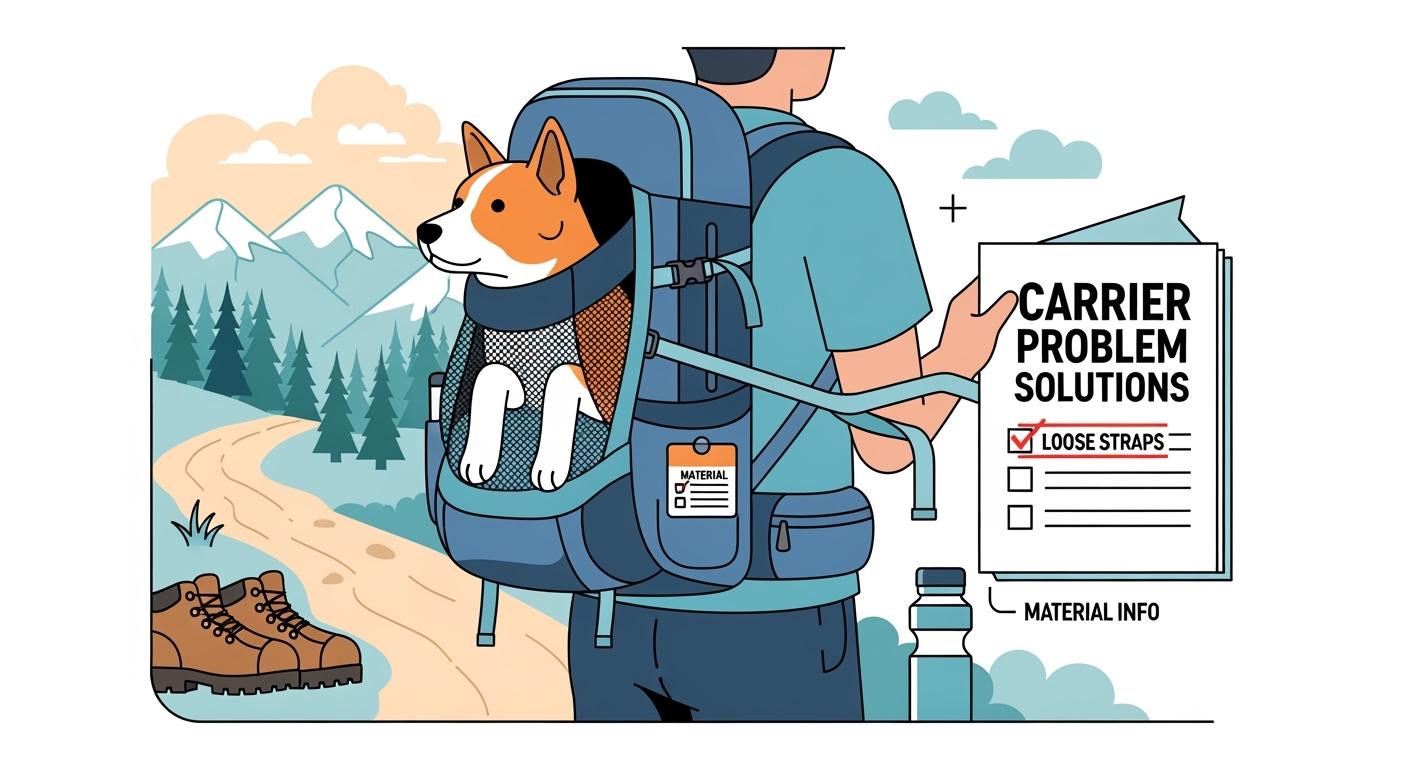
You want every dog to enjoy the trail inside a dog hiking backpack carrier. The most common problems come from poor fit and weak materials. A carrier that fails to support posture or manage heat puts a dog at risk. Comfort depends on stable support, good airflow, and safe hiking design.
Key Takeaways
- Choose the right carrier based on your hike length. Use light carriers for short trips and sturdy ones for long hikes to ensure comfort for both you and your dog.
- Check the fit of the carrier carefully. Make sure your dog can sit upright without slumping or twisting. This prevents discomfort and helps your dog feel secure.
- Look for good airflow in the carrier. Mesh panels help keep your dog cool. Avoid thick padding that blocks air, especially on hot days.
Dog Hiking Backpack Carrier: Buyer Fit and Use Checks
Use Cases: Short Hikes vs Long Carry
You should pick the right dog backpack carrier for your trip. If you go on a short hike, use a light carrier that is easy to open. For long trips, you need a strong carrier with a steady base. Both you and your dog will feel better with more comfort and support. If you want to walk far, look for padded straps and hip belts. These parts help spread out the weight and make you less tired.
Common Trail Complaints: Heat, Bounce, Sore Spots
Many people say their dogs get too hot, bounce around, or get sore spots. If the carrier does not let air in, your dog can get hot fast. Bounce happens when the base is not steady or the fit is wrong. Sore spots show up near the armpits or chest if the carrier rubs or moves too much. Dogs may not want to ride if they feel pain or do not feel safe.
Quick Comparison Table: Styles, Uses, Risks
| Carry Style | Best Outdoor Use | Main Risk | Buyer Note |
|---|---|---|---|
| Front Carry | Short trips, easy access | Heat buildup, bounce | Use for quick hikes; monitor dog comfort |
| Back Carry | Longer hiking, stable carry | Sore spots, sizing issues | Check fit and ventilation before travel |
| Hard Frame Backpack | Rugged trails, long carry | Weight, rigid fit | Ensure full-body support and safety features |
| Soft Backpack | Urban walks, light hiking | Twisting, poor support | Confirm base stability and proper sizing |
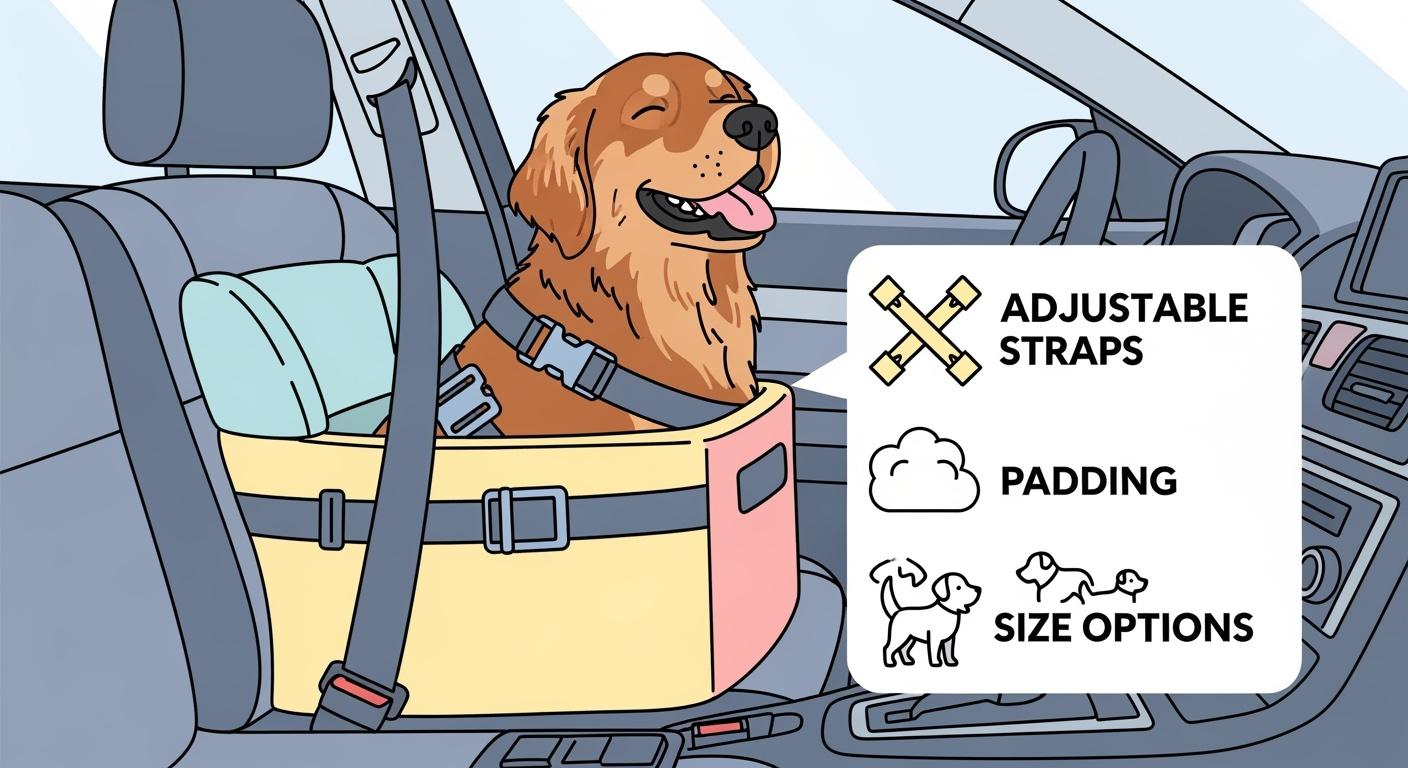
- It is important to check the fit. Measure your dog’s body and make sure the size is right. Check how air moves through the carrier. Look for safety parts like collar clips and double zippers. Good weight balance and comfort can stop problems and returns.
Safety is not just about stopping falls. It also means stopping hidden problems. Pressure on the belly, a bent spine, and hard breathing may not hurt right away. But these things can make your dog feel bad over time and get worse faster.
Dog Backpack Carrier Fit and Comfort Checks
Dog Fit: Posture, Shoulder Freedom, Base Stability
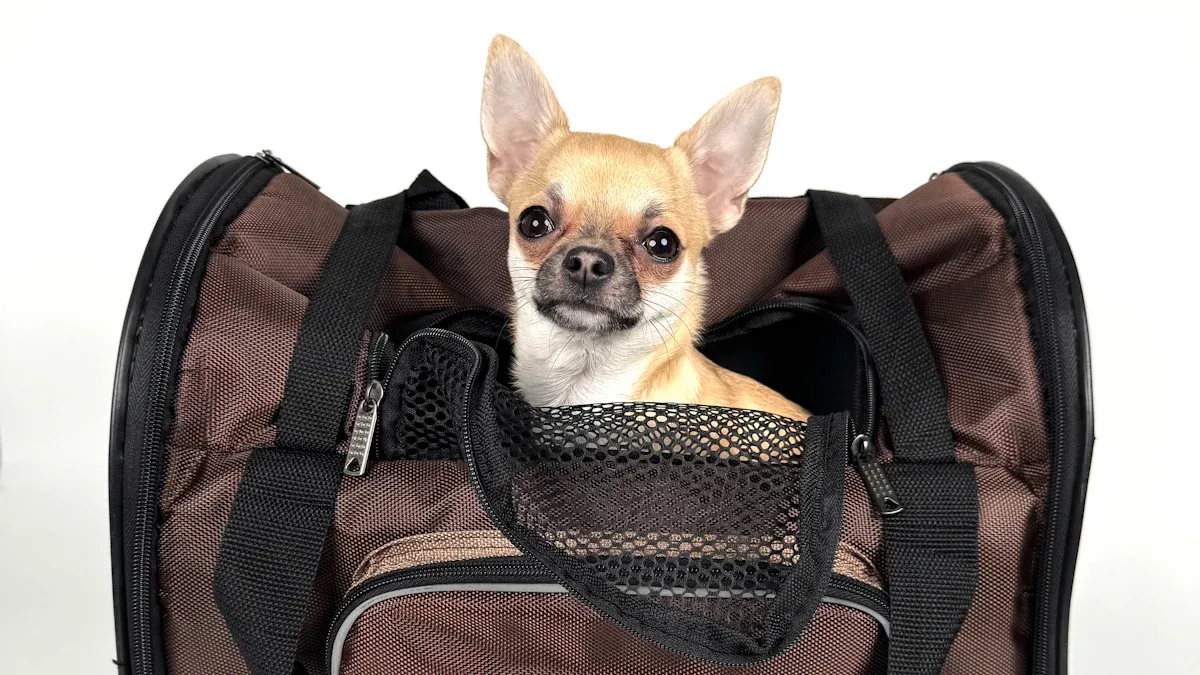
Dogs need to feel safe and comfy on hikes. The right dog backpack carrier helps your dog sit in a natural way. The bottom should be strong and not sag down. This keeps your dog’s back straight and stops hip pain. If the carrier is too big, your dog may slump or twist. This can make your dog feel bad. Always check if your dog can sit up straight. Your dog should not curl up or hunch over.
Shoulder freedom is very important. The carrier should not push into your dog’s armpits. It should not stop your dog from moving. If you see rubbing near the underarms, this is a warning sign. If your dog slumps, twists, or will not settle, the fit is wrong. Do not block air with thick panels or pads. Good airflow helps keep your dog cool. But airflow cannot make it cooler than outside.
Common fit and comfort problems are:
- Picking a carrier by weight only, not by shape or posture.
- Getting a carrier that is too big, which makes your dog slump.
- Blocking air, which can make your dog too hot.
- Using a collar instead of a harness, which can choke your dog.
- Not trying the carrier first, so you miss early signs of discomfort.
A strong base and chest support help stop twisting and stress. Always look for these before you travel.
Handler Fit: Straps, Load, Bounce Control
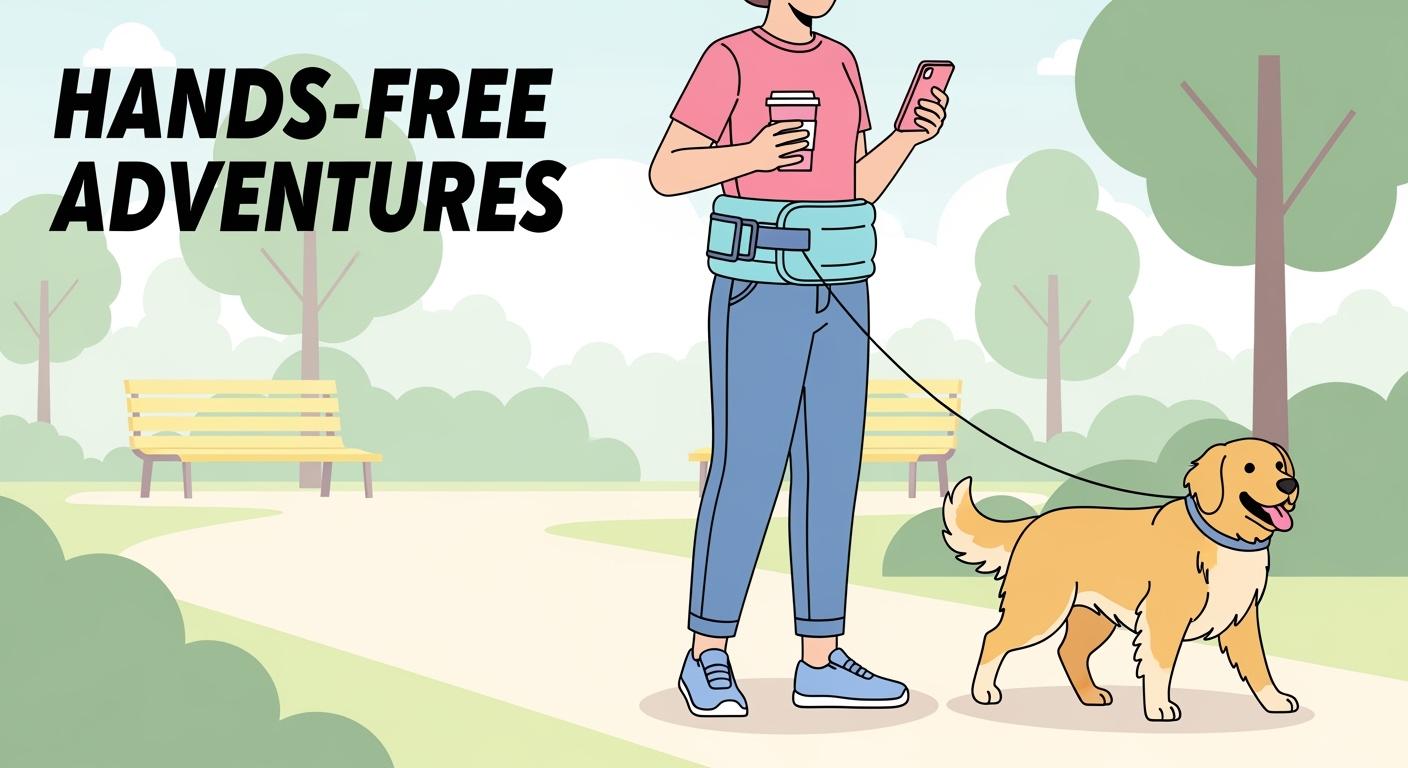
You need to feel good and in control when carrying your dog. Adjustable straps help you get a snug fit. Padded shoulder straps and a hip belt spread out the weight. This helps you not get tired on long hikes. Buckles that slide make it easy to adjust for different clothes.
Look for chest straps that help balance the load. These also help stop bouncing. Loops or clips keep extra strap ends from hanging and catching. Padded sliders stop straps from hurting your shoulders. Always try the carrier with your dog inside before hiking. Walk around and check for swaying or pain.
Buyer Checklist Table: Fit Areas, What to Verify
| Check Area | What to Verify | Reason to Prevent Returns | Customer-Facing Wording |
|---|---|---|---|
| Internal Support (posture, not extra space) | Dog sits upright, not curled; no slumping or twisting | Prevents discomfort and refusal to ride | “Ensures your dog sits naturally and feels secure” |
| Base Stability & Anti-Sag Structure | Firm base, no sagging under weight | Avoids spinal stress and shifting | “Stable base keeps your dog supported on every adventure” |
| Shoulder Freedom & No Underarm Rubbing | No pressure or rubbing near armpits; full shoulder movement | Stops sore spots and early refusal | “Freedom of movement for happy, healthy shoulders” |
| Ventilation Layout & Blockage Risk | Mesh panels allow airflow; no thick inserts blocking vents | Reduces heat buildup and panting | “Breathable design keeps your dog cool on the trail” |
| Closure Security & Zipper Escape Risk | Zippers close fully; no gaps; secure collar/harness clip | Prevents escapes and increases safety | “Secure closures for peace of mind on every trip” |
| Handle Strap & Load Transfer (swing/bounce control) | Padded handles; load transfers to hips; minimal swing or bounce | Improves handler comfort and control | “Easy to carry, less bounce for smooth hiking” |
| Cleaning for Mud/Sweat (liner, seams, drying) | Removable liner; easy-to-clean seams; fast-dry materials | Reduces odor and wear complaints | “Simple cleaning for fresh, ready-to-go gear” |
| Edge Binding & Wear Areas | Reinforced edges; check for fraying or weak spots | Prevents early wear and tear | “Durable edges for long-lasting use” |
| Pocket Volume & Deformation Risk | Pockets hold essentials without bulging or distorting carrier shape | Maintains comfort and structure | “Smart storage without losing carrier shape” |
Tip: Use the two-finger test on all straps. Straps should feel snug but not too tight. Watch your dog for slumping, twisting, or not settling. These are signs you need to fix the fit or try another carrier.
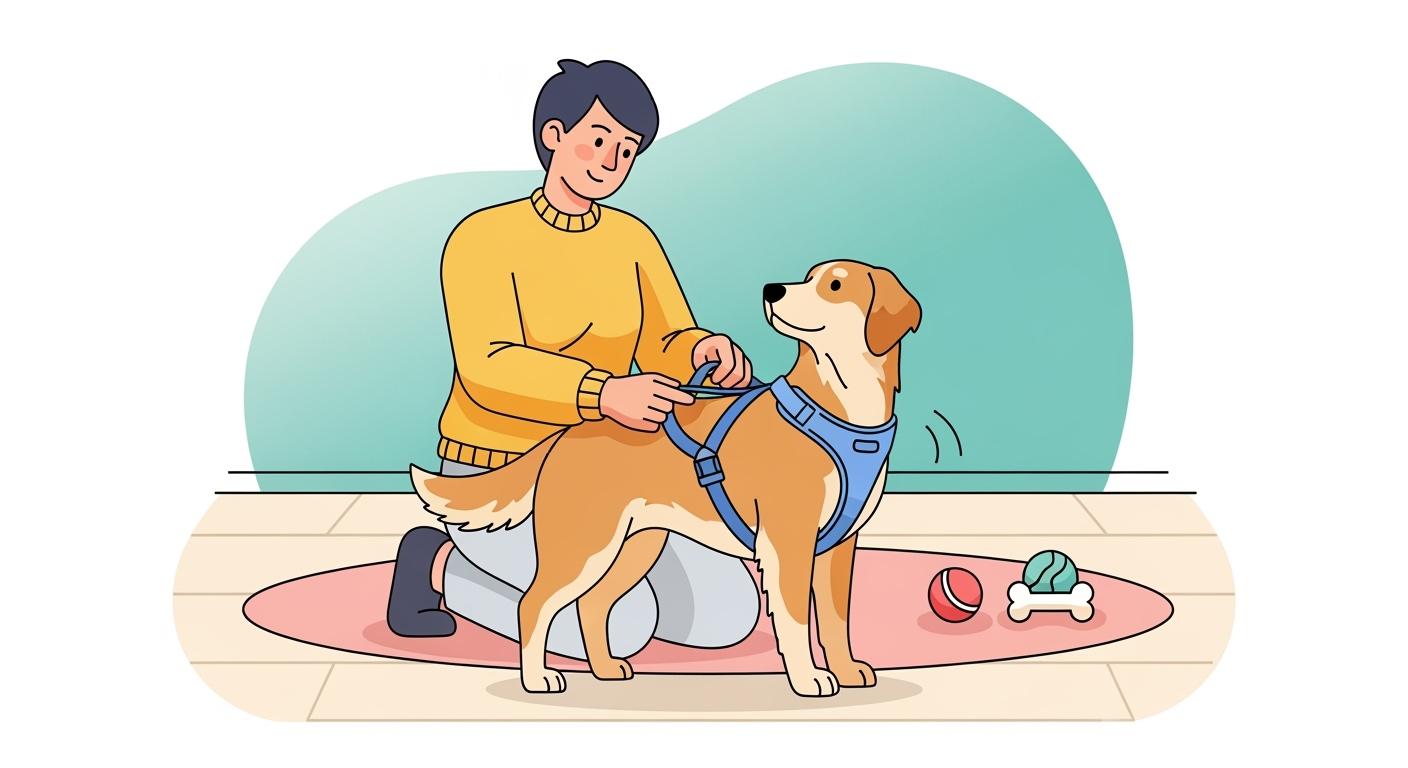
Always measure your dog’s back length (base of neck to base of tail), seated height, and chest girth. Compare these to the usable inside space of the carrier, not the outside dimensions. Test airflow by putting your hand inside to feel for air. Clip a short leash from your dog’s harness to the inside ring for safety. Start with short walks to see if your dog settles and breathes comfortably.
A good dog backpack carrier with the right fit and comfort will help you and your dog enjoy every hike. This helps stop returns, makes people happy, and keeps customers coming back.
Backpack Dog Carrier Materials and Outdoor Features
Ventilation and Heat: Airflow Limits
Materials change how air moves in a dog backpack carrier. Mesh carriers let air pass through easily. They are good for warm days because big mesh panels help air flow. Hard-shell carriers have small vents. These keep cold air out, so they work well in cooler places. Airflow makes your dog feel better, but it does not make things cooler than outside. If you hike when it is hot, pick a carrier with mesh on many sides. Do not use thick padding that stops air from moving. Your dog needs to breathe well and stay cool on hikes.
Tip: Ventilation matters, but airflow does not mean cooling. Always watch for warning signs like heavy panting, drooling, vomiting, weakness, or collapse.
Durability: Seams, Mesh, Closures
Durability is important for every dog backpack carrier. You need strong seams, tough mesh, and tight closures. Hiking can get carriers dirty and wet. Weak seams or mesh can rip after a few trips. Closures must stay closed to keep your dog safe. Look for strong stitching and sturdy zippers. Some materials last longer and fight wear better.
| Material | Durability Characteristics | Water Resistance Characteristics |
|---|---|---|
| Hemp | Strong natural fiber, resists fraying, softer with use. | Absorbs water, can become heavy and prone to mildew if untreated, requires reapplication of treatments. |
| Recycled PET | Engineered for strength, high denier counts, excellent tear resistance. | Hydrophobic, remains lightweight when wet, often laminated for enhanced water resistance. |
Pick materials that fit your hiking plans. Hemp feels soft and strong but needs care to stay dry. Recycled PET stays light and tough even when wet. Always check for strong edges and tight closures for safety.
Cleaning: Mud, Sweat, Fast-Dry Liners
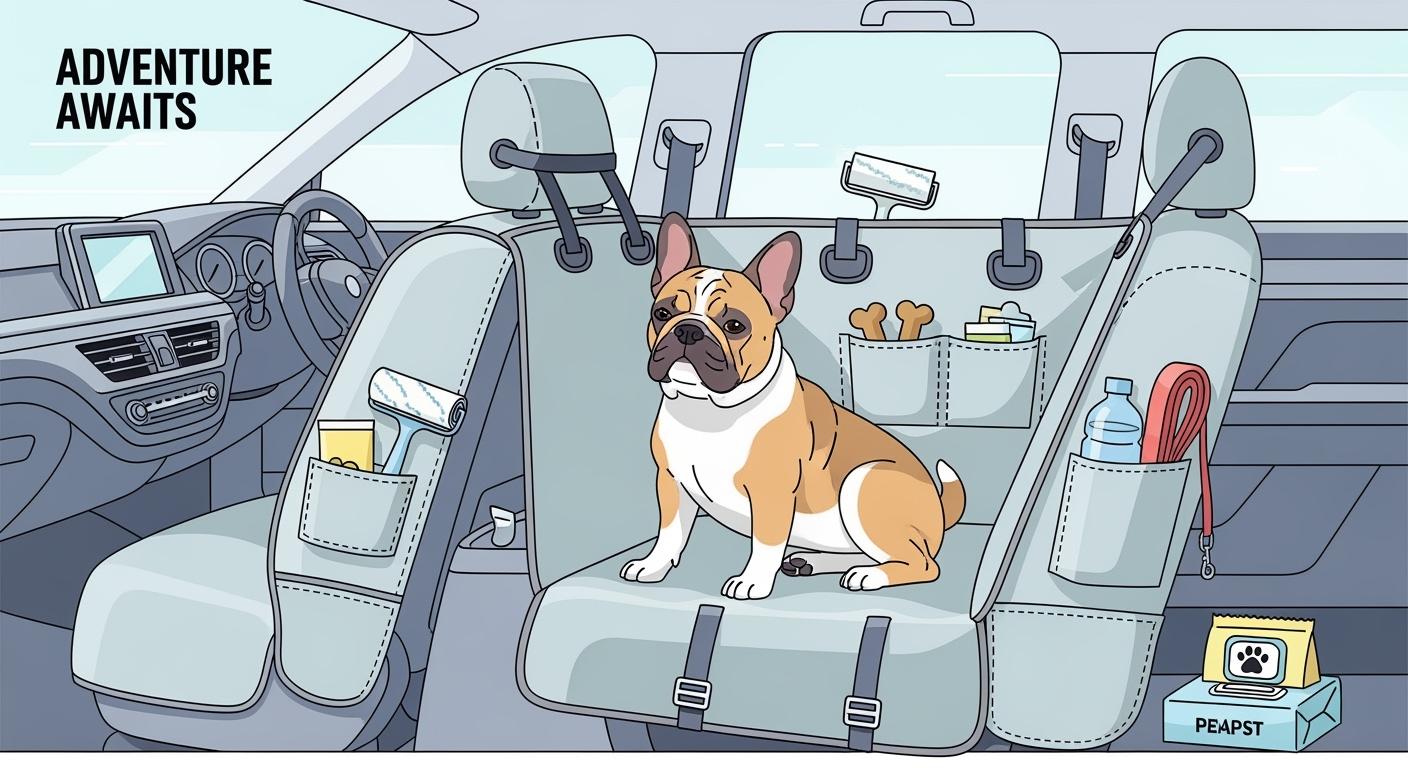
Cleaning your dog backpack carrier keeps it ready for trips. Mud and sweat can build up fast outside. Find carriers with liners you can take out. Fast-dry materials help stop smells and make cleaning easy. Seams should wipe clean and not hold dirt. Mesh dries quickly after washing. Do not pick carriers with thick padding that takes too long to dry. Quick cleaning helps you get ready for your next hike.
Note: Easy cleaning and fast-dry liners help stop bad smells and keep your carrier in good shape.
Listing Lines: Setting Comfort Expectations
You need clear product descriptions that set real comfort and ventilation expectations. Use these lines for product pages or support replies:
- Made for short hikes; not for long carry.
- Sizing depends on body shape and posture, not just weight.
- Mesh panels on many sides help air move and comfort.
- Airflow stops heat buildup but does not cool below outside temperature.
- Do not use thick padding that blocks air and adds heat.
- Tight closures and strong zippers lower escape risk.
- Watch for discomfort: slumping, twisting, or heavy breathing means you need to check fit.
- Strong seams and edge binding fight wear from outdoor use.
- Removable, fast-dry liners make cleaning easy after muddy hikes.
- Pockets hold items without changing carrier shape.
- Safety features include harness clips and double zippers for safe travel.
- Weight spread helps handler comfort and lowers tiredness.
- Always check your dog for posture and breathing problems during trips.
These lines help buyers know the limits and features of each backpack dog carrier. Clear info lowers returns and makes customers happier.
Trail Mistakes, Troubleshooting, and Buyer FAQs
Common Mistakes: Overheating, Blocked Airflow, Poor Timing
Dogs can have trouble staying comfortable while hiking. Overheating happens if the carrier does not let air in or if it is hot outside. Thick liners or extra padding can block airflow. Poor timing means your dog is not used to the carrier before hiking. Dogs may not want to ride if they feel pain or stress. Watch for signs like heavy panting, slumping, or twisting. These signs mean your dog needs a break or a fit check.
Troubleshooting Table: Issues, Causes, Fixes
| Issue | Likely Cause | Immediate Fix | Prevention Next Time |
|---|---|---|---|
| Dog sagging/twisting | Carrier too big or weak base | Adjust straps, add support | Choose snug fit, stable base |
| Strap instability/swing | Loose straps, poor adjustment | Tighten straps, check balance | Test fit before hiking |
| Rubbing signals (non-medical) | Tight straps, poor shoulder space | Loosen straps, check posture | Verify shoulder freedom |
| Overheating signals (non-medical) | Blocked vents, thick padding | Stop, remove carrier, cool dog | Use mesh, avoid thick inserts |
| Dog refusal after short carry | Discomfort, anxiety | Stop, reassess fit | Acclimate dog before hiking |
| Rapid dirt/odor buildup after one hike | Poor cleaning, slow-dry liner | Clean liner, air dry | Use fast-dry, removable liners |
| Weight fits but feels wrong | Poor posture, unstable base | Recheck fit, adjust base | Match carrier to body shape |
FAQ Block: Sizing, Heat, Cleaning, Alternatives
- How do I size a dog backpack carrier beyond weight?
Measure your dog’s body length and check posture. - What posture support should I check?
Make sure your dog sits upright and has shoulder freedom. - How can I reduce bounce during hiking?
Use snug straps and hip belts. Test the fit with your dog. - What are ventilation and heat limits?
Mesh panels help air move, but carriers cannot cool below outside temperature. - How do I clean muddy or wet carriers?
Take out liners, wipe seams, and air dry fast-dry materials. - How do I acclimate dogs to a backpack dog carrier?
Start with short walks and reward calm behavior. - When is a carrier unsuitable for a dog?
Do not use carriers for dogs with heat sensitivity, anxiety, or mobility issues. - What pre-purchase checks reduce returns?
Check fit, posture, ventilation, and cleaning features. - What should I do if my dog pants or cannot settle?
Stop hiking, take off the carrier, and check fit and comfort. - When should I choose other options?
Pick a shorter route, a different carrier, or skip the carrier if your dog feels bad.
You can stop fit and material problems by checking a few things. Look at your dog’s posture, base stability, and how air moves. Use lists and tables to find issues before they get worse.
- Check for rubbing after fifteen minutes.
- Take off the gear if skin turns red or your dog keeps licking one spot.
| Mistake | Quick Fix | Prevention Tip |
|---|---|---|
| Poor posture | Change base or size | Pick a carrier with support |
| Pressure points | Add padding or fix straps | Use wide, padded straps |
| Escape risk | Close zippers, use harness | Test closures before travel |
| Overheating | Open mesh panels | Pick a carrier with airflow |
| Humid climate | Dry liner, let air in | Do not block ventilation |
Careful checks help you and your dog stay safe and comfy. You will have fewer returns and better hikes.
FAQ
How do you check if a carrier fits your dog?
You measure your dog’s back length, seated height, and chest girth, then compare them to the carrier’s usable interior space (not the outside size). Place your dog inside with a harness clipped to the internal tether and do a quick posture test: the spine stays neutral, the chest is supported, and there’s no pinching at the armpits or neck. Close all zippers/buckles without forcing them, then walk for 2–3 minutes to see if the pack stays stable and doesn’t bounce or sag. If your dog can’t settle, pants heavily, or keeps trying to climb out, stop and re-size or adjust before your next hike.