Picture yourself getting ready for a road trip with your dog. You want your pet to feel safe and calm. Place your dog in a dog car seat carrier every time you drive. This simple step protects your dog and reduces distractions. Always follow local laws and ask your veterinarian for health advice.
Key Takeaways
- Always fasten your dog car seat carrier so it does not move when you drive. This helps keep your dog safe and stops distractions.
- Pick a carrier that is the right size for your dog. Measure your dog and make sure they can sit, stand, and turn easily inside.
- Check your carrier often for any damage or dirt. A clean and safe carrier helps your dog stay safe and comfortable.
Dog car seat carrier security basics
A dog car seat carrier helps with comfort and containment. For impact protection, look for designs with published test results and always install them exactly as instructed.
Containment vs crash protection
It is important to know the difference between containment and crash protection. Containment means the carrier keeps your dog in one spot. It stops your dog from distracting you while driving. Crash protection means the carrier can help protect your dog in a crash. This only works if the carrier has passed tough safety tests.
Here is a table to show the main carrier types:
| Feature | Hard-Sided Crates | Soft Carriers |
|---|---|---|
| Crash Protection | High-Rigid walls absorb impact | Low-Minimal structural support |
| Environment | Creates a den-like safe space | May make pets feel exposed |
Most dog car seat carriers are made for comfort and keeping your dog in place. Only a few carriers have passed crash tests by trusted groups.
If crash protection is your priority, look for published third-party crash-test results and follow the manufacturer’s routing instructions exactly.
Why securement matters
You should secure your dog car seat carrier every time you drive. Securement stops the carrier from sliding or tipping over. This keeps your dog safe and helps you pay attention to driving.
- Securement keeps the carrier from moving during quick stops.
- It stops your dog from distracting you.
- It lowers the risk of injury if you brake fast.
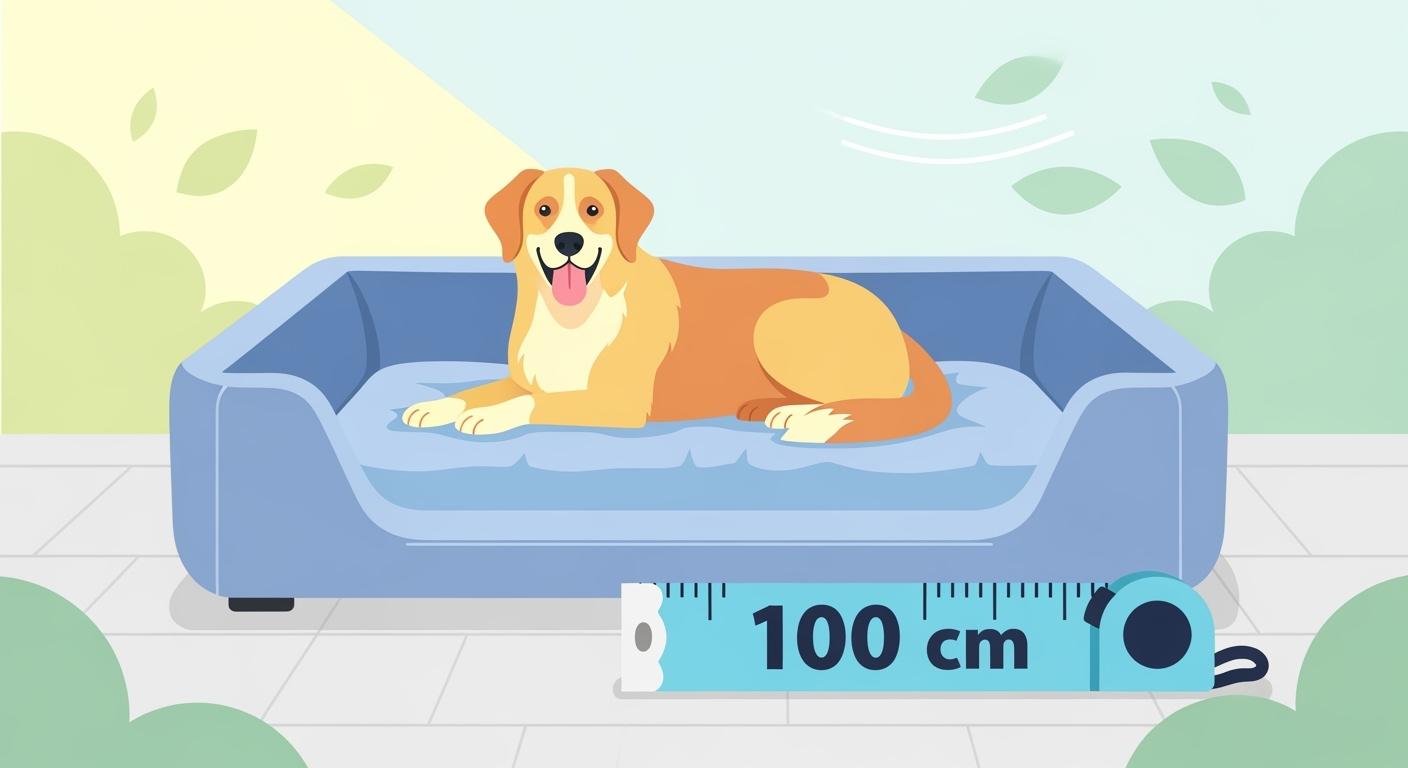
Pick a carrier that fits your dog’s size and behavior. Measure your dog’s height, length, and width before buying a carrier. Add a few inches so your dog can turn and stretch. Check the manufacturer’s weight limits.
Rule of thumb: your dog should be able to sit, lie down, and turn around without crouching, while still feeling supported and steady during stops.
When to choose a different setup
Sometimes you need a different setup to keep your dog safe. If your trip is short and your dog is calm, a soft carrier may be fine. For long trips or active dogs, a hard-sided crate or crash-tested carrier is safer.
- Use a soft carrier only when you can keep it firmly secured and your dog stays calm.
- Pick a different setup for anxious or wiggly dogs.
- Always watch your dog while traveling.
- Do not use carriers for cycling, jogging, or stairs.
Think about your dog’s needs and where you are traveling. Small breeds, puppies, and dogs with trouble moving may need special carriers. For long road trips, pick a stable, well-ventilated carrier that fits your dog well.
Choosing the right carrier for comfort and control
Booster seat vs enclosed carrier
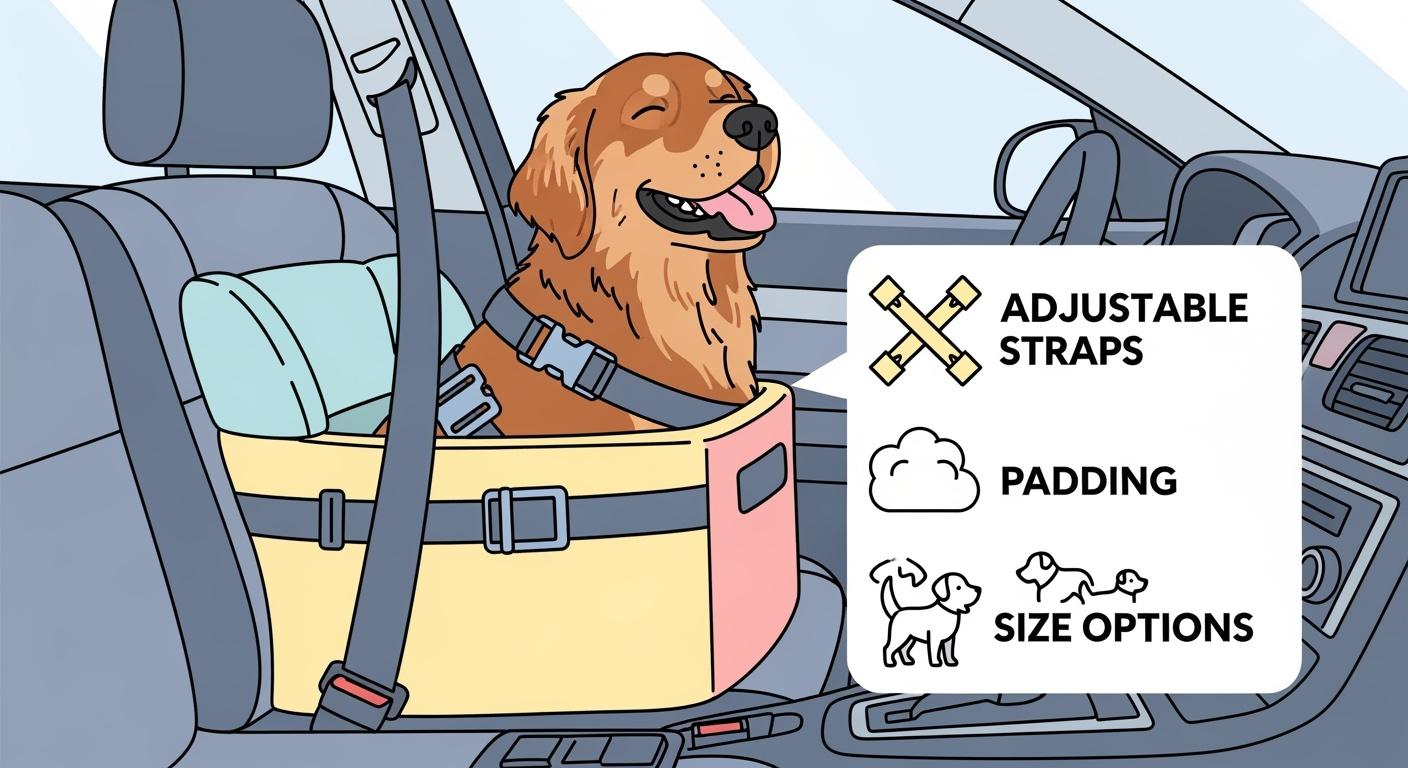
There are different dog car seat carriers you can pick. Booster seats lift your dog up so they can see outside. These are good for small dogs who are calm and like looking out the window. Enclosed carriers make a cozy space for your dog. They help nervous dogs feel safe and block loud sounds. Crates have strong walls and protect your dog on long trips. Harnesses connect to seat belts and let your dog sit up straight. Each carrier works best in certain situations. Booster seats are good for short drives. Enclosed carriers and crates are better for longer trips or scared dogs. Harnesses are best for dogs who do not like being inside a box.
| Material | Durability | Comfort |
|---|---|---|
| Nylon | Durable, water-resistant | Good for heavy use |
| PU (Polyurethane) | Waterproof, easy to clean | Comfortable |
| PVC | Affordable, decent protection | Moderate comfort |
| Polyester | Lightweight, quick-drying | General comfort |
| Canvas | Durable, aesthetic options | Varies |
| Custom blends | Specialized preferences | Varies |
Fit and stability cues
Your dog car seat carrier should fit your dog well and stay steady. Look for these signs:
| Feature | Acceptable Standard | Red Flag |
|---|---|---|
| Base support | Firm, holds shape when you lift it | Sags or collapses under your dog’s weight |
| Ventilation | Mesh/vents on multiple sides, not blocked by the seat | One small panel or airflow easily blocked |
| Neck/strap clearance | Harness/tether does not press on the throat | Any strap rides on the neck or restricts breathing |
| Anchor routing | Seat belt/anchors run through dedicated guides and can be tightened | No clear routing path or buckles slip loose |
Check that the carrier has a strong anchor system and supports your dog’s whole body. Make sure it does not tip over or slide around.
Attachment and routing tips
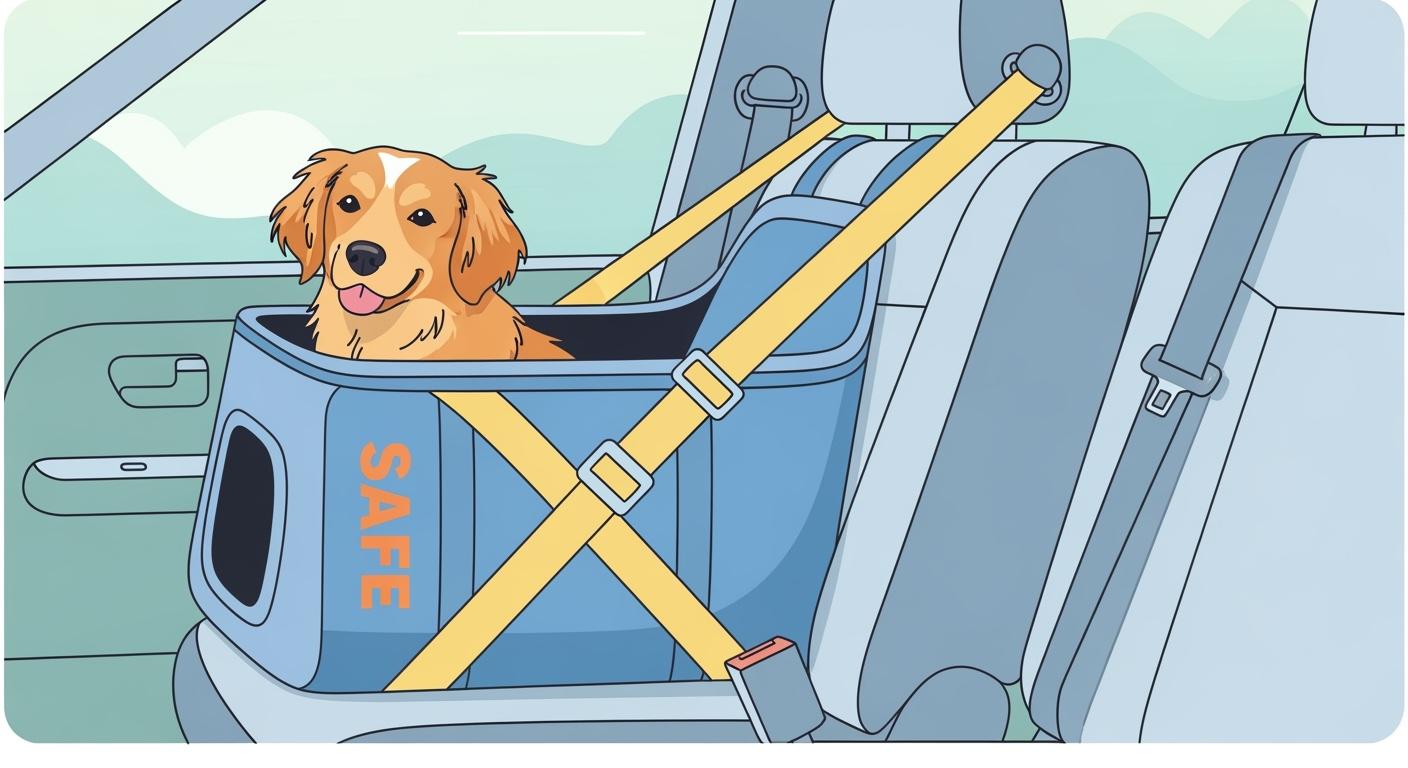
Attach the carrier to your car seat belt or anchor points. Use all straps and buckles to keep it secure. Make sure zippers and seams are strong and not broken. Clean the liner often and wipe surfaces to stop bad smells. Keep the carrier away from direct sunlight and let air move through it. Always check for damage before you travel.
Safety Tip: Always follow local travel rules. Ask your veterinarian if you have health concerns about your pet.
Installing and checking your dog car seat carrier

Pre-install prep
Before you install your dog car seat carrier, check these items:
- Inspect the carrier for any damage or missing parts.
- Clean the carrier and liner to remove dirt or smells.
- Measure your dog to make sure the carrier fits well.
- Read the instructions from the manufacturer.
- Find the safest spot in your car, usually the back seat.
Tip: Never place the carrier in the front seat. Airbags can hurt your dog during a crash.
Securement steps
Follow these steps to install your carrier safely:
- Place the carrier on the back seat with the base flat and stable.
- Thread the seatbelt or anchor strap through the loops or guides on the carrier.
- Buckle the seatbelt or attach the anchor strap to the car’s anchor point.
- Pull the belt or strap tight so the carrier does not move or tip.
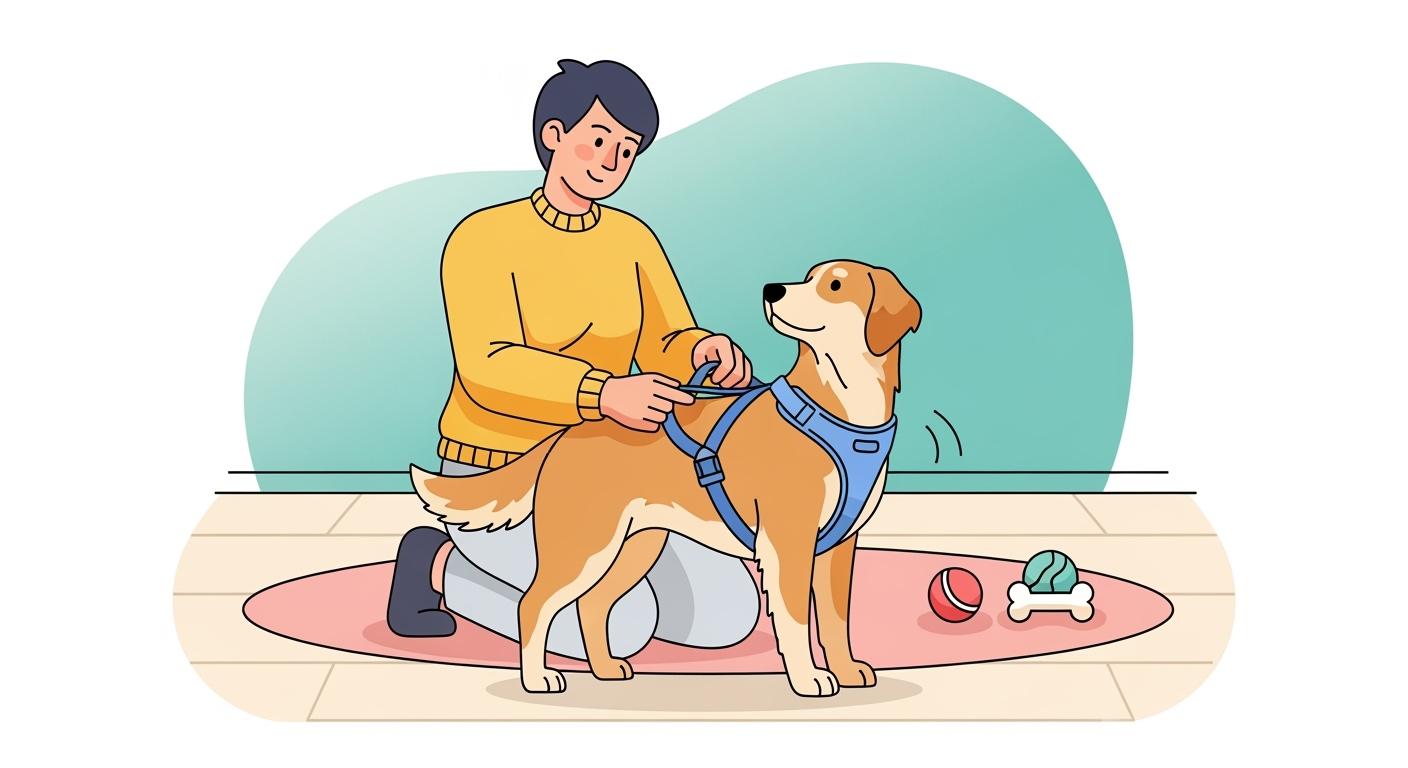
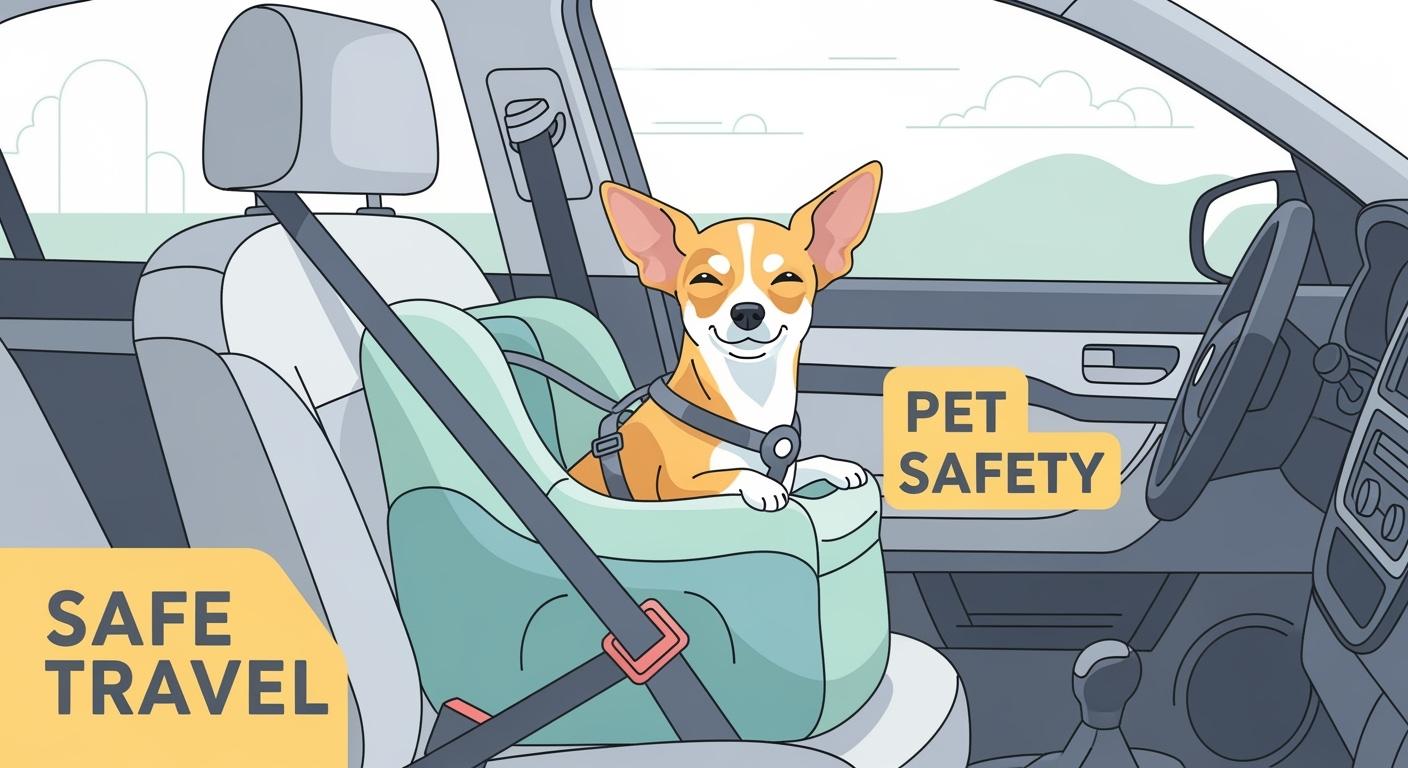
- Use a harness to secure your dog inside the carrier. Do not attach by the collar.
- Double-check all zippers, buckles, and seams for strength.
- Make sure the carrier does not slide during sharp turns or stops.
- Only use a harness or seatbelt made for dogs.
Post-install checks
After you install the carrier, do these checks:
| Checkpoint | Pass (✅) | Fail (❌) |
|---|---|---|
| Carrier does not move | ✅ | ❌ |
| Dog can sit, stand, turn | ✅ | ❌ |
| Harness fits, not too tight | ✅ | ❌ |
| Good airflow and no blockages | ✅ | ❌ |
| No broken parts or loose straps | ✅ | ❌ |
If you see any fails, fix them before you drive. Always check your setup before every trip.
Comfort checks, mistakes, and troubleshooting
Comfort signals and stress signs
You want your dog to feel safe in the car. Check for comfort and stability on your first ride:
- Your dog can sit, lie down, and turn easily.
- The carrier stays steady and does not move around.
- Air flows well through mesh panels or vents.
- Your dog breathes well and does not whine or pant.
Look for stress signs. Stop and fix things if you see:
- Heavy panting or drooling
- Scratching or biting at the carrier
- Barking, whining, or shaking
- Trying to escape
Tip: Give treats, toys, and praise to help your dog like the carrier. Practice short rides at home before longer trips.
Common mistakes and quick fixes
People often make simple mistakes with dog car seat carriers. Most problems are easy to fix. Check this table for common issues and solutions:
| Mistake | Cause | Problem Caused | Quick Fix |
|---|---|---|---|
| Not anchoring the carrier | Seat belt/strap not routed or left loose | Carrier slides or tips in turns | Route through guides and tighten until it does not move |
| Attaching to a collar | Using collar as the main restraint | Neck strain risk during braking | Clip the tether to a properly fitted harness |
| Front-seat placement | Convenience or visibility | Airbag injury risk | Use the back seat whenever possible |
| Skipping a pre-trip check | Assuming yesterday’s setup is fine | Loose buckles, broken zippers, odor buildup | Check buckles, seams, and cleanliness before every drive |
Other quick checks:
- Always check the fit before every trip.
- Make sure mesh panels let air flow.
- Inspect zippers and fasteners so your dog cannot escape.
Troubleshooting guide
If you see a problem, use this table to find a solution:
| Issue | Pass/Fail | What to Do |
|---|---|---|
| Carrier slides or tips | Fail | Tighten straps, move the carrier |
| Dog cannot turn or stretch | Fail | Pick a bigger carrier |
| Poor airflow | Fail | Open vents, use mesh panels |
| Dog escapes | Fail | Check zippers, use harness clip |
| Dog calm and relaxed | Pass | Keep going |
Carrier type comparison
| Carrier Type | Best Use Case | Security Level | Comfort Level | Portability |
|---|---|---|---|---|
| Booster Seat | Short drives, window view | Moderate | High | Easy to move |
| Enclosed Carrier | Nervous dogs, noisy routes | High | Moderate | Moderate |
| Travel Crate | Long trips, anxious or active dogs | Very High | Moderate | Bulky |
| Harness & Seat Belt | Dogs who dislike carriers | Moderate | Varies | Very portable |
Note: Always follow local travel laws. Ask your veterinarian if you have health concerns about your pet.
You can keep your dog safe and comfortable with a dog car seat carrier by following these best practices:
- Choose the right size so your dog can move easily.
- Clean the carrier often.
- Check zippers and straps before each trip.
- Watch temperature and airflow.
- Start training early.
Always check your setup before you drive. Share your questions or stories below. For health concerns, follow local rules and ask your veterinarian.
FAQ
How do you know if your dog car seat carrier is safe?
Check for strong straps, secure buckles, and a stable base. Make sure your dog can move comfortably and breathe easily.
Where should you place your dog car seat carrier in the car?
Put the carrier on the back seat. This spot keeps your dog away from airbags and helps protect them during sudden stops.
Can you use a dog car seat carrier for puppies?
Yes, you can use a carrier for puppies. Choose a size that fits your puppy and lets them turn, sit, and lie down.
Non-medical disclaimer: Always follow local travel laws. Ask your veterinarian if you have health concerns about your pet.