A medium label is only a starting point when you shop for a dog car booster seat medium. Check your dog’s body length, sitting height, and how the seat sits on your actual back seat. Then test whether the booster supports posture, stays steady, and leaves enough room for your dog to settle without sliding.
Key Takeaways
- Measure your dog’s length and height first. This helps you pick the right booster seat. Your dog will be safe and comfortable.
- Use the pass/fail checklist to check the booster seat. Make sure it fits well and stays in place. This stops distractions and keeps your dog from getting hurt.
- Put the booster seat in the back seat. This keeps your dog safe from airbags. It also helps the driver stay focused. Safety is always most important.
Dog Car Booster Seat Medium Fit and Position Checks
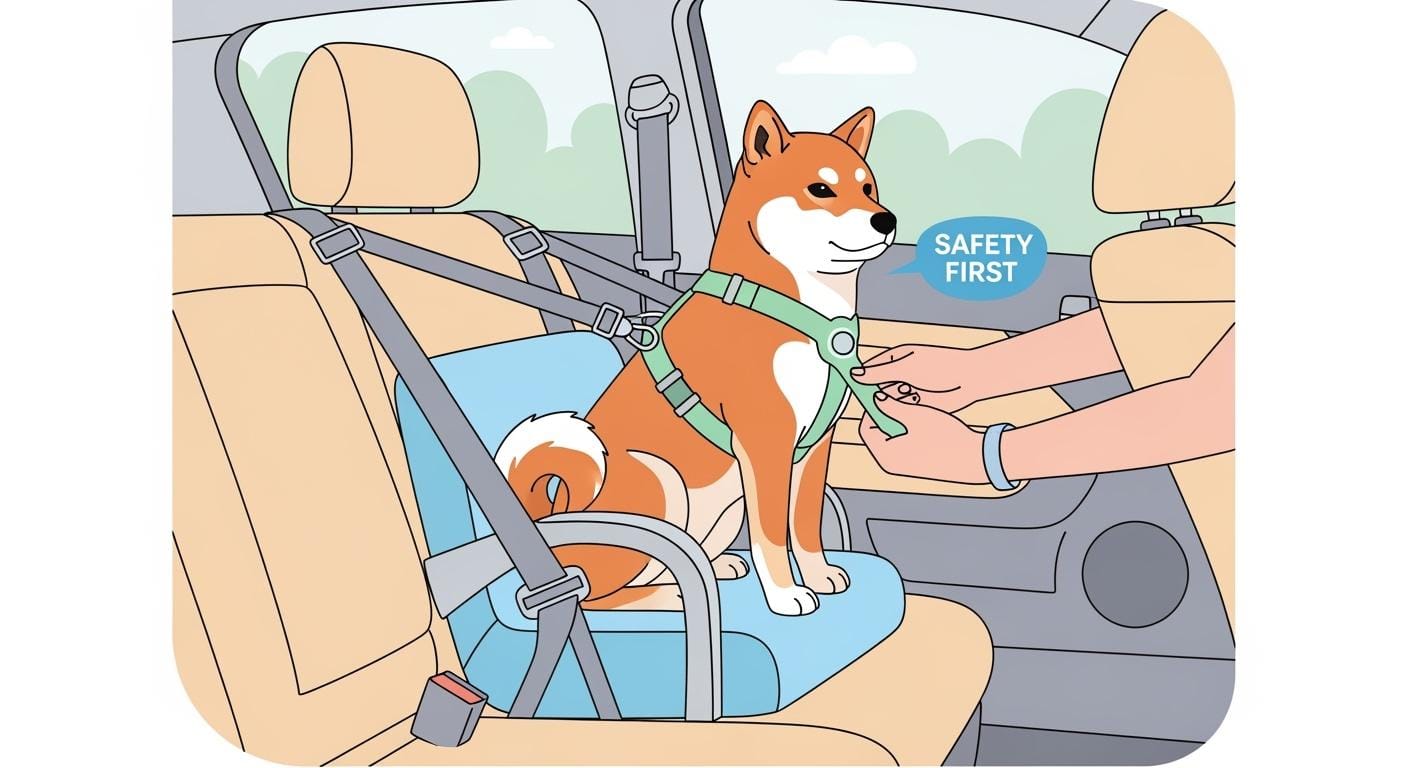
Choosing a dog car booster seat medium can feel confusing. Many seats look similar, but real pet safety and comfort depend on more than the label. Medium is not a universal size. You must test the fit for your dog and your car. A good fit supports your dog’s body, keeps them stable, and matches your vehicle’s seat shape. Safety always comes first. Place the booster seat in the back seat to avoid airbag risks and reduce driver distraction.
Body Support and Entry
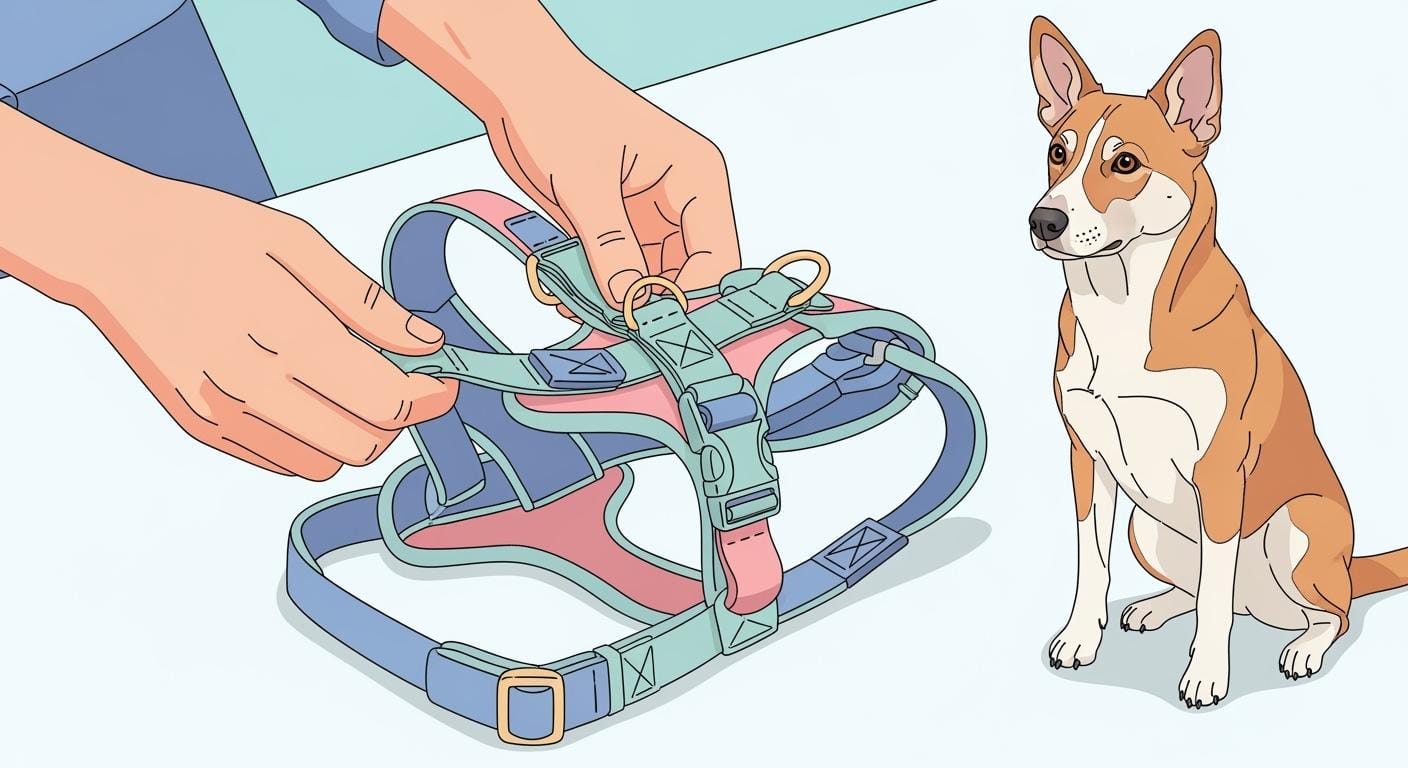
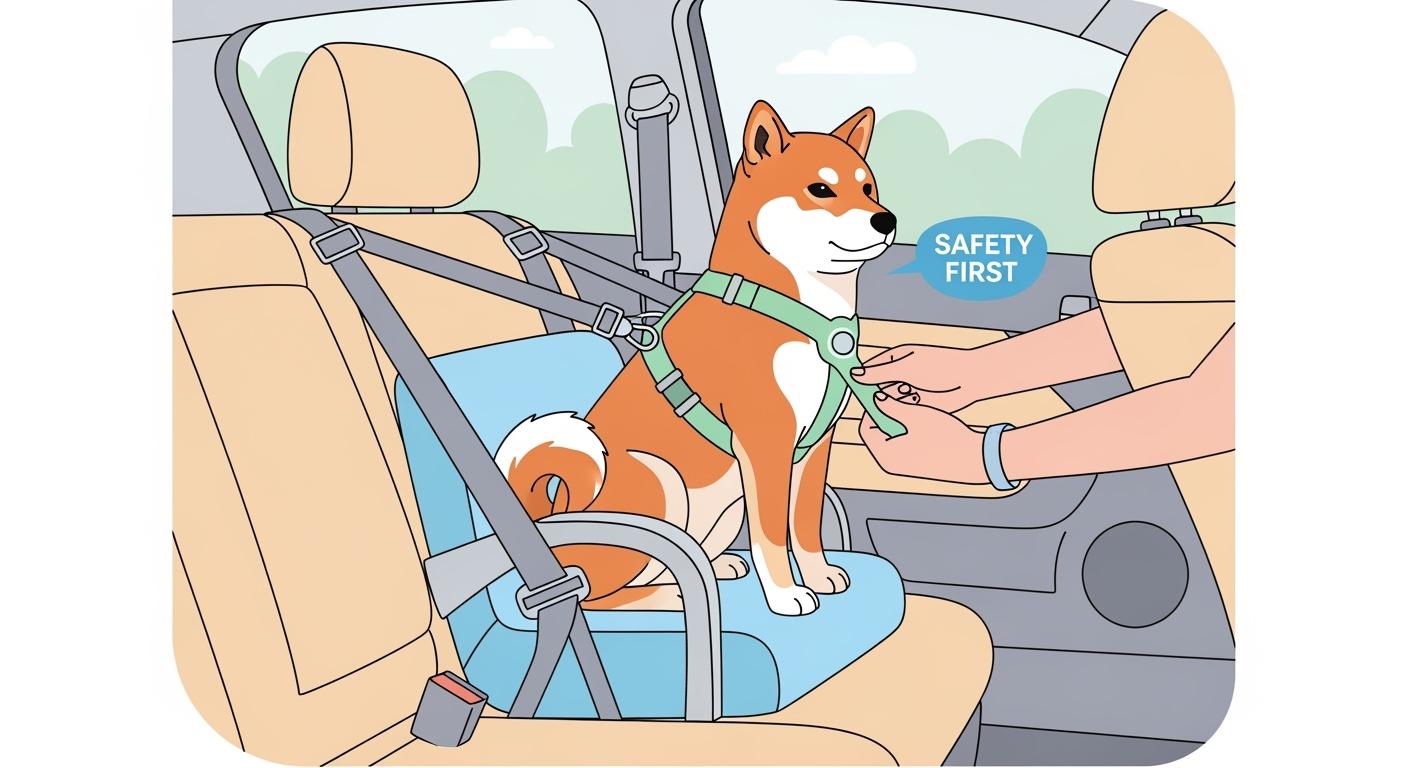
You want your dog to enter the seat without scrambling over tall walls or balancing on the rim. A medium booster should support the chest, hips, and front paws while still leaving enough room to sit or curl up. If your dog perches on the edge, braces with stiff legs, or cannot settle, the fit is wrong. Clip the internal tether to a body harness rather than a neck collar, then do a short practice ride and watch posture, balance, and whether your dog can relax.
Tip: Keep the tether long enough for sitting or lying down, but not so long that your dog can step over the side or twist around the seat.
Seat Footprint and Depth
The seat’s footprint and depth matter for both comfort and control. Measure your dog’s body length and compare it with the seat’s usable floor space. Your dog should be able to turn once and settle, but the seat should not be so large that the body slides from side to side. Moderate elevation can help some dogs see out, but too much height can also make the seat feel less steady. Cushioning can soften road vibration, while a non-slip base and correctly tightened attachment points help limit wobble. Always test the dog car booster seat medium in your actual vehicle before the first trip.
Signs of Poor Fit
Watch for these warning signs during your first test ride:
- Your dog stands awkwardly or cannot settle.
- The seat tilts, slides, or shifts during turns or stops.
- Your dog’s head or legs hang over the edge.
- The harness tether pulls at your dog’s neck or back.
- The seat crowds your dog or leaves too much empty space.
If you see any of these, the fit is not right. A poor fit can cause stress, injury, or distraction. Always test the seat with your dog inside before you drive.
Pass/Fail Fit Checklist Table
Use this checklist to test your dog car booster seat medium before every trip:
| Check Item | Pass Signal | Fail Signal | Fix |
|---|---|---|---|
| Dog enters and settles easily | Steps in, sits or lies down comfortably | Hesitates, climbs, or cannot settle | Try a different seat or adjust harness/tether |
| Seat fits back seat securely | No wobble or sliding | Tilts, shifts, or moves on turns | Adjust straps, use non-slip base, or test in another vehicle |
| Harness tether supports posture | Harness fits chest, not neck | Tether pulls at neck or back | Switch to body harness, adjust tether length |
| Dog’s body fits seat footprint | Room to turn, no crowding or overhang | Head/legs hang over edge, too tight or loose | Choose a different size or model |
| Elevated view without crowding | Dog can see out, remains relaxed | Dog strains to look out, seems anxious | Adjust seat height or test another booster seat |
| Seatbelt harness used | Harness attached to seatbelt/tether | Dog rides unrestrained | Always use a seatbelt harness for pet safety |
| Practice drive completed | Dog remains calm during short trip | Dog anxious, restless, or motion sick | Repeat short drives, avoid feeding before travel |
Common Mistakes to Avoid:
- Choosing by medium label alone without a real fit test.
- Ignoring back-seat fit or placing the seat in the front.
- Assuming every booster seat is crash-tested for safety.
- Overvaluing plush padding instead of checking support and stability.
- Clipping your dog in without checking seat movement and posture.
Note: Always test the seat with your dog before a long trip. Never leave your dog unattended in the car. This guide does not replace product instructions or veterinary advice for dogs with special health needs.
By following these steps, you can improve pet safety and comfort every time you travel. Test the fit, check posture, and review stability before every ride.
Dog Safety Seat Stability and Attachment
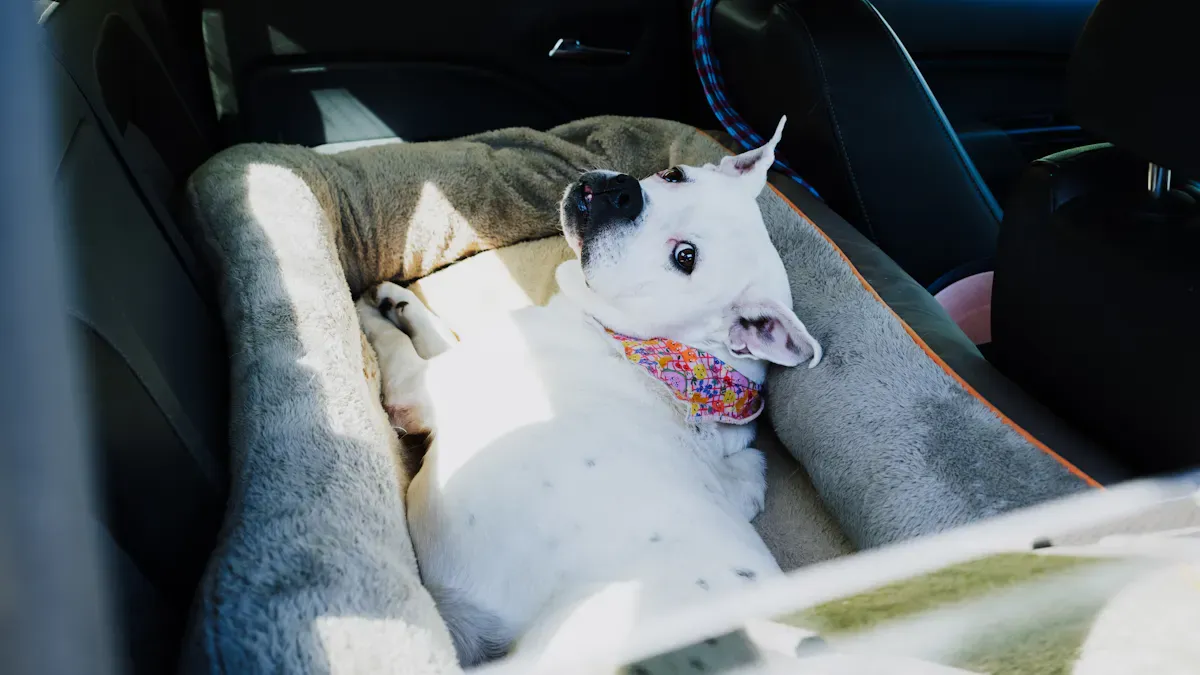
Many dog safety seats say medium, but that label does not tell you whether the shell, straps, and tether geometry suit your dog or your vehicle. Stability depends on how the seat rests on the bench, how the attachment straps route, and how much movement remains after setup. You still need to install and use the seat the right way.
Back-Seat Placement and Anti-Shift
Start with back-seat placement so the booster stays away from front airbags and does not crowd the driver area. Route the vehicle belt or attachment straps exactly as the product directs. Then check whether the anti-shift base actually grips the seat cushion. Some movement can be normal, but the booster should not skate across the bench or tip badly when you push on the side walls.
Tether Boundaries and Safety
The inside tether helps manage movement inside the booster. Clip it to a body harness, not a collar. Set the length so your dog can sit or lie down without stepping over the side. A tether can reduce roaming and driver distraction, but it does not by itself prove crash protection. For stronger crash-safety claims, look for clear evidence of independent testing rather than marketing language alone.
Common Stability Mistakes
People often focus on soft fabric or raised sides and forget to test the actual attachment points. Some boosters tilt because the belt path is loose, the base does not match the seat contour, or the tether is adjusted without checking posture. Feature lists help, but real confidence comes from a stable install and honest limits about what the product has been tested to do.
Tip: Try short drives to see if the seat is stable and comfy.
Troubleshooting Table
| Symptom | Likely cause | Fast check | Fix |
|---|---|---|---|
| Seat wobbles | Loose attachment | Push seat side-to-side | Tighten straps, adjust base |
| Seat leans | Uneven seat surface | Check seat angle | Reposition or add support |
| Dog distracts | Tether too long | Observe movement | Shorten tether, use harness |
| Seat slides | No anti-shift base | Check base grip | Add non-slip mat, adjust base |
Note: Fit, attachment, and restraint choice all affect real-world performance. This guide does not replace product instructions or professional advice for dogs with medical or behavioral travel issues.
Booster Seat Comfort and Care Features
Booster seats with a medium label may look similar, but comfort features only matter when the seat also fits your dog and stays stable in your vehicle. Soft walls, raised sides, and washable covers can help daily use, but they should not be mistaken for proof of crash performance. Always separate comfort features from restraint claims when you compare models.
Cushion Support and Visibility
Cushioning can help your dog settle, especially on rough roads, but the pad should still feel supportive rather than overly soft. Breathable fabrics may help with heat buildup on longer rides. Raised seating can help some dogs see out the window and stay calmer, but only when posture remains relaxed and the seat does not wobble under movement.
- Raised seats help your dog see better.
- Looking out the window can lower stress.
- Cushions help with bumpy roads.
Easy-Clean Materials and Removable Covers
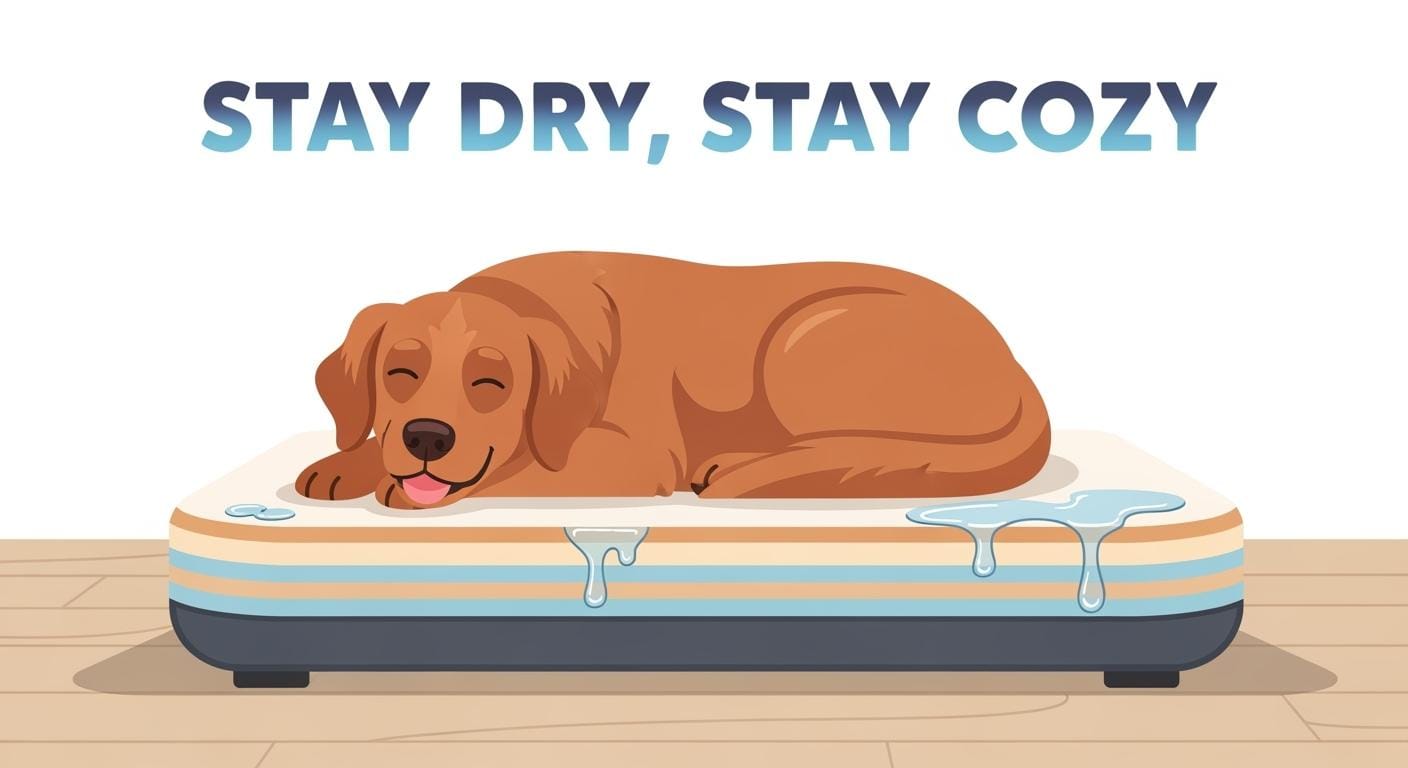
It is important to keep the seat clean for every trip. Removable covers make it easy to wash off dirt and fur. Always read the label for cleaning steps. Let the covers dry all the way before using them again. Pick dog car seats with washable and fast-drying covers. This keeps the seat fresh and safe for your dog.
Tip: Clean pet things first, then use disinfectant if needed. Make sure everything is dry before your dog uses the seat.
Booster vs. Carrier or Harness
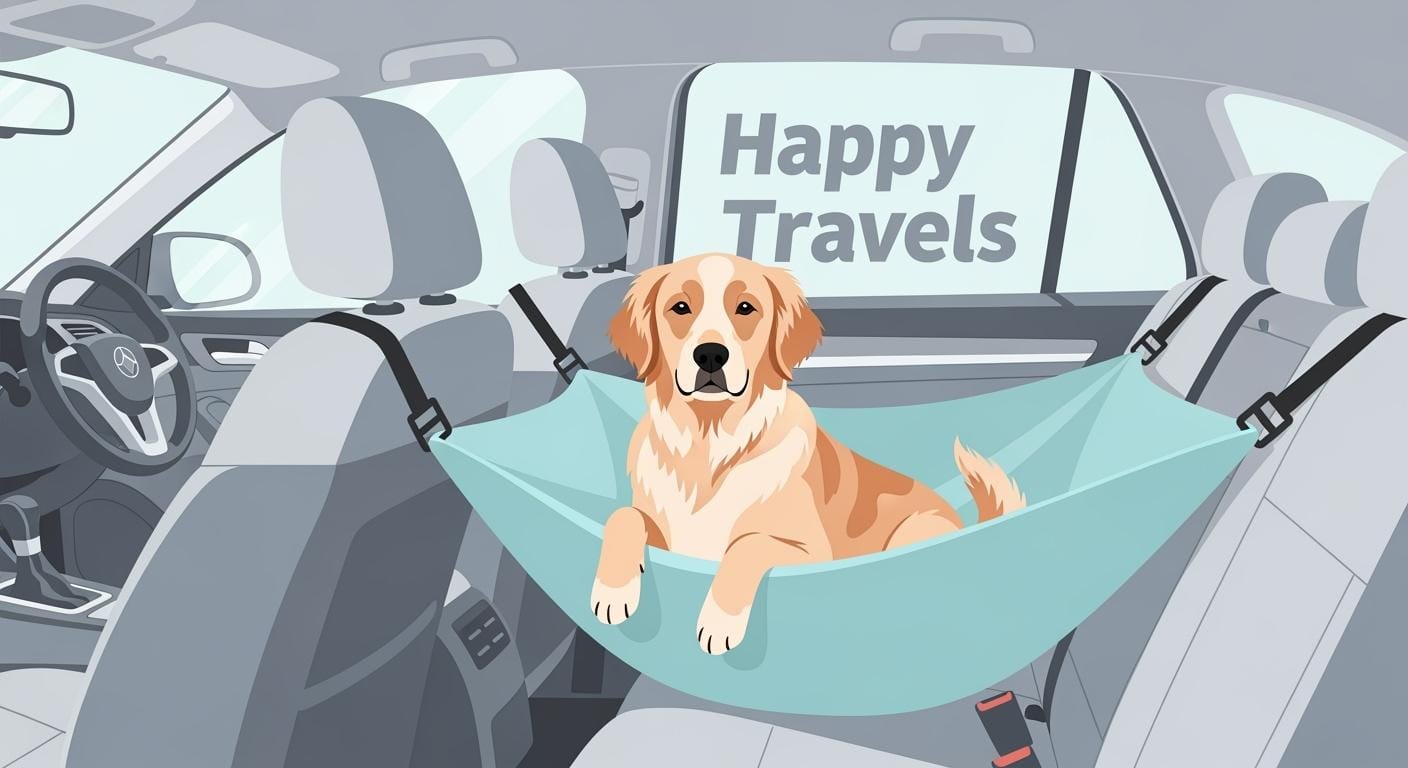
You have different ways to travel with your pet, and each one solves a different problem. Booster seats lift some dogs for better visibility and contained support. Carriers give fuller enclosure. Travel harness systems attach the dog to the vehicle and may suit dogs that dislike a basket-style seat. Compare them by fit, setup quality, and how your dog actually rides.
Comparison Table
| Option | Comfort Features | Safety Boundaries | Cleaning Ease | Practical Use |
|---|---|---|---|---|
| Booster Seat | Raised view, soft padding | Varies by design; check install and test evidence | Covers come off | Good for dogs that settle in open-topped support |
| Carrier | Closed in, soft sides | Needs secure placement and full closure | Wipe or wash surfaces | Good for dogs that prefer more enclosure |
| Harness Setup | Not much padding | Depends on harness design and vehicle attachment | Easy to clean harness | For dogs that dislike basket-style seats |
Note: Always check the fit and safety before each trip. This guide does not replace advice from a professional.
Travel Setup Questions
Q1: Why do medium-labeled dog car seats fit some dogs but not others?
Medium is not the same for every brand. Each company measures medium in its own way. You need to measure your dog’s body size and then watch how your dog actually sits, turns, and settles in the seat. Always try the seat in your car before you trust the label.
Q2: How do booster seats compare with travel harnesses or secured crates?
Each option solves a different travel problem. A booster seat raises the dog and can help with visibility, but it still needs stable installation and realistic limits. A travel harness keeps the dog attached to the vehicle, while a secured crate gives fuller enclosure but uses more space. Compare them by setup quality, your dog’s behavior, and how securely each option can be used in your vehicle.
| Feature | Booster Seat | Travel Harness | Crate (secured) |
|---|---|---|---|
| Crash claims | Check independent test evidence | Check independent test evidence | Check independent test evidence |
| Body support | Raised sides vary by model | Limited side support | Full enclosure |
| Motion sickness | Some dogs do better with elevation | Varies by dog | Varies by dog |
| Calming effect | Some dogs like the view | Some dogs prefer open space | Some dogs prefer enclosure |
| Visibility for dog | Usually elevated | Open view | Limited view |
| Daily convenience | High | Moderate | Low |
| Space required | One seat | Minimal | Significant |
| Rules and instructions | Check product guidance and local rules | Check product guidance and local rules | Check product guidance and local rules |
Q3: What is the most important safety check before every trip?
Always make sure your dog car seat is tight in the back seat. Check that your dog’s harness clips to the seat’s tether. Your dog should sit or lie down without being crowded or hanging off the edge.
Q4: Can a dog car seat prevent every injury in a crash?
No travel product removes all crash risk. Use the seat exactly as directed, keep restraint claims realistic, and never leave your dog alone in the car. Ask your veterinarian for medical advice related to your dog’s health.
Note: Always check fit, attachment, and your dog’s comfort before every ride. Safety claims should match the evidence provided for that product.
Choosing a dog car booster seat medium can be tricky. Medium does not mean a perfect fit for every dog. You need to check fit for your dog and your car. Look for steady attachment and body support. Use the pass/fail checklist to spot fit problems. Clean the seat often and let it dry. Before you buy, follow this quick action checklist:
- Measure your dog and compare to seat footprint.
- Test fit in your car’s back seat.
- Check harness and tether fit.
- Review comfort and support.
- Use the troubleshooting tips for any fit issues.
Safety comes first. Always check fit before every trip.
FAQ
Why does the medium label not guarantee a good fit for your dog?
You see medium on many booster seats. Each brand measures medium differently. Always check your dog’s body position and seat support before you buy.
How can you quickly check if your booster seat is safe for travel?
You press the seat to test stability. You check harness attachment. Your dog should sit comfortably without sliding or hanging off the edge.
What should you do if your dog feels anxious in the booster seat?
You try short practice drives. You adjust the seat height. You add a favorite blanket or toy for comfort.
Note: This quick-check section does not replace professional medical or safety advice. Always follow product instructions and consult your veterinarian for health concerns.