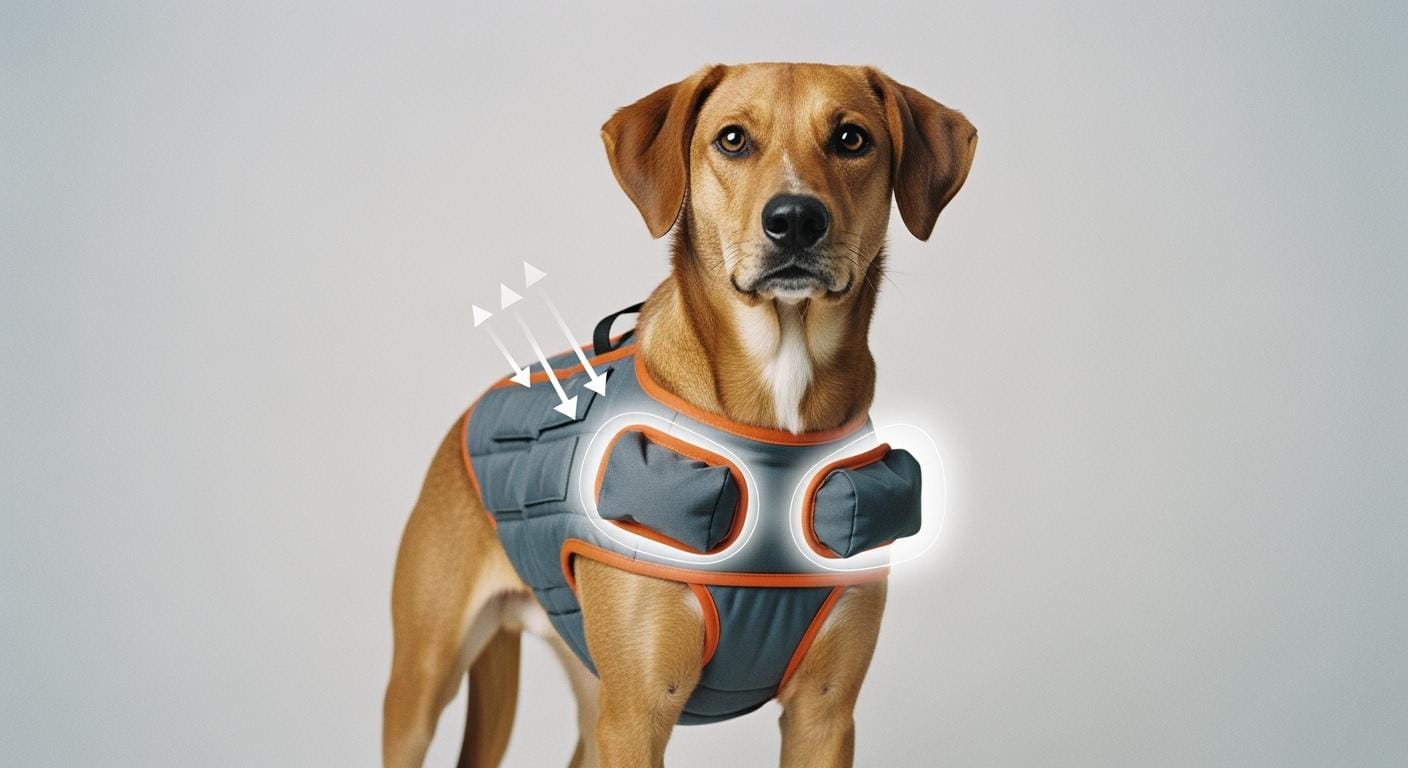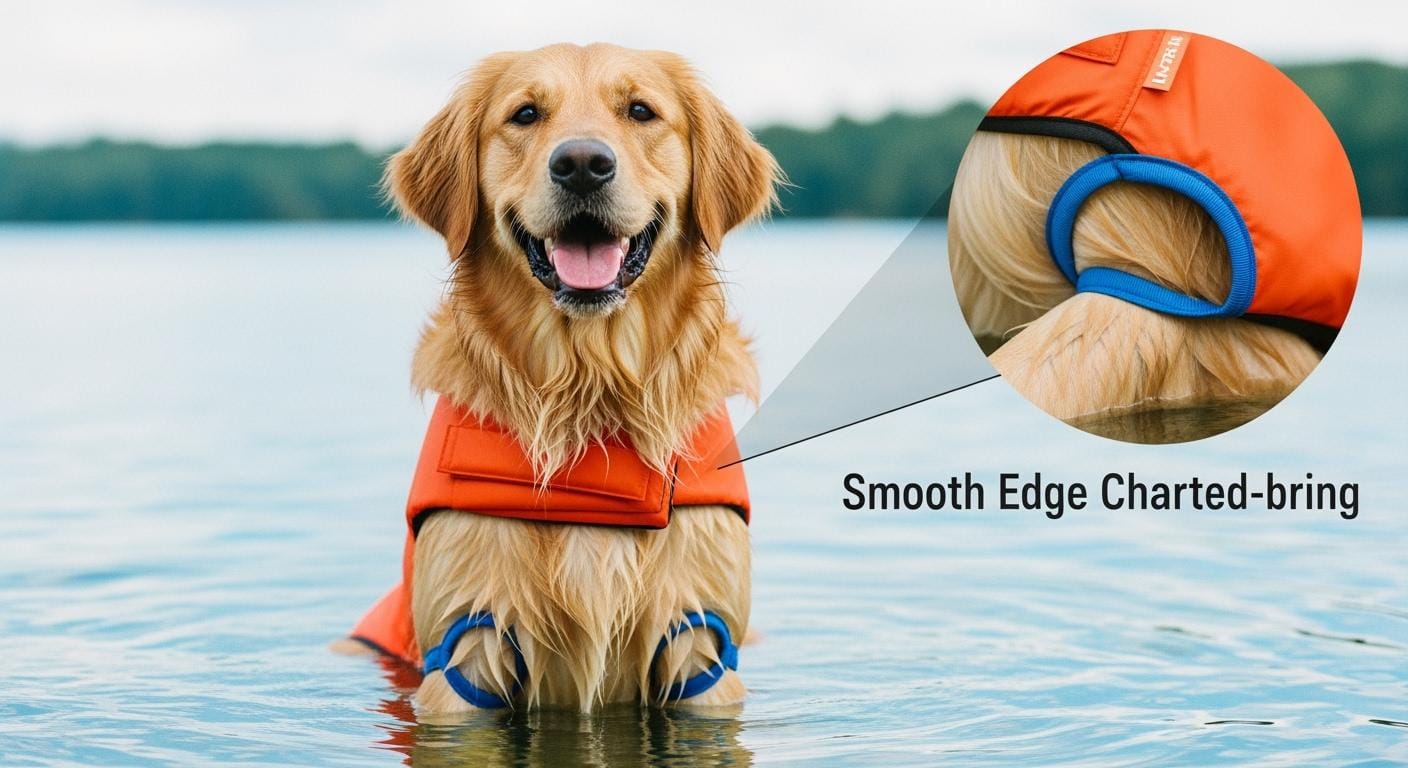
A dog vest that feels fine on a calm walk can still fail once running, turning, jumping, and quick stop-start movement are added. Active use exposes the real problems fast: the chest panel drifts, the strap line rubs, the whole vest rotates, or the dog shortens stride because the fit is no longer comfortable. The goal is not just to make the vest look snug. The goal is to keep it stable enough for movement while still letting your dog run and play naturally.
That usually starts by choosing the right vest-style harness shape for the dog’s body and activity level rather than assuming any padded vest will work for active use.
Why fit matters more once running and play begin
Movement changes everything. A vest that looks centered while your dog is standing still may slide once the dog accelerates, twists mid-play, or lowers the shoulders to pull forward. That is why active-use fit should always be judged in motion, not only during a quick indoor try-on.
What a stable dog vest should do
- Stay centered across the chest instead of drifting to one side.
- Allow full shoulder movement without bunching into the front legs.
- Keep the back section flat instead of rolling or lifting.
- Hold adjustment through movement without constant retightening.
Common signs the vest is already unstable
- The chest piece slides sideways after a short burst of movement.
- The vest rides up toward the throat.
- The dog scratches, shakes, or slows down after putting it on.
- One side shows more rubbing or flattening of the coat than the other.
Quick rule: if the vest only stays in place when it is tightened enough to restrict movement, the fit is not really correct.
How to check vest fit for stability and comfort
A better fit check starts with the body measurements, but it should never end there. Active dogs need a vest that still sits correctly after a few minutes of real movement.
Use this fit sequence
- Measure the neck area and widest part of the chest before choosing size.
- Adjust the vest so it lies flat and centered on both sides.
- Check that the front section does not press into the throat.
- Walk, jog, and turn your dog a few times to watch for drift or rubbing.
- Recheck strap tension after the first short active session.
| Check point | What good looks like | What needs fixing |
|---|---|---|
| Chest fit | Centered and flat during movement | Slides sideways or folds under tension |
| Shoulder clearance | Natural front-leg movement | Shortened stride or bunching near the front legs |
| Back stability | Top panel stays level | Rolls, lifts, or shifts off center |
| Strap hold | Adjusters stay put after activity | Loosens or drifts after a short run or play session |
Fit mistakes that show up fast in active use
- Choosing size by breed name or weight alone.
- Leaving extra slack because the vest “looks more comfortable.”
- Ignoring coat thickness changes after grooming or shedding.
- Judging fit before the dog has actually moved in it.
If the vest keeps shifting and it is hard to tell whether the issue is sizing, strap layout, or body shape, a broader comparison against harness sizing and use cases usually makes the problem easier to identify.
How to keep the vest comfortable during running and rough play
Comfort is not only about softness. A very padded vest can still feel wrong if it traps heat, rubs in the same spot, or shifts enough that the dog has to keep compensating. For active dogs, comfort usually means stable support with as little friction as possible.
What usually improves comfort
- A vest shape that stays centered instead of twisting during turns.
- Enough clearance near the armpits and shoulders.
- Materials that do not hold too much heat during active movement.
- A consistent setup used as part of a normal outdoor activity routine rather than constant gear changes.
What usually makes comfort worse
- Overtightening to stop the vest from moving.
- Letting the vest sit low enough to interfere with the shoulders.
- Ignoring early rubbing because the dog keeps moving anyway.
- Using a vest that gets heavy, hot, or stiff once the dog starts playing hard.
When the vest may be the wrong match for the activity
If your dog freezes, scratches repeatedly, shortens stride, or seems less willing to move freely once the vest is on, the problem may not be one small adjustment. The shape, cut, or overall style may simply not suit that dog for running and play.
What to recheck after use and when to stop using the current vest
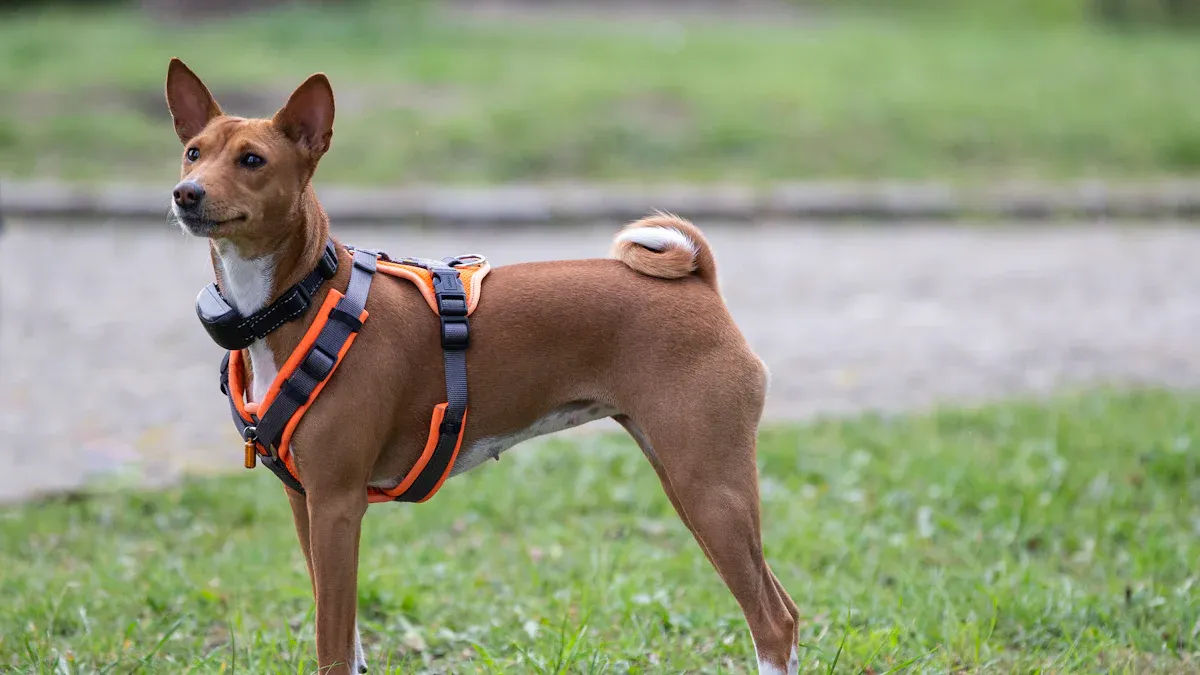
The first few real sessions tell you more than the initial try-on. This is when fit drift, hot spots, and movement restriction show up clearly enough to act on.
Check these signs after activity
- Redness or flattened coat near the chest or armpits.
- Sideways drift once the leash or body weight loads the vest.
- Adjusters that no longer hold their position.
- Changes in stride, posture, or willingness to wear the vest again.
Pause and reassess if you notice
- Repeated rubbing or chafing in the same area.
- The vest twisting every time the dog runs or turns sharply.
- Obvious discomfort, freezing, or resistance to movement.
- Hardware wear, fraying edges, or unstable strap hold.
A good active-use dog vest should feel more predictable over time, not more frustrating. If every outing starts with repositioning, retightening, and new irritation spots, the setup needs to change.
FAQ
How snug should a dog vest be for running and play?
It should stay centered and stable without pressing into the throat, restricting the shoulders, or rubbing at the armpits during movement.
Why does my dog vest shift only after the walk starts?
Standing still does not reveal the same problems as active movement. Running, turning, and pulling expose fit drift, loose adjusters, and body-shape mismatch much faster.
What is the most common comfort problem with active-use dog vests?
One of the most common problems is rubbing caused by a vest that twists or sits too close to the shoulder and armpit area once the dog starts moving faster.
Should I tighten the vest more if it keeps sliding?
No. Extra tightness can reduce comfort without solving the real issue. It is usually better to recheck size, strap layout, and whether the vest shape actually matches the dog’s body and activity level.
When should I stop using the current dog vest?
Reassess if you see repeated rubbing, shifting, shortened stride, resistance to movement, or hardware and strap wear that make the setup less stable over time.