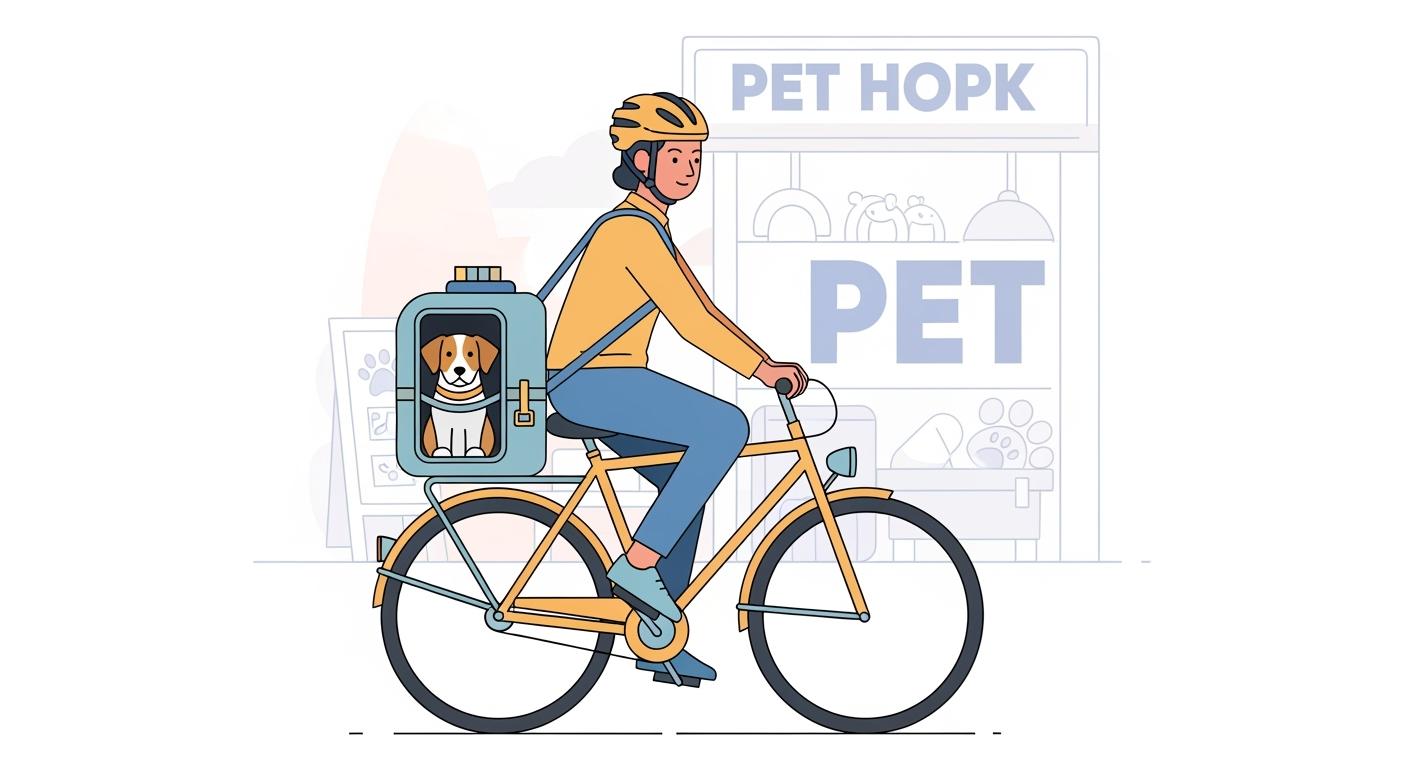
When carrying dog on bicycle, always put safety first. Use only sturdy carriers and harnesses specifically designed for carrying dog on bicycle. Over the past five years, carrying dog on bicycle has become more popular as more people want to enjoy outdoor activities with their pets. Educate both workers and customers about the proper equipment for carrying dog on bicycle. Demonstrate how to gradually train dogs for this experience. Teach safe techniques for carrying dog on bicycle. Remember, carrying dog on bicycle requires careful planning and should never be rushed.
Key Takeaways
Always put safety first by using strong carriers made for dogs and biking. Use harnesses that are made for biking with dogs.
Teach customers about the dangers of biking with dogs. Show them the right way to ride safely with dogs.
Check the equipment often. Make sure the carrier is the right size for the dog. Make sure the carrier matches the dog’s behavior. This helps stop accidents.
Safety-First Mindset for Carrying Dog on Bicycle
Trends in Biking with Dogs
You see more customers interested in biking with dogs every year. Many pet owners want to include their dogs in outdoor activities. This trend creates new opportunities for your store. You can offer products and advice that help customers enjoy cycling with your dog safely. As more people try riding with a dog, you need to stay updated on the latest equipment and best practices.
Risks of Riding with a Dog
Riding with a dog brings unique risks. Dogs can get hurt if you use the wrong carrier or skip safety checks. Common injuries include falls, scrapes, or even broken bones. Some dogs may panic or jump out if not secured properly. Weather and road conditions can also affect safety. You must remind customers that biking with a dog is not the same as a regular ride. Always check the carrier, harness, and straps before each trip. Avoid homemade carriers or crates that are not designed for bikes.
Retailers as Safety Advocates
You play a key role in keeping pets and people safe. Teach your staff to guide customers on safe biking with dogs. Show them how to select the right carrier for each dog’s size and temperament. Encourage regular equipment checks. Use these talking points:
Use only secure carriers made for dogs.
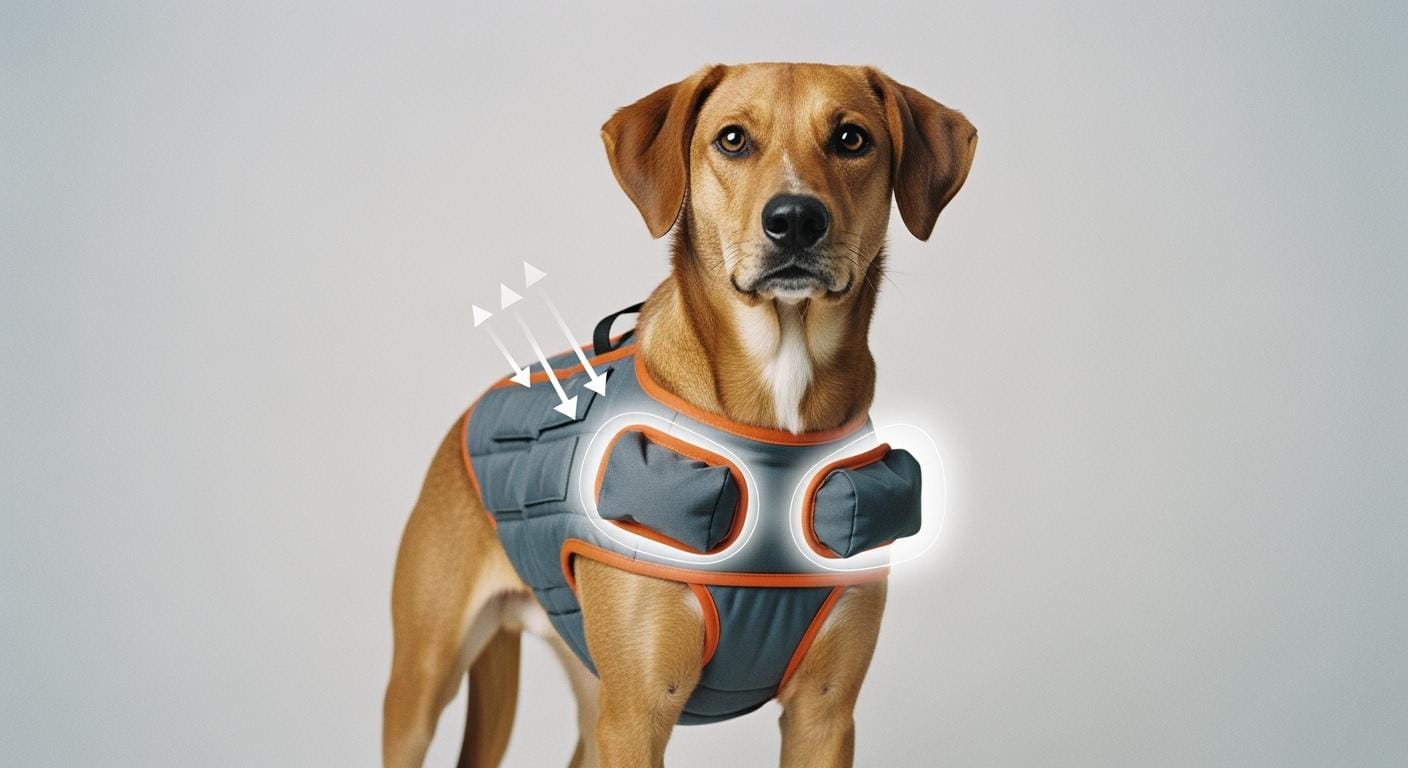
Always use a harness, not a collar.
Inspect all straps and clips before every ride.
Educate customers about the risks of cycling with your dog.
Tip: Create a checklist for your team to use during every sale involving biking gear for dogs.
Choosing the Right Carrier for Biking with Dogs
Selecting the best dog carrier for bike rides is one of the most important steps for safety. You need to match the carrier to the dog’s size, temperament, and the type of ride. Always use carriers with secure safety straps and avoid regular leashes, which can tangle or cause injury. When you choose the right dog carrier, you help prevent accidents and keep both the rider and the dog comfortable.
Front and Rear Bike Baskets
Front and rear bike baskets work well for small dogs. These baskets attach to the handlebars or the rear rack. You should always check that the basket has a strong frame, a secure attachment system, and a built-in safety strap. This strap keeps the dog from jumping out or falling. Many customers prefer expandable, soft-sided baskets because they offer comfort and flexibility.
Here are some popular types of dog carriers on bikes that retailers often stock:
Dog bike basket carrier with expandable, foldable sides
Soft-sided dog carrier for front or rear mounting
Bike basket with extra padding and mesh ventilation
Front bike basket designed for both dogs and cats
Tip: Dogs in bike baskets should always wear a harness attached to the safety strap, not a collar. This reduces the risk of choking or escape.
Baskets suit short city rides or smooth bike paths. Avoid using baskets for medium or large dogs, or for rough terrain. Overloading a basket can make the bike unstable and unsafe.
Bike Trailers for Large Dogs
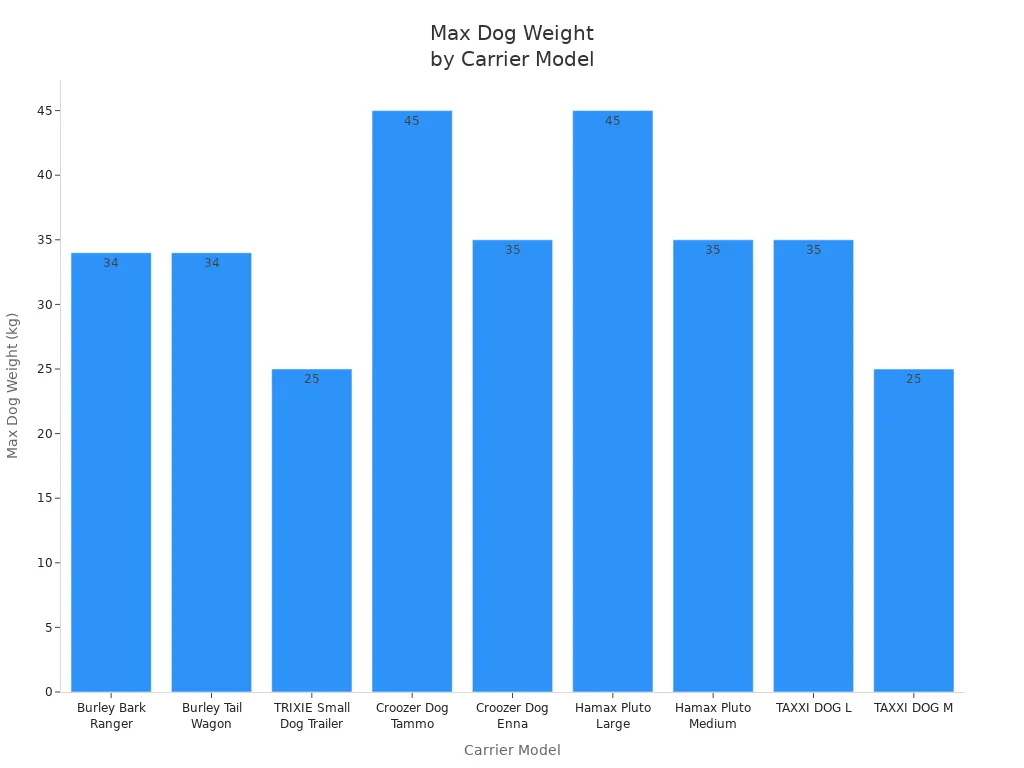
Bike trailers are the safest option for medium and large dogs. These trailers attach to the rear axle of the bike and ride low to the ground. This design gives more stability and space for the dog. When you choose the right dog carrier for bigger breeds, always check the weight limit and safety features.
Here is a table showing common weight limits for dog carriers on bikes:
Carrier Model | Max Dog Weight | Trailer Weight | Price |
|---|---|---|---|
Burley Bark Ranger | 34 kg | 13.94 kg | $ 830.00 |
Burley Tail Wagon | 34 kg | 9.8 kg | $ 525.00 |
TRIXIE Small Dog Trailer | 25 kg | 13.3 kg | $ 375.00 |
Croozer Dog Tammo | 45 kg | 20.3 kg | $ 1,400.00 |
Croozer Dog Enna | 35 kg | 16.08 kg | $ 1,070.00 |
Hamax Pluto Large | 45 kg | 16.5 kg | $ 850.00 |
Hamax Pluto Medium | 35 kg | 19.4 kg | $ 800.00 |
TAXXI DOG L | 35 kg | 16.64 kg | $ 640.00 |
TAXXI DOG M | 25 kg | 12.96 kg | $ 580.00 |
When you recommend a trailer, look for these safety features:
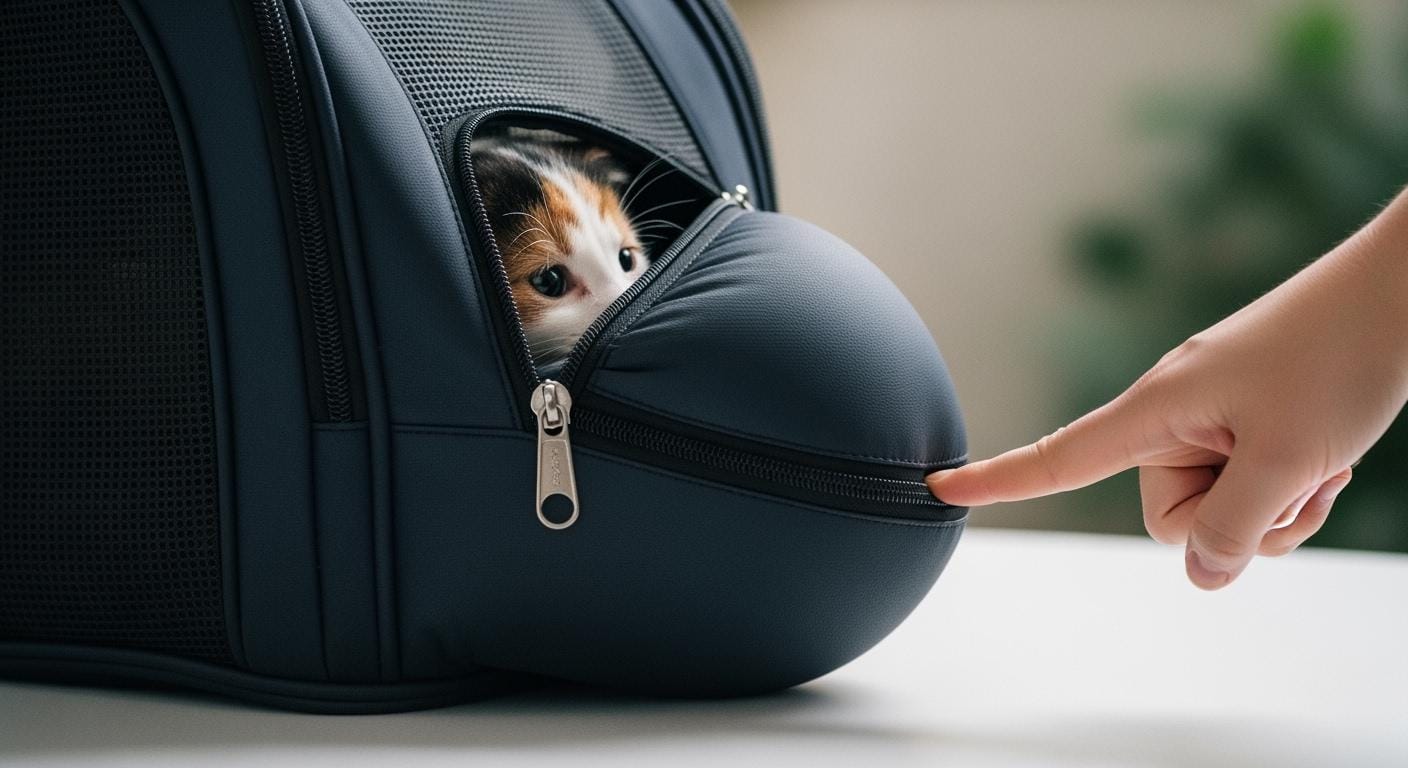
Secure door guard and heavy-duty zippers to prevent escape
Front cross tube for extra stiffness
Bumper for impact protection
Heavy-duty floor panel with cross tubes for stability
Low center of gravity and wide wheelbase for balance
Before each ride, check that the hitch arm is mounted on the left side and the safety strap is attached. Lock the hitch connector, check tire pressure, and make sure the safety flag and rear light work. Always close the rear door and secure the roll-up blind if the dog feels anxious. Remove the leash from the collar to prevent tangling. Fasten down any loose items in the trailer.
Note: Dogs in bike trailers should have enough space to sit, stand, and turn around. Never exceed the trailer’s weight limit.
Backpacks and Wearable Carriers
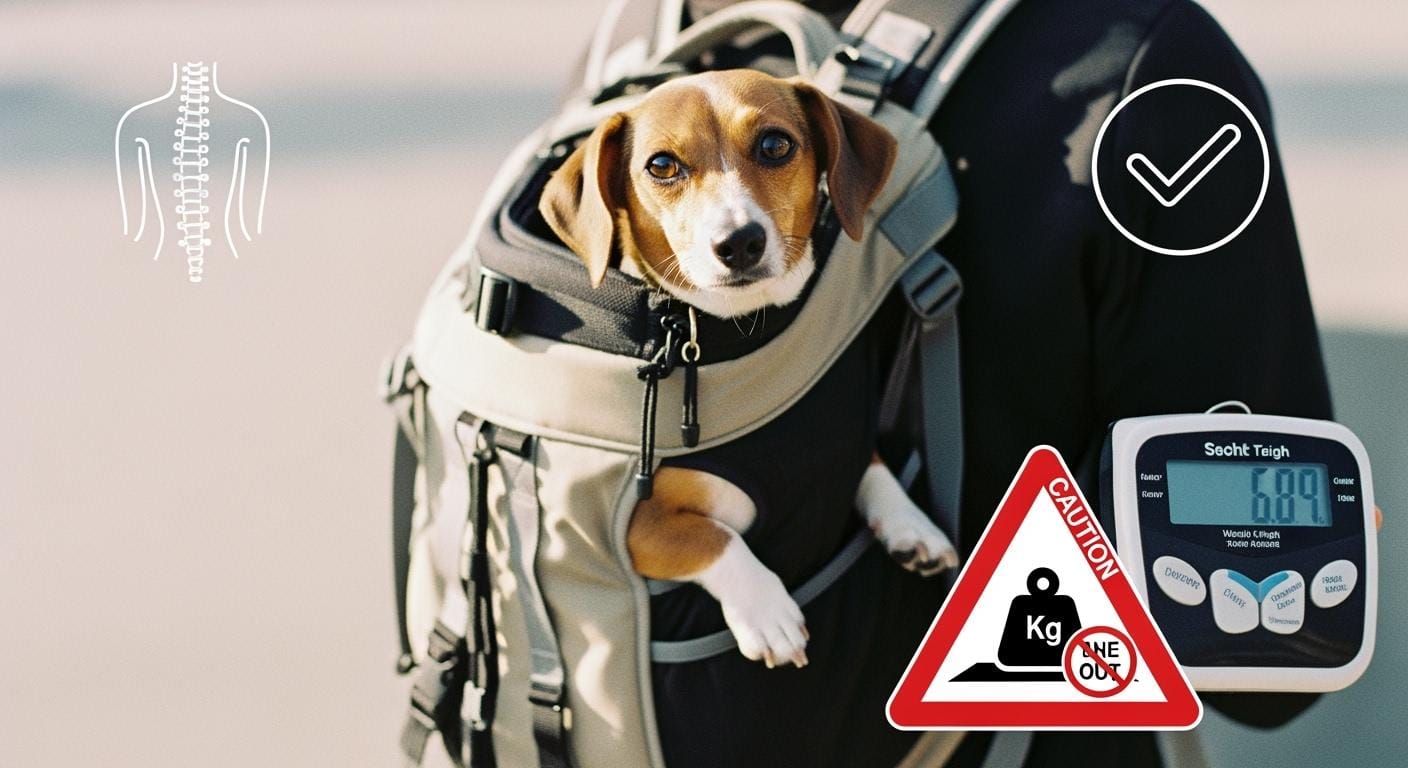
Backpacks and wearable carriers are best for very small dogs or puppies. These carriers keep the dog close to your body, which can help nervous dogs feel safe. You should only use these for short rides and for dogs that weigh less than 10 kg. Always check that the backpack has padded straps, mesh panels for ventilation, and a secure harness attachment inside.
Backpacks work well for quick errands or crowded areas where a trailer or basket would be too bulky. Do not use backpacks for long rides or for dogs that do not like being confined. If the dog shows signs of stress, stop and let them out.
Callout: Never use a regular leash with backpacks or wearable carriers. Always use the built-in safety strap to prevent falls.
When Not to Carry a Dog on Bicycle
Some situations make it unsafe to carry dogs in bike baskets, trailers, or backpacks. You should always assess the dog’s health, the weather, and the route before each ride. Here are common scenarios where you should not carry a dog on a bicycle:
Skipping practice rides can make the dog anxious or scared.
Using the wrong size carrier can cause the dog to fall out or feel trapped.
Ignoring weather protection can lead to overheating or chills.
Forgetting safety checks can cause equipment failure.
Not securing the harness properly can create dangerous situations.
Dogs in cargo bikes or dog cargo bike setups need extra care. Make sure the carrier fits the dog’s size and weight. If the dog is too large, too active, or too nervous, it is better to walk or drive instead.
Safety Alert: Always choose the right dog carrier for the dog’s size and the type of ride. Never force a dog into a carrier if they show signs of fear or discomfort.
By following these guidelines, you help customers choose the right dog carrier and reduce the risk of accidents. You also build trust by showing that you care about the safety of both pets and riders.
Safety Tips for Riding with a Dog
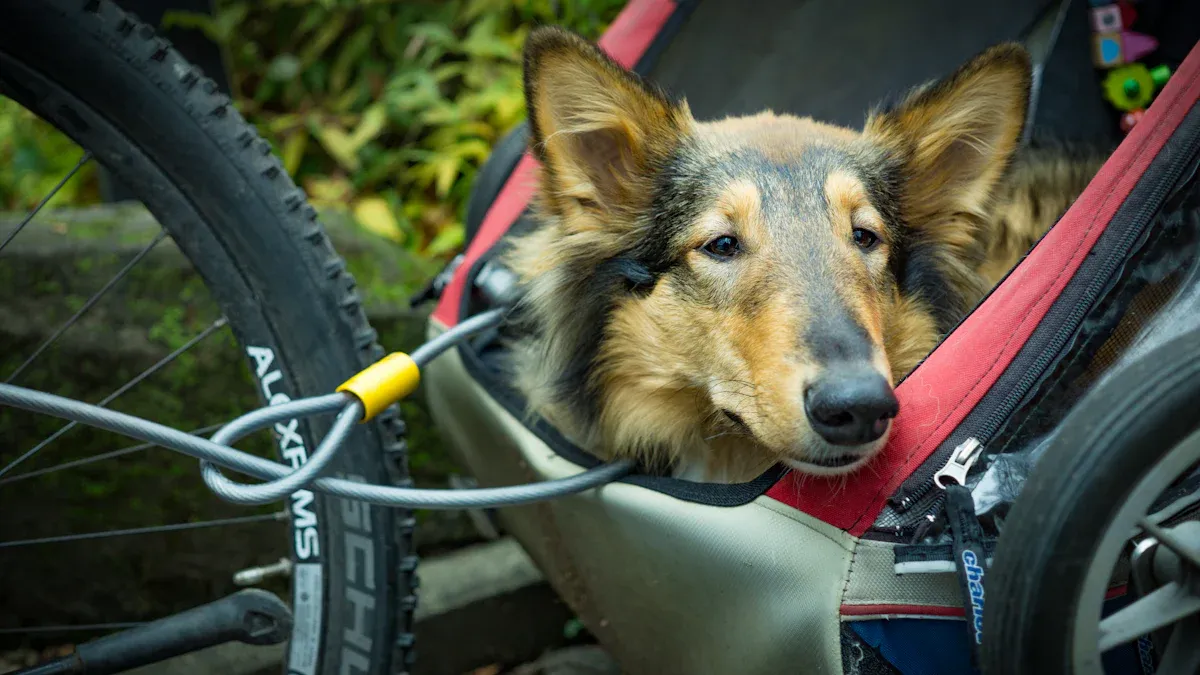
When you ride with a dog, you need to think about safety. Good planning and using the right gear help you avoid accidents. These tips will help your customers and staff stay safe while biking.
Weight Limits and Bike Stability
Check your dog’s weight before you start biking. The dog’s weight and the carrier type change how the bike feels. Heavy dogs can make the bike hard to control. Stopping or turning can be tricky. You might need more time to stop. You may feel less steady at slow speeds. Never go over the carrier’s weight limit. Tell customers to test the bike with the dog inside first. Try this before riding in busy places. If the bike feels wobbly, pick a different carrier or use a lighter load.
Tip: Use a strong carrier and keep the weight even. Do not make quick moves or sharp turns with a dog.
Secure Attachment and Restraint Systems
Always use safety straps and a harness that fits well. Do not use a regular leash or collar. These can hurt the dog or let them escape. Attach the harness to the carrier’s safety strap. If dogs run next to the bike, use a dog bike tow lead or a special leash. These keep the dog away from the wheels.
Here is a table with the best ways to keep a dog safe in a bike carrier:
Best Practice | Description |
|---|---|
Stability & Security | Use a strong carrier with good attachments to keep dogs calm. |
Safety Straps & Harness Attachments | Use harnesses and built-in straps to stop escapes. |
Gradual Introduction | Let the dog get used to the carrier before the first ride. |
Monitor Comfort | Watch for signs of discomfort and take breaks as needed. |
Bring Essentials | Carry water, treats, and a familiar blanket for comfort. |
You can use this table to help staff explain why secure straps matter:
Type of Carrier | Description | Key Features |
|---|---|---|
Dog Bike Trailers | Closed ride for big dogs, with air flow and weather cover. | Safe, calm, and secure ride |
Rear Frame Baskets | For small dogs, placed behind the rider. | Steady, padded, safety straps |
Front Handlebar Baskets | For small dogs, placed in front. | Soft lining, harness attachments |
Dog Bike Seats | For small breeds, mounted safely. | Padded seat, harness connection |
Note: A harness that fits well is very important. Always check all clips and straps before you ride.
Ventilation and Weather Protection
Good airflow keeps your dog cool and happy. Pick carriers with mesh panels on at least two sides. This lets air move and stops overheating. For all seasons, choose carriers with rain covers or sunshades. These protect dogs from rain, wind, and sun. Remind customers not to ride in very hot or cold weather. Always bring water and stop to check your dog.
Mesh windows or panels for air flow
Rain covers and sunshades for weather protection
Soft padding inside for comfort on long rides
Callout: Never leave a dog alone in a carrier, especially when it is hot.
Visibility and Signaling Gear
You must make sure you and your dog can be seen by cars. Use bright headlights and taillights. City rides need 400–800 lumens. Trails need up to 2,500 lumens. Some taillights flash or warn you about cars. Add spoke lights or ground lights for side views. Reflective vests and harnesses help drivers see you and your dog in the dark.
Headlights and taillights for front and back
Spoke lights and ground lights for sides
Reflective vests, leashes, and harnesses for both rider and dog
Tip: Sell a night safety kit with reflective gear, LED lights, and a first aid kit.
Compliance with Local Laws
You need to know and follow local laws when biking with your dog. Some states say dogs must be on a leash no longer than six feet. Some cities say you must keep your bike close to the curb. Some trails need special permits. Night rides may need reflective gear by law. Always check the rules in your area before you ride.
State | Regulation Description |
|---|---|
California | Dogs must be secured on a leash no longer than 6 feet |
New York | Bikes must stay within 4 feet of the curb with dogs |
Colorado | Special permits may be required for some trail systems |
Florida | Night riding with dogs requires reflective gear |
Alert: Laws can change. Remind customers to check local rules before biking with a dog.
Additional Safety and Merchandising Tips
Watch your dog’s energy. Take breaks and give water often.
Pick safe routes. Stay away from busy roads and rough paths.
Pay attention to other bikes, cars, and people.
Stock and suggest dog biking gear like reflective leashes, harnesses, and vests.
Sell safety kits for easy shopping.
Tell customers to bring a first aid kit every time.
By using these safety tips, you help customers bike safely with their dogs. You also show you care about safety and smart biking with dogs.
Matching Carrier to Dog and Ride Scenario
Assessing Dog Size and Temperament
You need to look at both the size and temperament of each dog before choosing a carrier. Calm and adaptable dogs usually enjoy rides and stay safe. Nervous or very excited dogs can create risks for themselves and you. If a dog jumps or barks a lot, it can lead to dangerous situations. Over-excitement around distractions may tip over a bicycle. Always match the carrier to the dog’s size, weight, and personality. Training should fit the dog’s comfort level and may affect how long you ride.
Calm dogs adapt well to new carriers.
Nervous or excitable dogs need extra training and shorter rides.
Trust between you and the dog is key for safe cycling.
Trip Type and Terrain
Think about where you plan to ride. Urban streets, parks, and trails all need different setups. Rough terrain needs sturdy carriers with strong safety features. For city rides, you want carriers with good brakes, lights, and fenders. Lighter or folding carriers help if you use public transit or have limited storage.
Factor | Description |
|---|---|
Local Laws | E-bike classes and carriers may face different rules in each area. |
Terrain | Choose carriers and bikes that match the road or trail surface. |
Safety Features | Brakes, lights, and fenders are important for city rides. |
Portability | Lighter carriers work best for public transit or small spaces. |
Rider Skill and Bike Type
Your skill level and bike type matter. E-bikes handle extra weight better than regular bikes. Hitch platform racks work well for most e-bikes because they offer high weight capacity and stability. Avoid roof or trunk racks for e-bikes, as they can be unsafe and hard to lift.
Rack Type | Best For | Good Points | Bad Points |
|---|---|---|---|
Hitch Platform | Most e-bikes | Stable, easy loading | Needs hitch, higher cost |
Truck Tailgate Pad | Pickup trucks | Simple, fast | Only for trucks |
Roof/Trunk Rack | Not recommended | N/A for e-bikes | Unsafe, exceeds weight |
Example Carrier Matches
Here is a quick guide to help you match carriers, dogs, and ride types:
Dog Size/Type | Carrier Type | Ride Scenario |
|---|---|---|
Small, calm | Front/rear basket | City, short trips |
Medium, adaptable | Bike trailer | Parks, longer rides |
Large, steady | Sturdy trailer | Trails, e-bike rides |
Nervous/puppy | Backpack, short ride | Quiet paths, errands |
Tip: Always test the setup in a safe area before heading out. Adjust your choice if the dog seems uncomfortable.
Pre-Ride Checklist for Biking with Dogs
A good checklist helps keep you and your dog safe. Getting ready before the ride lowers risks. It also helps new riders and pets feel more sure.
Product Inspection Before Sale
Make sure the carrier is steady. Check all straps, bolts, and fasteners.
Look at the harness. Make sure buckles are strong and it has reflective parts.
Check if the carrier fits your dog’s weight and size.
Try out all safety parts like zippers and door guards.
See if the carrier lets air in and keeps out bad weather.
Fitting Carrier and Harness
Measure your dog well. If your dog is between sizes, pick the bigger one.
Use the two-finger rule. You should fit two fingers between the harness and your dog.
Change the straps so they are tight but comfy.
Buckle every strap before you ride.
Pick harnesses with reflective parts so others can see your dog.
Bike Setup and Balance Test
Attach the carrier tightly to the bike. Check every connection.
Put your dog in the carrier. Make sure the bike does not tip.
Try a short ride in a safe place first.
Bring water, a bowl, treats, and waste bags.
Check the weather and your route before you go.
Training and Acclimation Plan
Let your dog see and smell the bike while it is not moving.
Start with slow, short rides on soft ground.
Teach your dog simple commands like ‘sit’ and ‘stay.’
Make rides longer and faster as your dog gets used to it.
Watch your dog for stress or tiredness. Stop and rest if needed.
Tip: Being calm is just as important as being safe. A relaxed dog will have more fun and stay safer.
In-Store Education and Merchandising Strategies
Staff Talking Points for Safety
You help customers stay safe by giving simple advice. Teach your staff to focus on these ideas: Always use carriers made for dogs and bikes. Show how to put on harnesses and tighten straps. Remind customers to check weight limits and keep the bike steady. Explain why slow training is important for pets and owners.
Tip: Staff who know about safety can earn trust and get more customers to come back.
Educational Materials and Demos
Customers learn better when they watch products being used. Give live demos to show how to use carriers, harnesses, and safety gear. Hold workshops to teach safe biking and answer questions. Use printed guides and posters to remind people about safety. Grooming demos also get attention and help sell other products.
Educational Activity | Benefit for Customers | Benefit for Store |
|---|---|---|
Live Demos | Show how to use products | Makes people trust items |
Workshops | Teach safe biking steps | Builds loyal shoppers |
Printed Guides | Easy safety reminders | Fewer returns |
Grooming Demos | Teach pet care | Sells grooming products |
Cross-Selling Safety Kits
Put products together to make shopping safer and easier. Make kits like a “night-ride safety kit” with reflective leashes, harnesses, and LED lights, or a “weekend adventure kit” with travel bowls and first aid. Place these kits near the checkout or busy spots. Use displays to show why these kits are helpful.
Learn what your customers need and suggest the right kits.
Teach staff to explain why each item is useful.
Give rewards to get customers to buy again.
Collecting Feedback and Incident Reports
Ask for feedback to make your store safer and better. Set up an easy way for customers to share their thoughts in the store or online. Tell customers to report any problems or accidents. Look at these reports often to find patterns and fix safety issues fast.
Talking to customers helps you spot and solve problems.
Good feedback programs make people happier and safer.
Fast reporting of problems can stop future injuries.
Note: Talking with your customers shows you care about them and their dogs.
You can keep dogs safe on bikes by doing a few things. First, always use a checklist before you ride. Make sure the carrier is secure. Bring water, treats, and waste bags for your dog. Ride carefully and stop for breaks when needed. Train your staff often and talk about safety a lot.
This guide helps staff learn and helps customers too. Always think about safety every time you ride.
FAQ
How do you know if a dog is ready for a bike ride?
You should watch for calm behavior. If your dog sits quietly in the carrier during practice, you can start with short rides.
What should you do if a dog gets anxious during a ride?
Stop the bike right away. Speak calmly. Let the dog out for a break. Try again later with shorter rides and more practice.
Can you use regular pet carriers for biking with dogs?
No. You must use carriers made for bikes. These carriers have safety straps and strong frames to protect dogs during rides.