
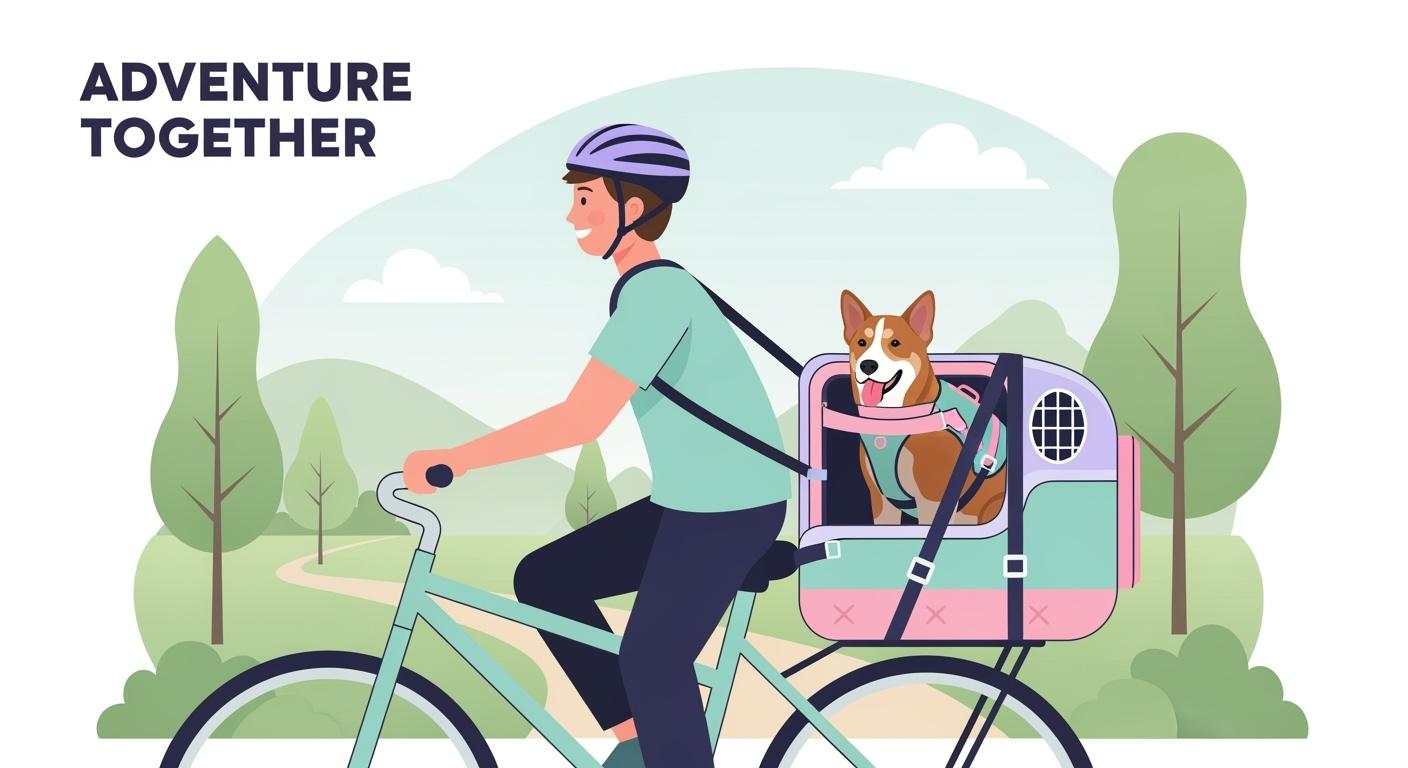
When you plan to carry your dog on a bike, you first need to think about the dog’s health and comfort. Look at your dog’s age, size, and temperament to see whether biking is a good fit. Use purpose-built bike carriers, baskets, or trailers instead of improvised solutions, and always pair them with a secure harness. Train your dog to relax in the carrier before longer rides, and check local rules about biking with dogs so your customers stay compliant. As more pet parents look for ways to ride with their dogs, pet retailers and outdoor pet brands are seeing growing demand for safe “carry dog bike” solutions.
- Recent research on the global pet bike carrier market estimates a market size of around USD 150 million in 2024, rising to roughly USD 300 million by 2033. This implies a compound annual growth rate (CAGR) of about 8.5% from the mid-2020s.
- Focus on safety, picking the right products to carry dog bike, and teaching customers how to use them. This helps your customers make smart choices and supports steady growth in your dog bike category.
Key Takeaways
Always look at your dog’s health and mood before biking. Some dogs may not be ready because of age or health problems.
Use safe harnesses and the right gear made for dog biking. This keeps your dog safe and comfy during rides.
Teach customers about more people wanting dog biking products. Show why safety and good quality matter in dog carriers.
Pick safe paths and check the weather before you bike. Stay away from busy roads and bad weather to keep your dog safe.
Train your dog slowly for biking. Begin with short rides and give treats for good behavior so they get used to it.
Why Biking With Your Dog Is Trending
Pet Humanization and Outdoor Cycling
People treat their pets like family now. This is called pet humanization. It changes how people do outdoor activities. Many pet owners want their dogs with them every day. They want to take their dogs cycling too. People look for products that help carry their dog on a bike safely and make it fun.
Pet owners in North America and Europe lead this trend. These places have lots of pets and many people ride bikes.
More customers ask for dog bike carriers, dog bike baskets, and dog bike trailers.
People want strong and eco-friendly products for outdoor trips with pets.
Pet wellness is important, so people want safe and comfy ways to carry their dogs.
Tip: Always suggest using a good harness. Check the dog’s health, weight, and temperament before you recommend any dog bike carrier.
Market Growth for Carry Dog Bike Products and Accessories
The market for dog bike carriers and related accessories continues to expand as more pet owners look for safe ways to include dogs in outdoor activities. Demand is especially strong for dog bike trailers that can carry larger breeds or dogs with mobility issues.
- Some market reports suggest the dog bike trailer segment could grow at double-digit annual rates over the next several years, especially in developed cycling markets.
- More customers are asking for products that let them combine dog exercise, travel, and family outings in one solution.
- Retailers and outdoor brands can expand their assortments with safe, well-tested carriers, baskets, trailers, and accessories.
- Clear in-store or online guidance helps customers compare dog bike baskets and trailers by size, safety features, and use case, which can increase both satisfaction and repeat purchases.
This trend gives retailers and outdoor pet brands a chance to educate customers, build trust, and position themselves as safety-first partners. When you focus on well-designed products and clear guidance, you help pet owners enjoy biking with their dogs while keeping everyone safer.
Is Carrying Your Dog on a Bicycle Safe?
Health and Temperament Checks
Before you take a dog on a bike, always check the dog’s health and temperament. Not every dog is ready for this activity. Some have medical issues that make biking unsafe, and some simply do not enjoy the movement or noise. Look for these signs before you start:
- Dogs that are overweight or out of shape should not ride on a bike until a vet approves it.
- Puppies under 18 months should wait until their bones and muscles are fully developed.
- Older dogs may have joint pain or arthritis that makes biking uncomfortable.
- Dogs with infections, fever, or stomach problems should not go biking.
- Dogs in pain or with mobility issues need a vet check before any bike activity.
- Some senior dogs may find biking stressful, even if they seem calm at home.
- Dogs that are very anxious, easily distracted, or chase moving objects can be unsafe on a bike ride.
You can use this table to match your dog’s age to the right activity:
Age Group | Recommendations |
|---|---|
Puppies (0-18 months) | Walking and gentle play only |
Young Adults (18m-4y) | Start with short, easy bike rides |
Prime Adults (4-7y) | Best age for biking |
Mature Adults (7-10y) | Adjust rides for fitness and comfort |
Seniors (10+ years) | Short, gentle rides or use a dog bike trailer |
Key Safety Risks
When you take your dog on your bike, you face some risks. You can reduce these risks by planning ahead:
Skipping training can cause stress or accidents.
Poor weight balance makes the bike unstable.
Bad weather can make roads slippery.
Not checking your gear can lead to equipment failure.
Long rides may tire your dog too quickly.
Tip: Always use a secure harness and check your dog bike carrier or dog bike basket before each ride.
When Not to Take Your Dog on Your Bike
Some dogs should not go biking. Watch for these signs:
- Brachycephalic breeds, like bulldogs, can have trouble breathing during exercise.
- Large, heavy dogs and older dogs may have joint pain or other mobility issues.
- Dogs with thick coats can overheat quickly in warm weather.
- Puppies under 18 months should not bike until they are fully grown and a vet has cleared them.
- Dogs with chronic mobility problems or serious health conditions should avoid biking.
You should also check local laws before you take your dog on your bike. Most places allow it, but some cities have special rules. Always follow local regulations to keep your business and your customers safe.
If you want to bike with your dog, focus on safety, health checks, and proper equipment. This helps you give the best advice to your customers and keeps every ride safe.
How to Carry Dog Bike Safely: Baskets, Trailers, and Leash Systems
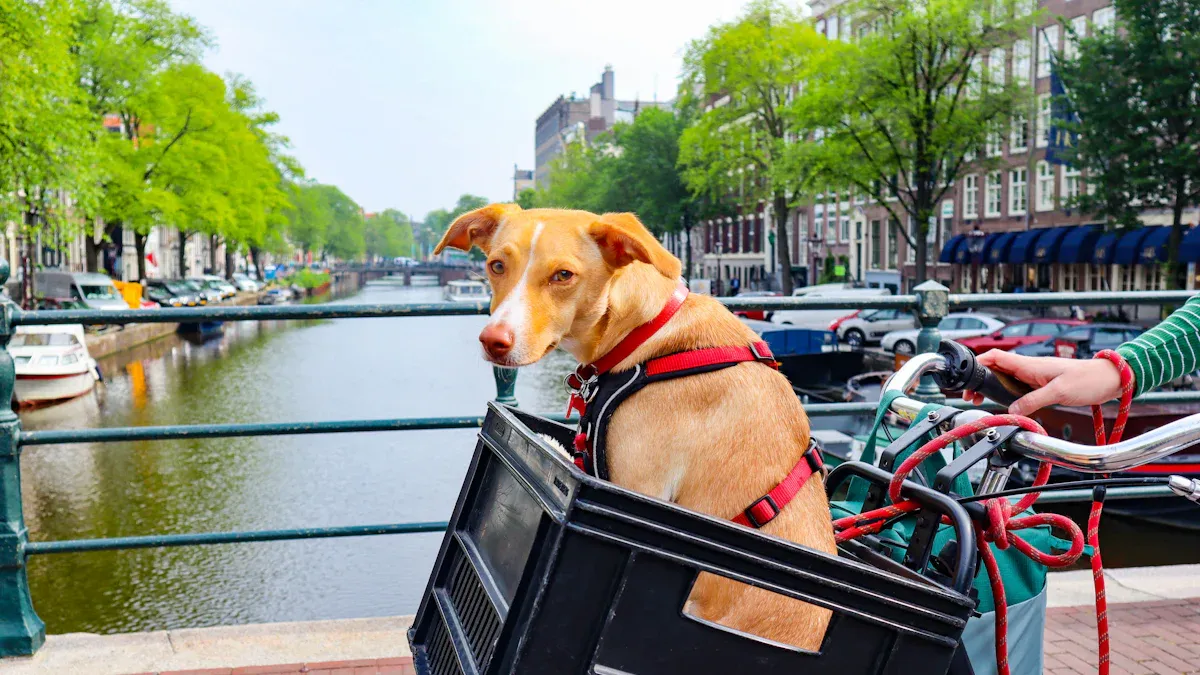
Choosing the right way to carry a dog on a bike depends on the dog’s size, breed, and activity level. Retail teams need to match each carry solution to a clear use case, such as short city rides, weekend trips, or longer dogpacking tours. Each option—front basket, rear basket, trailer, backpack, or bike leash system—offers different safety features and comfort levels. Use this guide to help your customers select the best carry dog bike solution for their pets.
Front Basket for Small Dogs
A front basket works best for small dogs. You should recommend this option for dogs weighing 20 pounds or less. The front basket lets the rider keep an eye on the dog and makes communication easy. Most front baskets attach to the handlebars and include safety straps.
Designed for dogs up to 20 pounds (around 9 kg).
Easy to install and remove.
Allows direct supervision during the ride.
Often includes a harness clip for extra security.
Tip: Always check the weight limit before you install a front basket. Make sure the basket sits level and does not block the rider’s view.
Rear Basket and Crate Choices
Rear baskets and crates work well for many medium-sized dogs. Look for models with strong frames, secure mounting systems, and clear weight limits. When customers use a rear basket to carry a dog on a bike, stability and harness attachment are the most important safety points.
Secure harness clips keep your dog in place.
Reflective elements improve visibility in low light.
Extra padding adds comfort on bumpy roads.
Weather protection includes rain covers and sunshades.
Note: Always test the basket or crate for stability before each ride. Check that the harness fits your dog and attaches securely.
Dog Bike Trailer for Larger Breeds
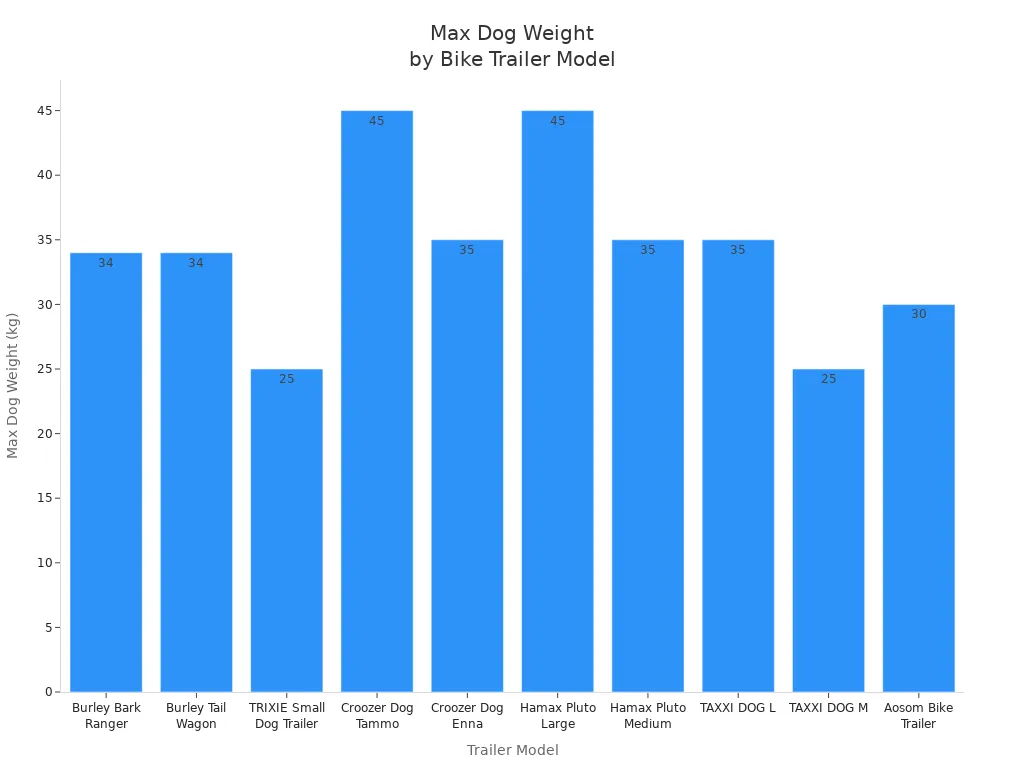
Dog bike trailers work best for large dogs or dogs with mobility issues. These trailers attach to the rear axle or frame. You should recommend trailers with sturdy construction and proper ventilation. Always check the maximum weight limit for each model.
Model | Max Dog Weight | Trailer Weight | Indicative EU Price (2023, €) |
|---|---|---|---|
Burley Bark Ranger | 34 kg | 13.94 kg | €779.00 |
Burley Tail Wagon | 34 kg | 9.8 kg | €489.00 |
TRIXIE Small Dog Trailer | 25 kg | 13.3 kg | €349.00 |
Croozer Dog Tammo | 45 kg | 20.3 kg | €1,299.00 |
Croozer Dog Enna | 35 kg | 16.08 kg | €999.00 |
Hamax Pluto Large | 45 kg | 16.5 kg | €799.00 |
Hamax Pluto Medium | 35 kg | 19.4 kg | €749.00 |
TAXXI DOG L | 35 kg | 16.64 kg | €599.00 |
TAXXI DOG M | 25 kg | 12.96 kg | €549.00 |
Aosom Bike Trailer | 30 kg | N/A | N/A |
Tip: Always check the trailer’s hitch and wheels before each ride. Make sure the trailer has enough space for your dog to sit or lie down comfortably.
Pet Carrier Backpack for Bikepacking With Your Dog
A pet carrier backpack suits small and some medium dogs. Recommend this option for customers who want to join longer trips or dogpacking adventures but still keep the dog close to their body. The backpack creates a controlled environment, reduces movement, and can make nervous dogs feel more secure while riding.
The K9 Sportsack Air 2 offers good ventilation.
Side pouches hold snacks or water bottles.
A carabiner adds security for harness attachment.
The padded base supports comfort and stability.
Adjustable ventilation prevents overheating.
Waterproof materials protect against rain.
Padded interiors keep dogs comfortable.
Note: Always check the fit before each ride. Make sure the backpack supports your dog’s weight and allows free movement.
Bike Leash Systems for Active Dogs
Bike leash systems are best for active, healthy dogs who enjoy running beside the bike rather than riding in a carrier. Recommend these only for well-trained dogs that respond reliably to basic commands. Clear instructions on speed, distance, and rest breaks are essential to keep both dog and rider safe.
Choose durable materials for outdoor use.
Look for quick-release mechanisms for emergencies.
Adjustable leash length improves comfort and control.
Padded harnesses prevent neck strain.
Make sure the leash fits your bike’s frame or handlebars.
Train your dog to respond to commands before biking.
Use protective gear to prevent injuries.
Start with short rides in safe areas.
Inspect the leash and bike for wear and tear before each ride.
Tip: Always use a well-fitting harness. Never attach the leash to a collar, as this can cause injury.
Matching Transport Methods to Dog Size and Activity Level
You need to match the transport method to the dog’s size and temperament. Use this table to guide your customers:
Dog Size | Best Option | Activity Level |
|---|---|---|
Small (<20 lb / <9 kg) | Front basket, backpack | Calm, moderate |
Medium (20–35 lb / 9–16 kg) | Rear basket, trailer | Moderate, active |
Large (>35 lb / >16 kg) | Dog bike trailers, bike cargo trailer | Active, mobility issues |
Note: Always recommend a vet check before biking. Make sure the dog wears a secure harness and stays hydrated during the ride.
Product Selection and Safety Features
When you help customers choose how to carry a dog on a bike, focus their attention on these safety features:
Weight limits and size compatibility.
Secure harness attachment points.
Reflective strips for visibility.
Weather protection for comfort.
Easy installation and removal.
Stable mounting systems.
Padded interiors for shock absorption.
Educate your customers about regular safety checks, gradual training, and route planning. This reduces the risk of accidents and helps ensure every carry dog bike ride is as safe and comfortable as possible.
Safety Tips for Carrying Dog on Bicycle
Securing Your Dog Properly
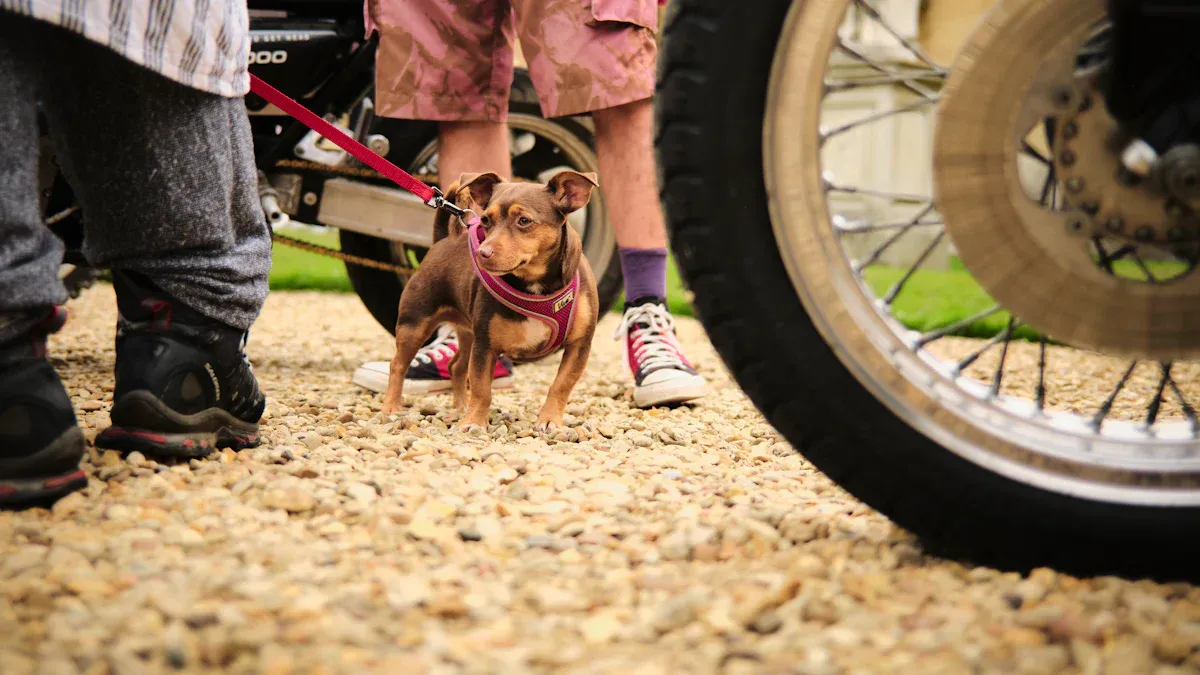
You must keep your dog safe before you ride. Use a harness with soft chest and back panels. This helps stop rubbing and keeps your dog comfy. Pick harnesses with more than one leash spot and reflective strips. These features help your dog stay safe and seen. Always check if the harness fits your dog well. Adjust it so it is snug but not too tight. For dog bike seats, baskets, and trailers, look for these safety features:
Safety Feature | Description |
|---|---|
Secure Door Guard | Stops dogs from jumping out |
Heavy-Duty Zippers | Keeps doors closed |
Front Cross Tube | Adds stiffness |
Bumper | Protects against impacts |
Wide Wheelbase | Improves stability |
Hitch-arm Safety Strap | Prevents contact with brakes |
Safety Flag | Increases visibility |
Properly Inflated Tyres | Ensures stable rides |
Roll-up Blind | Calms anxious dogs |
Detached Leash | Prevents tangling |
Tip: Always tie down loose things in the basket or trailer. This helps stop injuries if you hit a bump.
Planning Routes and Checking Weather
Plan your trip before you ride with your dog. Pick roads with wide shoulders and bike lanes. Stay away from busy crossings and left turns in traffic. Ask local bike clubs or police for safe places to ride. Use safety websites to check if roads have had accidents. If you ride near bears or cows, keep your dog on a leash. Teach your dog to run on the right side of the road.
Bad weather can make biking unsafe for your dog:
If it is cold enough that you need gloves and a warm jacket, your dog may also be too cold, especially in an open basket or trailer.
Wind can make it feel even colder
Ice or snow can make roads slippery
Note: Never ride with your dog when it is very hot or very cold. Always look at the weather before you go.
Training Steps for Bike With Your Dog
Help your dog get used to riding with these steps:
Begin with short, slow rides.
Give treats and praise when your dog behaves well.
Watch for signs your dog is tired or not happy.
Stay alert for things that might distract your dog.
Choose routes that are safe for dogs.
Do not ride during the hottest part of the day.
Put booties on your dog’s feet in winter.
Never force your dog to ride if they do not want to.
Suggestion: Videos that show each step, how to fasten harnesses, and safety checks before riding can help teach customers.
Emergency Prep and First Aid
Be ready for emergencies when you ride with your dog. Bring these things:
Treats
Extra water
A small pet first aid kit (like the Adventure Medical Trail Dog Kit)
Poo bags
Check your kit before every ride. Learn simple first aid for dogs. Know where the closest vet is along your route.
Safety steps keep both rider and dog safer. Always make sure your dog is comfortable, secure, and well-hydrated on every ride. If customers use e-bikes, remind them to choose stable models with good brakes, keep speeds low, and avoid sudden acceleration when riding with dogs.
Merchandising and Education for Pet Retailers
Building a Carry Dog Bike Product Assortment
Retail buyers can build a strong carry dog bike assortment by thinking in dog sizes, health needs, and use cases. Offer a mix of baskets, trailers, backpacks, and bike leash systems that clearly cover small, medium, and large dogs. When selecting products, consider:
- Comfort for the dog: padded surfaces and stable support
- Trailer or basket weight and overall durability
- How smoothly the setup steers and brakes when loaded
- Whether the carrier folds or has multi-use functions for storage and travel
- Easy entry and exit for larger or mobility-limited dogs
- Surfaces and liners that are easy for owners to clean
A clear range of options helps you serve customers who want to try dogpacking or weekend bike trips with their dogs. You can also link to related articles on dog harnesses, safety harnesses, running leashes, and outdoor dog beds to strengthen your overall category story.
Safety and Quality Checklist for Buyers
Safety and quality should be at the center of every buying decision for dog carriers. Use this simple checklist when you review new carry dog bike products:
- High-visibility colors and reflective strips so riders are easier to see
- Mesh windows or vents that provide good airflow without letting dogs escape
- A firm base combined with soft padding for comfort and joint support
- Weather protection, such as rain covers, sunshades, or removable liners
- Clear instructions for checking the carrier, bike attachment, and harness before every ride
Encourage customers to get a basic health check for their dog, and to consider the dog’s weight, age, and behavior before choosing a carrier. A properly fitted harness is non-negotiable for every ride.
Educating Customers on Bikepacking With Your Dog
Education keeps customers safer and builds long-term trust. Provide simple guides that explain safety basics, gear choices, and training steps. Share practical tips such as:
- Keep dogs on a leash where there are wild animals, livestock, or other risks.
- Use soft, well-padded baskets for small dogs that prefer to ride rather than run.
- Teach dogs to stay on the right side of the bike and respond to basic cues.
After the sale, follow up with setup guides, safety checklists, and simple training advice. Collect customer feedback to improve your assortment over time. Strong after-sales support and flexible product options help you stand out in the dog carrier market and make bikepacking with dogs safer and more enjoyable for your customers.
You can also give step-by-step help:
Go slower because dogs might run longer than you ride.
Use a runner’s leash that goes around your waist for better control.
Let dogs run off-leash only on safe single tracks.
After you sell, help customers with setup guides, safety tips, and ask for their thoughts after they get the product. Good service and letting people pick special options help you do better in the dog carrier market. These steps make bikepacking with dogs safer and more fun for your customers.
You help your customers have safe dogpacking trips by focusing on safety. Pick carry solutions that follow the rules and are made well. Teach your team to help buyers check health, weight, age, and temperament. Always tell customers to use secure harnesses and do safety checks often.
QC Checklist for Content Review:
Make sure safety and rule details are correct
Check if products fit each dog size
See if customer education steps are easy to follow
Make sure safety and vet tips are included
Look at data to see if it is clear and matches
Check that keywords are used the right way
Make sure the writing is easy for B2B readers
FAQ
What is dogpacking and how does it differ from regular biking with dogs?
Dogpacking means you take your dog on multi-day bike trips. You use special gear like a dog bike carrier or dog bike trailer. Dogpacking focuses on safety, comfort, and planning for longer journeys. You must check your dog’s health and temperament before starting dogpacking.
How do I choose the right dog bike carrier for dogpacking?
You should look at your dog’s size, weight, and temperament. For dogpacking, pick a dog bike carrier with strong harness points and weather protection. Always check the weight limit. Dogpacking needs gear that keeps your dog safe and comfortable for long rides.
What safety checks should I do before every dogpacking trip?
Inspect the dog bike basket or dog bike trailer for damage.
Make sure harnesses fit well.
Check tire pressure and brakes.
Pack water, treats, and a first aid kit.
Review your dog’s health before each dogpacking ride.
Tip: Always do a test ride before starting dogpacking.
Can all dogs join dogpacking trips?
Not every dog can handle dogpacking. Puppies, seniors, or dogs with health issues may not be ready. You must check with a vet before dogpacking. Dogs need to feel calm and comfortable in a dog bike carrier or dog bike trailer for safe dogpacking.
How can retailers educate customers about dogpacking safety?
Offer guides on dogpacking gear and safety.
Show how to use a dog bike carrier or dog bike trailer.
Share tips on health checks and harness fitting.
Provide after-sales support for dogpacking products.
Use videos and checklists to help customers prepare for dogpacking.






