
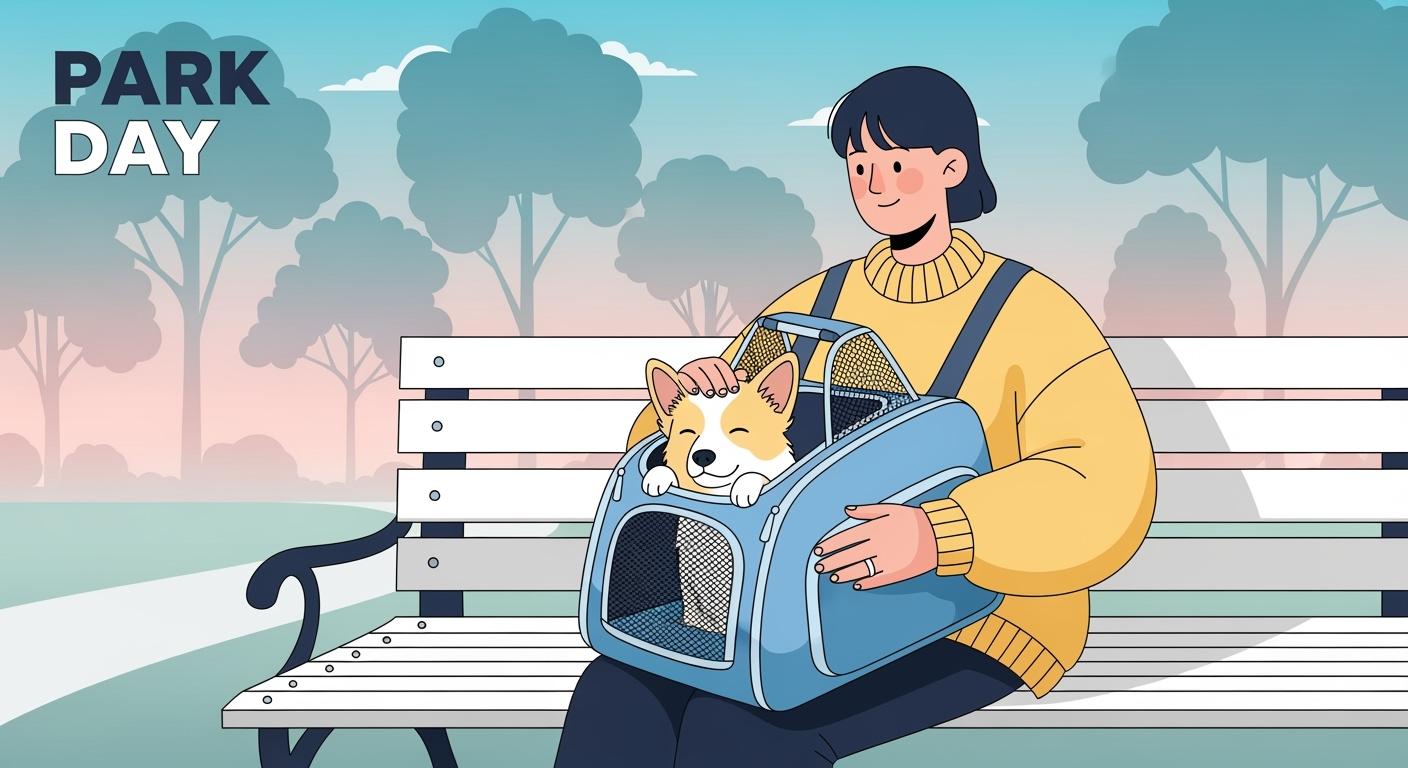
The best small dog pet carriers depend on how you actually travel. A sling usually works for short, calm outings when you want close contact. A tote suits quick city errands and some under-seat transport. A backpack is often the better choice when you need both hands free or expect a longer walk. The right pick is the one that supports your dog’s posture, stays comfortable on your body, and still feels easy to manage after more than a few minutes.
Key Takeaways
- Match the carrier to the outing, not just the look. Slings are usually best for short carry, totes for calm urban trips, and backpacks for longer hands-free movement.
- Fit matters more than label size. Your dog should stay upright, breathe easily, and settle without twisting or leaning hard into one side.
- Stop using a carrier that causes slumping, heavy panting, repeated escape attempts, or obvious strain for you or your dog.
When Sling, Tote, and Backpack Styles Make the Most Sense
Small dog pet carriers are not interchangeable. The same carrier that feels fine for a ten-minute errand can become awkward on a crowded train platform or uncomfortable halfway through a longer walk. Start with the trip length, how often you need to check your dog, and whether you need a free hand for doors, luggage, or a leash.
Comparison Table: Sling vs Tote vs Backpack
| Carrier Type | Best For | Typical Use Cases | Main Tradeoff |
|---|---|---|---|
| Sling | Short, close carry | Quick errands, short walks, low-stress visits | Limited support and shoulder load |
| Tote | Calm city outings | Shopping, transit, short hand-carry travel | Can lean, swing, or tire one arm |
| Backpack | Hands-free movement | Longer walks, transfers, crowded places, light hiking | Harder to monitor your dog without stopping |
When a Sling Is the Right Call
A sling works best when your dog is light, calm, and comfortable staying tucked close to your body. It is often the easiest option for a short walk around the block, a quick coffee stop, or a low-stress social visit where you want easy access and fast reassurance. A pet sling and crossbody carrier usually makes more sense for short carry than for a long afternoon out.
Skip the sling if your dog keeps pushing upward, hates being held in a tucked position, or feels heavy on one shoulder after only a few minutes. Small dog pet carriers in sling form can feel cozy at first, but they stop working fast when the dog shifts constantly or the strap starts pulling your posture sideways.
When a Tote Fits Better
A tote can be the easiest style for errands where you expect frequent stops and set-downs. You can place it beside you more easily than a sling, and many dogs settle well in a structured tote when the outing stays short and predictable. Problems usually start when the bag tilts, the opening is too loose, or your dog keeps leaning toward the top edge. That is why small dog tote carrier stability matters more than style alone.
If you expect airport use, cabin rules can narrow your options quickly. Check under-seat pet carrier fit before you buy, because a carrier that feels fine for daily use may still be too tall or too rigid for in-cabin travel.
When a Backpack Makes More Sense
A backpack is usually the most practical option when you need both hands free, need a more balanced load, or know the outing will last longer than a quick errand. It can work well for travel transfers, crowded events, and walking routes where a shoulder tote would start to drag. If you are sorting through similar backpack labels, compare backpack carrier vs rucksack differences before you decide how much structure and storage you really need.
Backpacks are not automatic upgrades. They can still fail if the base sags, the pack bounces, or your dog cannot sit in a natural position. Trail use also adds movement and heat, which is why backpack dog carrier for hiking should be judged by stability, airflow, and how the load sits on your back, not by the marketing label.
Tip: Test any carrier at home before a longer outing. Your dog should settle within a few minutes, stay supported underneath, and breathe easily without pressing into the opening.
What Changes in Real Use
Body Support, Carry Effort, and Access
The biggest difference between small dog pet carriers shows up after you start moving. Slings give the most physical closeness but the least structure. Totes can feel easy at first, then become tiring once the weight starts pulling on one shoulder. Backpacks usually spread weight better for the person carrying them, but they also make quick check-ins less convenient.
| Carrier Type | Support for the Dog | Carry Effort for You | Access While Moving |
|---|---|---|---|
| Sling | Low to moderate structure | Can strain one shoulder quickly | Very easy to check |
| Tote | Moderate support if the base stays flat | Easy for short carry, tiring for long carry | Easy to set down and reopen |
| Backpack | Usually the most balanced support | Often easier over longer distances | Requires stopping to check more often |
How Dogs Usually Settle
Dogs tend to settle best when the carrier supports a natural posture instead of forcing them to curl, lean, or brace against the opening. Calm dogs often do well in a sling. Dogs that like to sit and observe may prefer a structured tote. A backpack can work well when the base stays stable and the carrier does not swing. For longer days that combine car rides, hotel stops, and walking transfers, it helps to treat the carrier as part of dog travel essentials for car trips and flights rather than as a last-minute add-on.
Pass or Fail: Is the Carrier Actually Working?
| Check Item | Pass Signal | Fail Signal | What to Do |
|---|---|---|---|
| Posture | Dog stays upright or rests naturally | Slumping, curling awkwardly, constant shifting | Adjust fit or change carrier style |
| Breathing and heat | Easy breathing, normal behavior | Heavy panting, distress, trapped heat | Stop and cool down before continuing |
| Owner comfort | Balanced carry without pain | Shoulder or back strain within minutes | Move to a better-balanced design |
| Security | Dog stays settled inside | Clawing upward or repeated escape attempts | Check closure, tether use, and fit |
Common Mistakes
- Choosing by appearance before checking posture support, vent clearance, and how the base behaves under load.
- Buying by weight alone instead of looking at body length, shoulder height, and how the dog sits inside the carrier.
- Using a short-trip carrier for a long outing that includes stairs, crowds, weather changes, or waiting time.
- Assuming mesh alone solves heat buildup. Airflow helps, but warm weather and direct sun still matter.
Note: If your dog shows heavy panting, obvious pain, weakness, or panic, end the outing and contact your veterinarian.
Failure Signs That Matter
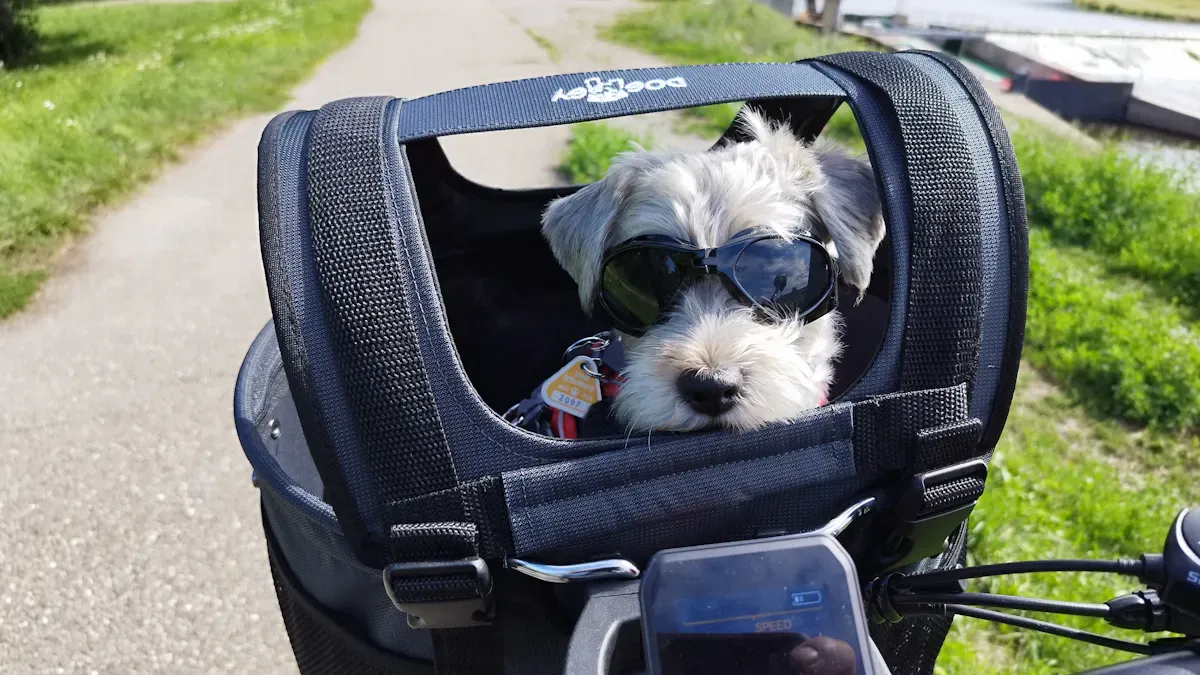
A carrier can look fine in the living room and still fail once you start walking. The most useful warning signs are simple: your dog slumps, the carrier swings, your shoulder starts to ache, your stride shortens, or setting the bag down becomes awkward because the base tips or folds. Those signals usually mean the style, size, or setup is wrong for the trip.
Troubleshooting Table
| Symptom | Likely Cause | Fast Check | Fix |
|---|---|---|---|
| Dog slumps inside | Too much extra space or weak base support | Watch the first few minutes after walking starts | Use a firmer base or switch styles |
| Carrier swings side to side | Loose straps or poor balance | Notice whether it drifts away from your body | Tighten the carry position or change carrier type |
| Shoulder strain | Uneven load on one side | See how your body feels after a short carry | Move from sling or tote to a backpack |
| Blocked stride | Carrier hangs too low or too wide | Check whether it hits your legs | Raise the carry point or choose a more compact design |
| Awkward set-down | Soft or unstable base | Place it on a flat surface and watch for tipping | Use a flatter, more structured carrier |
When to Adjust and When to Switch
Adjust the setup first if the problem is minor, such as a loose strap or a liner that shifted. Switch carriers when the problem is built into the design for your use case. A sling that feels fine at home may still be the wrong tool for a crowded day out. A tote that works in the car may not be comfortable during a long walk. A backpack that feels balanced for you may still be wrong if your dog never settles inside it. Small dog pet carriers work best when the style matches both the outing and the dog’s behavior, not just the size label.
FAQ
How often should you clean a small dog carrier?
Check it after every outing and wash or wipe the parts that collect dirt, hair, or odor, especially liners, base pads, and handles.
Can puppies use small dog pet carriers?
Yes, if the carrier supports the body well, fits the puppy’s current size, and is used for short, supervised trips.
What stress signs matter most in a carrier?
Watch for repeated escape attempts, heavy panting, rigid posture, constant shifting, or a refusal to settle after a short adjustment period.






